
Arches National Park in Utah has launched a vital conservation campaign, "Don’t Bust The Crust," to protect its fragile desert ecosystem. This initiative, coinciding with World Nature Conservation Day, aims to educate the park’s approximately 1.5 million annual visitors about the critical importance of biological soil crusts and the need to stay on designated trails. The campaign emphasizes that even seemingly insignificant actions, like stepping off-trail, can have profound and lasting negative impacts on this unique landscape.
The Unseen Foundation: Understanding Biological Soil Crust
The "crust" referred to in the campaign is not a geological formation in the traditional sense, but rather a complex and living community of microorganisms that form the very foundation of the desert soil. This vital biological soil crust, often appearing as a rough, bumpy, or dark layer on the soil surface, is composed of a diverse assembly of cyanobacteria, green algae, fungi, lichens, and mosses. These organisms, though microscopic, collectively play an indispensable role in the survival and health of the Arches ecosystem.
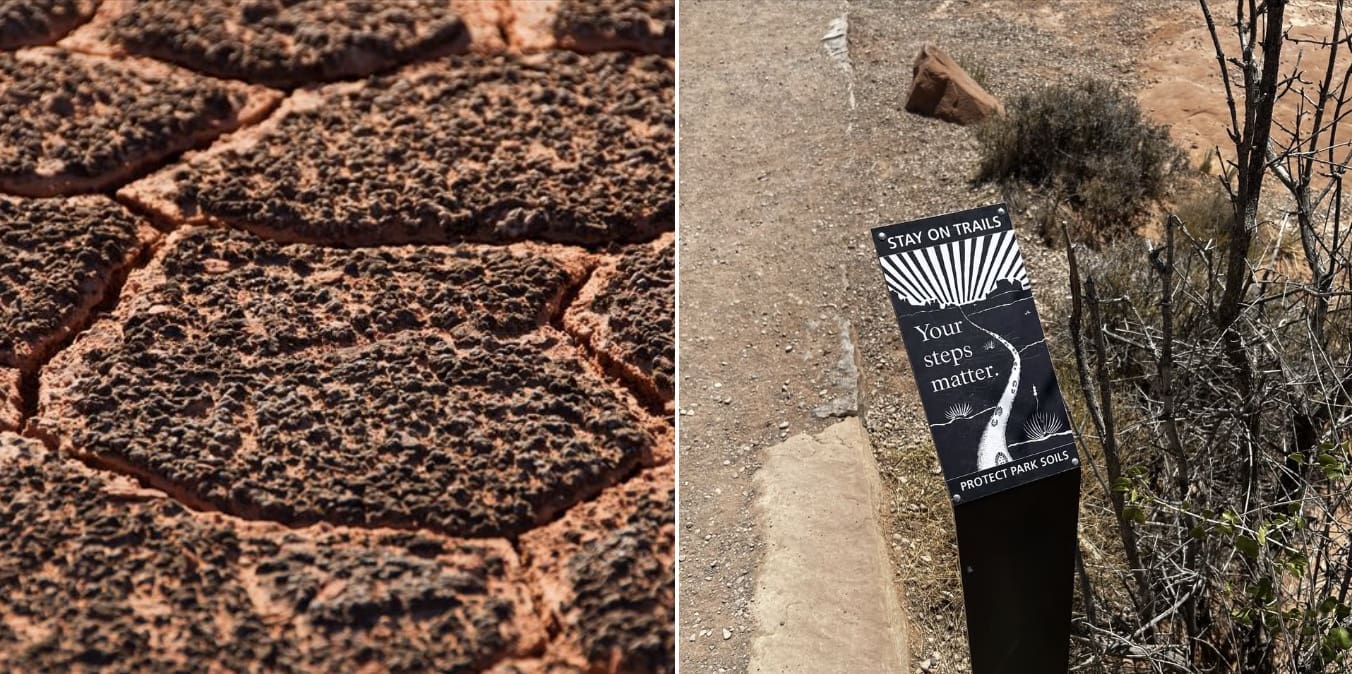
The National Park Service highlights the multifaceted contributions of this crust: "Although the biological soil crust might just look like rough, bumpy sand, it plays an important role in the ecosystem. It enriches the soil with nutrients like nitrogen, helps the soil retain moisture, and gives the plants a solid surface for their roots." Without this living layer, the arid environment of Arches would struggle to support the sparse but resilient plant life that characterizes its dramatic scenery. The nitrogen fixed by cyanobacteria is a crucial nutrient for desert plants, while the crust’s ability to bind soil particles prevents erosion and its porous structure enhances water infiltration, making precious rainfall available to vegetation.
A Campaign Rooted in Necessity
The "Don’t Bust The Crust" campaign is a direct response to the increasing pressure placed on Arches National Park by its popularity. As visitor numbers have surged over the past decade, so too has the potential for damage to sensitive areas. The park’s iconic red rock formations and delicate desert landscape are particularly vulnerable to foot traffic. Even seemingly minor deviations from established trails can lead to the destruction of these ancient soil crusts.
The National Park Service estimates that it can take hundreds, if not thousands, of years for biological soil crusts to fully recover once disturbed. This slow recovery rate underscores the urgency of the campaign. The visual impact of off-trail hiking can be immediate: the crust is broken, exposing the underlying soil to wind and water erosion. This erosion can lead to the formation of gullies, the loss of topsoil, and the degradation of habitat for native flora and fauna.
The Simple Message: Stay on the Trail
The core message of the campaign is remarkably straightforward: "Don’t Bust The Crust." This memorable slogan serves as a constant reminder for visitors to be mindful of their steps. The park implores visitors to adhere to the established trails, which are designed to guide foot traffic along more durable surfaces and away from the fragile biological soil crust.
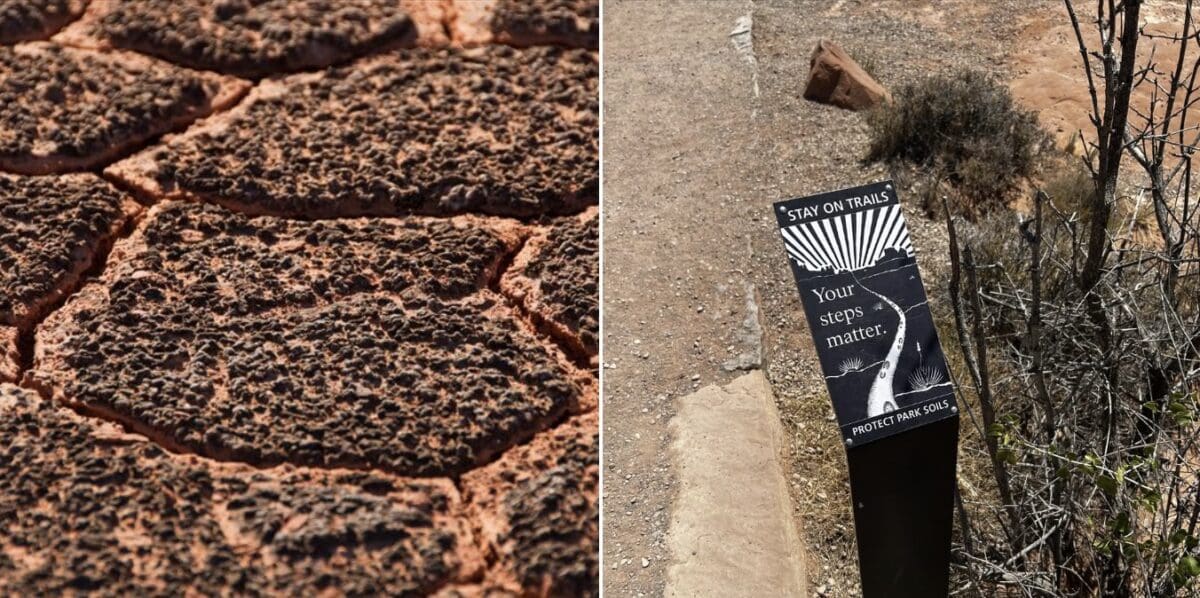
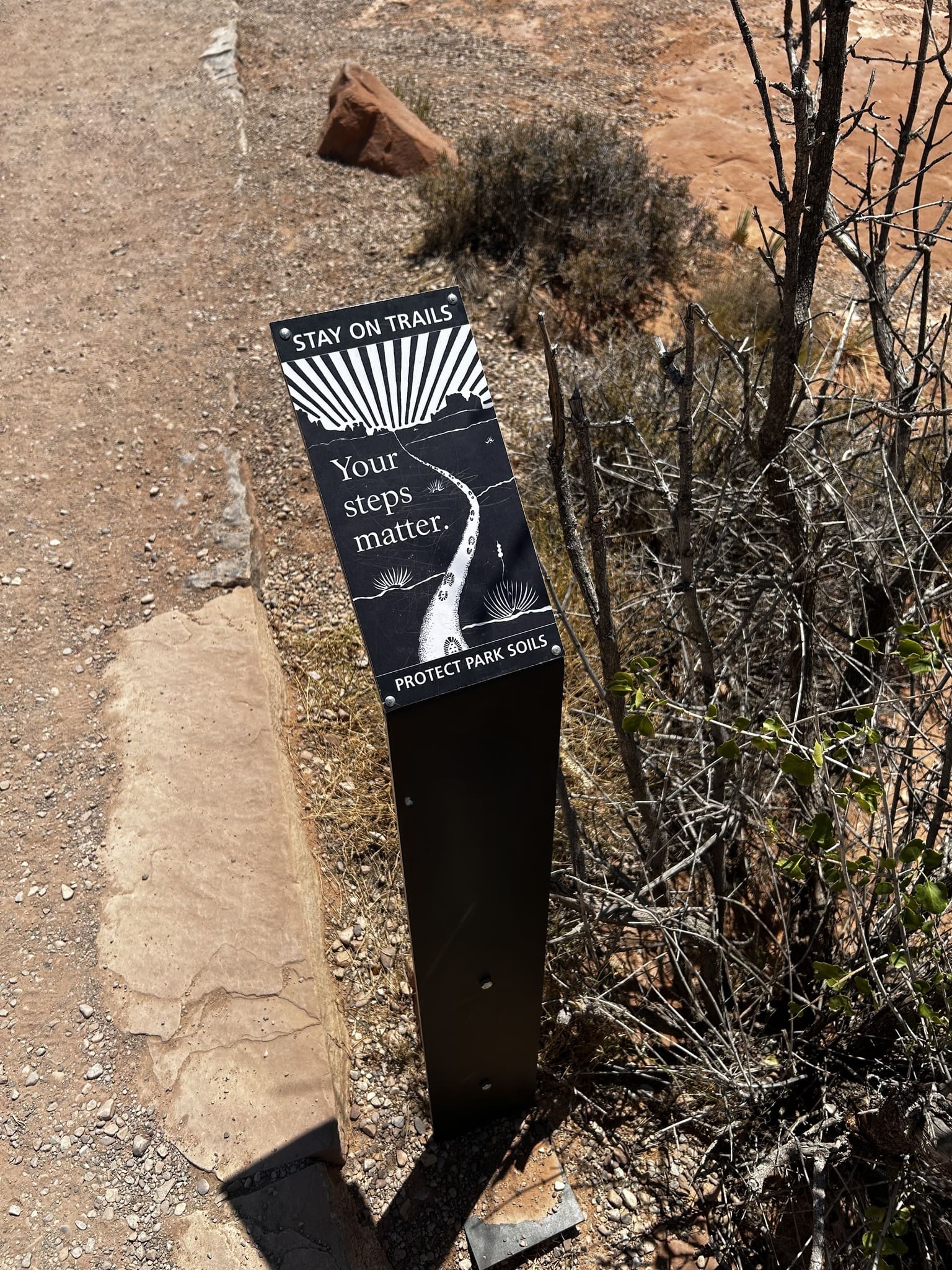
"Simply by not walking on the soil crust, we can conserve this special community of organisms that supports the desert in so many ways," the park emphasizes. "Like the trail signs say, your steps do matter, so make sure you stay on the established trails throughout the park." This message acknowledges that many visitors may not be aware of the ecological significance of the ground they are treading upon. By providing this information, Arches National Park aims to foster a sense of stewardship and responsibility among its visitors.
The Broader Implications for Arid Ecosystems
The challenges faced by Arches National Park are not unique. Many arid and semi-arid regions around the world grapple with similar issues of land degradation due to human activity. Biological soil crusts are a common feature of deserts and steppes globally, playing a critical role in soil stabilization, nutrient cycling, and water retention. The destruction of these crusts in other regions has led to desertification, reduced agricultural productivity, and increased dust storms.

The "Don’t Bust The Crust" campaign serves as a model for conservation efforts in similar environments. By focusing on a clear, actionable message and educating the public about the underlying ecological principles, parks and protected areas can empower visitors to become active participants in conservation. The long-term success of such initiatives hinges on a combination of effective public outreach, well-maintained infrastructure (including clearly marked trails), and consistent enforcement of park regulations.
A Call to Action for Responsible Tourism
The initiative from Arches National Park is more than just a seasonal campaign; it represents a fundamental shift towards promoting responsible tourism. In an era of increasing travel and a growing desire to experience natural wonders, the impact of visitors on fragile ecosystems becomes a paramount concern. The park’s message underscores that the beauty of Arches is intrinsically linked to the health of its environment, and that preserving this beauty requires collective effort.
The inclusion of visual aids, such as photographs and videos, further enhances the campaign’s reach. Images of the biological soil crust, alongside stark examples of its destruction, effectively communicate the damage that can be inflicted by a single misplaced step. Similarly, informative videos can offer a more in-depth explanation of the crust’s ecological functions and the consequences of its disturbance.
Analysis of Long-Term Impact and Future Strategies
The sustained success of the "Don’t Bust The Crust" campaign will depend on its integration into the park’s ongoing visitor education programs. This includes not only signage at trailheads but also information disseminated through the park’s website, social media channels, and ranger-led programs. The park may also consider developing partnerships with educational institutions or environmental organizations to conduct further research on the resilience of the crust and to develop more advanced restoration techniques, should they become necessary.
Furthermore, the campaign’s effectiveness can be measured by tracking erosion rates in heavily trafficked areas and by monitoring the recovery of disturbed soil crusts. Visitor surveys can also gauge the level of awareness and adherence to the campaign’s message. By continually assessing and adapting its strategies, Arches National Park can ensure that its efforts to protect its unique biological soil crust remain effective in the face of evolving visitor trends and environmental challenges. The campaign serves as a potent reminder that the preservation of natural wonders is a shared responsibility, and that even the smallest steps can make a monumental difference.

