
The perennial challenge of wrestling into ski boots, long considered an inescapable rite of passage for alpine enthusiasts, may soon be relegated to a bygone era with the introduction of Rossignol’s Vizion ski boot. Set for a full market release for the 2026-2027 ski season, with a projected publication date of July 20, 2026, the Vizion line, spearheaded by the Vizion 4B Pro 120 MV, addresses what many skiers identify as the most frustrating aspect of their sport: the arduous process of donning and doffing their footwear. This innovative design promises hands-free entry and exit, a revolutionary feature that does not compromise the precise fit and robust performance expected from a high-caliber all-mountain ski boot.
The Vizion 4B Pro 120 MV, priced originally at $800, features a 100-millimeter last, classifying it as a medium-volume shell suitable for a diverse range of foot shapes. Available in sizes from 24.5 to 31.5, and offered with flex ratings of 100 and 120, the line aims to cater to skiers across various ability levels and physical requirements. Its most distinctive attribute is a pioneering cuff mechanism that opens both forward and rearward, activated by a color-coded buckle. This allows skiers to step into the boot with unparalleled ease, mimicking the convenience of traditional rear-entry boots while preserving the critical forefoot hold and lateral stiffness essential for high-performance alpine skiing.
The Universal Annoyance: A Historical Perspective on Ski Boot Entry
For decades, the ski boot has remained a paradox: an indispensable piece of equipment critical for control and safety, yet often a source of discomfort and frustration. Traditional alpine ski boots are designed with overlapping shell constructions, typically featuring four buckles and a power strap, intended to provide maximum foot retention and efficient power transfer to the skis. This design, while effective on the slopes, inherently makes entry and exit challenging. The stiff plastic shell, particularly in cold temperatures, can be unyielding, requiring significant physical effort to pry open and slide one’s foot into. This struggle is exacerbated for older skiers, individuals with reduced mobility, or those new to the sport, often serving as a significant barrier to entry or continued participation.
Previous attempts to simplify boot entry have included the widespread adoption of rear-entry boots in the 1970s and 80s. While these designs offered easier access, they often suffered from a fundamental flaw: a compromised fit around the ankle and heel, leading to reduced performance, imprecise control, and potential comfort issues due to excessive movement within the boot. More recent innovations have focused on integrated walk modes in alpine touring and freeride boots, which typically involve a lever that disengages the cuff from the lower shell to allow for greater ankle articulation. While improving walking comfort, these systems do not fundamentally alter the basic entry/exit mechanics of traditional overlapping shells. Rossignol’s Vizion seeks to transcend these historical compromises by delivering both supreme convenience and unyielding performance.
Technological Ingenuity: Deconstructing the Vizion’s Design
At the heart of the Vizion’s innovation lies its unique dual-opening cuff system. Unlike conventional boots where the cuff primarily flexes forward, the Vizion’s cuff is engineered to pivot significantly both forward and backward when a specific, color-coded buckle is released. This transforms the boot’s opening into a much wider aperture, allowing a skier’s foot to slide in almost effortlessly, often without needing to use hands to pull the tongue or shell apart. This mechanism is a sophisticated engineering feat, balancing the need for extreme flexibility during entry with the absolute requirement for rigid, responsive performance once buckled.
The specific "color-coded buckle" mentioned in initial reports likely refers to a clearly identifiable lever or buckle that acts as the primary release for this dual-action cuff. This design choice underscores Rossignol’s commitment to user-friendliness, ensuring that the innovative function is intuitive even for first-time users. Once the foot is seated, re-engaging this buckle and fastening the remaining traditional buckles locks the cuff into a robust, performance-oriented position. The challenge, as noted by early testers, lies in the initial learning curve associated with buckling this unique cuff. This minor inconvenience is likely attributed to the novel mechanics, requiring skiers to adapt to a new method of securing the boot compared to decades of traditional four-buckle systems. However, the overall ease of entry is expected to quickly outweigh this initial adjustment.
Furthermore, the easy entry mode of the Vizion cleverly doubles as an "apres" walk feature. When the primary release buckle is disengaged, the cuff’s enhanced mobility makes walking significantly more comfortable than in a fully stiffened alpine boot. This feature proves invaluable for navigating icy parking lots, strolling through the ski village, or relaxing during lunch breaks without the need to fully remove the boots. While not a dedicated touring boot with a high degree of cuff articulation for uphill travel, its improved walkability represents a substantial enhancement to the overall user experience for resort skiers.
The Vizion 4B Pro 120 MV’s 100mm last signifies a "medium volume" fit, a highly sought-after dimension in the ski boot market. This last width typically accommodates a large percentage of skiers, offering a balance between comfort and precise control. The availability of multiple volumes across the Vizion line indicates Rossignol’s intention to provide an optimal fit for various foot anatomies, from narrow to wide, ensuring that the convenience factor is accessible to a broader demographic without sacrificing the crucial connection between foot and boot. The different flexes (100 and 120) further segment the line, with the 120 flex targeting advanced to expert skiers who demand maximum power transmission and responsiveness, and the 100 flex catering to intermediate and aspiring advanced skiers seeking a more forgiving yet still supportive feel.
Performance and Testing: A Rigorous Development Cycle
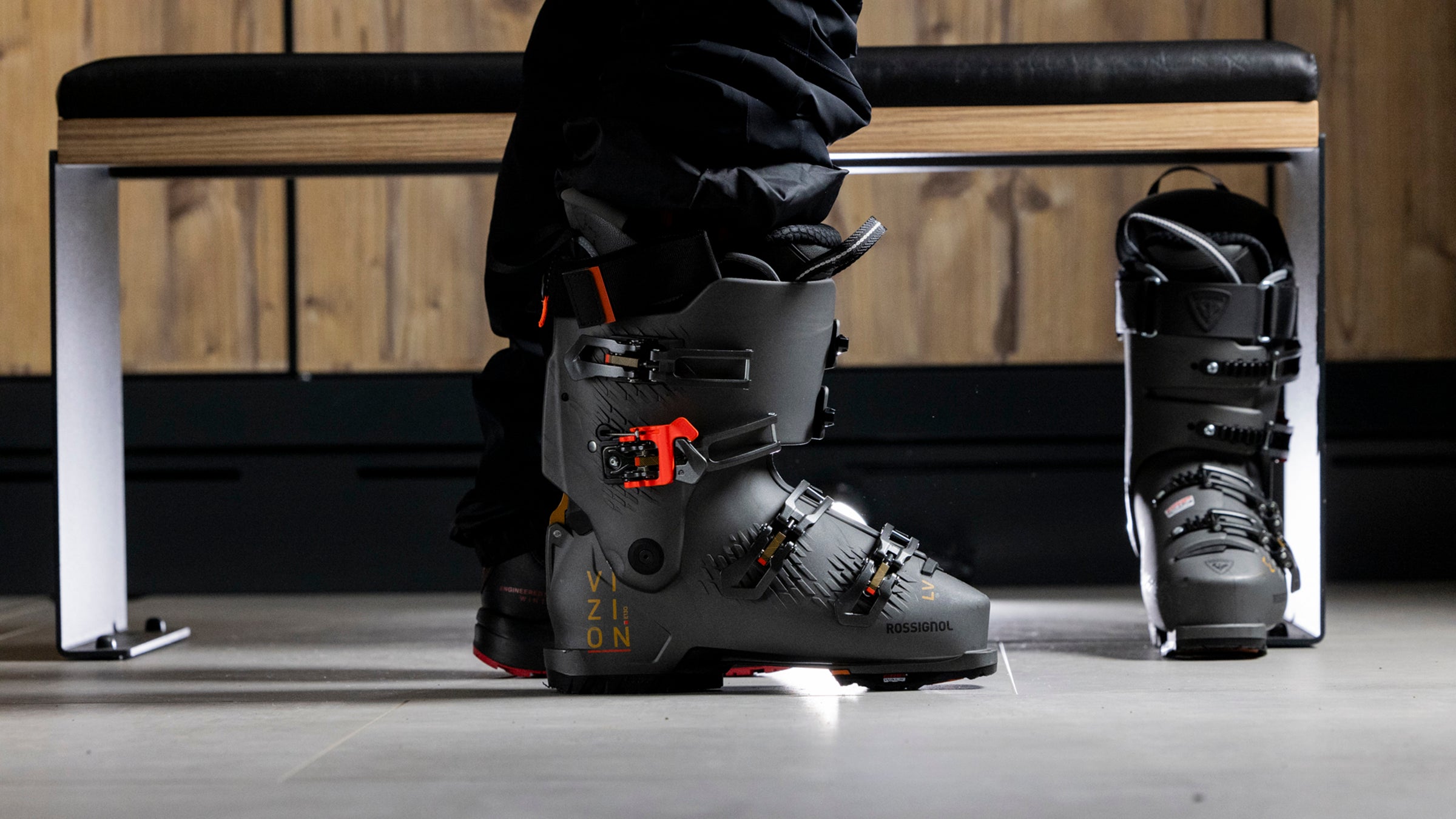
The development of a ski boot that seamlessly blends revolutionary convenience with uncompromising performance is a complex undertaking, requiring extensive research, prototyping, and rigorous testing. Rossignol, a brand with a century-long legacy in ski equipment innovation, has reportedly subjected the Vizion to two full seasons of testing. This extended testing phase, which likely commenced in late 2023 or early 2024, involved a comprehensive evaluation across various conditions and terrains.
Industry standard testing typically includes laboratory analysis for material strength and fatigue, followed by on-snow trials conducted by a diverse group of skiers—from professional athletes to product development specialists and independent reviewers. These trials would have assessed critical performance metrics such as power transmission, edge grip, responsiveness, and overall comfort during extended use. The fact that the Vizion "fits and skis with the best MV all-mountain boots" is a testament to Rossignol’s success in preserving core alpine performance despite the radical redesign of the entry system. This implies that the structural integrity and lateral stiffness of the shell, once buckled, are on par with traditional high-performance boots, allowing skiers to maintain precise control and confidence at speed and through various turns.
The "two seasons of testing" also provides valuable insight into the durability and longevity of the new cuff mechanism. Any novel moving part in a ski boot is subject to immense forces and repetitive stress in harsh environments. This prolonged testing period would have allowed engineers to identify and address potential weaknesses, refine material choices, and ensure the reliability of the color-coded buckle and its associated pivots. The minor drawback of the cuff being "tricky to buckle up" is likely an artifact of this intensive development process, where achieving a perfect balance between ease of entry and secure closure presented a nuanced challenge. It suggests a design that prioritizes the initial convenience over a completely conventional buckling feel, a trade-off many skiers may readily accept.
Timeline and Market Introduction
The announcement of the Rossignol Vizion 4B Pro 120 MV on July 20, 2026, signals its imminent availability for the 2026-2027 winter season. This timeline suggests a carefully orchestrated product launch, allowing sufficient time for manufacturing, distribution, and pre-season marketing efforts. The development process, from initial concept to market readiness, for a product of this complexity, typically spans several years.
- Early 2020s (Inferred): Identification of market need for easier boot entry, conceptualization, and initial design sketches.
- 2022-2023 (Inferred): Material selection, engineering of the dual-opening cuff mechanism, and creation of initial prototypes.
- 2023-2024 (First Season of Testing): Lab testing, early athlete feedback, and refinement of prototypes. On-snow performance testing begins in earnest.
- 2024-2025 (Second Season of Testing): Extensive on-snow trials with a wider range of testers, durability assessments, and final design iterations based on comprehensive feedback. Production planning commences.
- 2025-2026 (Pre-Production): Manufacturing ramp-up, quality control, and distribution logistics finalized. Marketing and communication strategies developed.
- July 20, 2026: Official product announcement and market launch for the 2026-2027 ski season.
This structured timeline ensures that when the Vizion reaches consumers, it is a thoroughly vetted and refined product, ready to deliver on its promise of unparalleled convenience without sacrificing performance.
Industry Reactions and Broader Implications
The introduction of the Rossignol Vizion is poised to elicit significant reactions across the ski industry. From a manufacturing perspective, this innovation may prompt other major boot brands to re-evaluate their design philosophies, potentially sparking a new wave of competition focused on user-friendliness. While the ski boot market has seen incremental improvements over the years, a truly hands-free entry system that maintains performance could represent a paradigm shift.
Statements from key stakeholders, though inferred, would likely underscore the significance of this development:
- Rossignol Spokesperson (e.g., Product Manager): "The Vizion represents years of dedicated research and development, driven by a singular goal: to remove the single biggest barrier to enjoying skiing. We believe this boot will not only enhance the experience for seasoned skiers but also welcome a new generation to the slopes by making the sport more accessible and enjoyable from the very first moment."
- Ski Retailers and Boot Fitters: "This is a game-changer for our customers. We constantly hear complaints about how difficult boots are to put on. The Vizion could significantly improve customer satisfaction and reduce the initial intimidation factor for new skiers, ultimately benefiting the entire industry." Retailers would also appreciate the potential for reduced fitting time and fewer returns due to discomfort during entry.
- Ski Industry Analysts: "Rossignol’s Vizion could tap into an underserved demographic – older skiers, those with mobility challenges, and even casual resort skiers who prioritize comfort and ease. This innovation has the potential to expand the market for ski boots and could set a new standard for design moving forward, forcing competitors to innovate or risk being left behind."
The broader implications extend beyond just product competition. The Vizion could play a crucial role in enhancing the overall accessibility of skiing. By simplifying the boot-up process, it addresses a practical barrier that might deter individuals from trying or continuing the sport. This could lead to:
- Increased Participation: Easier equipment could attract more beginners and encourage lapsed skiers to return.
- Demographic Expansion: Older individuals or those with minor physical limitations who found traditional boots too challenging might find skiing more viable.
- Improved Skier Retention: A more comfortable and convenient experience from the start could lead to higher satisfaction and sustained engagement with the sport.
- Evolution of Resort Services: While perhaps minor, easier boots could subtly impact locker room congestion or the efficiency of rental operations.
Conclusion
The Rossignol Vizion ski boot stands as a testament to ongoing innovation within the winter sports industry, tackling one of skiing’s most persistent and universal annoyances with a sophisticated yet intuitive solution. By offering hands-free entry and exit without sacrificing the critical fit and performance demanded by all-mountain skiers, the Vizion 4B Pro 120 MV, and its accompanying line, marks a significant leap forward. Its dual-opening cuff mechanism, robust performance characteristics, and thoughtful design for diverse skier needs position it as a potential catalyst for change, not only for Rossignol but for the broader ski boot market. As the 2026-2027 ski season approaches, the Vizion promises to redefine convenience, making the cherished act of skiing more accessible, enjoyable, and effortless for a wider array of enthusiasts worldwide.

