
For three decades, Whitelines Magazine has navigated the shifting currents of snowboarding culture and media, evolving from a raw, irreverent fanzine into a global digital powerhouse. Its journey, marked by unconventional tactics and an unwavering commitment to the sport’s spirit, is perhaps best encapsulated by former editor and cover star Chris Moran’s pithy observation: "Idiots try to put a mirror up to the burgeoning 1990s snowboard scene, but accidentally turn it on themselves instead. Blinded by the glare of their own stupidity, they head out on the kind of travel adventures where someone has to climb into a board bag that’s strapped to the roof rack because they’ve forgotten their passport." This description, intended for a hypothetical biopic, succinctly captures the audacious, often chaotic, yet profoundly influential path Whitelines has carved since its inception in 1995.
The Birth of a Rebellious Voice
In the mid-1990s, snowboarding was rapidly shedding its counter-culture skin and emerging into the mainstream. From its humble origins as a niche pursuit, it was transforming into an energy-drink-fueled, Olympic-recognized, multi-million dollar industry. Amidst this burgeoning scene, Jim Peskett and Tudor ‘Chod’ Thomas, both veterans of Snowboard World Magazine, recognized a void. They envisioned a publication that would authentically reflect the sport’s raw energy, rebellious spirit, and inherent humor, rather than merely document its professional ascent. Thus, Whitelines Snowboarding Magazine was born—a self-proclaimed "debaucherously British snowboarding fanzine." Operating initially from a modest office in Oxfordshire, their Machiavellian savoir-faire, coupled with a healthy disregard for convention, would propel Whitelines from a fledgling startup to an internationally recognized media brand over the next thirty years.
The 1990s were a fertile ground for action sports magazines, with numerous titles vying for attention in a rapidly expanding market. To stand out, Whitelines embraced its unique identity. Chris Moran, reflecting on these formative years, noted, "I think the fact that we had no budget, no real understanding of how to make a magazine, and no idea of things like spelling, storytelling or basic decency. Those concepts definitely worked really well in our favour." This lack of conventional structure, far from being a hindrance, fostered an environment of unbridled creativity and authenticity. In an era predating widespread internet access and email, the magazine’s content was often pieced together through phone calls, with staff members dictating articles from remote locations, scraps of paper in hand, to a company secretary. This organic, on-the-ground reporting meant that Whitelines was genuinely "at the heart of the snowboard scene," capturing its essence unfiltered. The absence of immediate digital feedback, as Moran mused, meant, "Pre-social media, we were all just screaming at the moon. Who knew what others thought of what we did? I mean, face-to-face feedback was always good, and as long as we annoyed our publisher Jim, we just thought things were going well!"
Embracing the Anarchy: The "Conquistadors of Chaos" Era
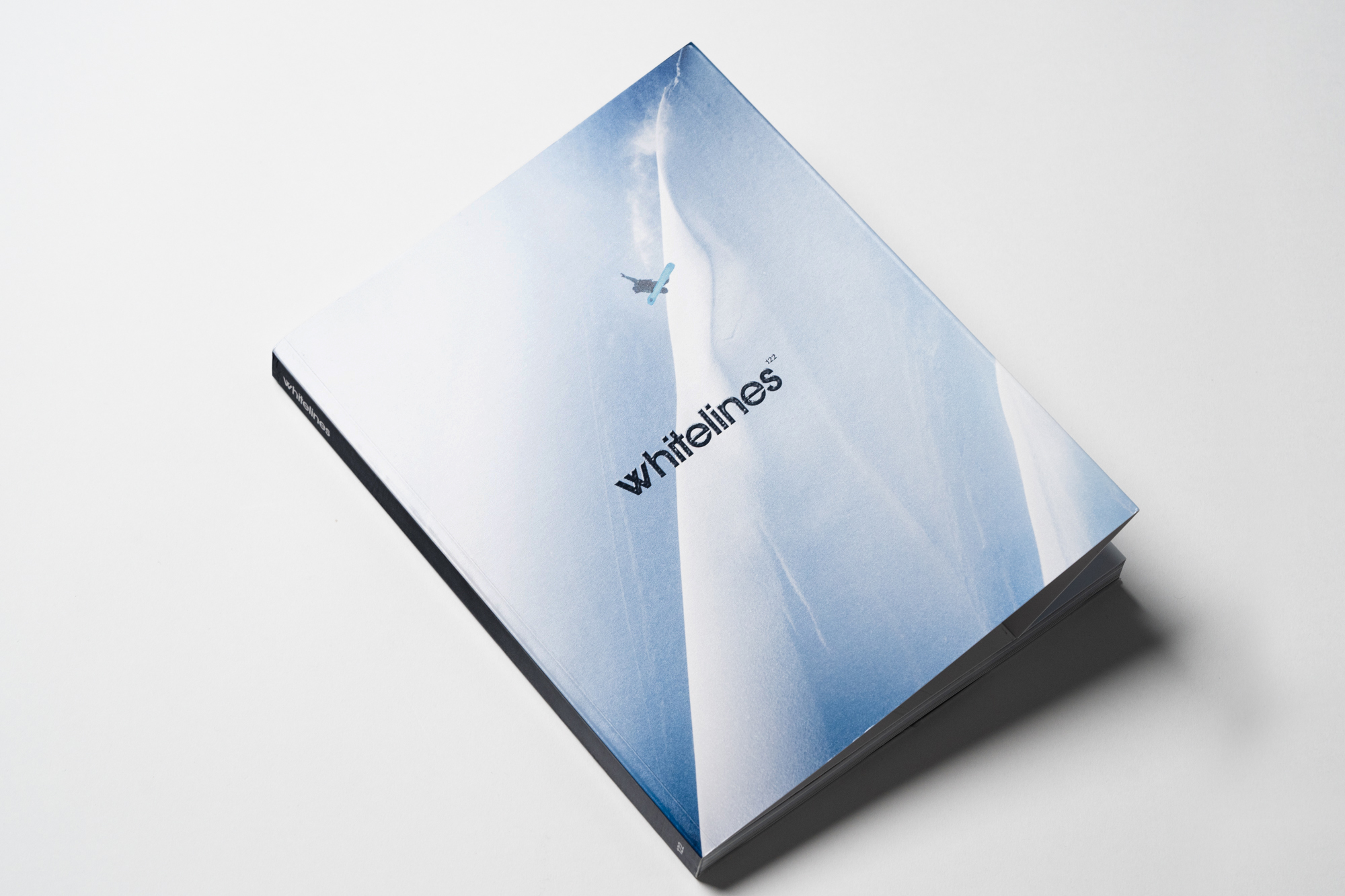
Whitelines quickly distinguished itself through a deliberate embrace of the unserious, often irreverent side of snowboarding. The magazine became a vibrant tapestry showcasing "cool people doing cool shit strapped onto planks of wood and letting gravity do the heavy lifting." Its pages embodied the sport’s carefree attitude, celebrating a culture characterized by beer-chugging, authority-flaunting, and a healthy dose of self-deprecating humor. This ethos extended to every detail, including the magazine’s spine titles, which often bore hilariously absurd names like ‘Dwarf Throwing Monthly’ or ‘Working With Endangered Animals Weekly’. Tudor ‘Chod’ Thomas, the magazine’s designer-in-chief and creative visionary, was particularly adept at crafting these memorable, often baffling, alternative titles. Moran recalled his favorite: "Neck Brace Monthly: The Skyscraper Issue," an imaginary publication for those unable to look up.
This rebellious streak manifested not only in content and design but also in legendary off-piste antics. The early days of Whitelines were replete with tales that, "statute of limitations notwithstanding," would "make Led Zep blush." These stories, often involving staff members and riders, solidified the magazine’s reputation as a "conquistador of chaos." One memorable incident involved a hotel in Austria filled with taxidermy. After a night in the bar, an accordion was "stolen" and hidden, leading to a late-night tug-of-war that woke the hotel. Simultaneously, various stuffed animals, including a marmot, were "messed with," the marmot reportedly being "fully shaved" by Russ Ward, with only a "mad Lemmy-style goatee" remaining. Such escapades, while perhaps unconventional for a corporate publication, endeared Whitelines to its core audience, who saw in the magazine a reflection of their own rebellious spirit.
The magazine’s audacity extended even to its reader engagement. For competitions, Whitelines would routinely print deliberately ludicrous postal addresses, such as "send your entries to ‘the crack in the arse cheeks of Jim Peskett, 1 Stert Street, Abingdon’." This provoked not only reader amusement but also genuine frustration from the UK Post Office, which reportedly threatened the publishing company with blacklisting. Publisher Jim Peskett, often the target of these jokes, would "literally plead" with the staff to desist, fearing the postal service would shut down the entire business. Paradoxically, this defiance resonated with readers, as evidenced by a letter from a mother banning her son from reading the magazine – a complaint that Whitelines celebrated by awarding her "letter of the month" and gifting her son a lifetime subscription. These instances underscored the magazine’s commitment to its unique, unpretentious voice, even at the risk of corporate repercussions.
The Digital Revolution and a Pivotal Shift

As the 21st century progressed, the media landscape underwent a seismic transformation. By the mid-2010s, the traditional print model, once the bedrock of magazine publishing, was undeniably waning. Shelves that once proudly displayed a plethora of snowboard magazines began to stand empty, mirroring a broader industry trend where advertising revenues shifted online and reader habits gravitated towards instant, accessible digital content. Data from organizations like the Audit Bureau of Circulations (ABC) consistently showed declining print sales and readership across various magazine sectors during this period.
Yet, like a football team finding "Fergie Time" for a last-minute winner, Whitelines demonstrated remarkable resilience. The shift in media consumption, driven by the convenience and instant gratification offered by the internet and social media, paradoxically allowed the snowboarding industry, and its media, to grow massively in reach. No longer did enthusiasts have to wait months for their snowboarding fix; it became a 24-hour buffet of content, where "sliding sideways was the order of the day." This evolution presented a new challenge: balancing the depth and tactile experience of print with the immediacy and broad accessibility of digital. While some might equate the nuanced experience of a high-quality print magazine to a "14-course meal with accompanying tasting wines" and digital content to a "greasy kebab," the reality, as Whitelines understood, was that "there’s a time and a place for everything." The digital age simply offered more avenues for content consumption, each with its own value.
The print editions of Whitelines officially ceased in 2015, with WL120 marking the final issue to grace physical shelves. The announcement, appropriately made online, included a candid statement from editor Ed Blomfield. He articulated the strategic decision, noting that "Factory Media’s proposal to sacrifice print frees up the editorial staff to channel all that passion and energy into their websites, including this one." Blomfield acknowledged the bittersweet nature of ending a publication into which "heart and soul" had been poured for over two decades. However, he also expressed excitement for the future, envisioning a "slicker website delivering more unique video, more gear reviews, more how-tos, more travel… more of all the things you enjoy." The renewed focus and a "healthy budget" were set to transform Whitelines, ensuring that in 2015, "original, high-quality content is the order of the day." Crucially, the core mission remained unchanged: "ultimately, however, it’s just about staying true to that original goal of stoking out the readers; if you guys are here online, then that’s where we need to be."
This pivot to digital was executed with a strategic agility often seen in startups, not established brands. By freeing staff from the demands of print production, resources could be fully dedicated to online platforms. Whitelines had already built a strong reputation for its in-depth gear guides, with the "Whitelines 100" becoming an industry benchmark for essential seasonal products. This enhanced focus allowed the website and social media profiles to flourish, transforming the title from primarily a UK-focused offering into a truly worldwide favorite, connecting with a global audience of snowboarders.
The Comeback Kid and Enduring Legacy
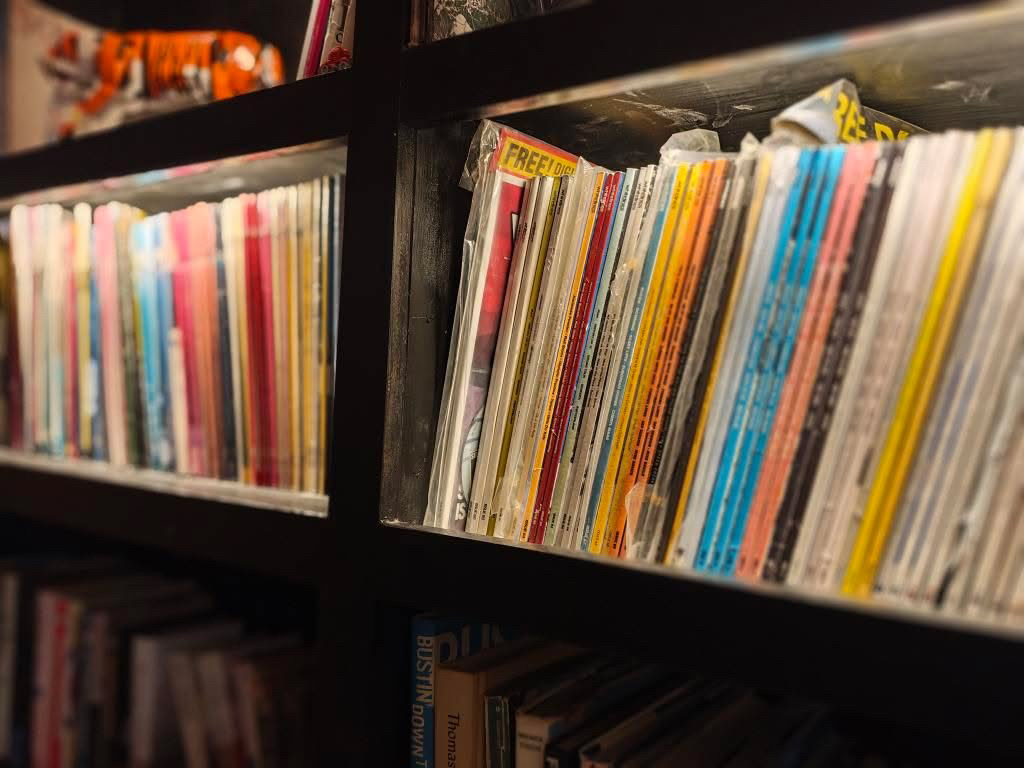
The media industry is notoriously fickle, with publications often succumbing to budgetary constraints, rising production costs, or shifts in consumer behavior. Whitelines, however, has proven to be an anomaly, having been "read its last rites more than once." Yet, like "the cockroach that refuses to die" or "the chewing gum stuck to the sole of snowboarding’s gaffa-taped boot," Whitelines has defied extinction. This enduring resilience can be attributed not to fate, but to the unwavering dedication of its staff, individuals who genuinely care about snowboarding and are willing to go to extraordinary lengths to keep the brand alive, even if it meant "experimental emergency surgery with no anaesthesia during a power cut." The early days, characterized by a "shoestring and a dream" budget, saw staff "begged, borrowed and stole enough to get all 120-odd editions out," even resorting to "eBayed pretty much every bit of product that anyone ever sent in" to stay afloat – a testament to their passion and unconventional problem-solving.
After a four-year hiatus from print, Whitelines made a brief but impactful return to physical format in 2019. This second print run, under "The Whitelines Annual" format, offered three substantial magazines, collectively boasting over 600 pages of exclusive interviews, stunning photography, and compelling written content from the sport’s leading voices. This short-lived print revival, with Ed Blomfield once again at the helm, served as a nostalgic nod to its roots while reaffirming the brand’s commitment to premium content.
As of 2026, Whitelines has once again embraced its purely digital identity, leveraging the immense reach and interactivity of the online realm. The current strategy focuses on curating and cultivating a global team of experienced snowboarders across three continents. This crack team is dedicated to putting the "latest innovations through their paces" for premium gear reviews, conducting in-depth interviews that "lift the curtain" on the industry, providing "relevant culture hits" through daily coverage, and delivering "boots-on-the-ground event coverage" that truly showcases the beating heart of the sport.
The sheer scale of digital reach is undeniable. This past season alone, the Whitelines website attracted 2 million visitors, while its social media channels boast over 750,000 followers. The brand’s content now frequently appears in AI snippets, reflecting its pervasive presence in the digital ecosystem. In this context, the commercial viability of 20,000 copies of a print magazine is indeed a "hard sell in comparison." However, Whitelines maintains that "quality and quantity are not mutually exclusive." Despite churning out significantly more content and achieving exponentially greater reach than in its early days, the brand remains steadfastly committed to its tried-and-true tenet: every piece of content must be engaging, informative, or amusing – ideally all three simultaneously. While the team may still "wax poetic about the joys of print, run the numbers and scrawl hasty business models on the back of napkins every time we’re three pints deep," acknowledging the "Goonies never say die" spirit, the digital platform is where Whitelines thrives today. And, for the record, the Post Office has yet to receive any mail addressed to the "crack in the arse cheeks of anyone." The legacy of chaos and authenticity, however, continues to resonate through its digital channels, solidifying Whitelines’ place as an enduring icon in snowboard media.

