
The roar of the crowd, the blur of speed, and the precision of a perfectly executed turn on a World Cup ski racecourse are the culmination of months, sometimes years, of relentless physical preparation far from the snow. A race may flash by in under three minutes, but the journey to that explosive start, the nuanced absorption of varied terrain, and the high-speed recoveries is an intricate, scientific process of dryland training. This sophisticated, year-round performance system, meticulously designed around the extreme demands of alpine racing and the unique needs of each athlete, is the bedrock upon which champions are built.
This foundational work, once viewed as mere offseason conditioning, has evolved into a highly specialized discipline within sports science. Today, it integrates cutting-edge understanding of strength, endurance, movement quality, and recovery to shape an athlete’s peak performance. At the forefront of this evolution are visionary strength and conditioning coaches such as Italy’s Luca Scarian and Spain’s Alejo Hervas, who recently shared insights into their methodologies with the International Ski Federation (FIS). Both coaches guide athletes at the pinnacle of the sport, with Scarian training stars like Federica Brignone and Marta Bassino, while Hervas directs the physical regimes of luminaries such as Marco Odermatt, Gino Caviezel, and Justin Murisier. Though their systems may differ in structural organization and terminology, they converge on a singular, fundamental principle: physical preparation must unequivocally enable an athlete to perform optimally, adapt to dynamic race conditions, and maintain robust health throughout a grueling season.
The Evolution of Dryland: From Conditioning to Comprehensive Performance System
Historically, dryland training for alpine skiers often focused on general physical fitness – building overall strength and aerobic capacity. While these elements remain crucial, the modern approach is far more targeted and integrated. The shift reflects a deeper understanding of the specific physiological stressors of ski racing, where athletes experience immense G-forces (often exceeding 4G in giant slalom turns), reach speeds upwards of 150 km/h in downhill events, and endure rapid, high-impact movements. This environment demands not just brute strength, but also explosive power, refined motor control, exceptional proprioception, and robust joint stability.
Coaches now design training to be intensely specific, mirroring the biomechanical demands of skiing without the skis. Scarian, for instance, maintains a clear distinction between physical preparation and technical ski training, yet every aspect of his dryland program is meticulously crafted to underpin and enhance on-snow performance. His focus areas include foundational strength, expansive aerobic capacity, unyielding core stability, and highly efficient movement patterns. Crucially, Scarian prioritizes establishing a healthy physical foundation and optimal movement quality before pushing for maximal output. This sequence is paramount: strength without efficient movement or the capacity to tolerate the immense loads of training and competition offers limited benefit and significantly increases injury risk.
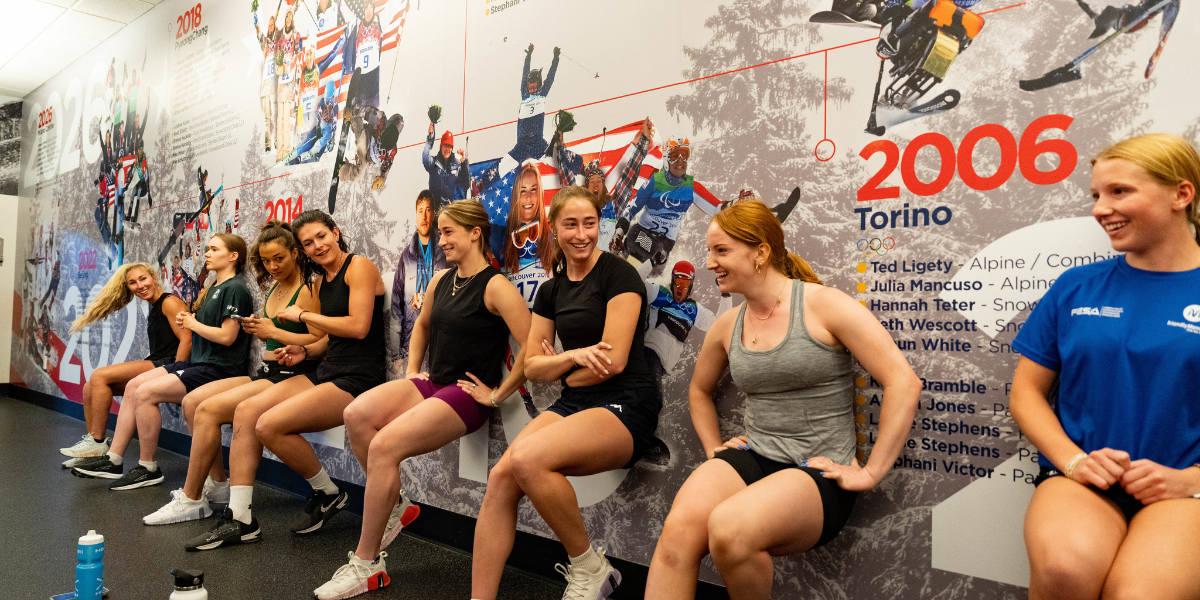
Hervas structures his comprehensive system around two broad, interdependent pillars: structural work and metabolic work. Structural work targets the integrity and resilience of muscles, joints, connective tissues, and soft tissues – essential for absorbing impacts and sustaining high forces. Metabolic training, conversely, develops the aerobic and anaerobic energy systems vital for sustained effort, rapid recovery between runs, and overall athletic resilience. In a typical 24-week preparation period, Hervas systematically progresses from initial aerobic development to structured strength phases, incorporating a diverse range of muscle actions including concentric, eccentric, and isometric contractions. Volume and intensity are strategically modulated in undulating waves, interspersed with critical recovery periods. Once the on-snow phase commences, the emphasis shifts to maintaining the sophisticated physical qualities already painstakingly developed.
Beyond Raw Strength: The Nuances of Elite Force Production
While strength remains an undeniable cornerstone of alpine racing, elite preparation transcends the simple pursuit of lifting the heaviest possible weight. The unique demands of skiing necessitate a more nuanced understanding of force. Scarian’s methodology considers not only training volume but also the time muscles spend under tension and, critically, the speed at which an athlete can generate force. This final element is profoundly important in ski racing, where athletes must create, control, and absorb force almost instantaneously. The unpredictable nature of terrain, fluctuating speeds, and ever-changing snow conditions rarely afford the luxury of deliberate, slow corrections; reactions must be immediate and powerful.
Hervas similarly integrates strength training with endurance, precise movement control, and meticulous intensity management. Given the finite nature of training time, coaches face complex decisions regarding which physical qualities to prioritize for maximal benefit. It is impossible, and indeed counterproductive, to develop every physical ability simultaneously or with equal emphasis. This strategic allocation of training resources becomes even more intricate when injuries inevitably occur. When an athlete’s ability to follow a normal program is compromised, coaches must meticulously protect the injured area, adhere strictly to medical guidance, and simultaneously devise safe alternative strategies to preserve strength and conditioning in uninjured areas. The overarching objective in such scenarios is not to force continued progress, but rather to safeguard the athlete’s recovery while mitigating unnecessary physical decline.
The Athlete at the Core: Tailored Programs for Individual Excellence
Despite World Cup racers often training within the same team environment, their physical preparation programs are rarely identical. While objective testing can pinpoint strength deficits, movement restrictions, and other measurable differences, both Scarian and Hervas stress that quantitative data offers only a partial view. A holistic understanding necessitates deep insight into how an athlete moves, communicates their physical state, manages fatigue, and responds to various training stimuli.

Scarian, having cultivated long-term relationships with several athletes over multiple years, leverages this rich historical perspective. This deep understanding enables him to introduce challenging new stimuli without overlooking individual physical limits or unique characteristics. Hervas, too, places significant reliance on daily observation. While data can illuminate overarching trends, subtle shifts in behavior and movement patterns can often reveal just as much, if not more, about an athlete’s readiness and physical state. He meticulously observes natural asymmetries between an athlete’s left and right sides, not with the immediate goal of eliminating every difference, but to understand how these variations impact training adaptation and on-snow performance.
Individualization does not always mandate an entirely separate training schedule. Coaches can effectively tailor programs within a group setting by modifying variables such as training volume, intensity, recovery periods, or specific exercise selections. For developing athletes, consistency, the establishment of sound training habits, and controlled, progressive overload are paramount. In contrast, highly experienced World Cup racers often require smaller, more precise, and highly specific adjustments to optimize their peak performance.
Navigating Reality: The Impermanence of the Perfect Plan
The demanding reality of alpine ski racing dictates that a meticulously crafted training plan rarely unfolds precisely as written. Unpredictable weather can disrupt training camps, extensive international travel induces fatigue, competition calendars are subject to change, and injuries can derail months of careful preparation. Consequently, coaches must possess an innate ability to continually adjust and adapt without ever losing sight of the program’s overarching objectives.
During the critical preparation phase, athletes systematically build capacity through progressive increases in training volume and intensity. Strategically placed recovery periods are then essential, allowing the body to absorb the training stress and adapt. Once the rigorous competition season commences, the challenge transforms. Athletes still require sufficient training to maintain peak strength and readiness, but an excessive workload risks leaving them fatigued and underperforming on race day. Scarian, for the Italian women’s team, emphasizes maintaining a consistent level of muscular stimulation throughout the winter, arguing that regular engagement helps athletes remain physically primed and robust through a long, demanding season. Hervas encapsulates this central challenge as the art of "reducing training while simultaneously improving performance." This delicate balance, the ability to dynamically respond to an athlete’s evolving state and external factors, is the hallmark that distinguishes a rigid, fixed program from truly effective, responsive coaching.
The Influence of Environment and the Power of Feedback

Training camps, while offering opportunities to strengthen team cohesion and expose athletes to novel challenges and environments, also provide invaluable platforms for coaches to observe how athletes respond under pressure and support one another. However, both Scarian and Hervas emphasize that the quality and consistency of the training process itself outweigh the importance of the geographical location. Scarian notes the significant benefits of stable training blocks at home, which minimize disruption and allow athletes to build crucial momentum before the intense travel demands of the winter season escalate. Neither coach advocates for constant change merely for its own sake. Instead, they strategically introduce smaller, targeted adjustments while steadfastly preserving the core principles of their programs, thereby creating new challenges without sacrificing the vital element of consistency.
In the highly scientific world of modern physical preparation, research, advanced testing, and collaborative efforts among experts all play significant roles. Yet, direct, honest communication with the athlete remains one of the most indispensable tools available to a coach. Experienced racers often possess an acute self-awareness, recognizing subtle changes in their fatigue levels, movement quality, and overall readiness long before these indicators manifest clearly in objective testing data. This candid feedback loop empowers coaches to make timely adjustments to training loads, identify potential problems at an earlier stage, and continually refine the program over time. This dynamic exchange is particularly crucial with elite athletes, where coaching transcends the mere assignment of exercises and counting repetitions. At this pinnacle of performance, the athlete and coach engage in a profound collaborative partnership, building the program together as a unified force.
The Race Begins Far Before the Start Gate
The modern landscape of dryland training has fundamentally transformed its role. It is no longer simply an interim bridge between ski seasons but an integral, year-round system that systematically cultivates the strength, endurance, movement quality, and psychological resilience essential to navigating World Cup speeds and pressures. It equips athletes to tolerate the heavy training loads, adapt to the unforeseen, and sustain peak performance throughout the demanding winter competition calendar. Luca Scarian and Alejo Hervas, through their distinct yet equally effective methodologies, arrive at the same profound conclusion: the breathtaking performance witnessed on race day is the direct result of an intricate, dedicated process that commences long before an athlete ever steps into the start house. The unseen hours of sweat and sacrifice in the gym are the true prelude to glory on the slopes, making the race a journey that begins months, if not years, before the gate ever drops.

