
The arrival of NRTHRN Strong in New York City’s Flatiron neighborhood marks a significant shift in the boutique fitness landscape, bringing specialized Danish athletic technology to the United States market. Centered on a proprietary machine known as the NRTHRN Trainer, the studio offers a high-intensity, low-impact workout modeled after the mechanics of cross-country skiing. As urban fitness enthusiasts increasingly seek sport-specific training that minimizes joint strain while maximizing caloric expenditure, the expansion of this Copenhagen-based concept reflects a broader trend toward functional, endurance-based exercise modalities. By simulating one of the world’s most demanding aerobic activities, NRTHRN Strong aims to bridge the gap between seasonal outdoor sports and year-round indoor accessibility.
The Physiological Foundation of Cross-Country Skiing
Cross-country skiing has long been recognized by exercise physiologists as the gold standard for total-body conditioning. Unlike downhill skiing, which relies heavily on gravity and eccentric muscle contractions in the lower body, cross-country skiing is a propulsive activity requiring the synchronized engagement of the cardiovascular system, core, upper body, and legs. Research published in various sports medicine journals, including data archived by the National Institutes of Health, indicates that cross-country skiing at a moderate intensity can burn between 400 and 700 calories per hour.
Comparative studies further highlight the efficiency of the movement; it typically requires approximately two and a half hours of alpine (downhill) skiing to match the metabolic output of a single hour of cross-country skiing. This is due to the "total body" nature of the sport, which utilizes the latissimus dorsi and triceps for poling, the glutes and quadriceps for striding, and the deep stabilizers of the core for balance. The cardiovascular demand is similarly high, often resulting in some of the highest recorded VO2 max levels among elite athletes globally. Despite these benefits, the sport has historically faced significant barriers to entry, primarily geographical and seasonal limitations, necessitating the development of indoor alternatives.
The NRTHRN Trainer: Engineering and Mechanics
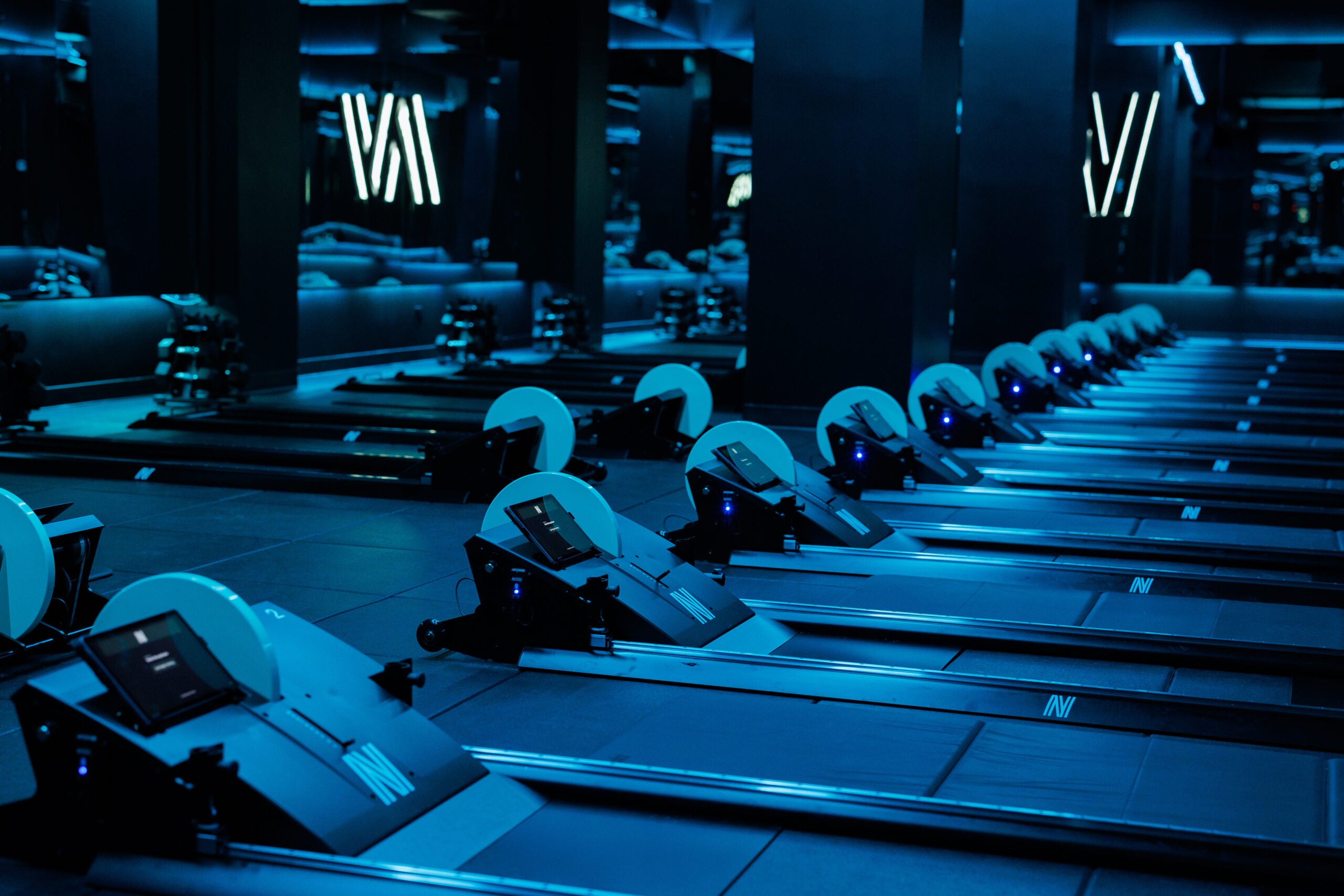
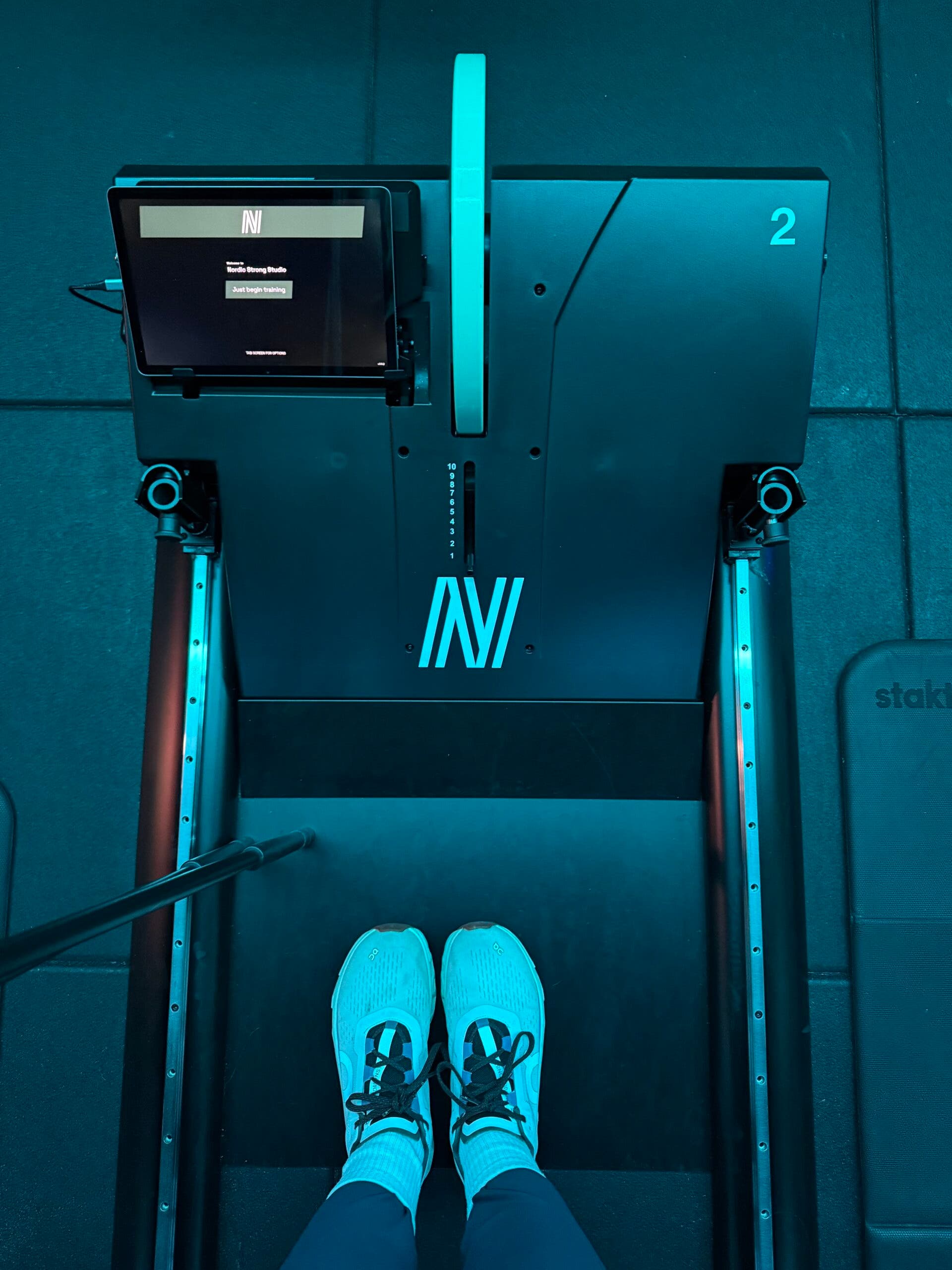
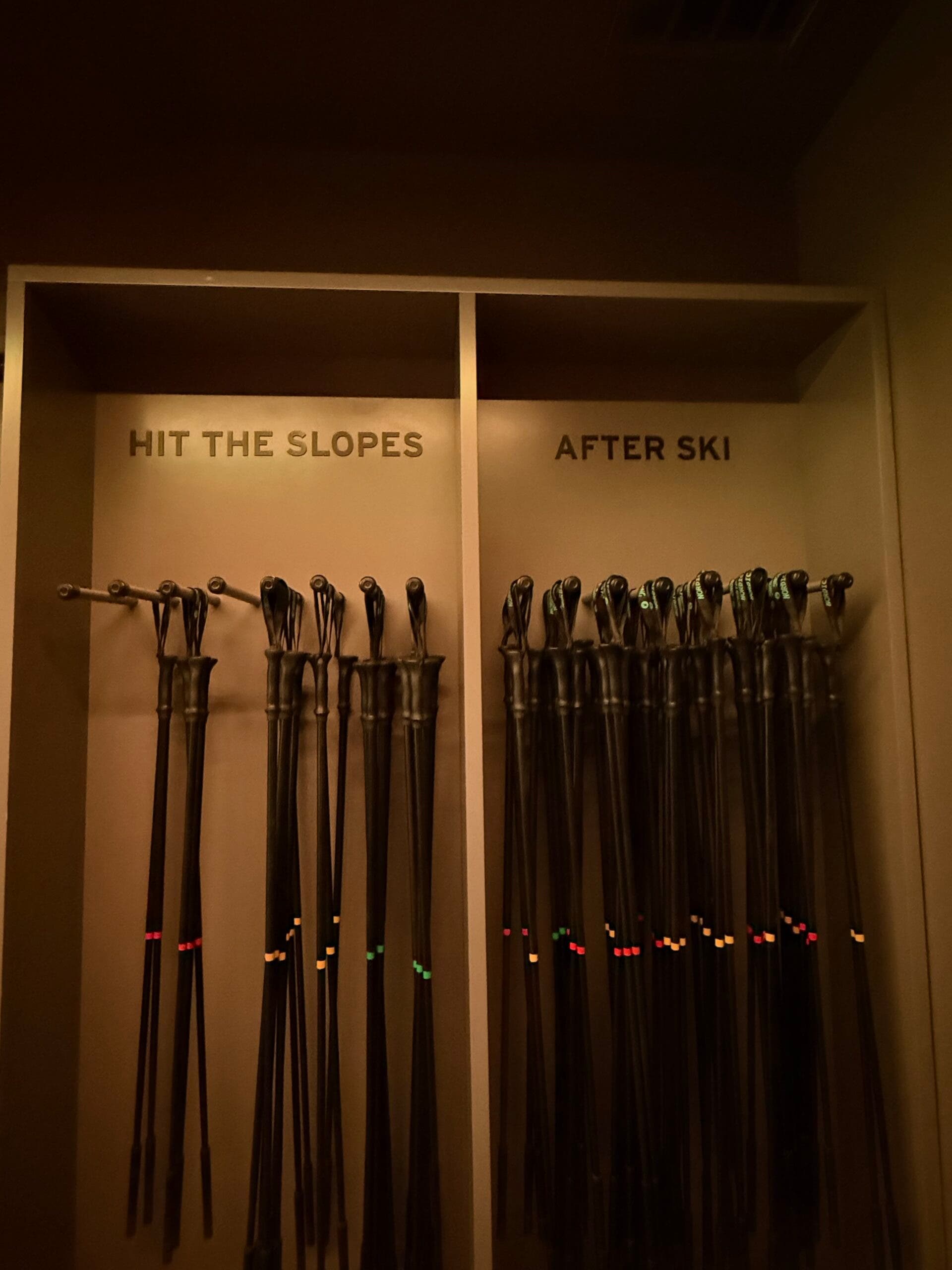
The centerpiece of the NRTHRN Strong methodology is the NRTHRN Trainer, a custom-engineered fitness machine designed to replicate the specific resistance and glide of snow. The apparatus resembles a hybrid of a rowing ergometer and a sliding platform. Users utilize specialized poles that are inserted into sockets on either side of the machine. These poles operate on a pulley or magnetic resistance system—similar to a rowing machine—allowing for a smooth, reciprocating motion that mimics the "double poling" or "diagonal stride" techniques used on the trail.
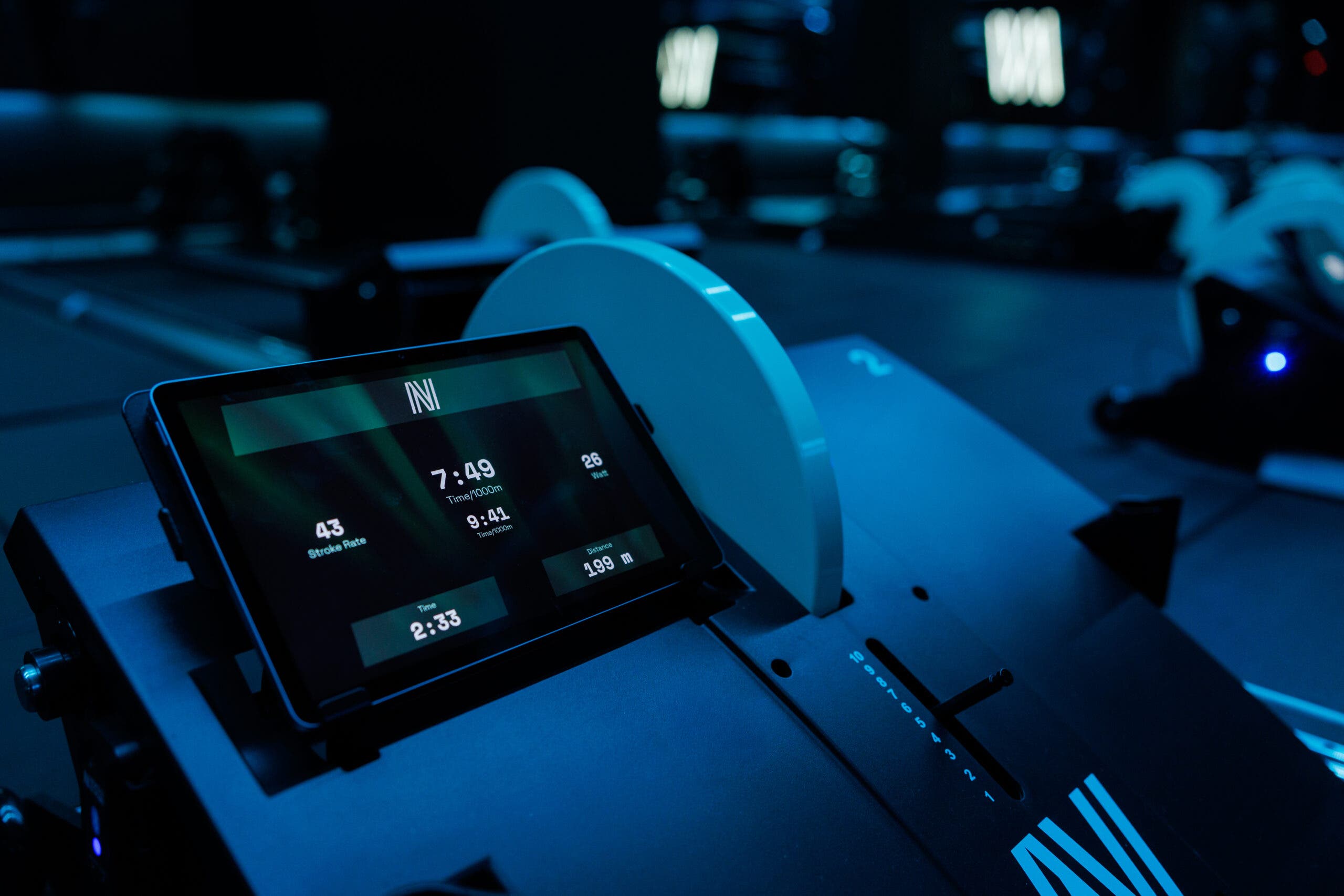
At the front of the trainer, a digital interface provides real-time biofeedback. This includes metrics such as stroke rate, elapsed time, distance covered, and pace per 1,000 meters. This data-driven approach allows participants to monitor their power output and consistency throughout the session. The engineering of the NRTHRN Trainer emphasizes a "user-controlled" resistance model, meaning the intensity of the workout is directly proportional to the force applied by the athlete. This design ensures that the movement remains low-impact, as there is no heavy weight-bearing or jarring force applied to the joints, making it a viable option for individuals with limited mobility or those recovering from impact-related injuries.
Chronology of Brand Expansion and the New York Launch
The journey of NRTHRN Strong began in Copenhagen, Denmark, a region with a deep cultural connection to Nordic skiing and functional fitness. After establishing a successful flagship studio in the Danish capital, the brand identified New York City as the primary location for its international debut. The New York studio, which opened in the winter of 2025-2026, was strategically placed in the Flatiron District, an area often referred to as the "Fitness District" due to its high concentration of boutique studios and health-conscious demographics.
The launch timeline was designed to coincide with the peak of the winter sports season, capitalizing on the heightened interest in skiing and the New Year’s fitness surge. Since its opening, the studio has operated seven days a week, offering a variety of class formats including "Strength," "Sculpt," and high-intensity interval training (HIIT). The introduction of this technology to the U.S. market represents a calculated move to capture a segment of the fitness population that has grown weary of high-impact treadmill or cycling classes and is looking for the "next frontier" in aerobic conditioning.
The HIIT Circuit: Class Structure and Methodology
The standard NRTHRN Strong session is a 50-minute experience that utilizes the principles of high-intensity interval training. The curriculum is typically divided into distinct blocks that alternate between the NRTHRN Trainer and floor-based exercises. A common circuit involves approximately ten minutes of sustained or interval-based work on the machine, followed by ten minutes of lower-body and core conditioning on a dedicated mat adjacent to the trainer.
During the machine intervals, instructors—such as the New York lead, Tyler—direct participants through various stroke rates and intensities. These segments often focus on explosive, plyometric-style movements to build power. The transition to the mat allows for targeted work on muscle groups that support skiing mechanics, such as the obliques, hip flexors, and stabilizing muscles of the ankles and knees. By rotating through these stations multiple times, the workout maximizes "time under tension" and keeps the heart rate elevated throughout the duration of the class. The environment is further enhanced by atmospheric lighting—frequently inspired by the Aurora Borealis—and high-energy music, creating a sensory experience that departs from the clinical feel of traditional gyms.
Accessibility and Inclusivity in Sport Simulation
One of the primary challenges facing the sport of cross-country skiing is its perceived difficulty and the technical skill required to navigate natural terrain. NRTHRN Strong addresses this by removing the elements of cold, wind, and uneven surfaces. Industry experts and kinesiology practitioners note that the sliding mechanism of the trainer functions similarly to a Pilates reformer, offering a controlled environment where the risk of falling is eliminated.
Because the machine is powered by the user’s own force, it is inherently scalable. A professional athlete can use the trainer for high-wattage power intervals, while a beginner can focus on rhythmic, low-resistance movement to improve cardiovascular health. This inclusivity is a cornerstone of the brand’s philosophy. Official statements from the studio emphasize that no prior skiing experience is necessary, as the fundamental movements are intuitive and the technical aspects are taught during the introductory phase of each class. This approach democratizes a sport that was once reserved for those with access to mountain resorts and expensive gear.
Broader Impact on the Boutique Fitness Industry
The rise of NRTHRN Strong is indicative of a larger shift in the $100 billion global fitness industry toward "low-impact, high-intensity" (LIHI) workouts. For years, the market was dominated by high-impact modalities like CrossFit and orange-theory style treadmill classes. However, as the "Zoomer" and "Millennial" cohorts age and become more injury-conscious, there has been a surge in demand for exercises that deliver metabolic results without the long-term wear and tear on the musculoskeletal system.
Furthermore, NRTHRN Strong represents the "gamification" and "simulation" trend in fitness. Much like Peloton revolutionized indoor cycling and Hydrow brought rowing into the home, NRTHRN is attempting to colonize the "Nordic" space. By providing a specialized machine that offers specific metrics, the brand creates a competitive and measurable environment that encourages retention. The "after-ski" culture—a term often used in the studio to describe the post-workout cool-down and community aspect—also taps into the social cravings of urban dwellers.
Implications for Off-Season Athletic Training
Beyond the general fitness enthusiast, the NRTHRN Trainer has significant implications for competitive winter athletes. Maintaining "ski fitness" during the summer months or in snowless urban environments has traditionally required roller skiing, which carries a high risk of injury due to pavement falls and traffic. The indoor trainer provides a safe, controlled alternative for maintaining the specific muscular endurance required for the sport.
Early feedback from participants who are also active skiers suggests that the machine effectively targets the "poling" muscles and the core stability required for balance on the snow. As climate change continues to make natural snow seasons shorter and more unpredictable, the reliance on indoor simulation technology is expected to grow. NRTHRN Strong’s presence in New York and Copenhagen may be the precursor to a wider network of studios that allow the "Nordic lifestyle" to thrive regardless of latitude or weather conditions.
Conclusion
NRTHRN Strong’s entry into the American market via New York City is more than just the opening of another gym; it is a testament to the evolving sophistication of the fitness consumer. By combining the scientifically proven benefits of cross-country skiing with modern HIIT principles and proprietary Danish engineering, the brand has created a unique niche. As the studio continues its seven-day-a-week operations in the Flatiron District, the data collected from its users will likely inform the next generation of sport-specific indoor trainers. Whether for the purpose of weight loss, athletic cross-training, or low-impact rehabilitation, the "Nordic movement" appears poised for sustained growth in the global metropolitan landscape.

