
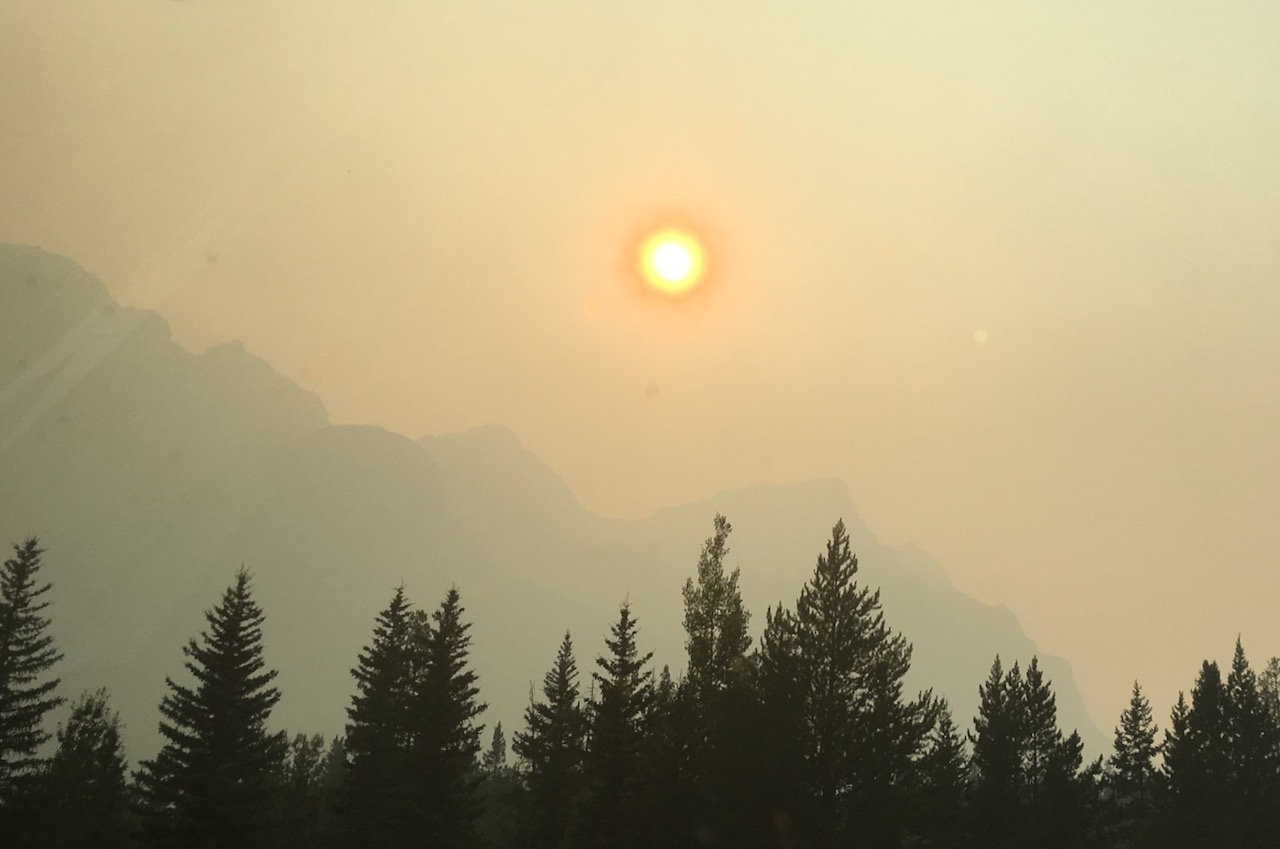
Steamboat, Colorado – July 17, 2026 – In an unprecedented and proactive measure against the encroaching Fishhook Fire, Steamboat Resort, a prominent ski destination in Colorado, has activated its extensive snowmaking system. This strategic deployment aims to create a vital firebreak and protect the resort’s infrastructure from potential wildfire escalation. The decision comes as the Fishhook Fire, ignited by a lightning strike on Sunday, July 12th, continues to burn in the vicinity of the resort’s operational areas.
The Escalating Threat of the Fishhook Fire
The Fishhook Fire, which began its destructive path approximately a week prior to the resort’s action, has been a growing concern for local authorities and residents. While initially several miles from the Steamboat Resort boundary, the unpredictable nature of wildfires, particularly in the dry conditions prevalent in Colorado during summer months, necessitated a swift and decisive response. The fire’s ignition on July 12th, attributed to a natural lightning strike, underscores the persistent wildfire risk faced by communities in the Western United States.
Steamboat Resort’s decision to utilize its snowmaking capabilities is a testament to the escalating severity of the wildfire threat and the innovative adaptation of existing resources. The resort has specifically focused its efforts on the Sunshine area, a key zone encompassing ski lifts and other critical infrastructure. By activating 41 snowmaking machines, the resort is actively wetting down trees and vegetation, aiming to create a significant buffer of moisture that can impede the fire’s progress. This "proactive precaution," as described by resort officials, represents a significant investment in safeguarding the future of winter tourism and the resort’s operational integrity.
A Chronology of Events and Resort Response
The timeline leading up to Steamboat Resort’s deployment of its snowmaking system highlights the rapidly evolving situation:
- Sunday, July 12th, 2026: The Fishhook Fire ignites in the vicinity of Steamboat Springs, Colorado, following a lightning strike. Initial assessments indicate the fire is several miles from the Steamboat Resort boundary.
- Early to Mid-Week of July: Firefighting efforts commence, with containment remaining a primary objective. However, dry conditions and potential for wind shifts create an uncertain outlook.
- Approximately July 15th-16th, 2026: As the Fishhook Fire continues to burn and its proximity to sensitive areas becomes a greater concern, Steamboat Resort management begins to evaluate contingency plans. The possibility of utilizing the snowmaking system is discussed as an extreme but necessary measure.
- July 17th, 2026: Steamboat Resort officially initiates the operation of its snowmaking system. Forty-one snow guns are activated in the Sunshine area, targeting trees and undergrowth to create a moisture barrier. This action is publicly framed as a "proactive precaution" against potential fire spread.
- July 20th, 2026: The article is last modified, indicating ongoing monitoring of the situation and continued operation of the snowmaking systems.
This chronological breakdown illustrates the resort’s measured yet urgent response to a developing natural disaster, demonstrating a commitment to preparedness beyond traditional wildfire mitigation strategies.
The Science Behind Snowmaking as a Firebreak
The effectiveness of snowmaking systems in combating wildfires lies in their ability to rapidly introduce large volumes of water into the environment. Snow guns, typically used to create artificial snow for skiing during colder months, are capable of producing a fine mist or larger water droplets that saturate vegetation. This saturation serves multiple purposes in wildfire suppression:
- Increased Fuel Moisture: Wetting down trees, shrubs, and ground cover significantly increases their moisture content. This makes them less susceptible to ignition and slows the rate of fire spread, as flames require dry fuel to propagate quickly.
- Reduced Flammability: Saturated vegetation is inherently less flammable. The water absorbs heat, making it more difficult for the fire to reach combustion temperatures.
- Creation of a Buffer Zone: By creating a persistently damp area, the snowmaking system effectively establishes a buffer zone around critical infrastructure. This zone acts as a physical and environmental barrier, potentially halting or significantly slowing the advance of flames.
- Cooling Effect: The process of evaporation from the saturated vegetation also has a cooling effect on the surrounding air, which can further hinder fire growth.
While snowmaking is not a conventional firefighting tool, its application in this scenario leverages existing technology for a novel purpose. The sheer volume of water that can be dispersed, coupled with the ability to target specific areas, makes it a powerful supplementary measure in extreme circumstances. The energy required to run these systems, especially during summer months, is substantial, underscoring the resort’s significant commitment to this protective strategy.
Broader Implications and Precedents
Steamboat Resort is not the first ski destination to explore innovative uses of its snowmaking technology in the face of environmental challenges. In recent years, as climate change exacerbates wildfire seasons in many mountainous regions, other resorts have considered or implemented similar measures. These instances highlight a growing trend of adaptation within the ski industry to address the impacts of a changing climate.
- Previous Deployments: While specific details of past deployments are often localized and may not receive widespread media coverage, the concept of using snow guns for fire mitigation has been discussed and, in some cases, implemented by resorts in drought-prone areas. These precedents provide a framework for understanding the feasibility and potential effectiveness of Steamboat’s current actions.
- Climate Change Context: The increasing frequency and intensity of wildfires in the Western United States are directly linked to rising global temperatures. Longer, hotter summers, reduced snowpack, and drier vegetation create an environment ripe for widespread fire events. This situation forces industries reliant on natural resources, like the ski industry, to confront these realities and develop new strategies for resilience.
- Economic and Environmental Considerations: The long-term viability of ski resorts depends on healthy ecosystems and predictable winter seasons. Wildfires can devastate natural landscapes, impacting wildlife, water resources, and the very aesthetic that draws tourists. Furthermore, the economic impact of a wildfire reaching a resort can be catastrophic, leading to closures, property damage, and loss of revenue. Therefore, proactive measures, even unconventional ones, are increasingly being viewed as essential investments.
- Resource Management Challenges: The use of snowmaking systems for fire prevention raises questions about water resource management, particularly in drought-stricken regions. While this specific deployment aims to protect valuable assets, the broader implications of significant water diversion for non-skiing purposes will likely continue to be a topic of discussion and regulatory consideration.
Official Statements and Community Reactions (Inferred)
While direct quotes from resort officials regarding this specific event are limited in the initial report, the designation of the snowmaking effort as "proactive precautions" suggests a calculated decision made to avert potential disaster. Inferred reactions from resort management would likely emphasize a commitment to guest and staff safety, as well as the protection of the resort’s significant investments in infrastructure and the local economy.
Community reactions, while not explicitly detailed, can be anticipated to range from concern and gratitude to potential questions about resource allocation. Residents living in the vicinity of Steamboat Springs would undoubtedly be monitoring the Fishhook Fire closely, and the resort’s visible efforts to mitigate risk would likely be viewed with a degree of appreciation. However, as with any significant resource deployment, discussions about water usage and prioritization might arise, particularly if drought conditions persist.
The success of Steamboat Resort’s strategy will ultimately be determined by the trajectory of the Fishhook Fire and the effectiveness of the created firebreak. This innovative approach, however, sets a precedent for how other ski resorts may adapt to the escalating threat of wildfires in an era of climate change, demonstrating a remarkable confluence of traditional winter sport preparation and urgent ecological adaptation. The resort’s commitment to utilizing its snowmaking assets in this manner underscores the evolving challenges faced by the tourism industry and the ingenuity required to ensure its future.

