
The 2025-26 winter season marks a significant milestone for the Northwest Avalanche Center (NWAC): 50 years of dedicated service to the Pacific Northwest, providing science-based avalanche forecasting, community-focused education, and an unwavering commitment to public safety. What began as a small, determined group of scientists at the University of Washington has burgeoned into a nationally recognized institution. This is the narrative of NWAC, detailing the visionaries, the formidable challenges, and the innovative spirit that forged one of the most trusted names in mountain weather and avalanche forecasting.

The Genesis of a Critical Need: Avalanche Forecasting in the 1970s
The latter half of the 20th century witnessed a dramatic surge in winter recreation across the western United States. This growing popularity, however, was accompanied by a tragic increase in avalanche fatalities, escalating from an average of seven per year in the preceding decades to over twenty. Despite advancements in avalanche control programs and safety education, the expanding human footprint in avalanche-prone terrain amplified the inherent risks.
In response to this escalating danger, early informal warnings began to emerge. Paul Frankenstein of the Forest Service’s Snoqualmie National Forest and Frank "Bud" Reanier of the National Weather Service (NWS) in Seattle took it upon themselves to issue rudimentary avalanche advisories during periods of extreme hazard. Yet, a formal, structured forecasting system remained conspicuously absent. The landscape began to shift in the early 1970s when Ken White, also with the Forest Service, spearheaded the creation of the Northwest’s first avalanche hotline: 442-SNOW. Initially serving the Snoqualmie Pass area, this pioneering initiative represented a crucial step towards the comprehensive, real-time forecasting network that is indispensable today.
The Birth of NWAC: Where Science Met Urgency
The mid-1970s marked the inception of a pivotal collaboration between the Snoqualmie National Forest, Mount Rainier National Park, and the Seattle office of the National Weather Service. At the core of this initiative were dedicated researchers from the University of Washington, most notably the esteemed snow scientist Ed LaChapelle and his graduate students Mark Moore and Rich Marriott. Their collective mission was ambitious: to develop a practical and effective avalanche forecasting program that could directly support highway operations, particularly along the critical Interstate 90 corridor and the newly opened North Cascades Highway. These routes, vital arteries for regional transportation, were also notoriously susceptible to devastating avalanche events.
December 6, 1975: The Dawn of Official Forecasting
What commenced as a temporary research endeavor rapidly evolved into a fully operational program. On December 6, 1975, NWAC issued its inaugural official backcountry avalanche forecast. This momentous occasion positioned NWAC as the second organization of its kind in the United States, following Colorado’s Avalanche Information Center (CAIC), which had been established in 1973. The foundational work of Rich Marriott and Mark Moore, then graduate students, formed the bedrock of this critical effort. Collaborating closely with Ed LaChapelle and Bud Reanier, they were instrumental in issuing forecasts, developing essential instrumentation, and fostering vital relationships with local and federal agencies.
The Formative Years: NWAC Takes Shape (Late 1970s – 1980s)
The late 1970s ushered in a new era for NWAC with the establishment of a formal cooperative agreement in 1978. This agreement solidified partnerships between the Forest Service, the National Weather Service, the Washington State Department of Transportation (WSDOT), and the National Park Service. A key figure in this development was Roland "Em" Emetaz, whose strong advocacy within the Forest Service was instrumental in securing the necessary support to launch NWAC. This cooperative framework facilitated cost-sharing and formalized the program’s administration under the Forest Service’s Pacific Northwest Regional Office.
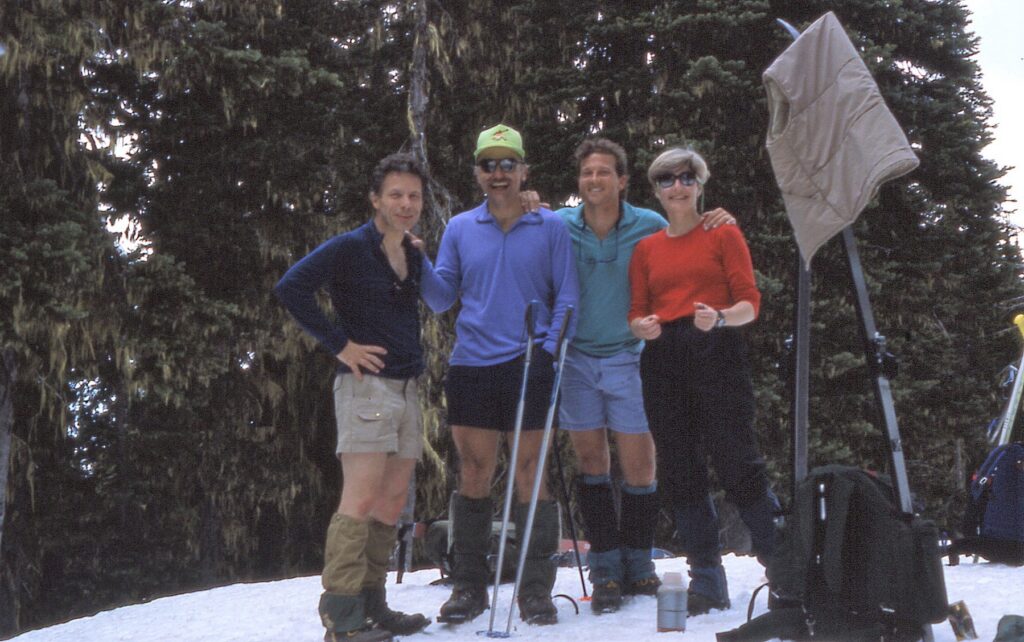
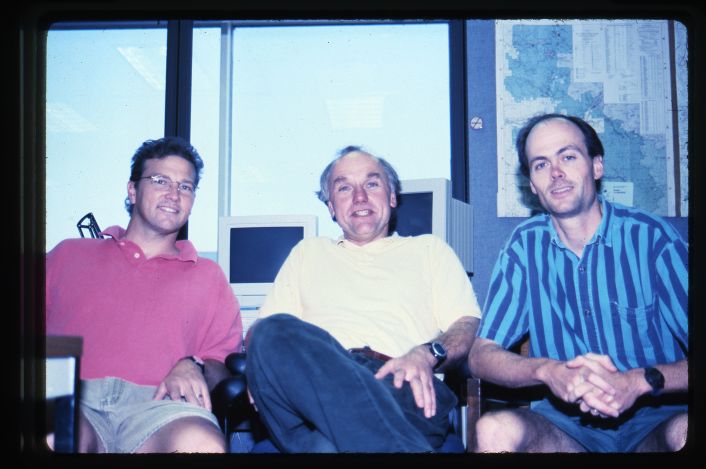
In its nascent stages, NWAC operated with a lean but dedicated team. The original NWAC team of the 1970s and 1980s included:
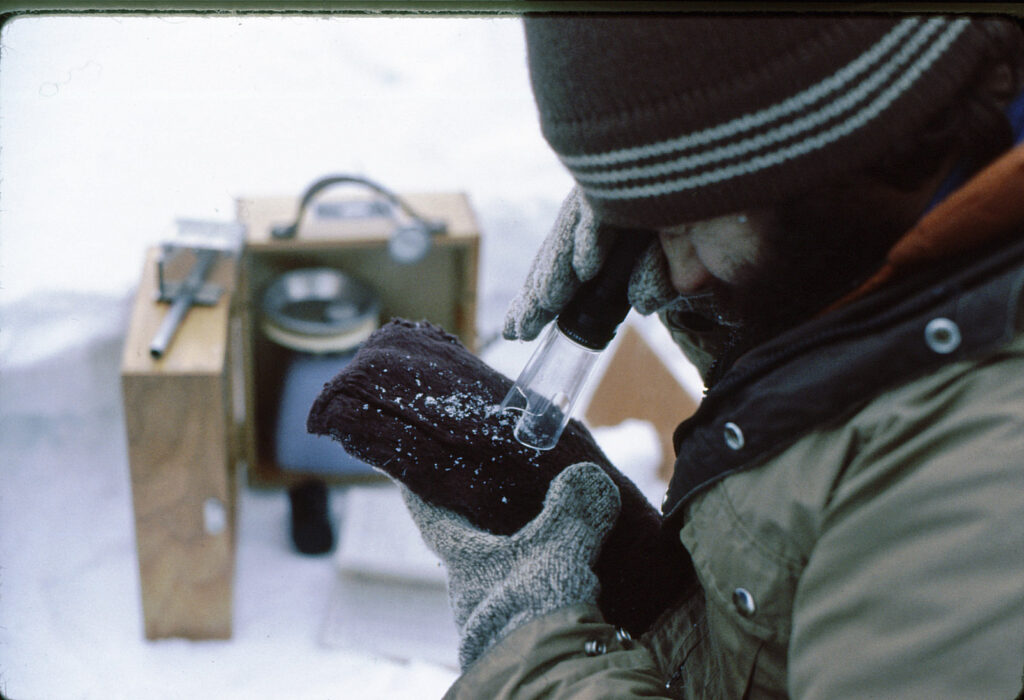
- Mark Moore: A driving force from the program’s inception, Moore dedicated his entire career to NWAC, retiring in 2012 after championing the center’s growth and development.
- Rich Marriott: A co-founder, Marriott later transitioned to a distinguished career in broadcast meteorology in the Puget Sound region, becoming a familiar face on KING 5 News for over three decades.
- Ed LaChapelle: A pioneering snow scientist and influential mentor.
- Bud Reanier: A crucial supporter from the National Weather Service.
- Paul Frankenstein: An early advocate from the Forest Service.
- Ken White: Initiator of the first avalanche hotline.
- Roland "Em" Emetaz: Instrumental in formalizing NWAC’s relationship with the Forest Service.
Additional forecasters who left indelible marks during these early decades included Pam Speers Hays and Sue Ferguson.
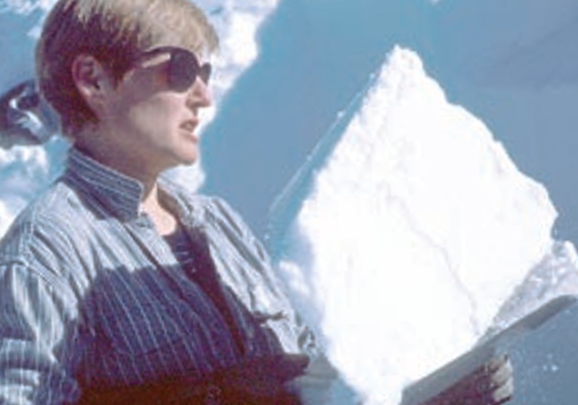
Sue Ferguson, in particular, was a towering figure in the snow science community. Holding a BS in Physics from the University of Massachusetts and a PhD in Geophysics and Atmospheric Sciences from the University of Washington, she was mentored by Ed LaChapelle. Ferguson served as the Director of the Utah Avalanche Center from 1984 to 1986 and then as an avalanche meteorologist at NWAC from 1986 to 1992. Her contributions extended beyond forecasting; she published influential instructional books on glaciers and avalanches, played a pivotal role in founding The Avalanche Review, and was instrumental in establishing the American Avalanche Association. Her tragic passing from cancer in 2005 was a profound loss. Mark Moore memorialized her in The Avalanche Review, noting her "precocious and a quick learner" with a "great ability to gain a broad and reasoned perspective on whatever task she took upon herself to discover."
Beyond the forecasting team, the contributions of Phil Taylor, a local Seattle engineer, were indispensable to NWAC’s success and longevity. Taylor, who first connected with Moore and Marriott at the University of Washington in the 1970s, dedicated himself to designing, testing, and constructing vital weather instruments. Many of the wind instruments, snow boards, and other mountain weather monitoring equipment developed by Taylor remain in use by NWAC today. His instruments are deployed not only across the Cascades but also on remote peaks facing extreme weather conditions. Taylor spent countless hours collaborating with NWAC staff and other snow professionals, meticulously refining equipment to withstand the harsh Pacific Northwest environment. Andy Harrington, a current NWAC Avalanche Forecaster, acknowledged Taylor’s often-overlooked impact, stating, "To say that his contributions to our industry are overlooked would be an understatement. Although never in the spotlight, he worked closely with some of the pioneers of our industry to create instrumentation that helps us all perform our jobs better. The tools and guidance he provided over the years have allowed so many of us to better understand factors that contribute to avalanches in the mountains."
Innovation on a Shoestring Budget
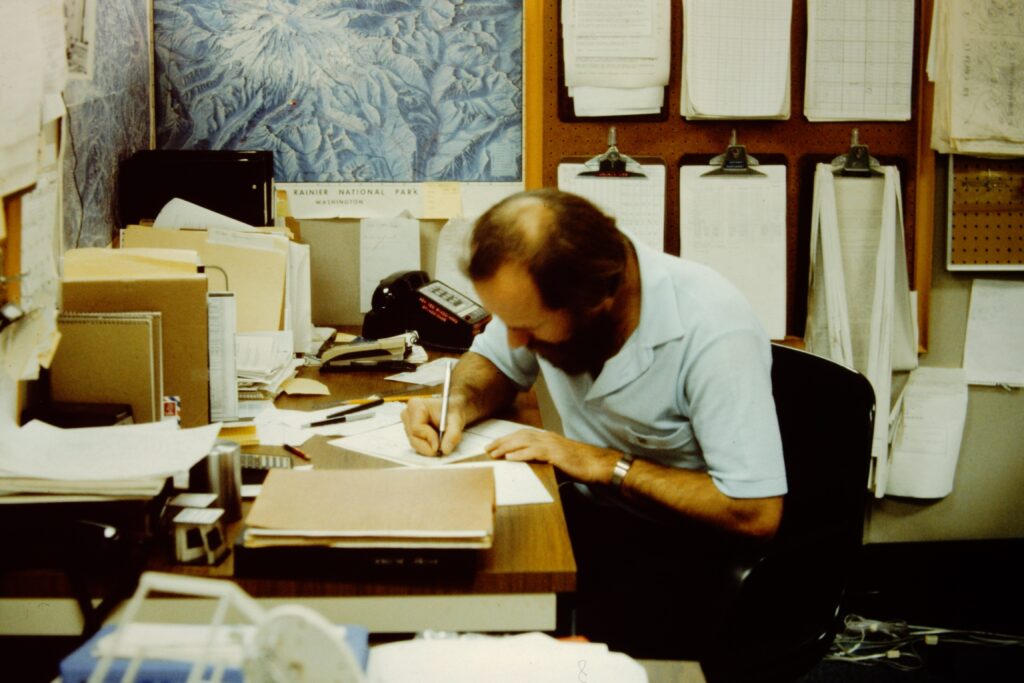
Operating without the benefit of modern budgets or advanced technological tools, early NWAC staff demonstrated remarkable ingenuity and resourcefulness. They frequently manufactured and repaired their own weather instruments, a testament to their dedication. Mark Moore recalled the logistical challenges, noting, "We had to lease a [phone] line between Seattle and Stevens Pass. We had our own line for feeding information all the time," supplemented by a rudimentary modem that decoded weather data transmitted via chairlift, over phone lines, to the NWAC office. When equipment inevitably failed, creative solutions were the norm, often involving repurposed materials and a healthy dose of improvisation.
Gaining Traction: Winning Over the Weather Service
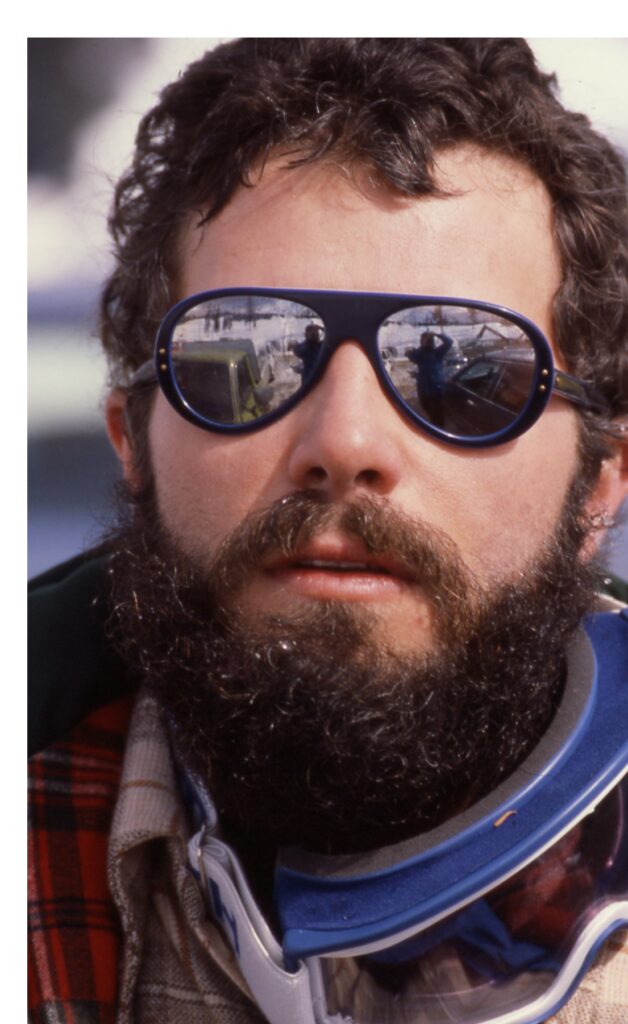
The co-location of NWAC with the Seattle National Weather Service office in 1978 was met with initial skepticism. Rich Marriott humorously recounted, "The forecasters didn’t like us. Mark and I looked like we had just come out of the backcountry after two years—huge hair, huge beards. They wanted to have us deloused." However, the persistent delivery of high-quality mountain observations and the expanding data network gradually proved invaluable. Even the most resistant NWS forecasters came to recognize the program’s critical importance. A significant factor in this acceptance was the unwavering support of Bud Reanier, then Deputy Meteorologist-in-Charge at NWS Seattle, who deeply believed in the program’s potential and actively facilitated NWAC’s integration into the broader forecasting community.
Expansion and Professionalization: The 1990s and 2000s
For several decades, NWAC maintained a core team of three forecasters, diligently refining their forecasting methodologies and systematically expanding their network of mountain weather stations. A pivotal development occurred in 1999 with the establishment of the nonprofit Friends of the Northwest Weather and Avalanche Center. This organization was created to bolster the center’s burgeoning public education initiatives and fundraising efforts. Subsequently, this community-driven nonprofit merged with the Forest Service’s NWAC operations, creating a unified operational structure.
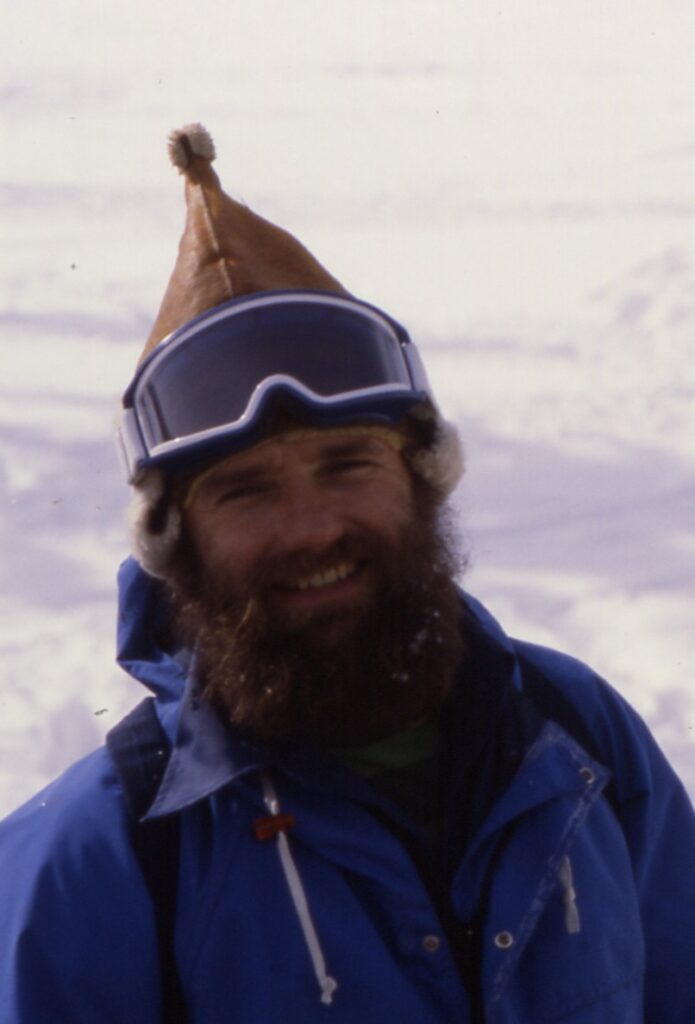
Alongside Mark Moore, two forecasters became integral to NWAC’s operational backbone for nearly three decades: Kenny Kramer (serving from 1989 to 2019) and Garth Ferber (serving from 1993 to 2016). Garth Ferber, known for his calm and consistent demeanor, approached both forecast desk duties and expeditions to remote mountain ranges with the same steady resolve. In the latter part of his tenure, Ferber took a leading role in NWAC’s weather station program, providing mentorship to a new generation of forecasters that extended well beyond his retirement. Kenny Kramer ascended to the position of NWAC Forecast Director in 2013. While renowned for his exceptional weather and avalanche forecasting acumen, Kramer harbored a deep affection for beach locales and surfing.
The 2010s saw NWAC, under the leadership of individuals like Kramer, along with Scott Schell (NWAC’s Non-Profit Executive Director), Dennis D’Amico (current NWAC Forecast Director), and Simon Trautman (now Director of the National Avalanche Center), lay the groundwork for significant transitions and expansion. This period coincided with a surge in backcountry recreational use and rapid technological advancements.
In 2013, NWAC expanded its operational capacity by establishing a field-based professional observer program comprising six individuals, including Dallas Glass, NWAC’s current Forecast Deputy Director. The center continued its steady growth, with an almost annual increase in field and community-based avalanche forecasters. This expansion saw the team grow from its historical baseline of three meteorologists to a total of eleven forecasters, strategically positioned from Bellingham to Hood River and from Seattle to Leavenworth, enhancing the reach and granularity of their forecasting efforts.
NWAC Today: A Hub of Innovation and Impact
Presently, NWAC operates with a robust team of:
- 11 professional avalanche forecasters, a significant increase from its early days.
- A network of over 100 automated weather stations strategically deployed across the region.
- A dedicated community of over 1,000 trained avalanche observers contributing vital ground-truth data.
- An extensive outreach program that educates thousands of backcountry enthusiasts annually.
Collectively, NWAC has achieved the following milestones:
- Issued over 1,300 avalanche forecasts annually, providing critical safety information.
- Developed and maintained a comprehensive database of snowpack and weather observations.
- Expanded its public education programs, reaching a broad spectrum of winter recreationists.
- Fostered strong collaborations with numerous federal, state, and local agencies, as well as private organizations.
NWAC’s enduring success is also attributed to the unwavering support of its long-standing partners, including:
- The U.S. Forest Service
- The National Weather Service
- The National Park Service
- The Washington State Department of Transportation (WSDOT)
- The Forest Protection Association
- The Northwest Ski Areas Association
- The Washington Trails Association
Charting the Future: The Next 50 Years
From improvised field repairs to sophisticated modeling and widespread smartphone accessibility, NWAC has consistently demonstrated a commitment to innovation. The journey from two young scientists painstakingly crafting an avalanche forecast to a sophisticated center issuing over 1,300 forecasts annually, educating thousands, and garnering millions in community support over decades, underscores its vital role. As an increasing number of individuals venture into the backcountry, NWAC’s mission remains more critical than ever.
NWAC stands as a reflection of the Pacific Northwest community itself—resilient, resourceful, and deeply committed to mutual safety. As the center celebrates its 50th anniversary, it honors the pioneers who laid its foundation, the partners who sustained its operations, and the public who embraced its guidance. Looking ahead to the next half-century, NWAC remains steadfast in its conviction that informed recreation is life-saving recreation. Whether individuals are ascending a quiet ridge, navigating a snow-laden highway, or imparting avalanche safety knowledge to others, they are an integral part of NWAC’s ongoing narrative. The center expresses pride in its past, gratitude for the unwavering support received, and profound excitement for the future.

