
The South American Cup (SAC) speed series, held from September 1 to 4, 2026, at the La Parva ski resort in Chile, served as a pivotal testing ground for both emerging talent and established World Cup veterans. Hosted on the technical and demanding Barros Negros course, which features a vertical drop of 550 meters—descending from 3,560 meters to 3,010 meters—the event provided a high-altitude laboratory for athletes preparing for the upcoming Northern Hemisphere winter season. While FIS officially classifies these results as part of the 2027 season, the competition offered a stark look at the current hierarchy in alpine speed disciplines.
The four-day event saw a remarkable display of dominance from the German national program, with junior world champions sweeping the men’s events, while a fierce head-to-head rivalry defined the women’s podiums. The racing at La Parva provided not just points toward the continental title, but also critical FIS point reductions for athletes looking to secure better starting positions for the World Cup circuit.
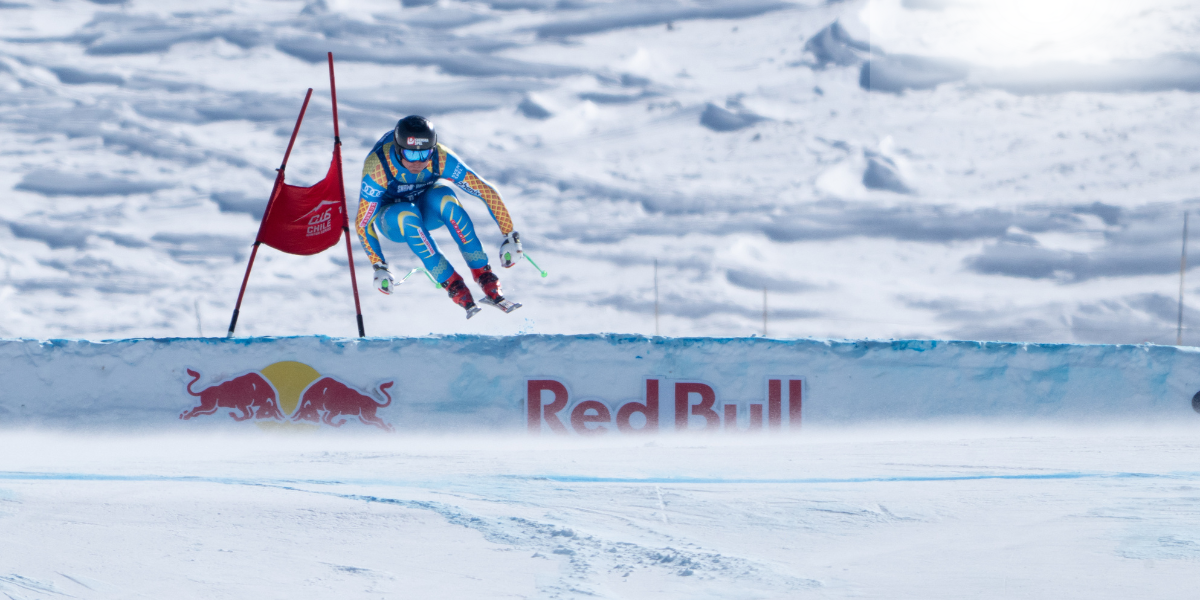
The Women’s Duel: Cutler and Novakova
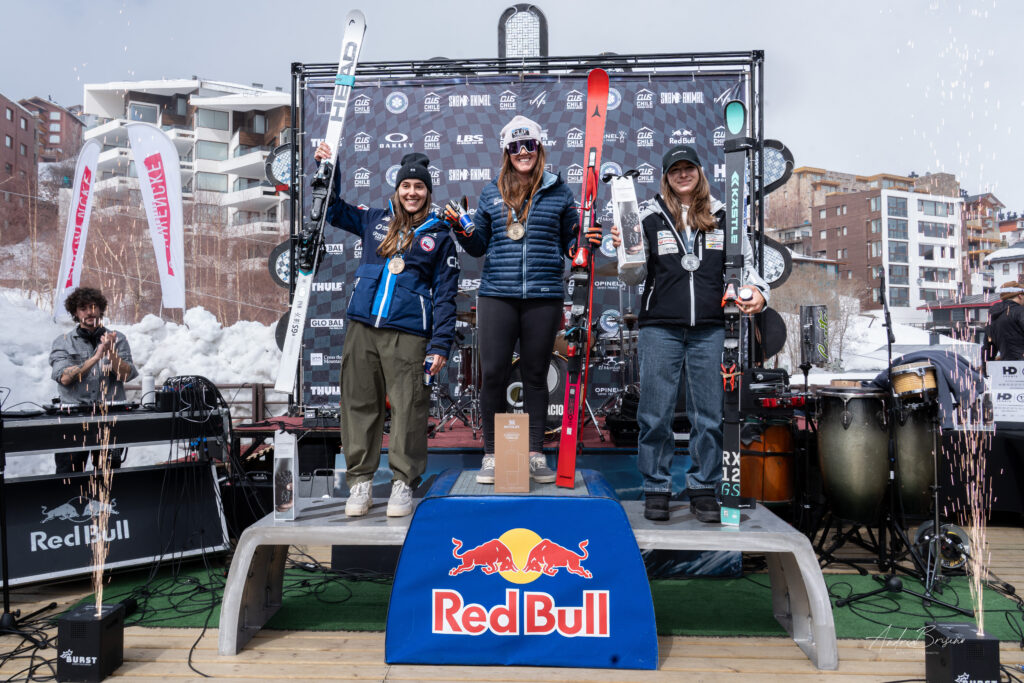
The women’s speed series became a masterclass in consistency and tactical adjustment, centered on the rivalry between American independent racer Haley Cutler and Czech Olympian Barbora Novakova. Cutler, who has been steadily ascending the international ranks since her collegiate career at the University of New Mexico and Montana State, entered the series with significant momentum. Her progression from scoring her first World Cup point in March 2025 to securing seven top-30 finishes during the 2025-26 season—highlighted by a 20th-place finish in the St. Moritz downhill—signaled that she was a serious threat on the Barros Negros track.
The opening downhill on September 1 saw Cutler claim the top spot, clocking a winning time that bested Novakova by a narrow 0.11-second margin. This victory, supported by a strong third-place finish from local favorite Matilde Schwencke, set the tone for the series. However, the lead was short-lived. By September 2, Novakova had recalibrated her lines. The Czech athlete, who demonstrated her potential with a 14th-place finish in the super-G at the 2026 Cortina d’Ampezzo Olympics, surged to win the second downhill by a mere six-hundredths of a second.
This reversal of fortune initiated a three-race winning streak for Novakova. Following her downhill victory, she swept both super-G races held on September 3 and 4. Despite the string of second-place finishes, Cutler’s consistency was arguably the story of the week; she concluded the four races with one victory and three runner-up performances, never finishing outside the top two. Her losses to Novakova were consistently slim—0.06, 0.44, and 0.26 seconds—highlighting a competitive parity that suggests both athletes will be factors in the upcoming World Cup winter.
German Men’s Dominance: The Junior World Champion Effect
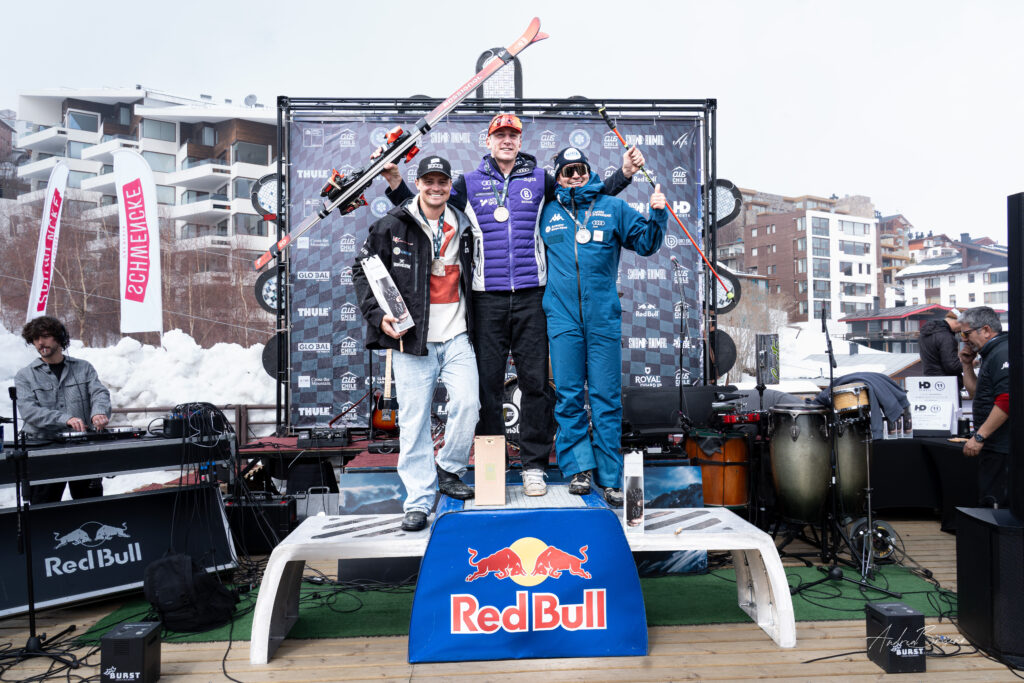
While the women’s field saw a back-and-forth tactical battle, the men’s side was defined by the clinical efficiency of Germany’s rising speed stars. Felix Roesle, the reigning junior world downhill champion, arrived in Chile with a clear objective: to cement his status as a contender for the senior circuit. Roesle executed a flawless downhill campaign, winning both races on September 1 and 2. His ability to navigate the Barros Negros course, characterized by high-speed glides and technical transitions, allowed him to beat seasoned World Cup veteran Matthieu Bailet of France by 0.37 and 0.33 seconds respectively.
Following the downhill, the transition to super-G brought Benno Brandis to the forefront. Brandis, who captured the 2025 junior world super-G title, continued the German winning streak by taking the top spot in both super-G races. His performance was characterized by an aggressive, high-risk style that narrowly edged out Swedish veteran Felix Monsen in the first race by three-hundredths of a second and held off a late charge from Bailet in the final race by just 0.06 seconds.
The German success in La Parva is not an anomaly but rather the result of a concerted effort by the German ski federation to integrate their junior world champions into the senior speed structure early. By utilizing the South American Cup to gain race-specific mileage, these athletes are effectively shortening the bridge between junior success and senior, podium-level performance.

The American and International Perspective
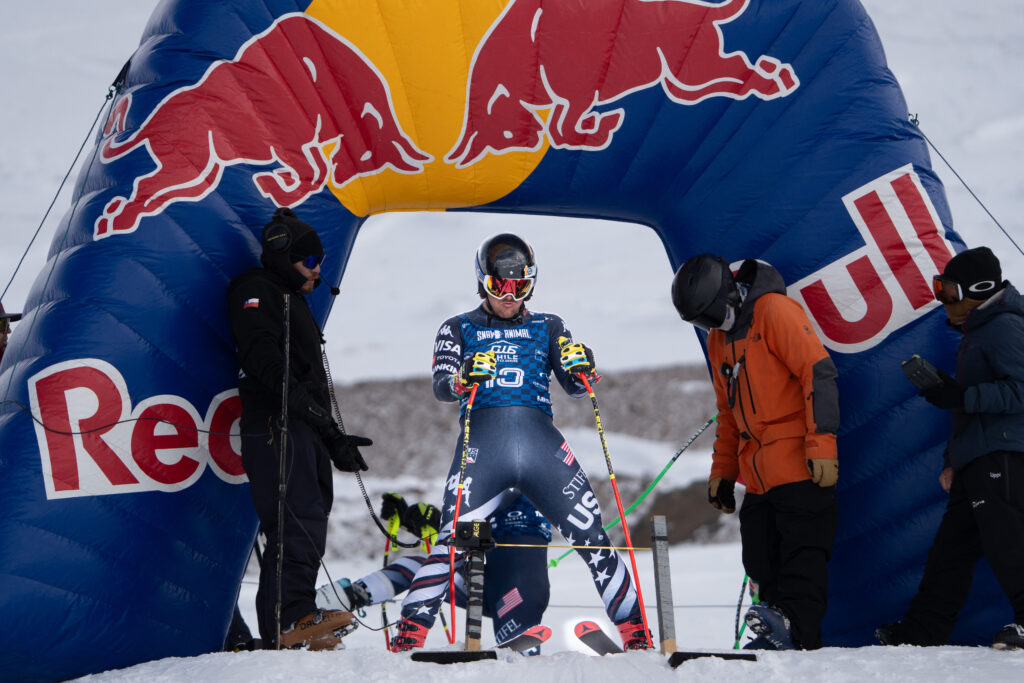
The presence of the Stifel U.S. Ski Team and various independent racers added depth to the international field. For the U.S. men, the series provided an opportunity for development-level athletes to compete against a field that included World Cup regulars like Bailet and Slovenia’s Nejc Naralocnik. Sam Morse, a former Dartmouth College standout and 2017 junior world downhill champion, served as a benchmark for the American contingent, finishing 11th in the opening downhill.
Younger Stifel U.S. Ski Team members, including Isaiah Nelson, Aksel Lindenmeyr, and Jeremy Nolting, gained valuable experience on the technical track. Notably, 19-year-old Mattias Wilson made an impression with a sixth-place finish in the second downhill, proving that the next generation of American speed skiers is capable of competing in high-caliber fields. Isaiah Nelson, in particular, demonstrated resilience in the super-G, improving his FIS point standing by moving from a seventh-place finish to fourth, falling just 0.12 seconds short of the podium in the final event.
For the Canadian contingent, the focus remained on recovery and refinement. Stefanie Fleckenstein, competing as an independent, continued her long-term comeback from a complex tibia fracture sustained in late 2023. Her performance in La Parva was a statistical success; she steadily lowered her FIS point result from 78.18 to 61.74 by the final race, a clear indicator that she is regaining the form that once made her a consistent performer on the world stage.
Technical Analysis and FIS Point Implications
The Barros Negros track at La Parva is widely regarded by FIS officials as one of the best training and racing venues in the Southern Hemisphere. Its length and varying terrain mimic the challenges found on the European World Cup circuit. The race penalties, which fluctuated based on the strength of the field, reflect the high caliber of competition. For example, the men’s races maintained a consistent 15.00 penalty, indicating a deep field of high-level athletes.
The significance of these races goes beyond simple medals or standings. For athletes outside the top-ranked world groups, the South American Cup is essential for "point chasing." By securing lower FIS points, these athletes improve their ranking, which in turn secures them more favorable bib numbers for the upcoming season. A better bib number—usually one of the first 30—is critical in speed events, where course deterioration can significantly impact performance. The results from La Parva suggest that the athletes who competed there have gained a distinct advantage in their preparations for the winter.
Looking Ahead: The Road to Corralco
The La Parva series represents the first half of the speed discipline schedule for the South American Cup. With two downhills and two super-Gs remaining, the discipline titles are far from decided. The circuit is set to conclude at Corralco, Chile, from September 22 to 26, 2026. This final stretch will be the last opportunity for athletes to refine their setups before departing for the Northern Hemisphere.
The implications for the 2027 season are significant. The form shown by Novakova and Cutler suggests a high-level contest for the SAC overall speed title, while the German men have set a high bar that the rest of the field will be eager to challenge in the high-altitude terrain of Corralco. As the athletes transition to the final leg of the South American summer, the focus will shift toward durability and consistency, ensuring that the momentum gained in La Parva translates into competitive results when the World Cup season commences in late autumn.
The performances in Chile have effectively confirmed that the gap between the junior and senior levels is closing, as younger racers are increasingly comfortable navigating the technical demands of international-level speed tracks. The upcoming races in Corralco are expected to be the final definitive indicator of who will be ready to make a significant impact on the World Cup stage in the months to follow.

