
The pursuit of an efficient, full-body cardiovascular and strength workout has long driven fitness enthusiasts toward high-impact running, high-resistance cycling, or traditional weight training. However, fitness modalities modeled after winter sports—specifically cross-country skiing—have emerged as prominent alternatives in metropolitan fitness markets. The opening of specialized studios like NRTHRN Strong in New York City’s Flatiron district highlights a broader trend: the adaptation of outdoor endurance sports into accessible, indoor group-fitness formats. By leveraging specialized machinery that mimics the biomechanics of nordic skiing, urban fitness centers are introducing low-impact, high-intensity interval training (HIIT) to demographics that may have limited access to natural snow environments.
Main Facts and the Urban Training Phenomenon
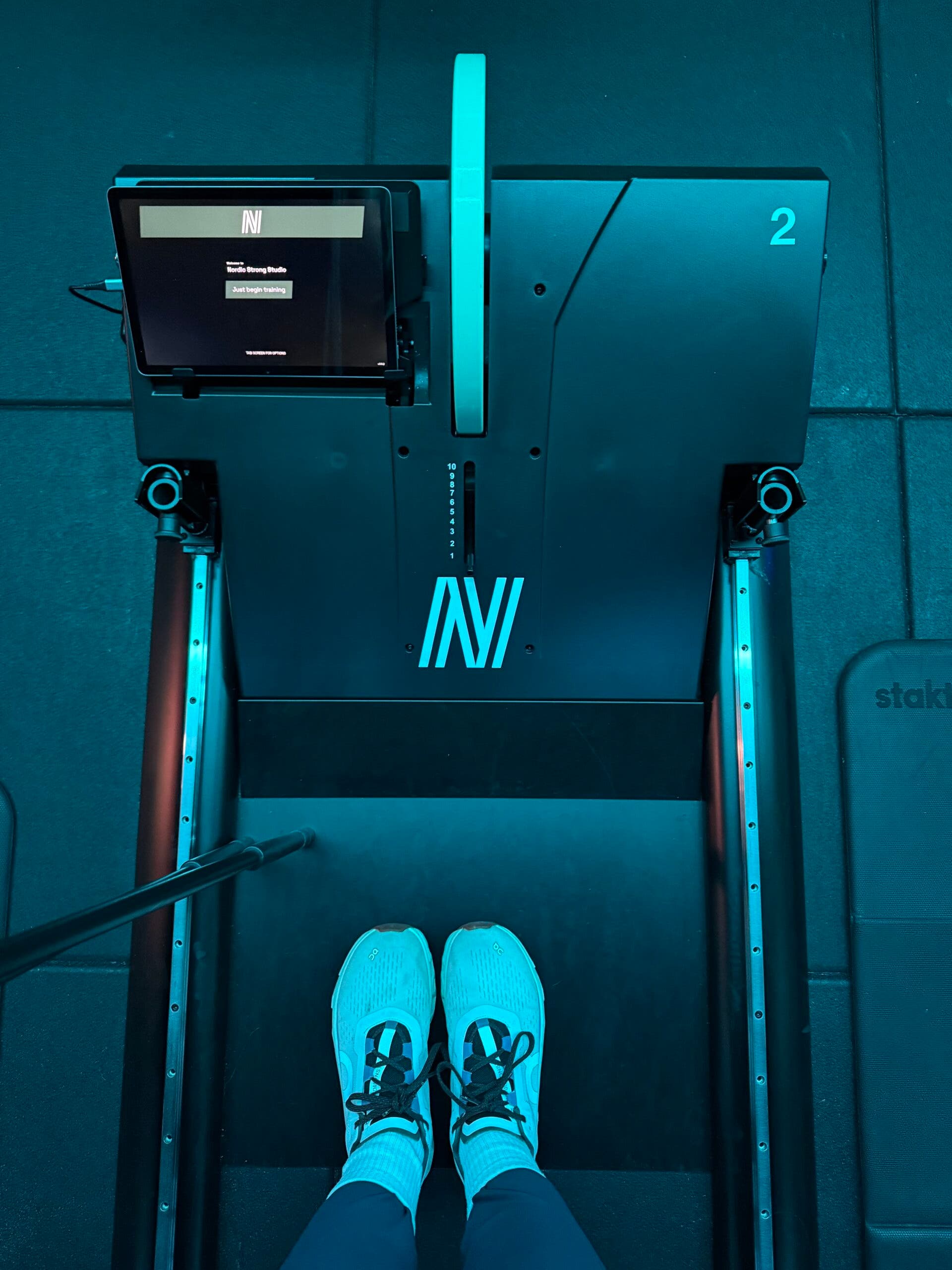
NRTHRN Strong, a Danish fitness concept originally established in Copenhagen, officially introduced its specialized workout methodology to the United States with the launch of its Manhattan studio. The core of the workout centers on a patented, custom-engineered apparatus known as the NRTHRN Trainer. Visually and mechanically, the device resembles a hybrid between a rowing ergometer and a sliding platform, integrated with authentic cross-country ski poles.
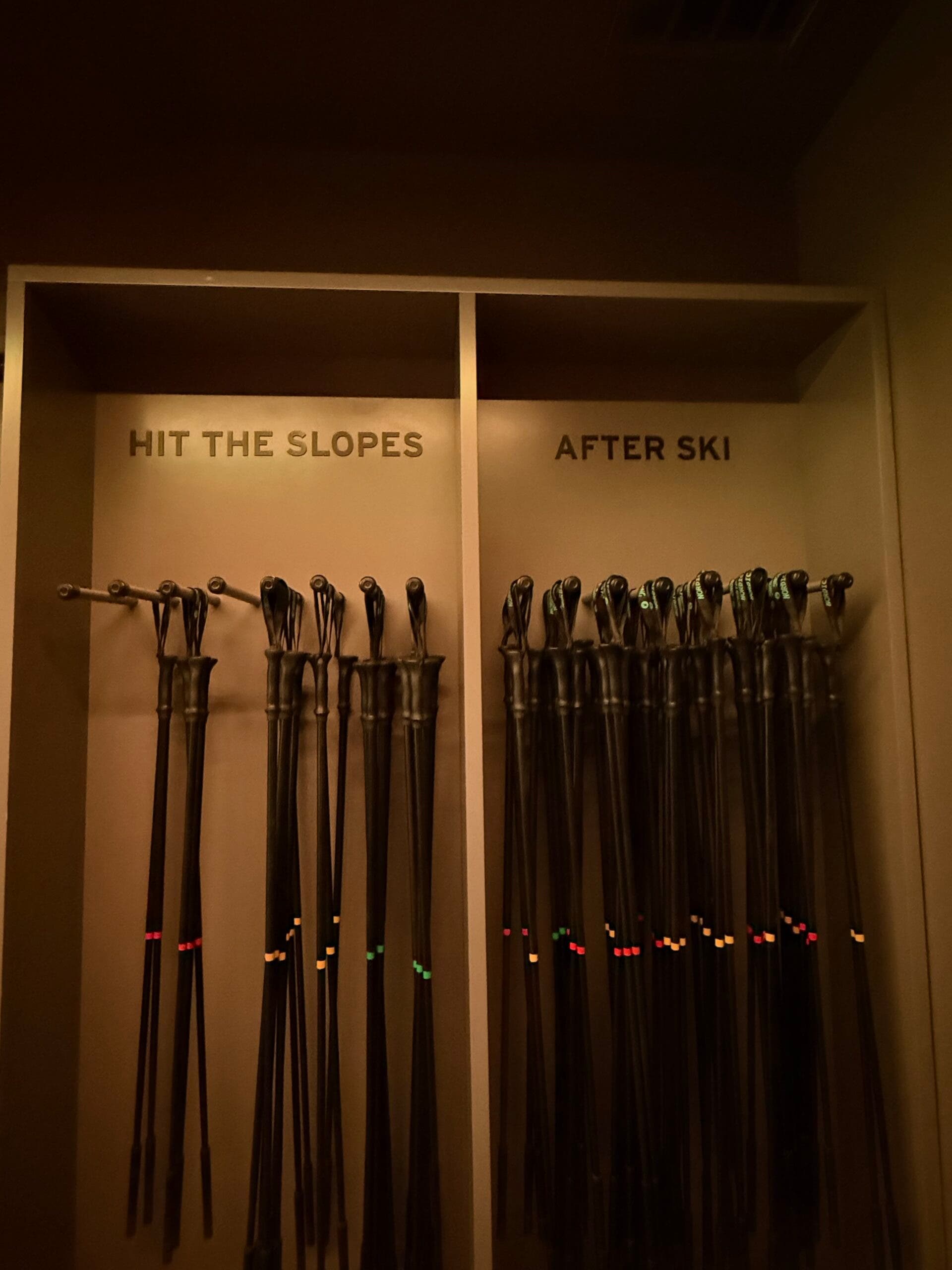
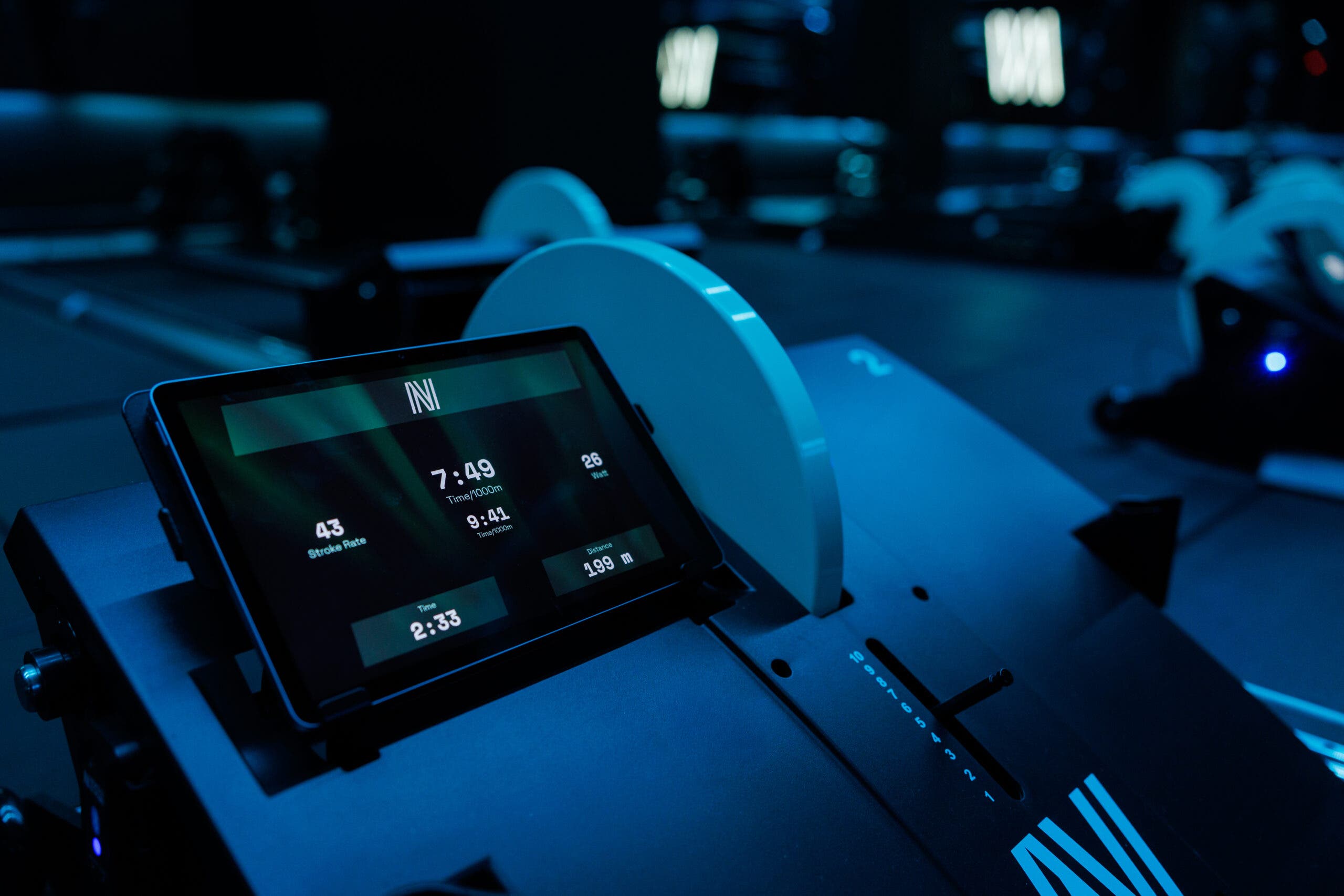
Unlike traditional cardio equipment that isolates specific muscle groups, the NRTHRN Trainer requires the synchronized engagement of the cardiovascular system, arms, legs, back, core, and stabilizing muscles. Participants use poles that insert into specialized side sockets, sliding backward and forward in a controlled motion that mirrors classic and skate-skiing techniques. A digital console mounted at the front of the unit tracks real-time performance metrics, including stroke rate, elapsed time, distance, and pace per 1,000 meters.
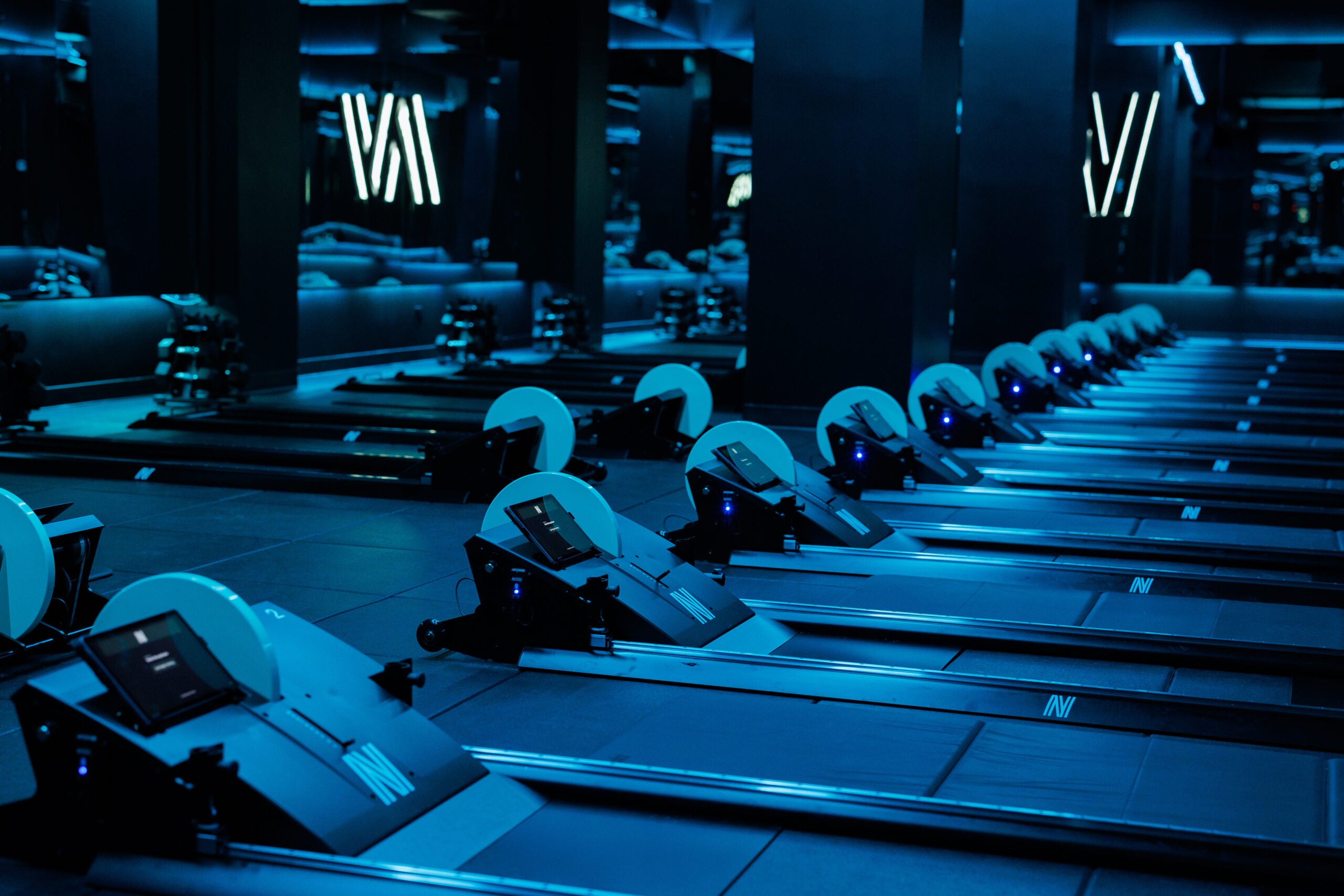
The studio environment is specifically curated to enhance the workout experience, featuring moody, auroral lighting reminiscent of the Northern Lights and high-energy instruction. Classes are structured as 50-minute HIIT circuits, alternating between high-intensity intervals on the ski trainers and strength-focused mat exercises targeting the lower body and core.
Chronology and Background Context of the Movement
The translation of cross-country skiing into an indoor gym environment builds upon decades of athletic conditioning methods. Historically, professional nordic ski athletes have utilized dry-land training devices—such as ski ergs and sliding boards—to maintain cardiovascular capacity and upper-body power during the off-season. Over the past ten years, commercial fitness equipment manufacturers have recognized the market potential for these machines, adapting them for general consumer use.
The establishment of dedicated group-fitness studios utilizing these machines represents the next evolutionary phase. While indoor rowing studios gained massive popularity in the 2010s, followed by specialized cycling and reformer Pilates boutiques, snow-sport simulation represents a relatively untapped sector in the boutique fitness landscape.
NRTHRN Strong’s expansion from Scandinavia to New York City marks a strategic entry into the competitive U.S. fitness market. By positioning the Flatiron studio in a densely populated neighborhood known for trendsetting wellness concepts, the brand has introduced the concept to both seasoned cross-country skiers and complete novices. Because the studio is newly introduced to the North American market, instructors actively foster an inclusive environment where participants of all skill levels learn the mechanics simultaneously, mitigating the intimidation factor often associated with specialized athletic equipment.
Supporting Data: Biomechanics and Caloric Expenditure
The physiological benefits of cross-country skiing are well-documented in sports science literature. According to comparative physiological studies, cross-country skiing is widely regarded as one of the most demanding endurance sports, engaging virtually every skeletal muscle group simultaneously.
Research published in medical journals, including data archived by the National Institutes of Health (NIH), indicates that moderate-intensity cross-country skiing can burn between 400 and 700 calories per hour, depending on body weight, terrain, and exertion levels. Furthermore, comparative analyses between winter sports demonstrate high energetic efficiency: studies show that an individual may expend an equivalent amount of energy in one hour of cross-country skiing as they would in approximately two and a half hours of downhill skiing. This discrepancy stems from the continuous, self-powered propulsion required in nordic skiing, which contrasts with the gravity-assisted descents characteristic of alpine skiing.
From a biomechanical perspective, the indoor adaptation retains these metabolic advantages while offering distinct ergonomic benefits. Exercise science professionals note that the sliding carriage mechanism of the NRTHRN Trainer operates on principles similar to a Pilates reformer. This design ensures a closed-chain, low-impact movement pattern that minimizes stress on weight-bearing joints such as the knees, hips, and ankles. Consequently, the workout provides high cardiovascular and muscular overload without the repetitive impact shock associated with running on asphalt or treadmills.
Official Responses and Industry Perspectives
While fitness industry data specifically isolating indoor ski studios is still emerging, wellness analysts point to a growing consumer demand for low-impact, high-efficiency workouts that cater to joint longevity. Experts in kinesiology and physical therapy have responded favorably to the biomechanics of nordic-style training machines.
Rehabilitation and movement specialists emphasize that closed-chain, multi-planar exercises are optimal for individuals seeking functional strength improvements. Because the user entirely controls the resistance and momentum of the NRTHRN Trainer—rather than being driven by a motorized belt or fixed gear—the risk of acute strain is significantly reduced.
Instructors and studio representatives emphasize that prior skiing experience is entirely optional. While individuals with a background in winter sports may exhibit greater initial proficiency in stroke mechanics, the adjustable nature of the equipment allows beginners to scale their output. Performance metrics on the digital display provide immediate biofeedback, enabling participants to track their cardiovascular thresholds and calibrate their intensity based on personal fitness goals rather than direct competition with other attendees.
Broader Impact and Implications for the Fitness Industry
The introduction of specialized cross-country ski training facilities to major metropolitan areas reflects a broader shift toward functional, cross-disciplinary conditioning in urban fitness markets. As consumers increasingly prioritize workouts that offer functional carryover into recreational outdoor activities, concepts that bridge the gap between gym conditioning and outdoor sports are positioned for continued growth.
For outdoor athletes, indoor training studios provide a viable solution to geographic and seasonal limitations. Urban dwellers who lack regular access to natural snowfall can maintain sport-specific muscle memory, aerobic capacity, and core stability year-round. Anecdotal reports from participants indicate that consistent training on ski-simulation equipment translates to noticeable improvements in stability and power upon returning to outdoor trails.
Moreover, the emphasis on low-impact joint health aligns with demographic shifts in fitness consumption. As an aging population of fitness enthusiasts seeks rigorous training modalities that do not exacerbate joint degradation, low-impact, full-body alternatives are expected to capture an increasing share of the boutique fitness market. Whether expanding further across North America or establishing a permanent foothold in wellness hubs like New York City, indoor ski training concepts demonstrate how specialized athletic disciplines can be successfully commercialized for the broader public.

