
Professional gravel cyclist and Protect Our Winters (POW) Bike Alliance member Sarah Sturm has unveiled a new creative collaboration with high-performance bottle manufacturer Bivo, marking a significant intersection between endurance sports, environmental advocacy, and visual arts. The project, which features a custom-designed water bottle, serves as both a fundraising vehicle for environmental policy advocacy and a personal exploration of the intersectional nature of modern athletic identity.
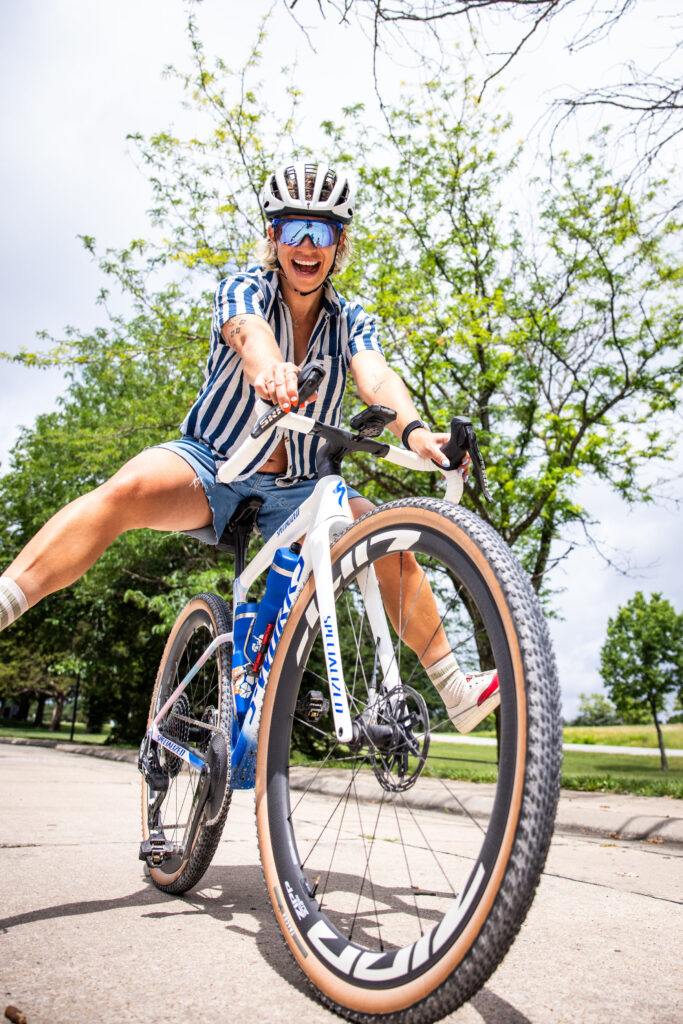
Sturm, who has spent the last nine years competing at the highest levels of professional gravel racing, conceptualized the design while training on the high-desert and mountain terrains that define her career. The collaboration seeks to address the growing concern regarding climate-related degradation of outdoor recreation areas, utilizing the ubiquity of cycling gear to broadcast a message of stewardship.
The Creative Process: From Mountain Trails to Sketchbooks
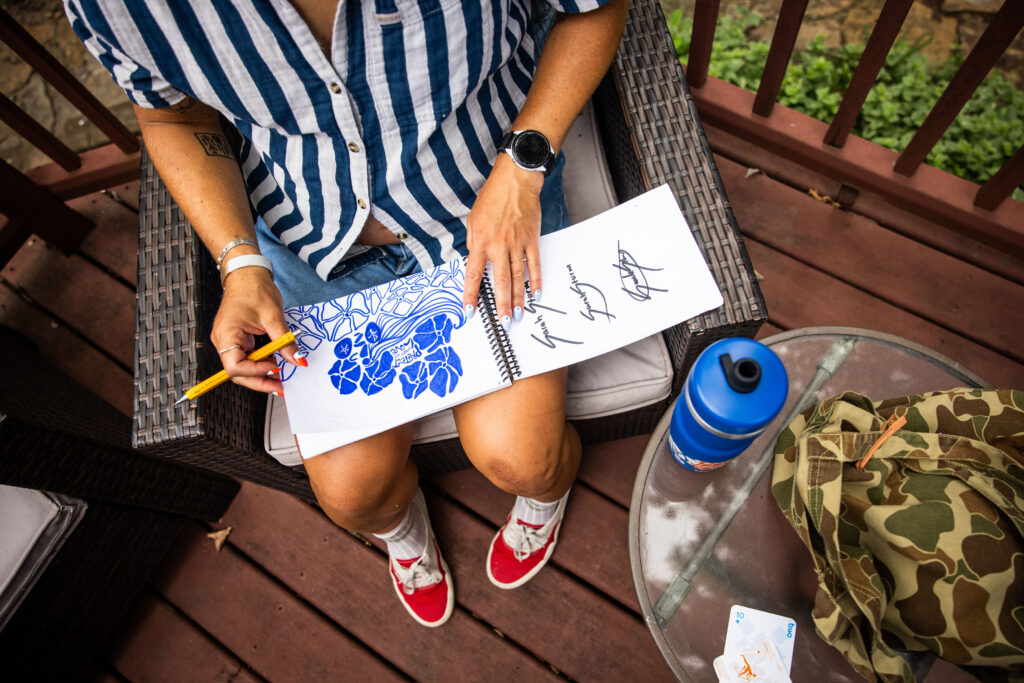
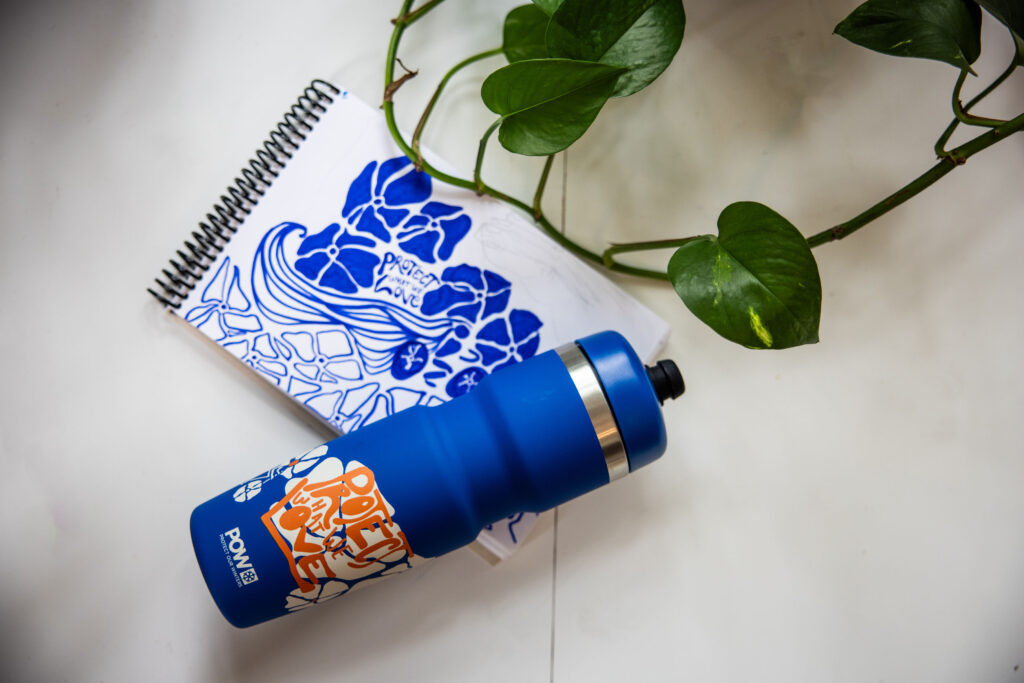
The development of the bottle design was a departure from traditional corporate design pipelines. Rather than utilizing digital software or agency-led concepts, Sturm returned to foundational artistic practices, utilizing pencil and paper to draft the initial imagery. According to Sturm, the inspiration for the patterns—which include intricate flower petals that transition into bicycle wheels and an abstract cyclist figure crowned with flora—was born during the solitude of long-distance training sessions.
"When you are chugging along on five or six-hour rides, it gets quite monotonous," Sturm noted. "Brainstorming on the bike became the primary venue for the creative process."
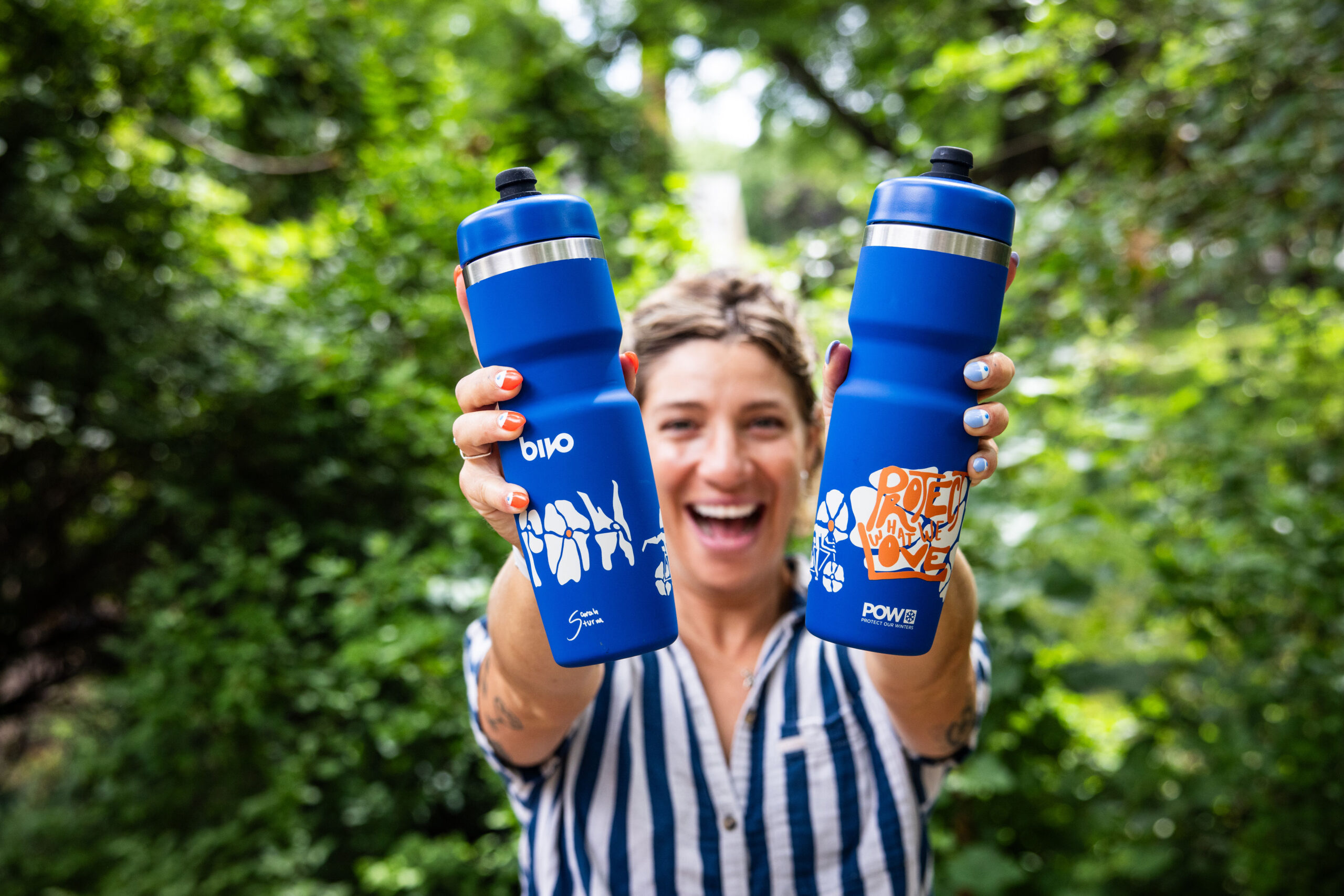
The design challenge was unique due to the cylindrical nature of the vessel. Unlike a flat canvas, a bottle requires an understanding of how an image is perceived as it rotates within a bike frame cage. Sturm approached the bottle as a multi-vantage point puzzle, ensuring that the artwork could be viewed as a single cohesive narrative or as distinct, shifting imagery depending on the rotation of the bottle during a ride.
Contextualizing the Collaboration: Sport and Sustainability
The partnership with Bivo is a strategic move for Protect Our Winters, a non-profit organization dedicated to mobilizing the outdoor sports community to advocate for climate policy. The cycling industry has increasingly faced scrutiny regarding its supply chain and environmental footprint, making the choice of Bivo—known for its stainless steel, high-flow bottles—a deliberate effort to promote reusable, non-plastic alternatives.
For context, the gravel cycling industry has seen a massive surge in popularity since 2019, with participation rates increasing by an estimated 25% annually in North America. This growth has put immense pressure on public lands and mountain trail networks. By leveraging high-profile athletes like Sturm, organizations such as POW aim to transform the massive gravel cycling community into a voting bloc for climate-conscious legislation.
A Chronology of Artistic Reclamation
The collaboration also serves as a personal milestone for Sturm, who highlights the challenge of maintaining creative passions while pursuing a demanding professional athletic career.
- 2015: Sarah Sturm begins her trajectory as a professional gravel cyclist, with the intensity of training and racing gradually overshadowing her background in fine arts.
- 2023: Sturm joins the POW Bike Alliance, deepening her commitment to environmental advocacy.
- Early 2026: Discussions commence between Sturm, Bivo, and POW regarding a collaborative product that emphasizes both the aesthetic and functional aspects of cycling.
- Mid-2026: Design development takes place, with Sturm consciously prioritizing "joyful" imagery to combat the climate anxiety often associated with environmental activism.
- August 2026: The official launch of the POW x Bivo bottle to the public.
For many professional athletes, the pressure to maintain peak performance often necessitates a "singular identity," where non-athletic pursuits are viewed as distractions. Sturm’s process of designing the bottle acted as a reclamation of her creative self, challenging the notion that one must abandon art to succeed in sport.
Data and Environmental Implications
The environmental impact of the outdoor industry remains a critical topic of discussion. According to the Outdoor Industry Association, the outdoor recreation economy accounts for approximately 1.9% of the U.S. GDP. However, the carbon footprint of sporting events and the manufacturing of gear are significant contributors to environmental degradation.
The choice of stainless steel for this collaboration is rooted in lifecycle analysis. Stainless steel is infinitely recyclable and avoids the microplastic shedding associated with traditional polyethylene sports bottles. While the manufacturing of metal bottles carries a higher initial carbon cost than plastic, the longevity and durability of the Bivo design offset this over the product’s lifecycle, provided the user maintains the product over multiple years of use.
The Psychology of Visual Advocacy
One of the most notable aspects of the bottle design is its tonal departure from traditional environmental messaging. Much of the climate movement has historically relied on stark, urgent, or even apocalyptic imagery to convey the severity of the climate crisis. Sturm, however, opted for a design that is intentionally uplifting.
"I didn’t want to have something that was too polarizing," Sturm explained. "I feel like it’s a fun opportunity to bring in some lightness and joy. When you are using the bottle, I hope you are on a bike or a hike or hanging outside. It’s a nice little reminder to protect what you love."
This approach aligns with current behavioral research in climate communication, which suggests that "hope-based" or "solution-oriented" messaging is more effective at driving long-term engagement than "fear-based" messaging, which can often lead to psychological disengagement or "doom-scrolling" tendencies.
Official Responses and Industry Outlook
While specific sales targets for the collaboration remain confidential, representatives from Protect Our Winters have indicated that the project is part of a larger initiative to diversify the organization’s fundraising streams. By integrating art into functional gear, the organization can engage a demographic that might otherwise be less likely to donate to policy-focused non-profits.
Stacie Sullivan, a long-time advocate within the ski and cycling industry, noted in her commentary on the project that the integration of artistic expression into gear is a growing trend. "The industry is moving toward a more holistic view of the athlete," Sullivan stated. "We are seeing a shift where professional cyclists are not just billboards for corporate sponsors, but are actually active participants in the design and values of the equipment they use."
The Broader Impact: Redefining the Professional Athlete
The implications of this collaboration extend beyond the utility of a water bottle. It serves as a case study for how athletes can diversify their influence. In an era where professional athletes are increasingly expected to take a stance on social and environmental issues, Sturm’s project demonstrates a method of activism that is integrated into the daily life of the enthusiast.
Furthermore, the "imperfection" that Sturm embraced during the design process serves as a counter-narrative to the hyper-perfectionism prevalent in social media-driven sports culture. By acknowledging that her art may have been "rusty" due to years of focus on racing, she humanizes the creative process, encouraging others to explore creative outlets regardless of their perceived skill level.
Conclusion
The POW x Bivo bottle represents a synthesis of three distinct pillars: the technical necessity of athletic performance, the urgency of environmental policy, and the human need for artistic expression. As the gravel cycling season continues to grow, such collaborations are likely to become more common, reflecting a broader trend where the outdoor community takes a more active role in the stewardship of the natural world.
For consumers, the bottle is a piece of gear; for the climate movement, it is a tool for building community and funding advocacy. For Sarah Sturm, it is a testament to the fact that identity is not a static state, but a collection of pursuits that, when brought together, can create a lasting, positive impact on both the individual and the environment. The bottles are currently available through the Protect Our Winters online portal, with proceeds directed toward the organization’s ongoing policy initiatives.

