
If recent summer excursions have felt more like grueling endurance tests than leisure activities, the meteorological data confirms that these experiences are not anecdotal. Across the Northern Hemisphere, summer heat waves are becoming more frequent, more intense, and more geographically widespread, stretching the limits of human endurance and local infrastructure. To understand the shifting atmospheric dynamics behind these record-breaking temperatures, meteorological experts are increasingly looking toward a combination of sustained high-pressure systems, climate change-induced baseline shifts, and complex feedback loops in the upper atmosphere.
Defining the Atmospheric Anomaly
The National Oceanic and Atmospheric Administration (NOAA) broadly categorizes a heat wave as a period of two or more days of abnormally high temperatures. However, meteorologists, including Will Stikeleather, a specialist in atmospheric sciences and a contributor to the Protect Our Winters (POW) Science Alliance, argue that this definition is insufficient for modern climate realities.
"The standard definition often fails to capture the full scope of the hazard," Stikeleather explains. "Temperature alone is a misleading metric. Humidity plays a critical role in human health outcomes because it dictates the body’s ability to cool itself through evaporation. When we analyze the actual risk, we must consider the Wet Bulb Global Temperature (WBGT), which accounts for humidity, solar radiation, and wind speed."
At the core of these events is the "heat dome"—a large-scale high-pressure system that stalls in the upper atmosphere. These systems act as a cap, forcing air to sink and compress. As the air descends, it warms, creating a feedback loop that traps heat near the surface. When these systems are held in place by "blocking patterns" in the jet stream, they can persist for weeks, turning regional weather into a static, scorching oven.

A Chronology of Intensification
The historical trajectory of heat waves in the contiguous United States (CONUS) reveals a concerning trend. Since 1895, the average temperature has risen by approximately 2°F. While this may appear incremental, it has profoundly shifted the baseline, effectively lowering the barrier for entry into extreme heat events.
According to NOAA data, the frequency of heat waves in the U.S. has nearly tripled since the 1960s. Perhaps more concerning is the expansion of the "heat wave season"—the interval between the first and last occurrence of such events each year. This window has expanded from approximately 25 days in the mid-20th century to over 70 days in the current decade.
Significant milestones in this trend include the 2021 Pacific Northwest heat wave, which saw temperatures in parts of British Columbia and Washington exceed 115°F. Climatological analysis from the Intergovernmental Panel on Climate Change (IPCC6) suggests that climate change made this specific event at least 2°C hotter than it would have been in the pre-industrial climate of 1850–1900. Experts now categorize these events not as freak occurrences, but as statistical inevitabilities in a warming global climate.
Arctic Amplification and Jet Stream Dynamics
The "wobble" in the jet stream, often cited as the culprit for these stagnant weather patterns, is increasingly linked to Arctic Amplification. As the polar regions warm at a rate significantly faster than the global average, the temperature gradient between the poles and the mid-latitudes decreases. This weakened gradient allows the jet stream—the high-altitude wind current that typically steers weather systems—to become more erratic and "wavy."
When these waves become high-amplitude, they create the atmospheric "traffic jams" that lock heat domes in place. Researchers, including those cited in studies by Francis and Vavrus, have spent the last decade tracking how this loss of sea ice and polar warming influences mid-latitude weather. The result is a persistent, stubborn atmospheric state that refuses to move, leading to prolonged exposure to extreme temperatures in regions unaccustomed to such heat.
The Urban Heat Island Effect and Human Vulnerability
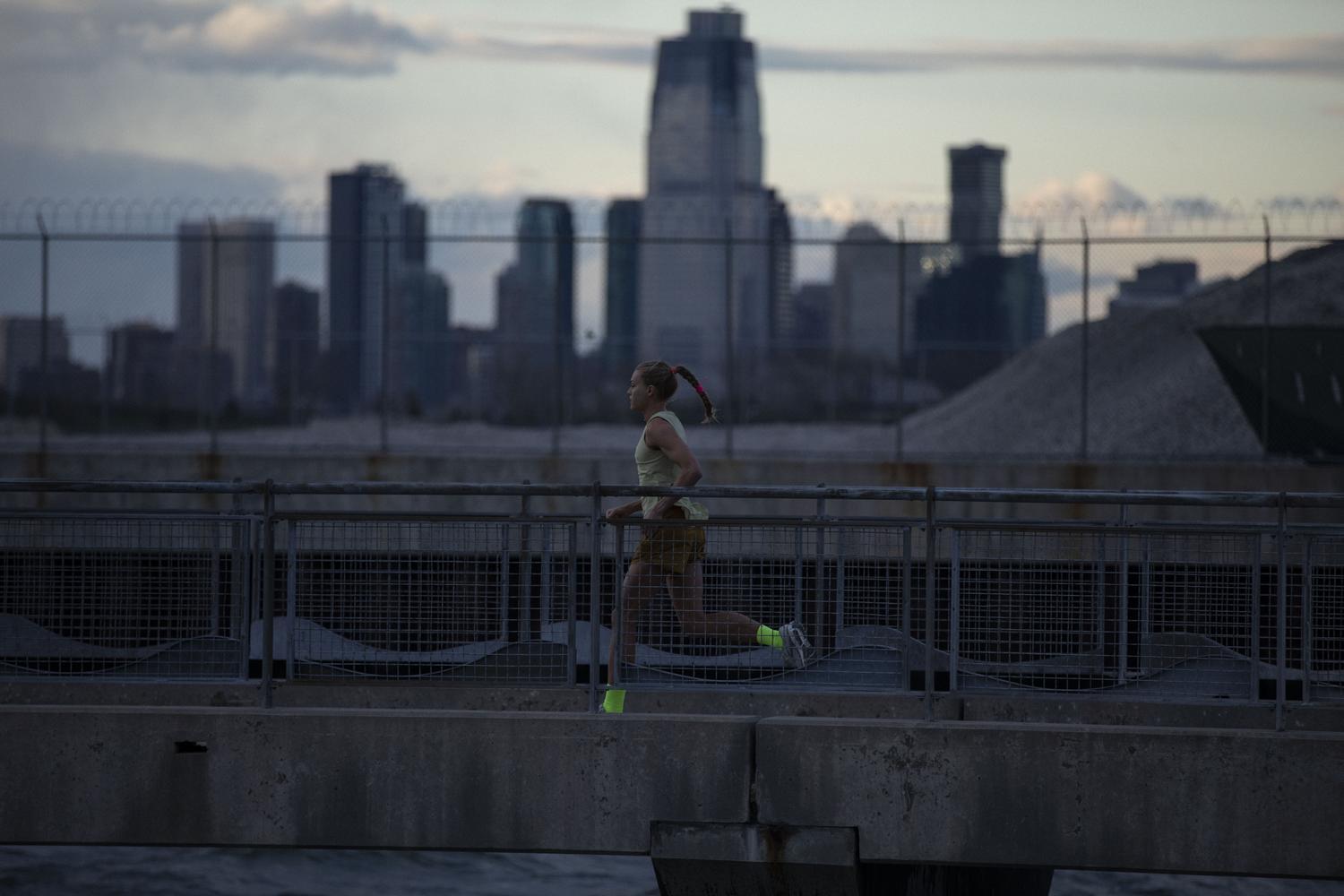
Cities are disproportionately impacted by heat waves due to the urban heat island (UHI) effect. The built environment—comprising asphalt, concrete, and steel—possesses a low albedo, meaning it absorbs a high percentage of solar radiation rather than reflecting it. Unlike rural areas, where vegetation provides natural cooling through evapotranspiration, urban centers retain heat long after the sun has set.
This lack of nighttime cooling is a critical public health concern. "The human body requires a recovery period to shed the heat accumulated during the day," notes Stikeleather. "When nighttime temperatures remain elevated, the body is denied this biological reset. This is when we see the highest mortality rates among vulnerable populations, including the elderly and those without access to air conditioning."
Cascading Environmental Hazards
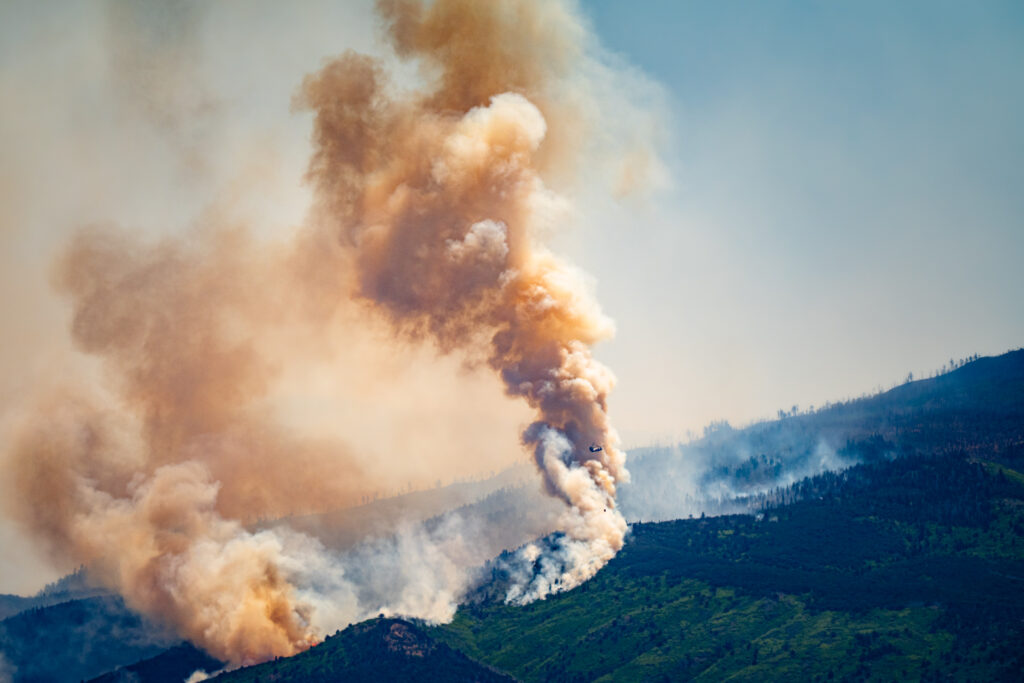
The implications of extreme heat extend far beyond human discomfort. The 2026 summer season in Europe and North America demonstrated how heat waves act as threat multipliers. In the Pacific Northwest, record-low winter snowpacks, combined with early-summer heat domes, accelerated the drying of forest fuels. Vegetation that would normally remain hydrated until late summer began "curing" (drying out) in June, significantly expanding the window of time conducive to high-intensity wildfire behavior.
This synchronicity of hazards—heat, drought, and fire—creates a strain on both natural ecosystems and public safety infrastructure. Fire management agencies are increasingly forced to adjust their response strategies to account for fire seasons that are now beginning weeks earlier and lasting longer than historical models predicted.
Policy Responses and Energy Infrastructure
The current reliance on mechanical air conditioning creates a paradox: while it mitigates immediate heat stress, the resulting spike in electricity demand strains the grid. If the power source for that cooling is fossil-fuel-based, the increased energy consumption exacerbates the very carbon emissions driving the warming cycle.
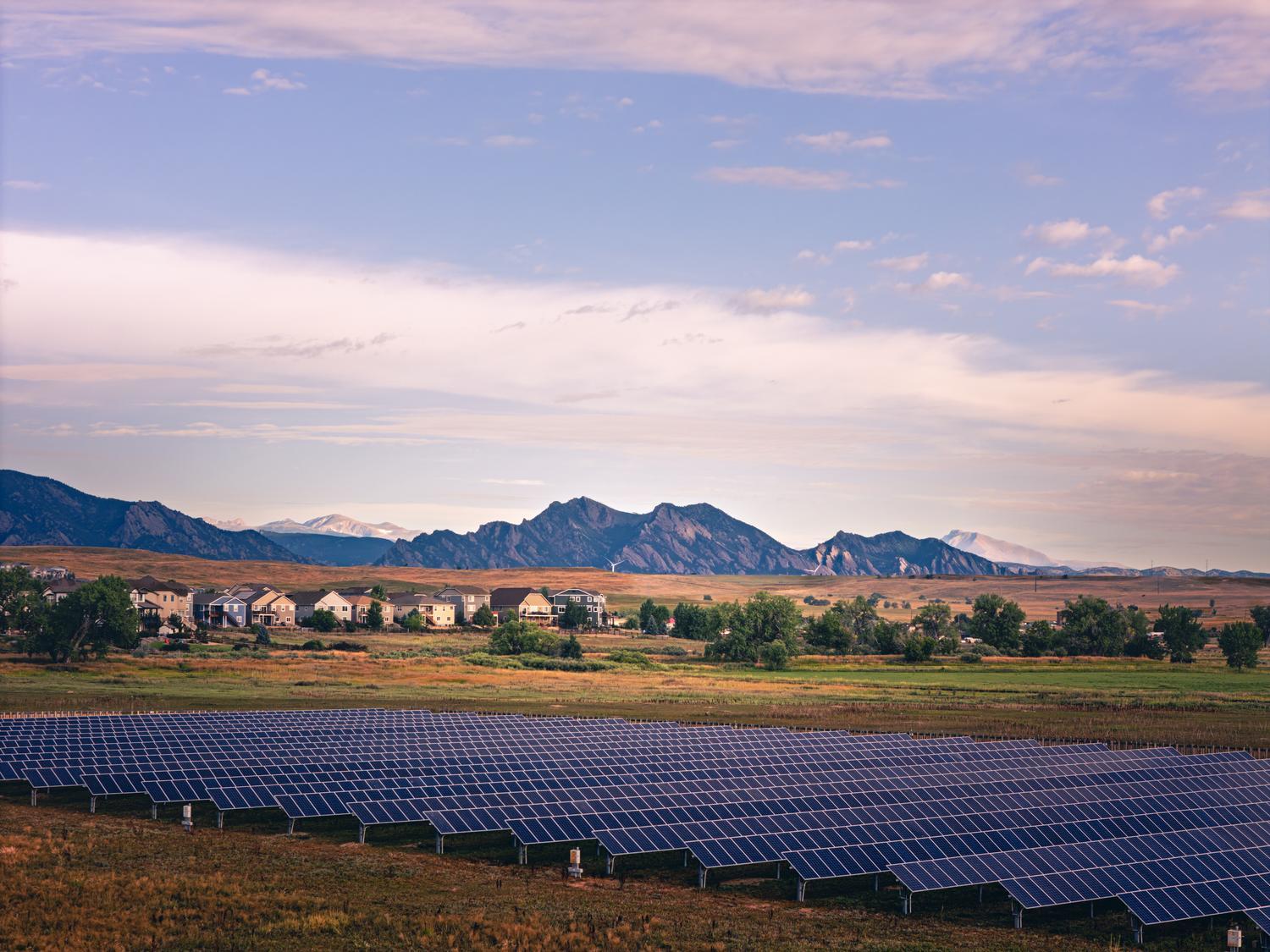
To address this, local and regional governments are exploring decentralization. Community solar projects and localized grid upgrades are being prioritized to reduce dependence on centralized, potentially fragile power systems. In regions like Jefferson County, Colorado, community-led solar gardens serve as a blueprint for how municipalities can transition to renewable sources while simultaneously improving energy resilience.
Implications for the Outdoor Industry
The outdoor recreation industry faces an existential challenge as its primary product—the climate—becomes increasingly hostile. For hikers, skiers, and athletes, the "sufferfest" reality is forcing a shift in habits. Outdoor organizations are now advising participants to engage in "early-bird" recreation, shifting high-exertion activities to the pre-dawn hours to avoid the peak heat of the day.
However, adaptation is not a long-term solution to systemic climate shifts. The consensus among atmospheric scientists is that without significant global decarbonization, the frequency of 40°C+ events will continue to rise. For instance, in Western Europe, research by World Weather Attribution indicates that the 2026 heat events were 3.5°C hotter than similar events in 1976, and are now ten times more likely to occur than they were at the turn of the millennium.
Looking Ahead
The scientific community is clear: the current climate trajectory is not merely a cycle, but a structural shift. While individual actions—such as monitoring local heat forecasts, staying hydrated, and seeking shade—are essential for immediate safety, the broader challenge remains the transition to a sustainable energy economy.
As cities continue to densify and the climate continues to warm, urban planning will need to prioritize "cool roofs," increased tree canopy cover, and green infrastructure to mitigate the heat island effect. Meanwhile, the outdoor community, often the most acutely aware of these environmental changes, continues to advocate for policy shifts that address the root causes of the warming trend.
The future of the outdoors in a hotter world will require a combination of behavioral adaptation, technological innovation in energy, and a rigorous, science-based approach to managing the risks posed by an increasingly volatile atmosphere. The data suggests that while the current heat waves are unprecedented, they may well be the baseline for the next generation of summer weather.

