
The journey from the urban sprawl of Calgary into the heart of the Canadian Rockies represents more than a mere change in scenery; it marks a transition into a landscape where geological grandeur meets the echoes of a pivotal industrial era. For those traversing the path toward the David Thompson Highway, the region surrounding Nordegg serves as a poignant case study in the rise and fall of resource-based economies. As of September 2026, the area continues to rebrand itself, shifting from its origins as a coal-dependent mining hub to a destination for outdoor enthusiasts seeking both the serenity of high-altitude wilderness and a tangible connection to early 20th-century Canadian history.
A Chronology of Industrial Transformation
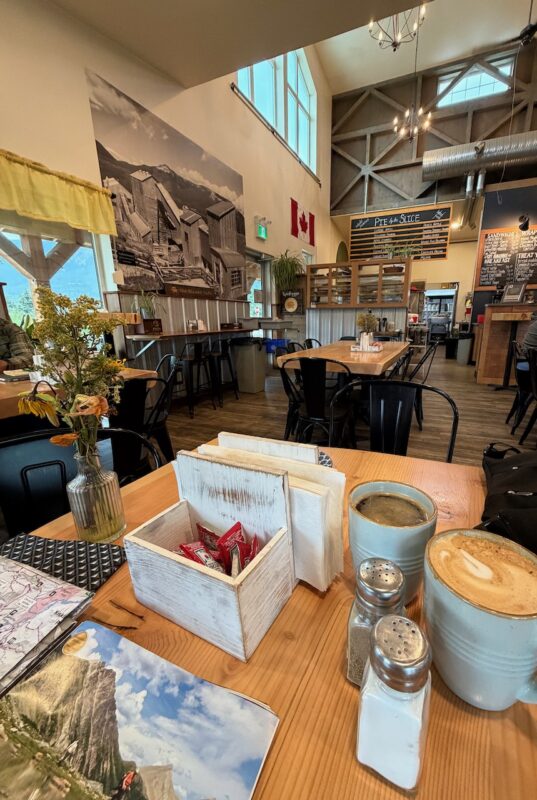
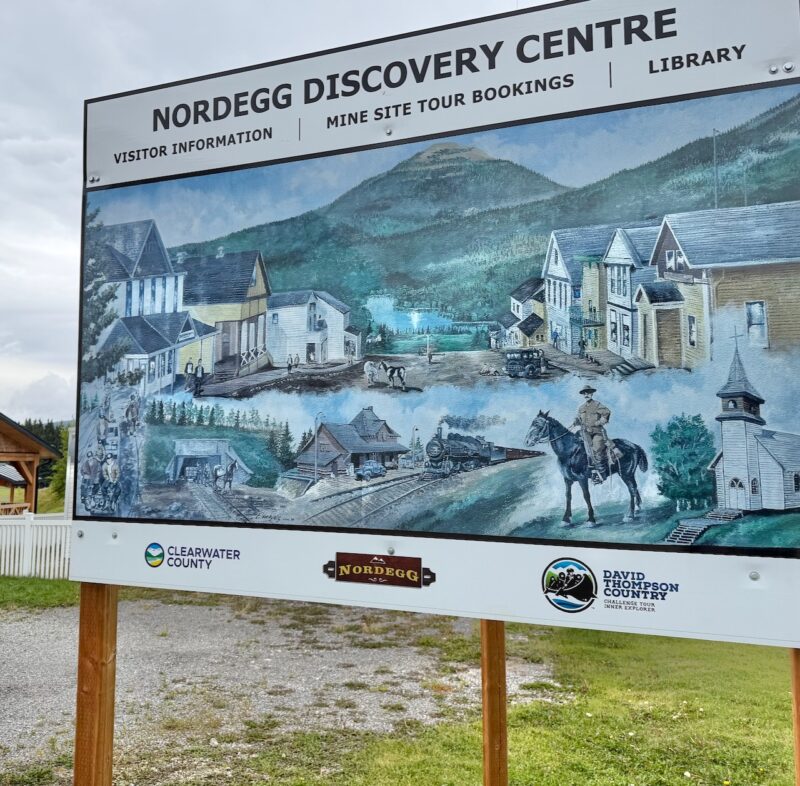
The narrative of Nordegg is inextricably linked to the rapid expansion of the Canadian railway system in the early 1900s. The discovery of high-quality coal deposits by Martin Nordegg in 1911 facilitated the establishment of the Brazeau Collieries, a site that would eventually become one of the most productive mining operations in Alberta. By the 1920s, the town had developed into a sophisticated community, boasting essential infrastructure that included schools, hospitals, banking facilities, and recreational amenities such as a curling club and a golf course.
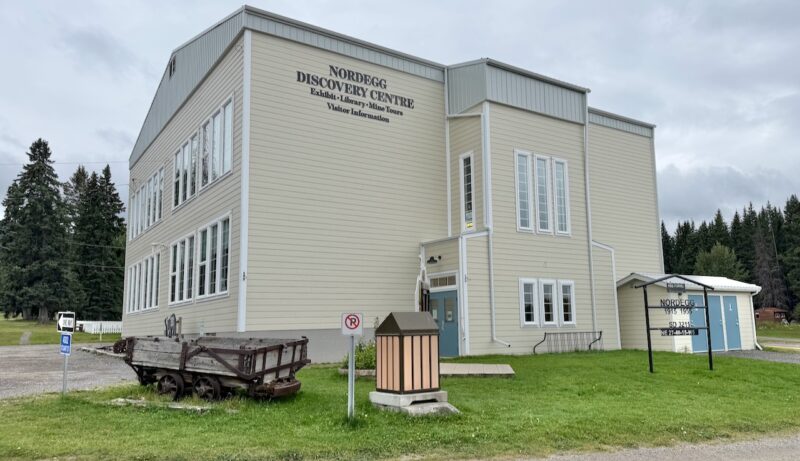
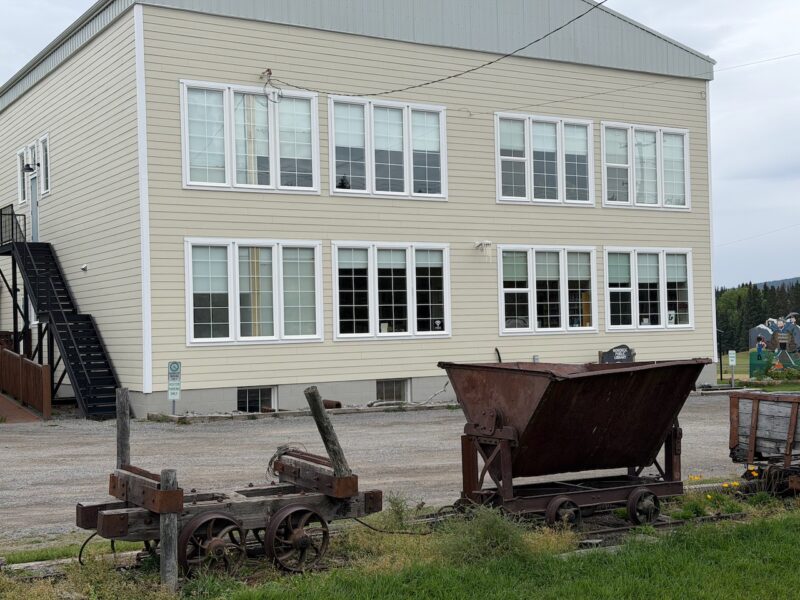
The demographic shift within the town during this period was significant, drawing labor from across North America and Europe to fuel the steam-powered locomotives that were the lifeblood of the Canadian economy. However, the mid-20th century brought a swift decline. In 1947, the discovery of the Leduc No. 1 oil field near Edmonton signaled the beginning of the end for the coal industry. As the national railway network transitioned from steam-powered engines to diesel-electric locomotives throughout the 1950s, the demand for coal briquettes plummeted. The Brazeau Collieries officially ceased operations in 1955, leading to the near-total abandonment of the settlement. Today, the site stands as a preserved industrial heritage landmark, offering a rare, authentic glimpse into the physical infrastructure of a bygone era.
Geographical Significance and Natural Asset Management
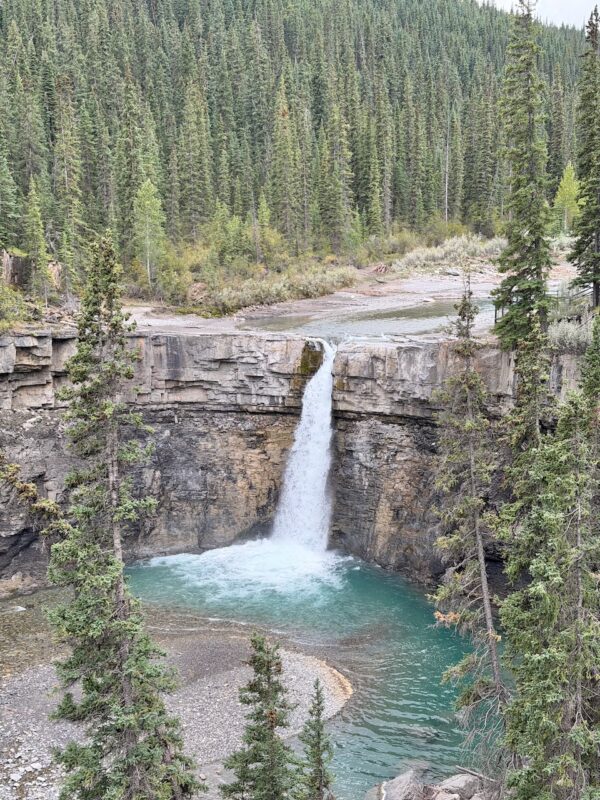
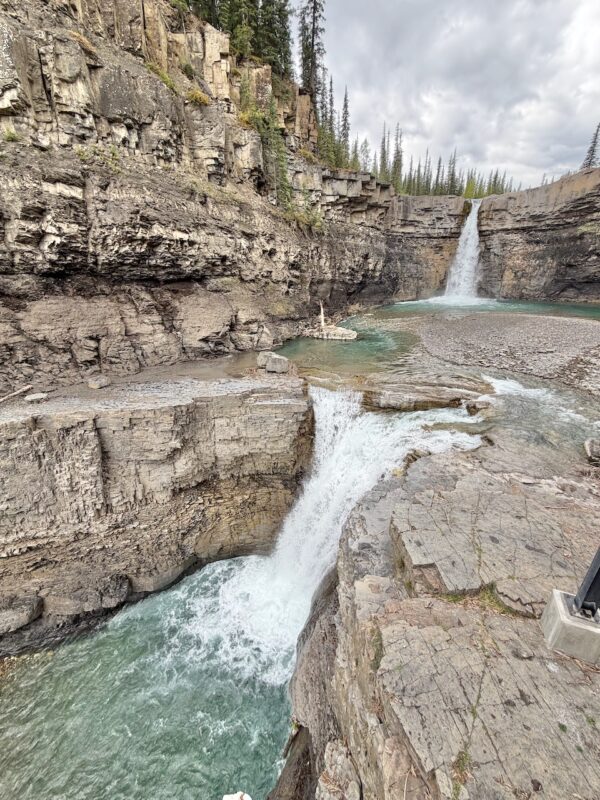
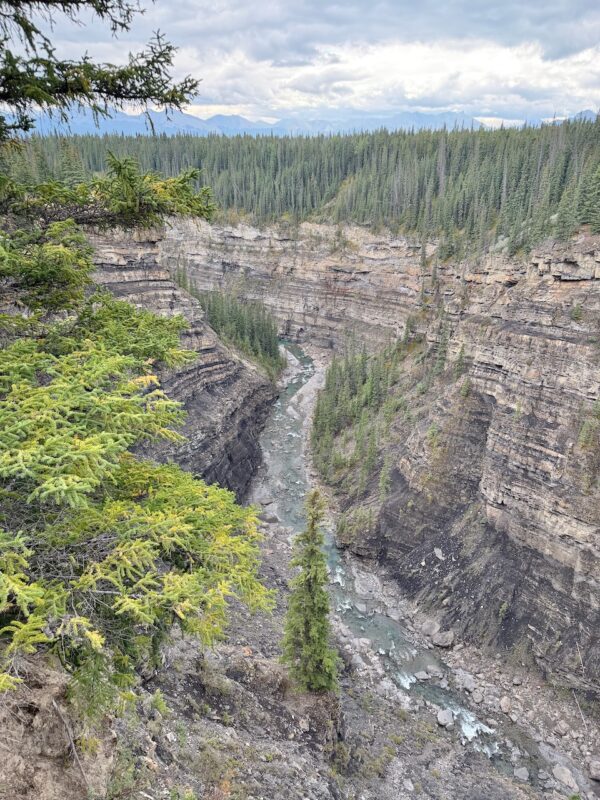
While the history of the coal mine provides a backdrop of human endeavor, the geography of the Nordegg area remains its primary draw. Positioned strategically between the major tourism corridors of Banff and Jasper, the region offers a quieter, less congested alternative for travelers. Key landmarks such as Crescent Falls, located along the Bighorn River, demonstrate the area’s rugged topography. These falls, formed by the erosion of the limestone canyon, are a testament to the powerful glacial forces that shaped the Canadian Rockies over millennia.
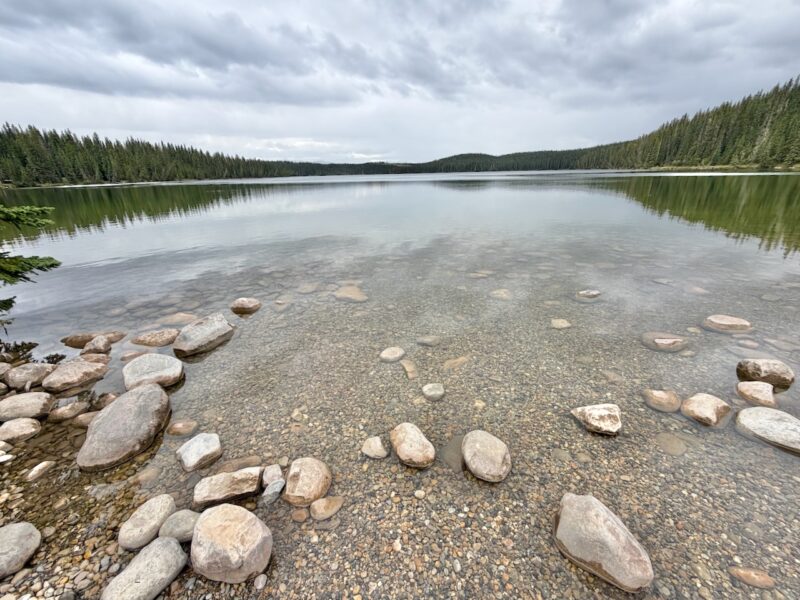
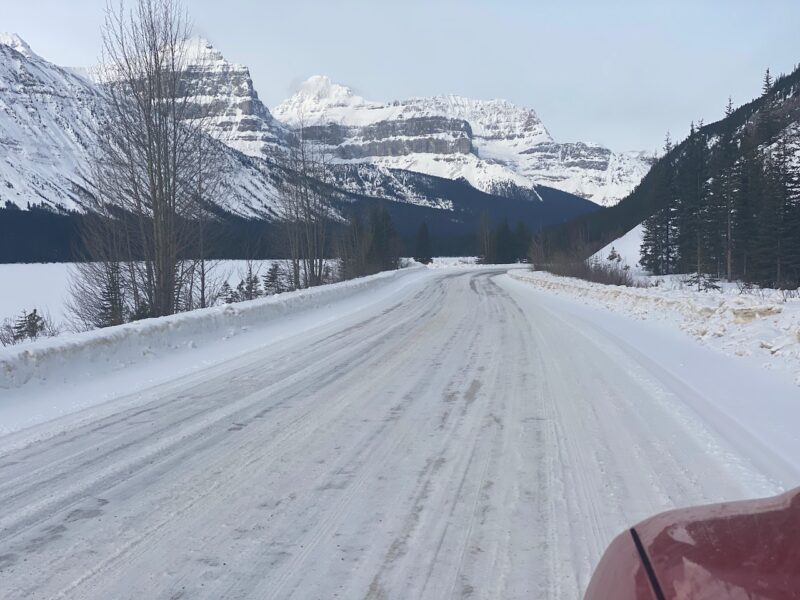
Further environmental interest lies in the seasonal phenomena observed at Abraham Lake. During the winter months—typically from late January to early March—the lake becomes a focal point for researchers and tourists alike due to the formation of trapped methane bubbles beneath the ice. These bubbles, produced by the decomposition of organic matter on the lake floor, are frozen into the water column as the lake surface solidifies. While visually striking, this process also provides data for climatologists regarding greenhouse gas emissions in high-altitude freshwater systems. The region’s management authorities have increasingly emphasized the importance of sustainable tourism to protect these sensitive ecosystems while encouraging visitor engagement with the area’s natural history.
The Evolution of Winter Tourism and Infrastructure
Nordegg is currently in a phase of strategic development, aiming to leverage its unique geography to establish a year-round tourism sector. The local economy, once reliant on a single extractive industry, is diversifying into winter-specific activities including ice climbing, snowshoeing, and cross-country skiing. The integration of modern amenities, such as the Shunda Creek Hostel, represents an effort to accommodate a growing demographic of independent travelers who prioritize access to wilderness over traditional resort-style comforts.
Local community leaders and tourism boards have noted that while the town’s infrastructure remains modest, its primary value proposition lies in the accessibility of the backcountry. By maintaining the historical integrity of the town site, officials hope to provide an educational component to the travel experience, ensuring that visitors understand the environmental and social impacts of the region’s industrial past. This dual focus—preserving the history of the colliery while promoting the preservation of the surrounding wilderness—is a critical component of Alberta’s broader provincial tourism strategy.
Broader Implications of Heritage and Resource Legacy
The study of Nordegg offers broader insights into the "ghost town" phenomenon common across North America. The abrupt transition of Nordegg from a thriving industrial town to an abandoned site serves as a cautionary tale regarding the volatility of commodity-dependent settlements. The subsequent designation of the colliery as a National and Provincial Historic Site has transformed the location from a liability into a cultural asset.
For the contemporary traveler, the juxtaposition of the modern outdoor experience with the stark remnants of 1950s industry provides a unique lens through which to view Canadian identity. Unlike European landscapes where history is integrated into the living fabric of cities, the history of Nordegg is frozen in time—a preserved artifact of the rapid expansionism that characterized the early 20th century in Western Canada.
Future Perspectives and Conservation Efforts
As of late 2026, the provincial government continues to explore avenues for expanding guided access to the deeper parts of the colliery. Currently, tours are restricted to specific time slots to manage visitor impact and safety, given the hazardous nature of the abandoned structures. These tours are essential for the long-term conservation of the site, as they provide the funding necessary for structural stabilization and the maintenance of historical records.
Looking ahead, the region is bracing for increased visitation as travelers seek to escape the overcrowding often found in the national parks to the south. The ability of the local government to manage this influx without compromising the integrity of the heritage site or the surrounding mountain environment will determine the success of Nordegg’s next chapter. As the province shifts toward a more diverse economic model, the story of Nordegg will remain a central pillar in understanding how Alberta balances the legacy of its industrial past with the environmental demands of its future.
The journey into the mountains, whether for the technical challenge of the All Stones Trail or the quiet observation of historical sites, serves as a reminder of the fragility of human settlement in the face of shifting global energy demands. The legacy of Nordegg is not merely in the coal it provided to the nation, but in the lessons it continues to offer regarding resilience, transition, and the enduring power of the landscape itself. Whether one arrives to hike, climb, or study the industrial architecture, the area remains a cornerstone of the Alberta experience, offering a narrative that is as deep and complex as the canyons that surround it.

