
The intersection of outdoor recreation and climate policy has historically been dominated by professional lobbyists and institutional advocacy groups operating within the halls of national government. However, a shifting paradigm within the outdoor industry is decentralizing this influence, placing the power of legislative and civic change directly into the hands of local communities. Protect Our Winters (POW), a non-profit organization focused on climate advocacy, has pioneered a Chapter Program that mobilizes mountain and coastal communities to address climate change through hyper-local action. By empowering regional field organizers, the organization is successfully translating the passion of skiers, mountain bikers, and hikers into tangible policy outcomes at the county and state levels.
The Evolution of Community-Based Climate Advocacy
The history of environmental lobbying in the United States has often suffered from a "top-down" approach, where federal mandates are issued with little local consultation. This disconnect frequently leads to public apathy or confusion regarding how individual actions influence policy. Recognizing this, the POW Chapter Program was designed to serve as a bridge. The program operates on the premise that local decisions—such as zoning for battery storage facilities, rural electric cooperative board elections, and regional clean energy mandates—have a more immediate impact on the lives of outdoor enthusiasts than federal directives.
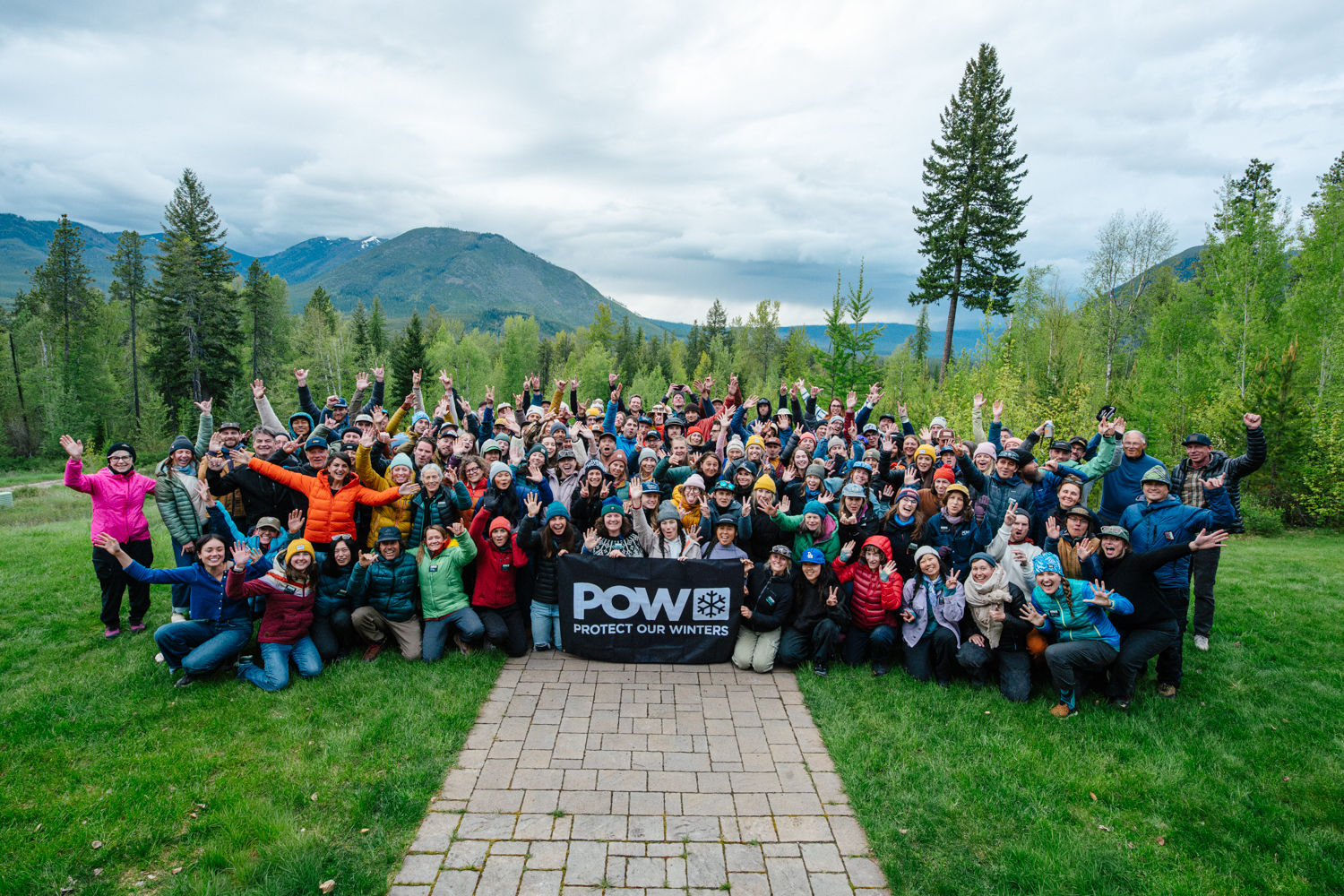
Field organizers act as the connective tissue in this network. These professionals are tasked with turning outdoor recreationists into active participants in the democratic process. Their work spans the White Mountains of New Hampshire to the high deserts of the American West, focusing on regional climate resilience. By aligning the protection of local ecosystems with the recreational interests of the population, these organizers have fostered a new wave of civic participation.
Data-Driven Localism: The Impact of Small-Scale Engagement
The effectiveness of local advocacy is often underestimated due to the focus on high-profile national elections. However, statistics regarding local government turnout suggest that the impact of individual voices is exponentially higher at the municipal level. In many local elections, particularly for school boards, utility commissions, or town councils, voter turnout can fall below 15%. In such environments, a shift of a few dozen votes or a handful of coordinated public comments can determine the outcome of critical climate-related projects.
For example, the recent success in La Plata County, Colorado, regarding the lifting of a moratorium on Battery Energy Storage Systems (BESS), illustrates the weight of local intervention. When the moratorium was under review, local organizers coordinated with residents to submit public comments highlighting the necessity of energy storage for a renewable grid. This grassroots pressure, combined with expert testimony, shifted the administrative decision, proving that targeted local participation can bypass the gridlock often seen in national environmental legislation.

Chronology of Recent Chapter Achievements
The current cycle of advocacy has seen several key milestones across the organization’s chapter network:
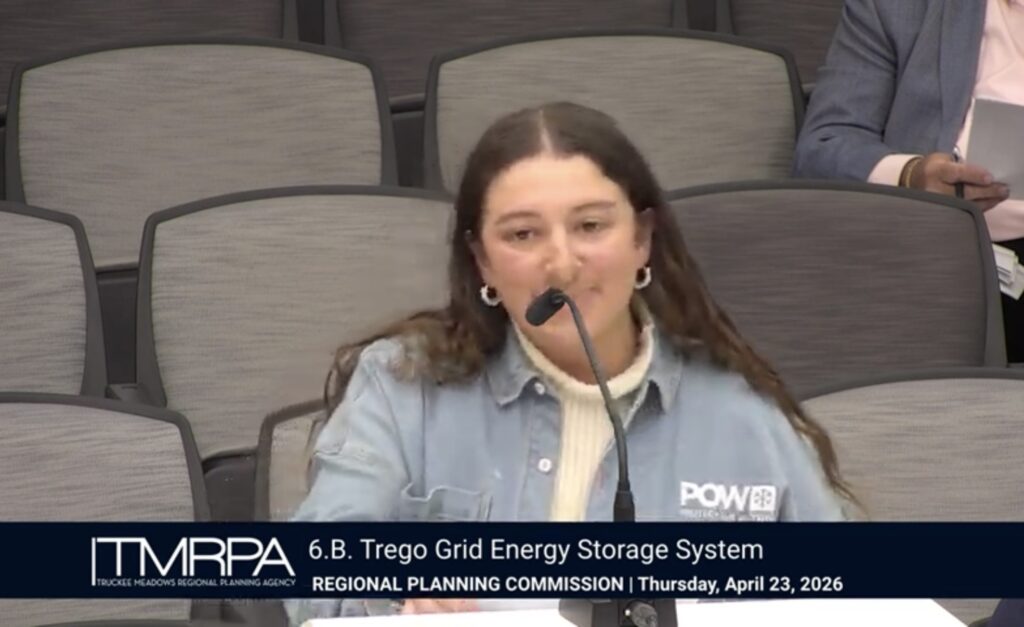
- April 2026: The Reno-Tahoe chapter successfully advocated for the approval of the TregoGrid project, which added 200 megawatts (MW) of battery storage capacity to the regional power grid.
- May–July 2026: Throughout the summer months, the Montana chapter conducted an extensive campaign regarding NorthWestern Energy’s Integrated Resource Plan (IRP). By organizing community events that combined outdoor recreation with policy workshops, organizers helped facilitate a high volume of public comments submitted to the Public Service Commission.
- September 2026: The White Mountains chapter held its inaugural meeting in New Hampshire, marking the formal expansion of the program into the Northeastern United States, with an immediate focus on voter engagement in the First Congressional District.
These events highlight a strategic pivot: rather than waiting for federal action, chapters are aggressively pursuing local energy policy reform. By focusing on the infrastructure that powers their specific regions, these groups are securing the "clean air and clean water" foundations necessary for their outdoor lifestyles.
The Role of Field Organizers in Civic Education
Field organizers such as Emily Johnson (White Mountains), Savanna (Montana), Leda (Southwest Colorado/Yampa), and Adi (Truckee-Tahoe/Reno) play a multi-faceted role. Beyond organizing meetings, they function as civic educators. Many outdoor enthusiasts are initially hesitant to participate in town council meetings, fearing the complexity of administrative proceedings.
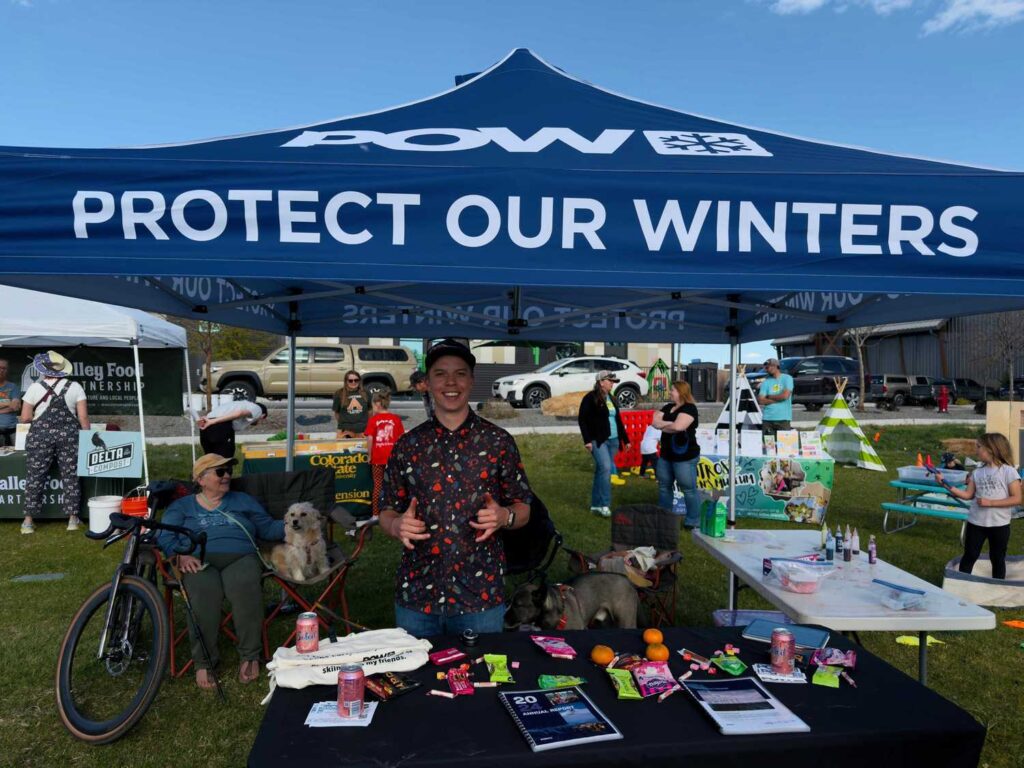
To mitigate this, organizers provide a "on-ramp" to engagement. This includes training volunteers on how to write letters to the editor, how to effectively present public testimony, and how to track the progress of energy planning documents. By demystifying the bureaucratic process, these organizers lower the barrier to entry, allowing the outdoor community to translate their love for nature into institutional support for sustainable practices.
Institutional Analysis: Why Local Wins Matter
The strategic focus on local utility commissions and energy planning is a sophisticated approach to long-term climate mitigation. While a single county-level decision may seem minor in a global context, the cumulative effect of these decisions is profound. By securing clean energy projects at the county level, chapters are creating a "bottom-up" demand for renewable energy that forces larger utility providers to pivot their portfolios.
Furthermore, the involvement of outdoor enthusiasts in these processes provides a unique counter-narrative to traditional industry arguments. When developers or policy makers consider land use, they often weigh economic factors against environmental ones. When local recreationists—who provide a significant economic boost to many mountain towns through tourism and retail—weigh in, they force officials to consider the long-term value of healthy ecosystems. This intersection of economic and environmental interest is what gives the POW chapters their political leverage.
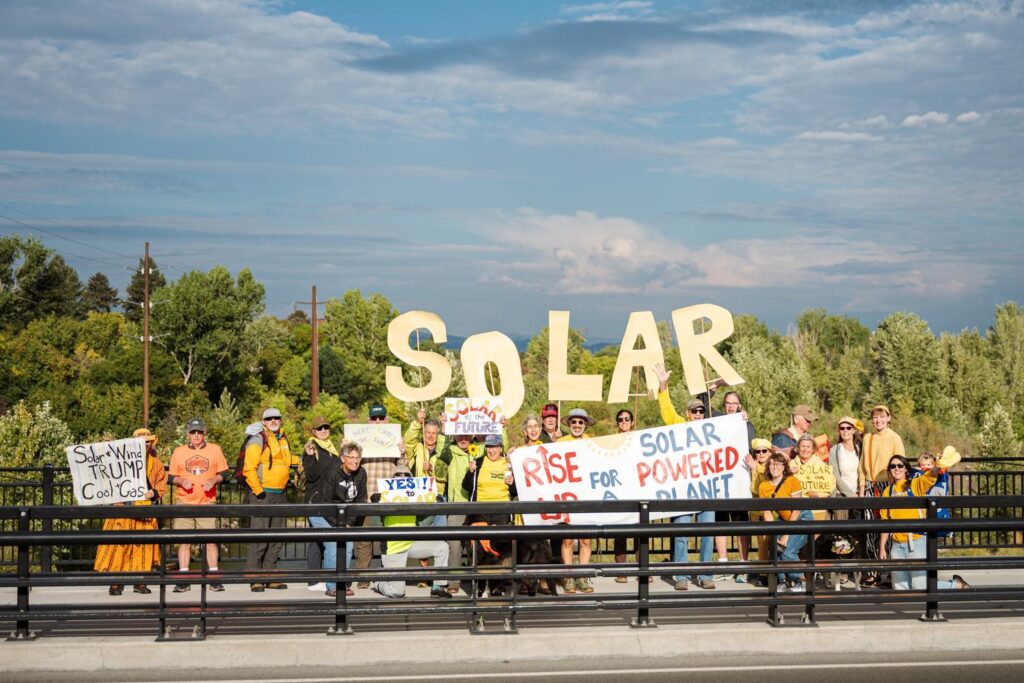
Challenges and Future Implications
Despite these successes, the path ahead is not without challenges. Local advocacy requires a high level of persistence and the ability to maintain engagement during the "off-seasons" of political activity. The current midterm election cycle presents a test for these chapters as they transition from project-specific advocacy to broader voter turnout efforts.
The primary obstacle for these groups remains the "apathy gap." As noted by field organizers, the perceived distance between an individual’s daily activities and the mechanisms of government often results in political burnout. The remedy, according to the current leadership, is the creation of a "movement culture" where advocacy is as much a part of the outdoor community’s identity as the sports themselves.
Conclusion: A New Standard for Environmentalism
The success of the POW Chapter Program underscores a significant evolution in environmental activism. By proving that local energy grid projects and town council decisions are as critical as federal policy, these field organizers are creating a template for decentralized climate action. As these chapters continue to grow in number and sophistication, the influence of the outdoor community on regional policy is likely to increase.
The movement is moving away from purely symbolic gestures toward concrete administrative and legislative wins. For the participants in these chapters, the message is clear: the places they love are not just playgrounds to be enjoyed, but political entities that require active, informed, and persistent guardianship. Through the systematic application of grassroots energy, these organizations are ensuring that the future of the American landscape is shaped by those who know it best.

