
The inaugural Red Bull Features Cup concluded in dramatic fashion, redefining the boundaries of competitive snowboarding through an inventive, multi-zone format that prioritized collaborative strategy, adaptability, and unadulterated creativity over rigid scoring criteria. Staged on an outrageously designed, multifaceted course, the event brought together elite regional squads representing Europe, North America, and Asia-Pacific to battle across four distinct zones: a banked slalom, a rail jam, a quarterpipe, and a progressive jump session. What began as a tightly contested international showdown culminated in a mathematically improbable three-way deadlock, forcing a sudden-death showdown on a high-stakes hip feature that ultimately crowned the Asia-Pacific squad as the overall champions.
From the outset, the tournament was designed to challenge conventional contest paradigms. Rather than relying on standard single-run scoring formats, the Red Bull Features Cup instituted a 5-3-1 points system per zone, layered with creative multipliers and randomized modifiers known as the “Mischief Multiplier.” This structure compelled athletes to balance technical precision with impromptu problem-solving, fostering a session-driven environment where team synergy was just as vital as individual brilliance.
Global Rosters and Regional Strengths
The competition’s unique format required meticulously balanced teams, drawing elite talent from across the globe to represent their respective hemispheres. Team Europe entered the arena with a powerhouse roster featuring Marcus Kleveland, Fridtjof Tischendorf, Isak Ulstein, and Celia Petrig. Known for their deep technical repertoire and immense contest experience, the European contingent was widely viewed as a formidable force across all disciplines.
North America countered with a dynamic, high-energy lineup comprising Luke Winkelmann, Denver Orr, Egan Wint, and Lane Weaver. The North American squad leaned heavily into their exceptional rail depth and explosive speed, establishing a commanding presence in the technical zones.
Meanwhile, the Asia-Pacific roster—consisting of Cool Wakushima, Zephyr Lovelock, Rocco Jamieson, and Miyabi Onitsuka—brought relentless air awareness, exceptional board control, and a steady consistency that ultimately proved decisive. Each regional team brought distinct tactical approaches to the course, setting the stage for a fiercely contested battle of styles.
Chronological Breakdown of the Four Zones
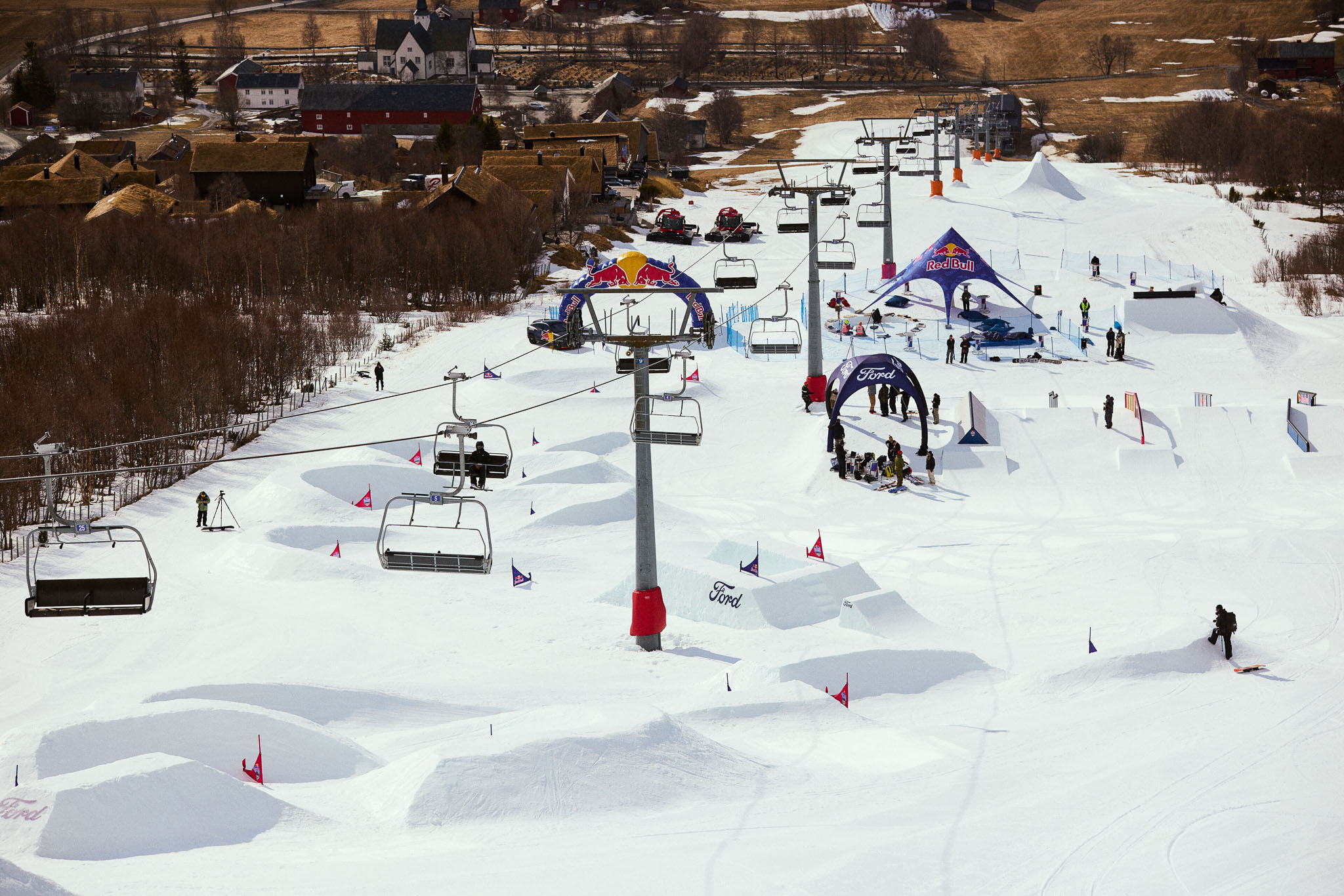
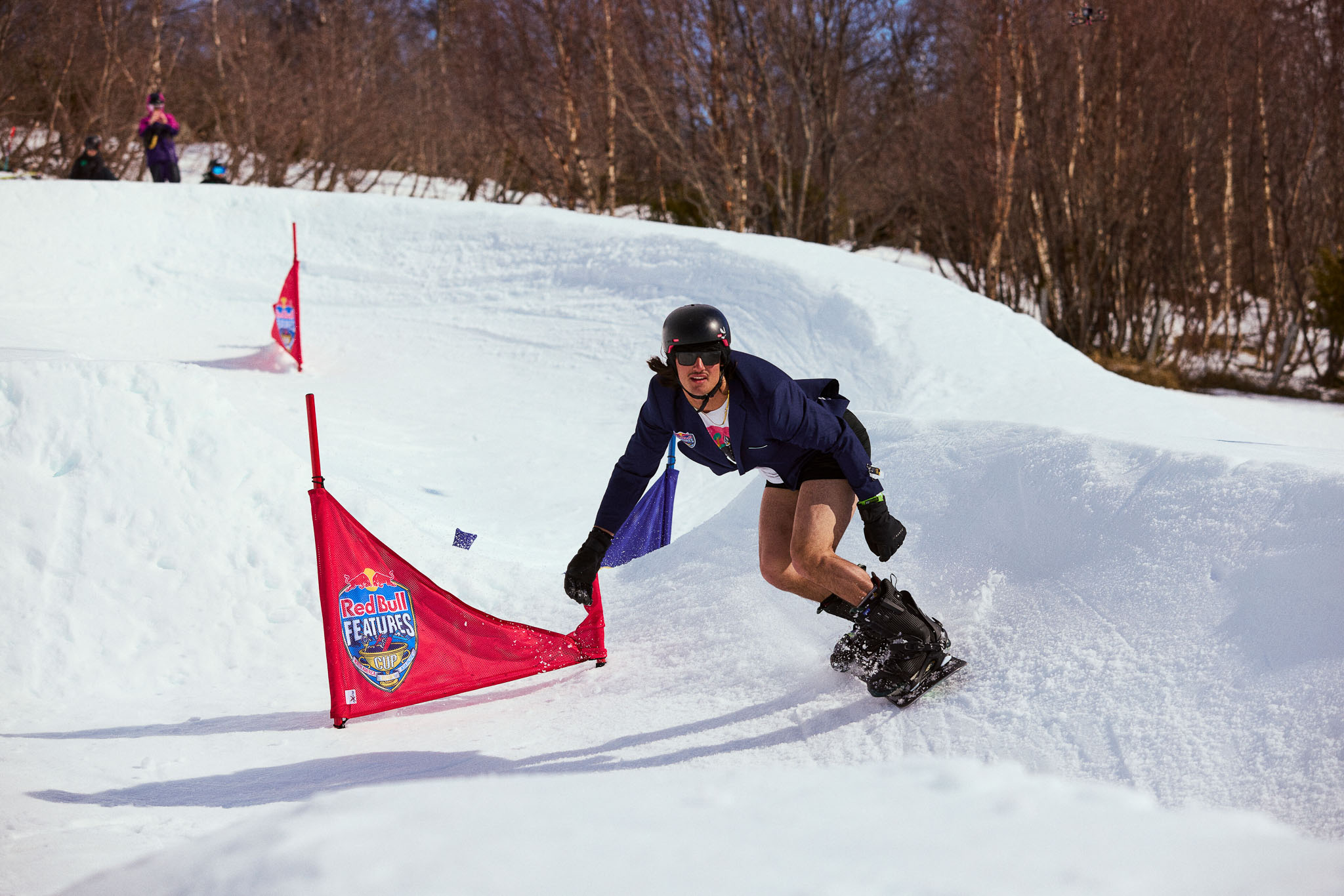
Competition unfolded across four meticulously engineered zones, each testing a vastly different set of snowboarding fundamentals. The event commenced with the banked slalom, a high-speed test of tactical execution and unpredictability. Riders logged cumulative times across two distinct runs: one utilizing standard snowboards and the other performed on mini-boards. The zone rules rewarded calculated risk-taking, offering crucial time deductions for mid-course tricks like flips, while penalizing athletes for missed gates. North America’s Luke Winkelmann immediately set a blistering pace on a standard board, showcasing raw speed, though strict penalties and format twists kept the leaderboard exceptionally tight.
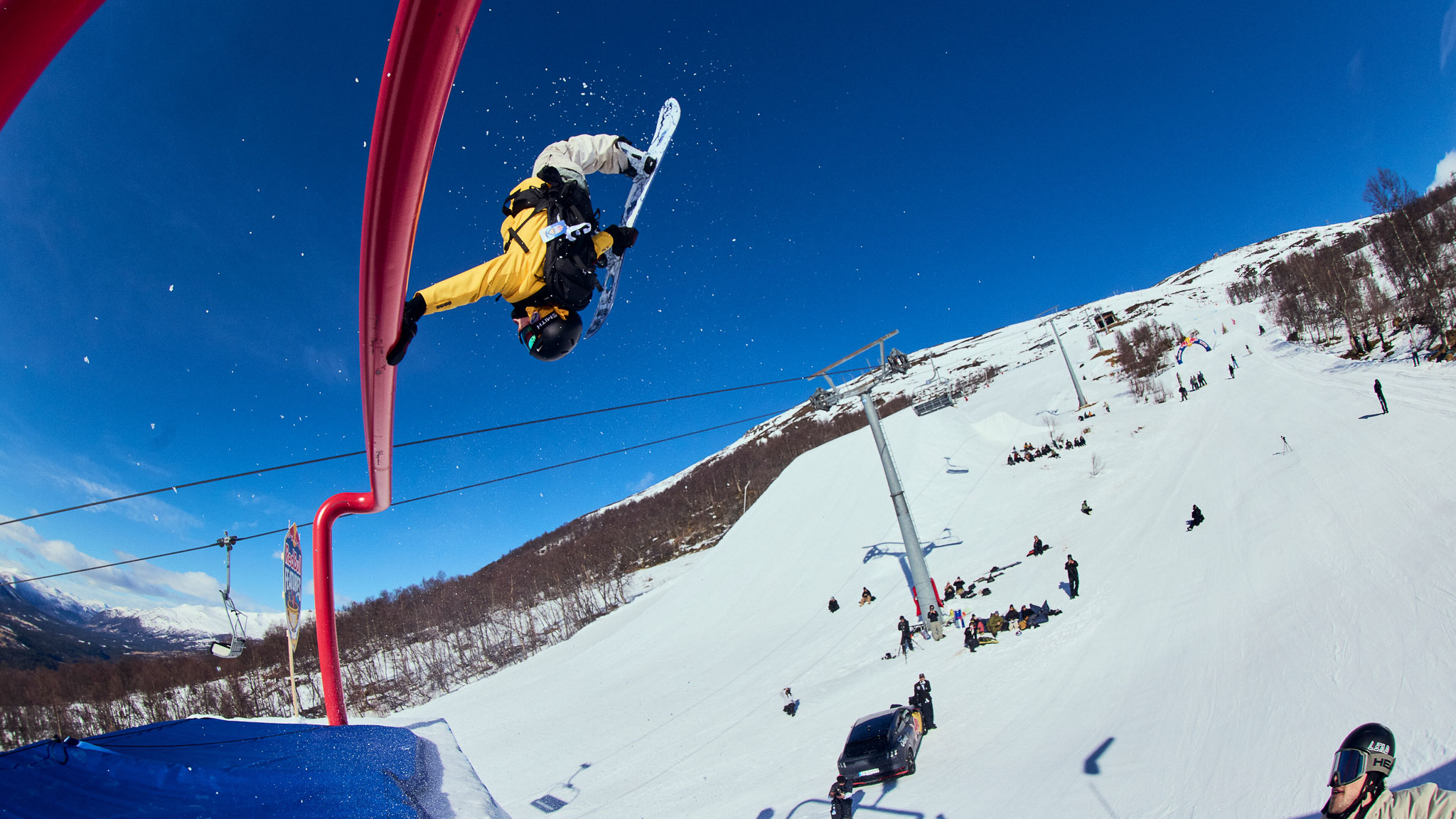
As the competition transitioned to the rail jam, the atmosphere shifted into a high-octane display of technical wizardry. Initially structured as a traditional open session, the zone introduced a randomized element via a spinning wheel that dictated specific tricks and obstacle features riders had to incorporate on the fly. This forced rapid, real-time adaptation. North America leveraged its profound rail depth to dominate aspects of the session, while Europe’s Fridtjof Tischendorf—affectionately known as "Fridge"—emerged as a standout performer, effortlessly executing complex maneuvers under both open and randomized constraints.
The third phase moved the athletes to the quarterpipe, where the primary evaluation metrics shifted to sheer amplitude, style, and team coordination. Organizers expanded the creative parameters of the zone by integrating a wall ride and a hitching post. Crucially, bonus points were awarded for synchronized “doubles” runs, requiring one rider to navigate low on the coping while a teammate launched an aerial maneuver directly overhead. All three regional teams successfully executed synchronized doubles, injecting a collaborative energy into the venue. Tischendorf once again anchored Europe’s standing with towering airs, while Asia-Pacific displayed remarkable spatial awareness, maintaining close contact with the leaders.
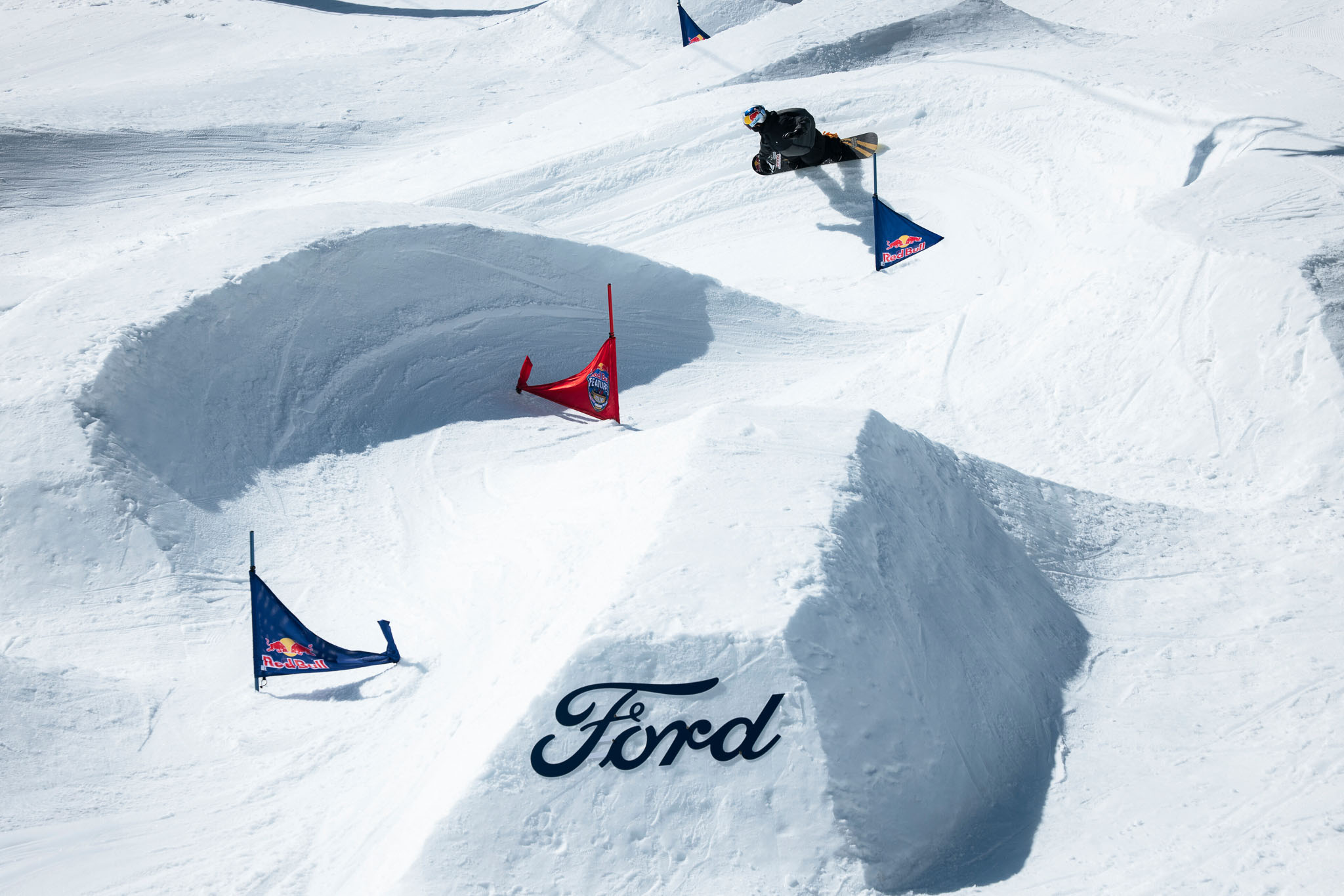
The final scheduled phase, the jump session, served as a defining highlight of the event. Eschewing the conventional approach of maximizing rotation size at all costs, organizers implemented a progressive format. Riders were required to systematically build their trick selection upward, starting from basic 180s and capping out at a maximum rotation of 900. By capping the rotation level, the format successfully shifted the judging focus away from sheer aerial difficulty and toward flawless execution, grab variations, and stylistic flow. Marcus Kleveland spearheaded Europe’s charge in this zone, but athletes from all three regions rose to the occasion in a breathtaking finale.
The Historic Three-Way Tie and Sudden-Death Finale
When the scores from all four standard zones were tabulated, the competition produced a rare and mathematically improbable outcome. Europe, North America, and Asia-Pacific finished the regular phases in a dead heat, each accumulating precisely 12 points.
The statistical breakdown of the tie revealed the distinct paths each team took to reach the summit: Europe secured two decisive zone victories; Asia-Pacific combined a single zone win with a series of crucial second-place finishes; and North America maintained relentless consistency across every obstacle.
To break the deadlock, event officials instituted an unplanned fifth zone: a high-stakes sudden-death hip session. Under immense pressure and with the overall title hanging in the balance, the Asia-Pacific squad capitalized on their collective momentum, deep roster reserves, and fearless execution. Their performance on the hip secured the session win and, with it, the inaugural Red Bull Features Cup championship trophy.
Final Standings
- Asia-Pacific
- North America
- Europe
Industry Analysis and Broader Implications
The debut of the Red Bull Features Cup has been met with widespread acclaim from athletes, industry analysts, and media outlets alike, signaling a potential shift in how competitive snowboarding may evolve in the coming years. For decades, the professional snowboarding landscape has been dominated by standardized contests—such as the X Games and the FIS World Cup circuit—where athletes must adhere to strict judging criteria, execution percentages, and repetitive run structures designed for broadcast television.
While traditional events remain vital for the sport’s global visibility and Olympic pathways, they have occasionally faced criticism from core participants for stifling individual creativity in favor of calculated point-maximization. The Red Bull Features Cup directly addressed these concerns by decentralizing the focus on difficulty scores and replacing them with randomized obstacles, cooperative team mechanics, and playful modifiers like the Mischief Multiplier.
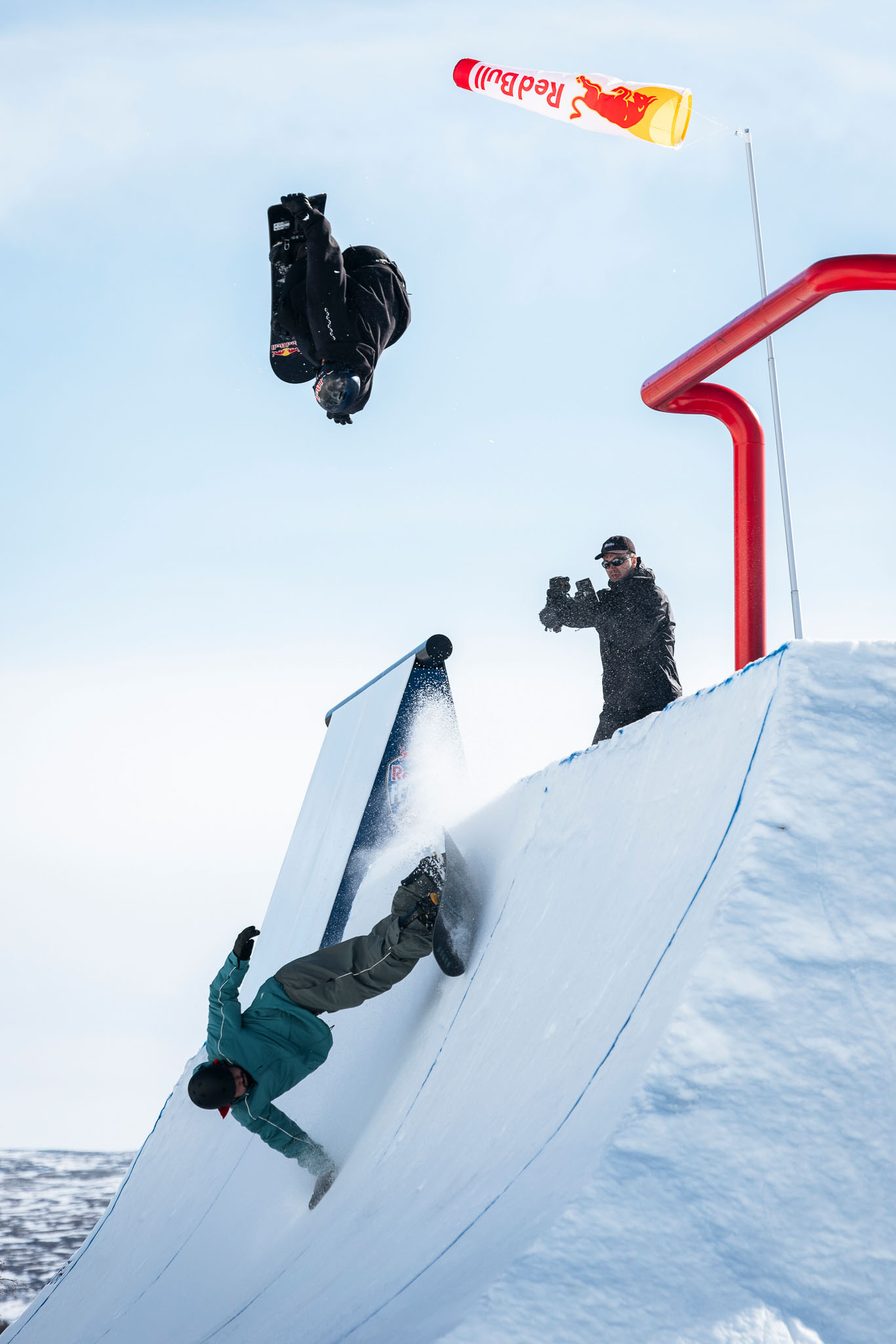
Industry observers note that this format bridges the gap between commercial contest snowboarding and the authentic, session-based culture that defines everyday riding. By forcing athletes to collaborate—such as in the synchronized quarterpipe doubles—the event cultivated an atmosphere of shared camaraderie rather than isolated cutthroat competition. Furthermore, the inclusion of retro or modified equipment, such as the mini-boards in the banked slalom, injected a much-needed sense of lightheartedness and fun back into the competitive sphere.
Participant Reflections and Future Outlook
Speaking after the event, athletes and organizers alike emphasized that the true victory of the weekend lay outside the podium standings. Riders consistently noted the refreshing lack of traditional contest anxiety, describing an environment where the primary motivation was feeding off teammates’ energy and pushing the boundaries of what is possible on a snowboard.
Event organizers and media personnel on site highlighted the flawless execution of the course design, which successfully married technical challenge with visual spectacle. The inclusion of iconic riders and emerging talents alike—from veterans like Marcus Kleveland to regional standouts such as Zephyr Lovelock, Cool Wakushima, and Len Jørgensen—ensured that the riding standard remained extraordinarily high throughout the weekend.
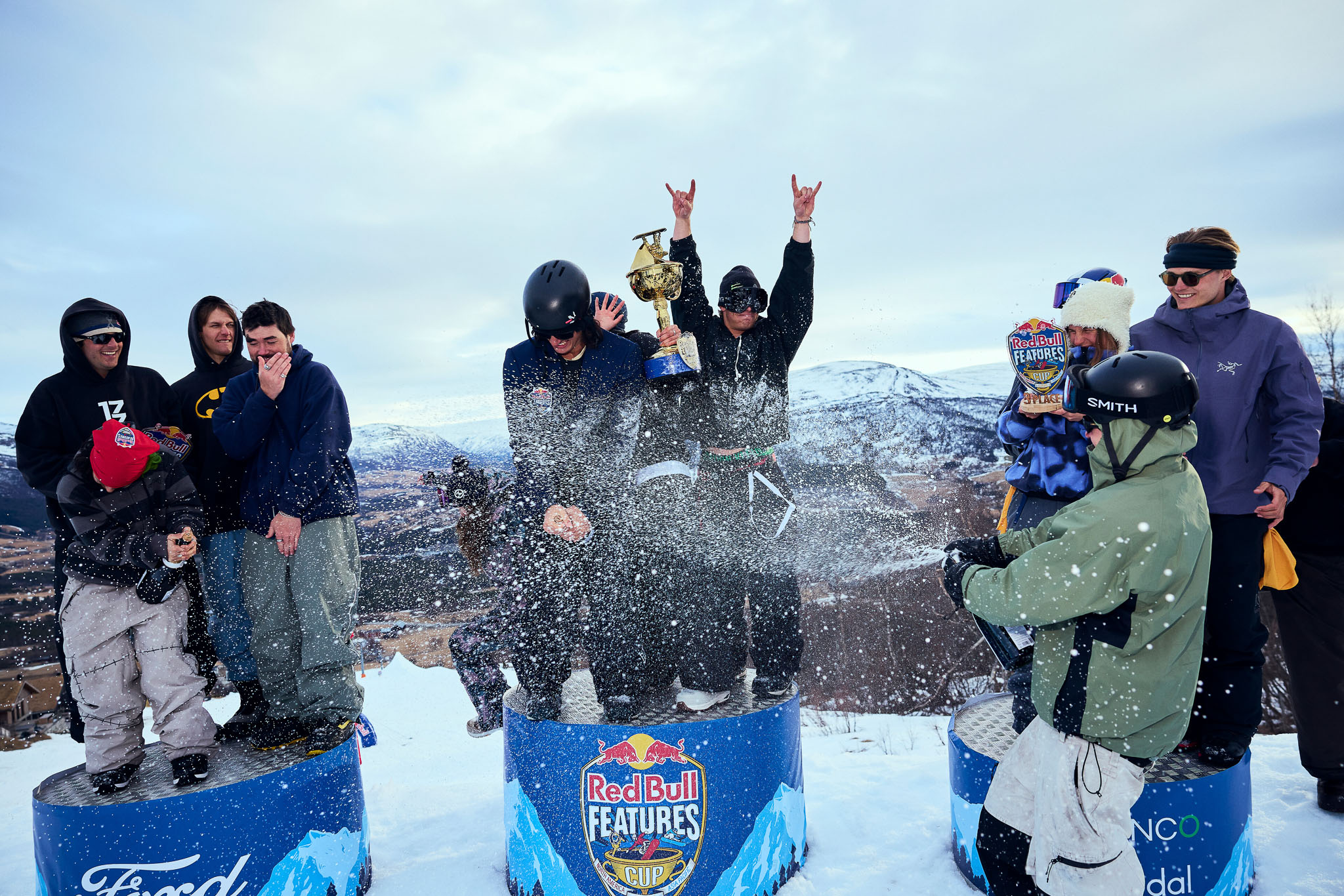
As the dust settles on the inaugural edition, the Red Bull Features Cup has firmly established a new benchmark for innovative snowboarding events. By proving that high-level competition can successfully coexist with creative freedom, teamwork, and an emphasis on pure enjoyment, the event has laid a compelling blueprint for the future of action sports entertainment.

