
The landscape of Norwegian cross-country skiing has been marked by a significant shift in dynamics following the decision by national team veterans Tiril and Lotta Udnes Weng to join the private professional outfit Team Anlegg Øst. Just two months after their departure from the national team program, the twins have demonstrated a remarkable return to form. During the Blink Festival in August, the pair secured four podium finishes across three days, including a victory, two second-place finishes, and a third-place finish. This performance not only signaled their intent for the upcoming season but also highlighted a tangible evolution in both their technical execution and physical conditioning compared to the preceding two seasons.
A Career Crossroads: From National Team to Private Initiative
The transition follows a period of significant upheaval for the sisters. Tiril Udnes Weng, who reached the pinnacle of the sport by winning the overall World Cup title in 2023 and finishing third in the Tour de Ski that same year, faced a difficult 2023-2024 season. Following eight years on the national team, her exclusion from the roster in April served as a stark turning point. Her twin sister, Lotta, faced a similar exit after seven years of service.
The decision to join Team Anlegg Øst—a Lillehammer-based private team—was driven by a desire for a more localized, intensive, and individualized training structure. The sisters emphasized that their priority was a stable environment that allowed for more frequent group training sessions and closer daily follow-up from coaching staff. By "selling" themselves as a package deal, the twins successfully integrated into the five-person roster of Team Anlegg Øst in May, alongside teammates Albert Sunde Øhlschlägel, Kasper Herland, and Oline Vestad.
The Training Methodology: Quality over Quantity
The core of the team’s success in recent months lies in a highly structured training regime overseen by coach Emil Hosøy. Unlike the broader, more generalized approach often necessitated by larger national team structures, Team Anlegg Øst prioritizes specific, high-intensity intervals with immediate feedback loops.
"I do not think there are many teams in Norway that have a coach present at as many sessions as we do," Lotta Udnes Weng noted during a training camp in Font Romeu, France. "Emil is excellent at designing programs, and having him present at almost every session ensures quality control. It makes you more focused when you know the coach is monitoring your progress in real-time."
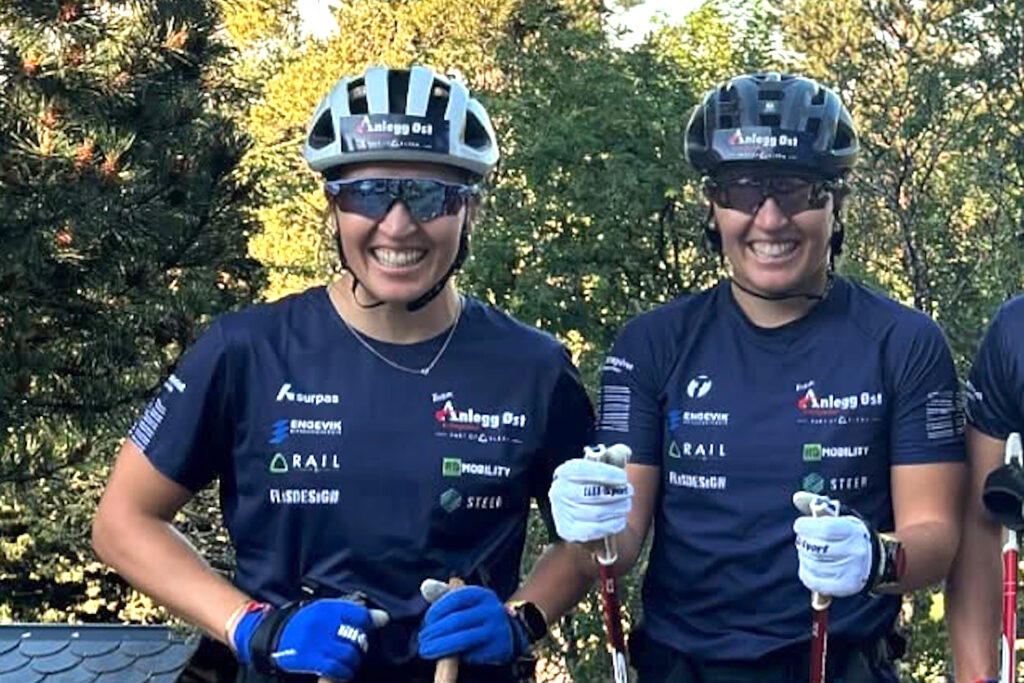
The current training cycle incorporates at least four high-intensity sessions per week, with a consistent focus on double threshold sessions every Monday and Friday. This rigorous adherence to intensity management has allowed the sisters to maintain better continuity in their training, minimizing the "bad days" that hampered their performance during the previous season.
Comparative Analysis of Training Regimes
For elite athletes, the transition from a national team environment to a smaller, private team setup represents a fundamental change in philosophy. The national team, by necessity, must cater to a broader range of needs and long-term development goals. In contrast, Team Anlegg Øst has adopted a more targeted approach, focusing heavily on distance-capacity building.
Lotta Udnes Weng pointed out that the shift away from a constant sprint-centric focus has been crucial. By dedicating themselves to building their aerobic capacity, the sisters are addressing the specific physical limitations that hindered their performances in distance races last year. This strategic pivot appears to be yielding results, as indicated by their rapid improvement in testing and competition during the summer months.
The presence of other high-level athletes, such as Karoline Grøtting and Karoline Simpson-Larsen, who train with the team despite being part of the national elite squad, further elevates the quality of the training environment. This collaborative atmosphere creates a "rising tide" effect where the competitive intensity remains consistently high across all training blocks.
The Road to the 2026 World Championships
The primary objective for the upcoming winter is a selection for the FIS Nordic World Ski Championships in Falun, Sweden, scheduled for February 2026. The path to this goal is clearly defined: the season opener at Beitostølen in late November serves as the initial benchmark, followed by the commencement of the World Cup circuit on November 27.
The twins are acutely aware of the challenges ahead. Despite their early success at the Blink Festival, they maintain a grounded perspective on the physical demands of the winter season. "We have hit walls before," Tiril Udnes Weng remarked. "The goal is to remain diligent, maintain the current momentum, and ensure that the work we are putting in now translates to the start line in November."
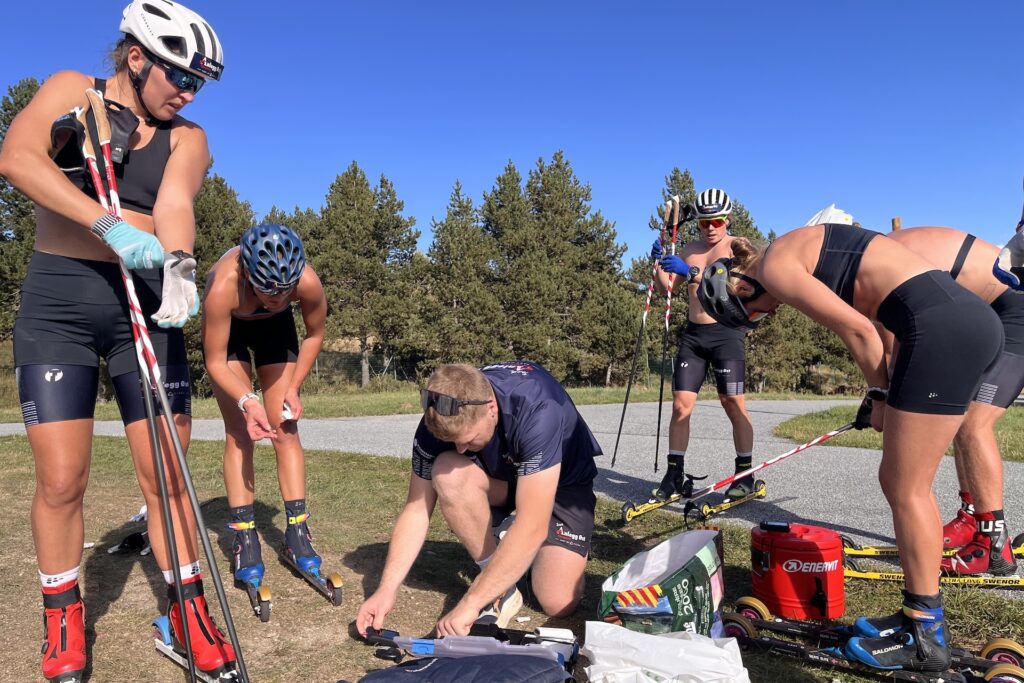
Coach Emil Hosøy remains optimistic, noting that the twins’ ability to quickly assimilate into the team’s structure has been a primary driver of their recent progress. "I have great faith that high-caliber athletes who fully commit to this program will see significant improvement," Hosøy stated. "The training season thus far has been excellent, and I had no reason to expect anything less."
Broader Implications for Norwegian Skiing
The success of the Udnes Weng twins within a private team structure raises questions about the future of talent development in Norwegian cross-country skiing. As the gap between private professional teams and the national team model narrows, the importance of flexibility and individual focus becomes more apparent.
The success of this model suggests that elite athletes, particularly those who have been in the system for years, may benefit from a change in scenery and a more intimate coaching relationship. If the twins continue to perform at a high level through the early World Cup rounds, it may force a re-evaluation of how the national federation supports its veteran athletes.
Furthermore, the "Anlegg Øst" model demonstrates that competitive excellence is not solely the domain of the state-sponsored national team. By creating an environment that fosters consistency, technical discipline, and high-quality recovery, the team has provided a blueprint for how smaller units can compete with the largest infrastructures in the sport.
Chronology of the Transition
- April 2024: Tiril and Lotta Udnes Weng are not offered renewal of their national team contracts after eight and seven years respectively.
- May 2024: The twins officially join Team Anlegg Øst, initiating a new training program under coach Emil Hosøy.
- August 2024: The twins compete at the Blink Festival, securing four podium finishes, confirming their physical and technical improvement.
- September 2024: High-altitude training in Font Romeu, France, to finalize preparations for the upcoming winter season.
- November 21–23, 2024: Season opener at Beitostølen.
- November 27, 2024: Start of the FIS World Cup circuit.
- February 2026: Target competition, the FIS Nordic World Ski Championships in Falun.
Conclusion
As the winter season approaches, the focus for Tiril and Lotta Udnes Weng remains on execution. The narrative of their transition from the national team to Team Anlegg Øst is one of resilience and professional adaptation. By prioritizing systematic training, intensive coaching involvement, and a shift in physical focus, they have positioned themselves as strong contenders for the upcoming season. Whether this resurgence will culminate in a return to the podium at the Falun World Championships remains to be seen, but the progress made in their first two months with their new team suggests that they have successfully navigated the most difficult phase of their career transition. The upcoming months will serve as the true test of their revised approach, with the entire Norwegian skiing community watching to see if this "two-for-one" deal can yield medals on the international stage.

