
Manning Park Resort, nestled within the scenic expanse of British Columbia’s E.C. Manning Provincial Park, has officially unveiled a comprehensive, multi-decade roadmap designed to transform its guest experience, terrain layout, and resort infrastructure. Known for its family-friendly atmosphere, reliable snowfall, and dedicated community following, the mountain is looking far beyond routine maintenance and standard chairlift replacements. The newly released Ski Resort Development Plan (SRDP) outlines a sweeping vision that stretches chronologically through the year 2084, with an immediate, concentrated focus on the next ten years.
Rather than signaling an imminent ground-breaking for the upcoming winter season, the published executive summary and supplementary public outreach documents articulate a cohesive framework. This framework aims to strategically coordinate improvements across alpine slopes, lodging facilities, electrical grids, and essential employee housing. As regional demand for four-season outdoor recreation continues to surge across the Pacific Northwest, Manning Park Resort’s leadership is positioning the property to meet future capacity challenges while preserving the natural charm that has defined the destination for generations.
A Vision for Terrain Expansion and Connectivity
At the core of the newly proposed Ski Resort Development Plan is a fundamental restructuring of how skiers and snowboarders navigate the mountain. Under the conceptual master plan, Manning Park would introduce an additional ski sector, bringing the resort’s total operational layout to four distinct sectors at full build-out.
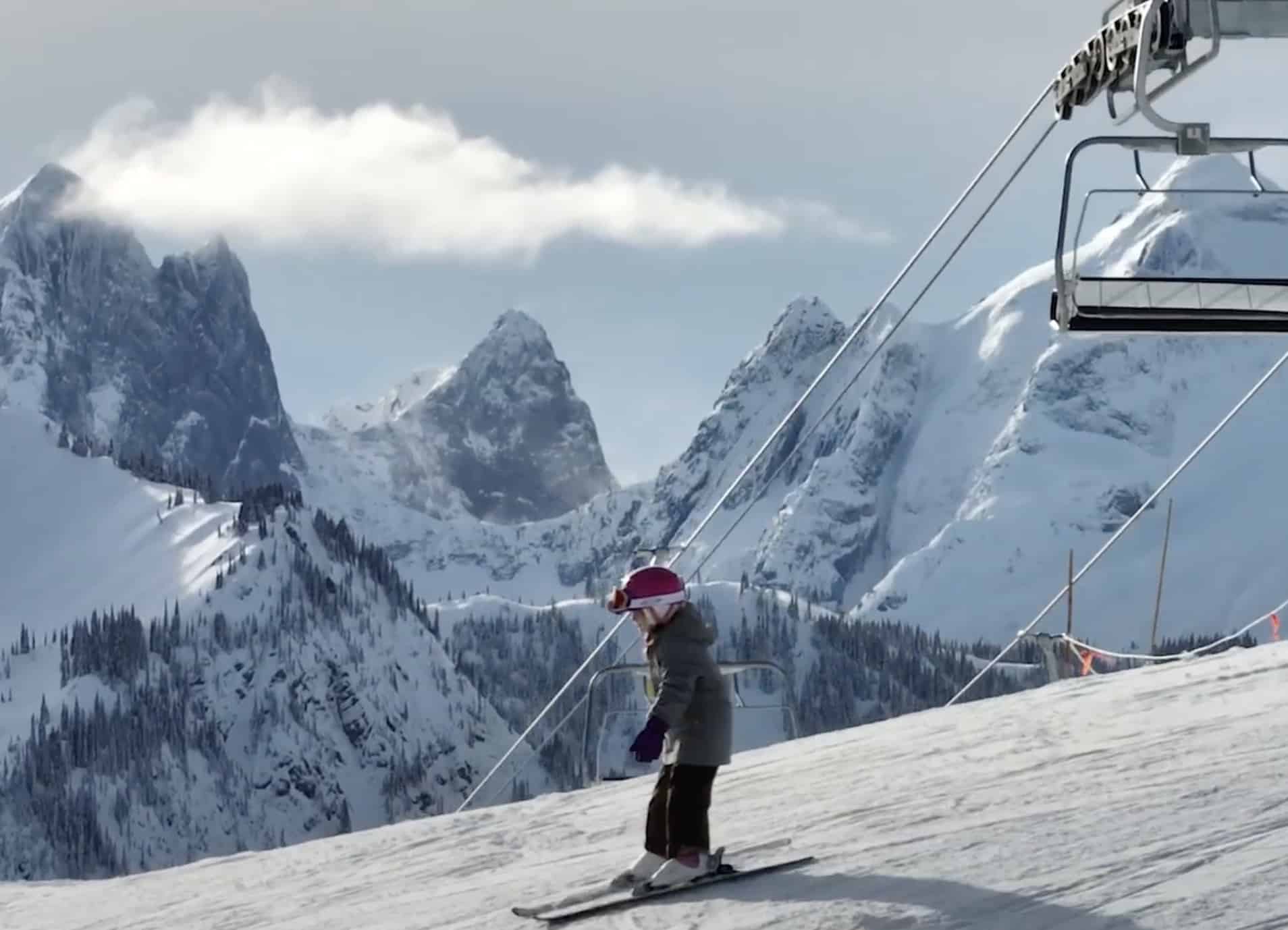
Initial short-term priorities focus heavily on expanding access to the untamed terrain located directly east of the existing Bear Chair. Simultaneously, resort planners have targeted the crucial beginner learning zones situated immediately below the Alpine Lodge. Enhancing these beginner areas is viewed as vital for cultivating new generations of snowsports enthusiasts, ensuring a safe, logical progression for novices before they venture onto intermediate and advanced runs.
In subsequent phases of the development timeline, the resort plans to comprehensively realign and upgrade the aging Blue Chair. This engineering feat would not only improve mechanical reliability but also unlock additional vertical drop and expanded terrain configurations uniquely suited for intermediate skiers. Furthermore, the master plan introduces the innovative concept of a skier bridge spanning across Gibson Pass Road. This strategic infrastructure addition would seamlessly connect returning skiers directly to the bottom terminal of a proposed new chairlift, eliminating bottlenecks and streamlining cross-road transit.
To legally accommodate these ambitious alpine concepts, Manning Park Resort is formally requesting an approximately 148-acre expansion of its Controlled Recreation Area (CRA). This requested adjustment represents roughly a 22% increase to the resort’s existing operational footprint. Industry analysts and resort representatives are quick to emphasize a vital distinction: a larger development boundary and a larger trail map are not mutually exclusive. The proposed acreage increase serves as a boundary adjustment to grant operational flexibility, rather than an immediate promise of 148 acres of newly cleared timber and freshly cut ski runs. Every individual trail and lift alignment remains strictly subject to rigorous environmental scrutiny and regulatory review.
Modernizing Base Infrastructure and Electrification
While new chairlifts and steeper pitches capture the immediate imagination of weekend warriors, the mundane realities of base area logistics ultimately dictate the quality of a ski day. Manning Park’s proposed blueprint addresses this directly by reimagining the main alpine base into a pedestrian-oriented plaza. By clustering core skier services—including ticket windows, rental shops, snowsports schools, and dining options—around a central hub, the resort aims to drastically reduce walking distances between parked vehicles, base facilities, and lift terminals.
Additionally, planners have proposed relocating existing maintenance and operational yards away from high-traffic guest zones. Clearing these footprints would free up valuable acreage that can be repurposed to expand beginner teaching terrain and improve guest flow. However, transforming a historic mountain base requires foundational utility upgrades that extend far beyond aesthetics and concrete pours. According to the resort’s executive summary, establishing a robust, high-capacity connection to the BC Hydro electrical grid is recognized as an absolute prerequisite for the successful execution of subsequent development phases. Without dependable, expanded electrical infrastructure, modern snowmaking capabilities, lift operations, and expanded base facilities cannot scale to meet future demands.
Expanding Accommodations and Prioritizing Employee Housing
A holistic approach to modern resort planning requires balancing guest lodging with the fundamental needs of the workforce required to keep the operation running smoothly. Manning Park’s master plan incorporates a variety of real estate and infrastructure enhancements designed to bolster its status as a premier four-season destination.
On the guest accommodation front, the blueprint features six new premium cabins and three modern chalets, alongside expanded summer recreation options and a potential relocation of the popular tubing park. The historic Manning Park Lodge is also slated for crucial accessibility improvements, including the installation of a new elevator to ensure all visitors can navigate the historic facility comfortably. Longer-term developmental horizons introduce concepts for a dedicated Nordic Centre and expanded health and wellness amenities centered around the primary lodge area.
Equally critical to the resort’s long-term viability is the ongoing commitment to employee housing. Operating a growing four-season resort demands a reliable, local workforce, a challenge compounded by the severe housing shortages historically plaguing mountain communities across British Columbia. Manning Park is not approaching this challenge unprepared. The resort previously made significant strides in this arena, notably highlighted by the 2022 completion of the Owl and Raven employee apartment buildings. That project successfully introduced 24 one-bedroom housing units alongside a dedicated community center for staff members. The new development plan integrates further staff housing expansions and operational maintenance facilities directly into its timeline, acknowledging that sustainable resort growth is inextricably linked to employee welfare and community integration.

Regulatory Framework, Environmental Reviews, and Public Consultation
Because Manning Park Resort operates entirely within the boundaries of E.C. Manning Provincial Park, the inclusion of any project within the Ski Resort Development Plan does not grant unilateral authority for construction. The administrative hurdles governing provincial parks in British Columbia are among the most stringent in North America.
According to the resort’s published planning documentation and frequently asked questions, every individual project proposed within the master plan must undergo exhaustive, independent impact assessments. These mandatory evaluations cover comprehensive environmental, cultural, and social considerations. Furthermore, extensive consultation with local Indigenous communities and First Nations is a non-negotiable legal requirement. Depending on the specific geographic location of proposed lifts or utility lines, detailed archaeological impact assessments may also be mandated before a single shovel touches the dirt.
To ensure transparency and foster community dialogue, a structured public comment period has been scheduled to run from October 1 through November 30. Resort management and BC Parks officials have organized formal public open houses to present the conceptual plans directly to stakeholders, local residents, and passionate visitors. The initial open house schedule includes a session on October 14 at the Camperland RV Resort in Bridal Falls, followed by a second session on October 17 at Manning Park Resort itself.
Following the conclusion of the public comment window, Manning Park Resort and BC Parks will compile, review, and summarize all feedback received from the community. This collective input will guide subsequent iterations of the master plan, allowing officials to address environmental concerns and community priorities before specific projects advance through the regulatory pipeline.

Broader Industry Context and Economic Implications
The release of Manning Park’s Ski Resort Development Plan reflects a broader macroeconomic trend sweeping the North American ski industry. As independent and regional resorts face mounting competitive pressures from massive corporate conglomerates operating multi-resort pass networks, independent properties must innovate to secure their long-term viability.
For Manning Park, the strategy relies heavily on maximizing its unique identity as an accessible, family-oriented, four-season mountain escape situated within a protected provincial park. By diversifying its revenue streams—enhancing summer operations, upgrading lodging options, and improving the foundational guest experience—the resort is building resilience against the increasing unpredictability of winter weather patterns brought on by climate change.
Furthermore, the emphasis on electrical grid integration and environmental stewardship highlights a growing industry-wide commitment to sustainable operations. Modern skiers and snowboarders increasingly demand ecological transparency from mountain operators. By engaging in a multi-decade public consultation process and tying its expansion goals directly to rigorous provincial park oversight, Manning Park is attempting to set a benchmark for collaborative, transparent resort planning.
Conclusion and Next Steps for Skiers

For the dedicated community of skiers, snowboarders, and outdoor enthusiasts who frequent Manning Park, the newly released development plan offers a fascinating glimpse into the mountain’s distant future. While the timeline stretches out decades ahead and requires navigating a complex labyrinth of provincial park regulations, environmental assessments, and public reviews, the underlying direction is clear.
The resort is committed to evolving from a cherished local secret into a thoroughly modernized, highly efficient four-season destination. As the public consultation period unfolds through the autumn months, stakeholders have a rare and valuable opportunity to examine these proposals closely and make their voices heard. Ultimately, the decisions made today will shape the character of the mountain for generations to come, ensuring that Manning Park remains a cornerstone of British Columbia’s outdoor recreation landscape for decades into the future.

