
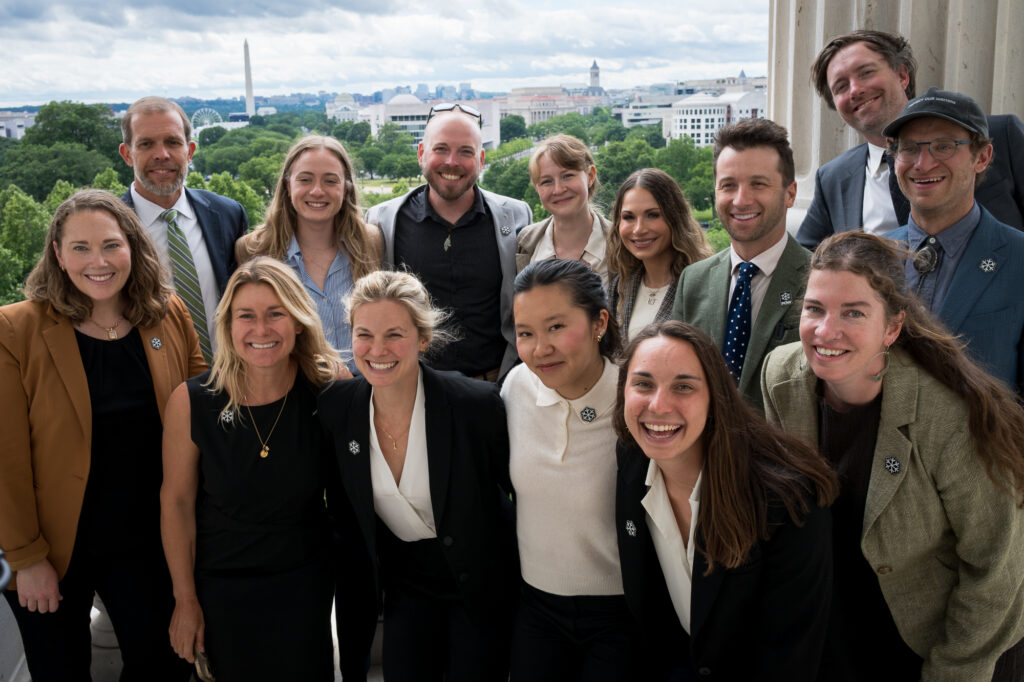
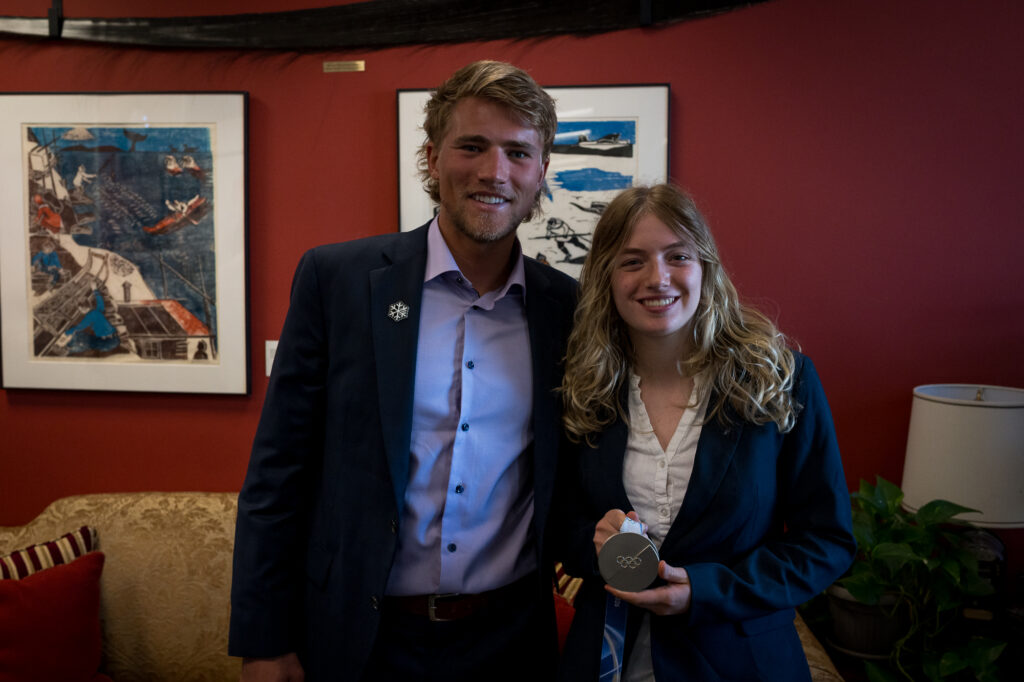
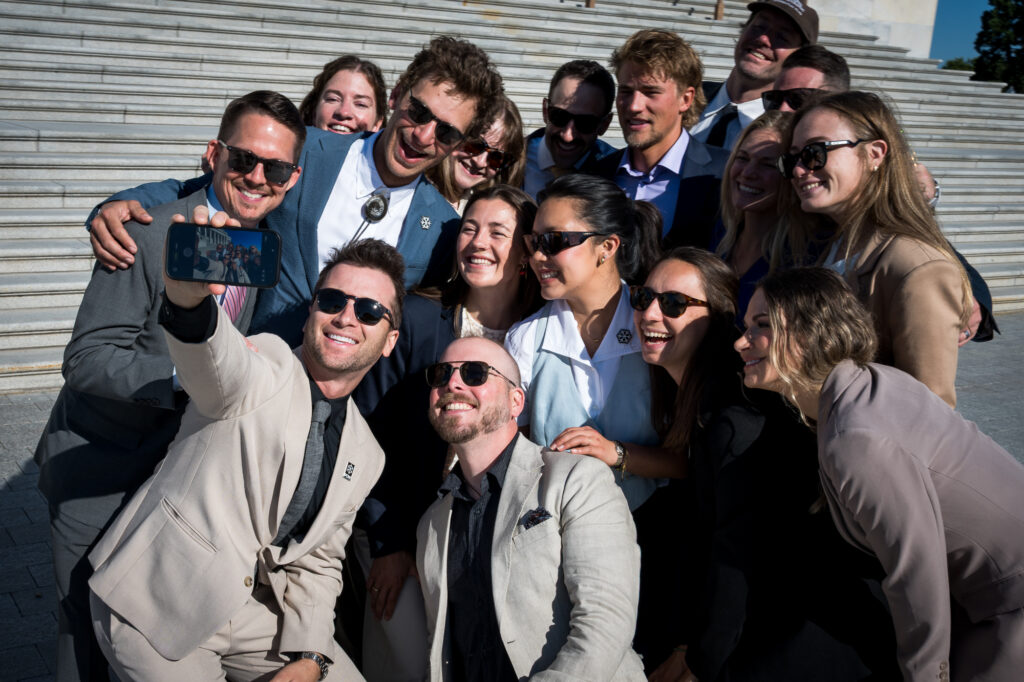
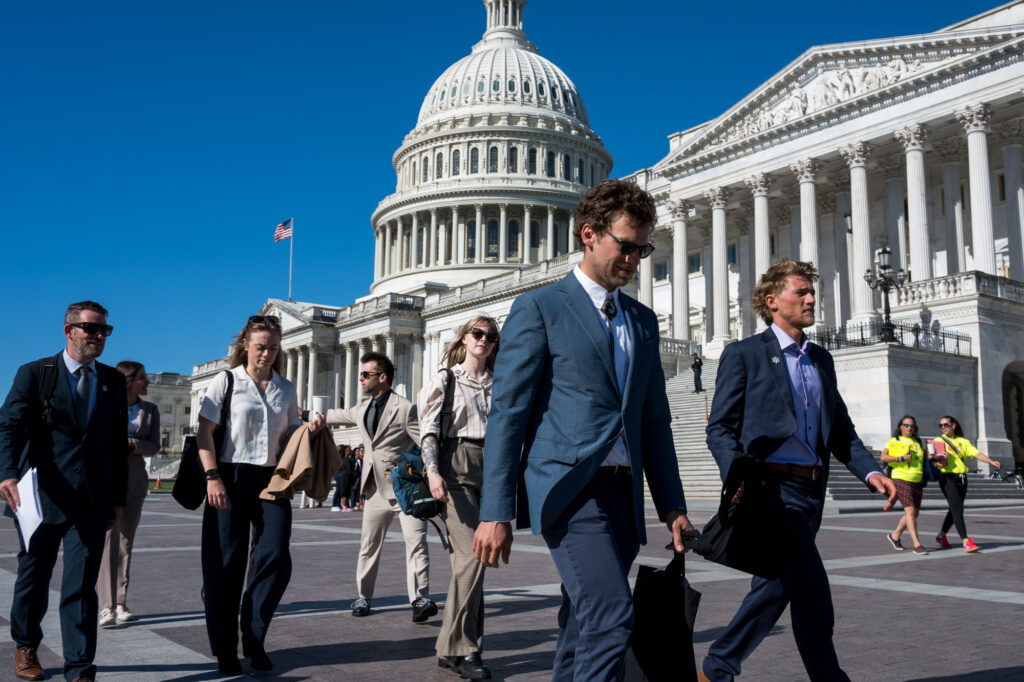
When the fundamental rules governing the stewardship of America’s public lands, air quality, and water safety are subjected to behind-closed-doors deregulation, silence is no longer an option for those whose livelihoods depend on a stable climate. Last week, the advocacy group Protect Our Winters (POW) mobilized a diverse, high-profile delegation to Capitol Hill, marking a significant escalation in the outdoor industry’s involvement in federal policy. The contingent, comprised of 13 Olympic athletes, climate scientists, documentary filmmakers, and industry executives, delivered a firm, non-partisan message to lawmakers: America’s public lands are not for sale, and the health of the planet is a non-negotiable prerequisite for the nation’s economic and environmental future.
A Chronology of the Advocacy Mission
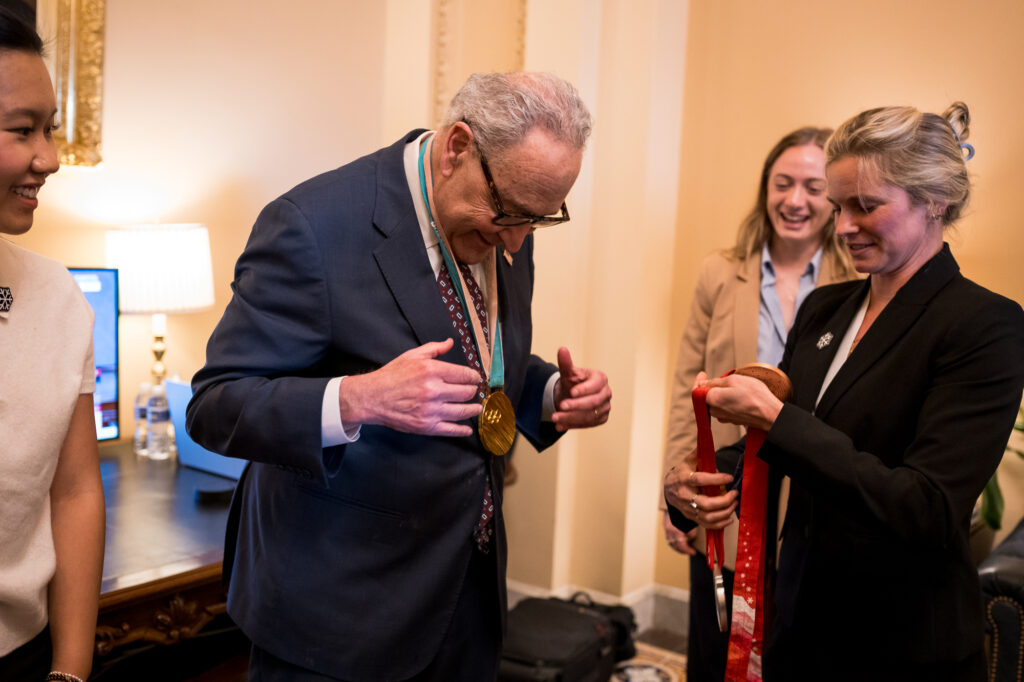
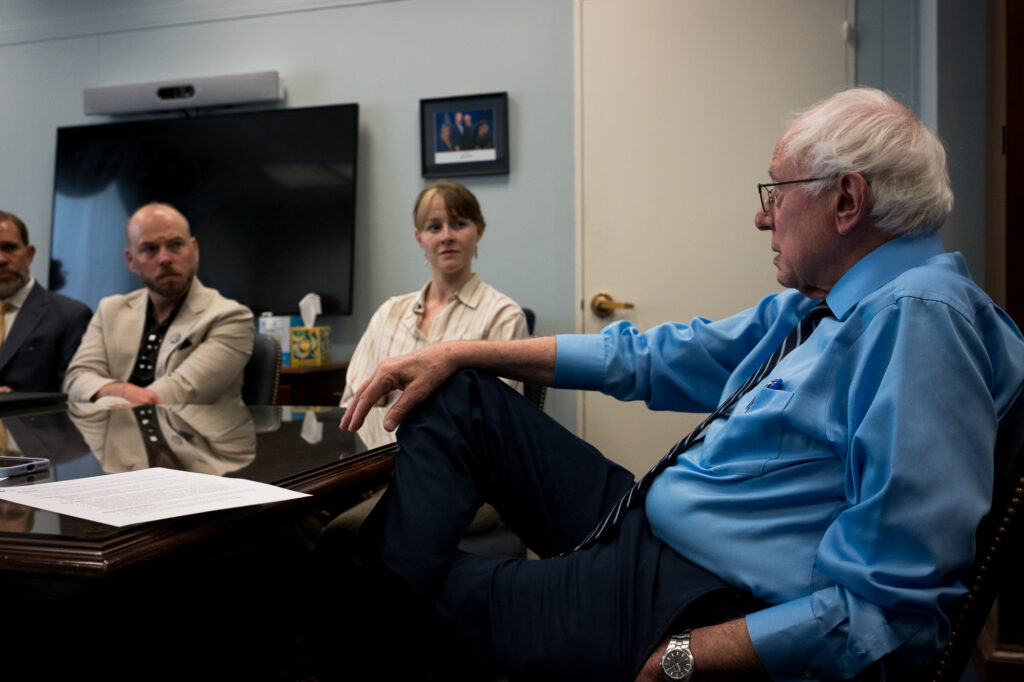
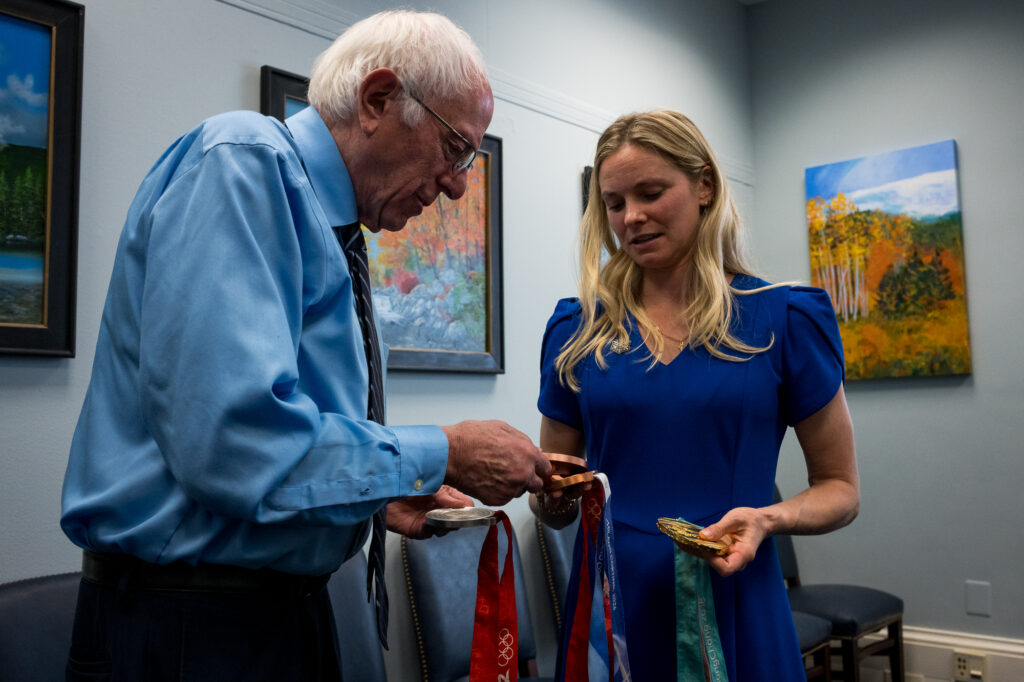
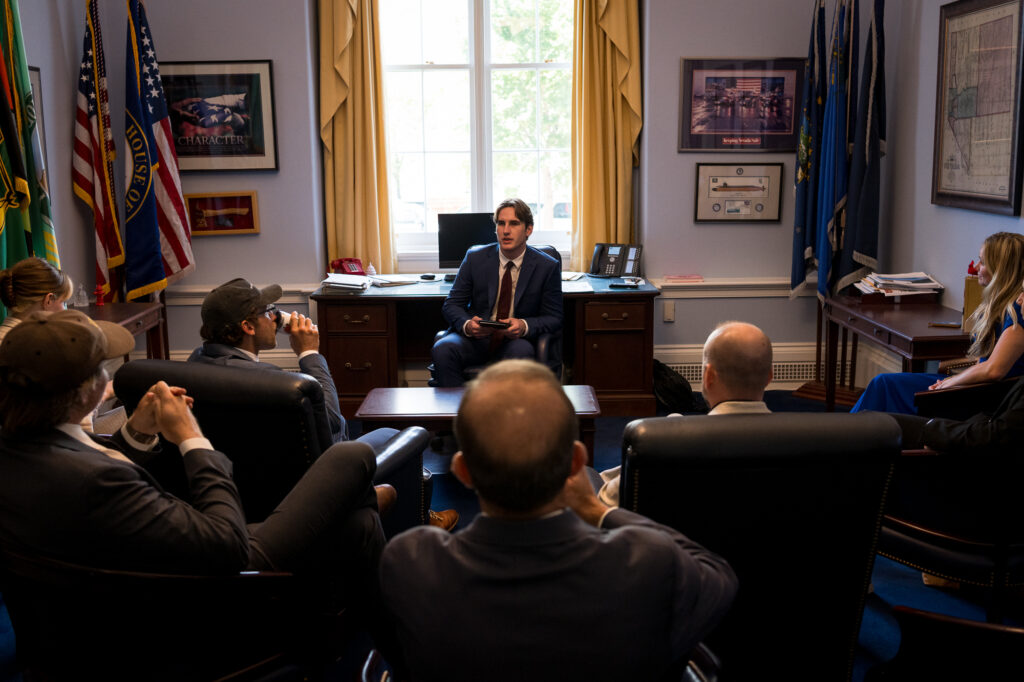
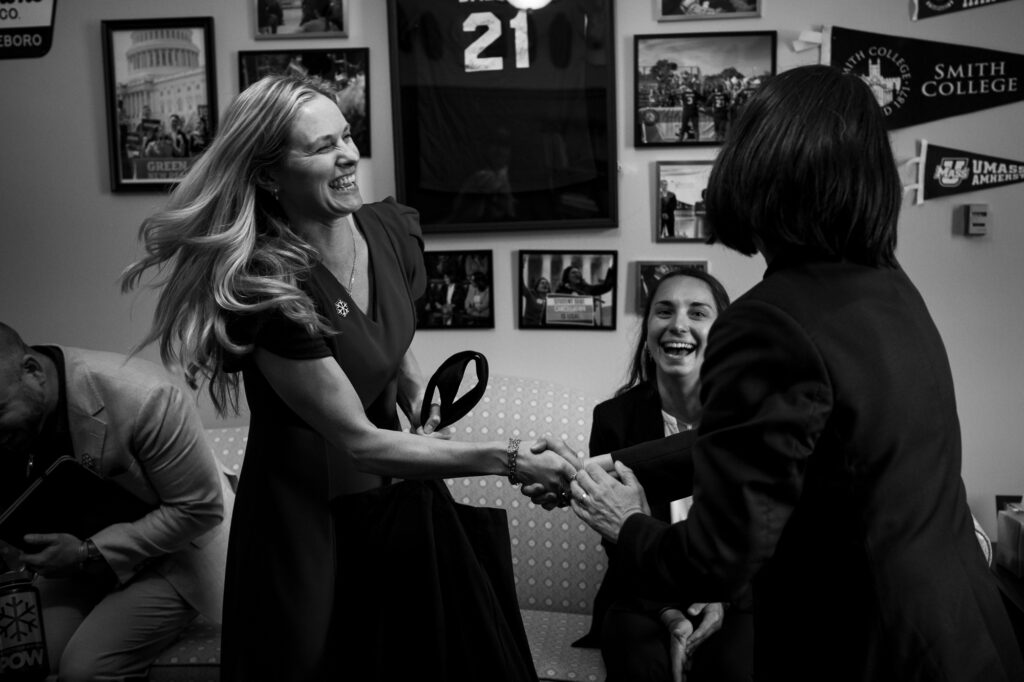
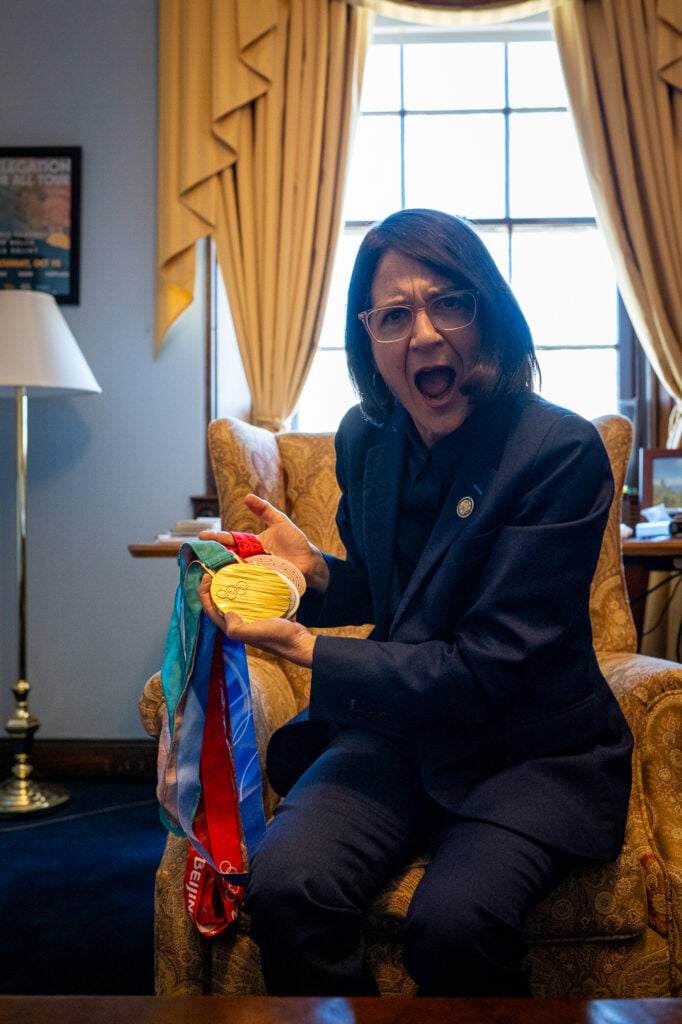
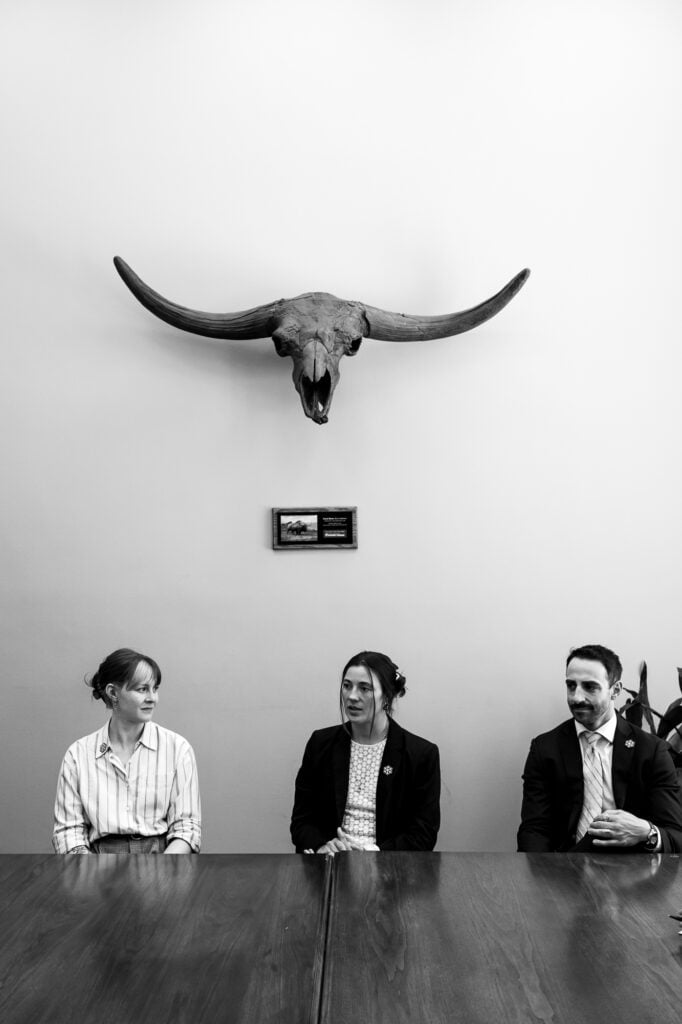
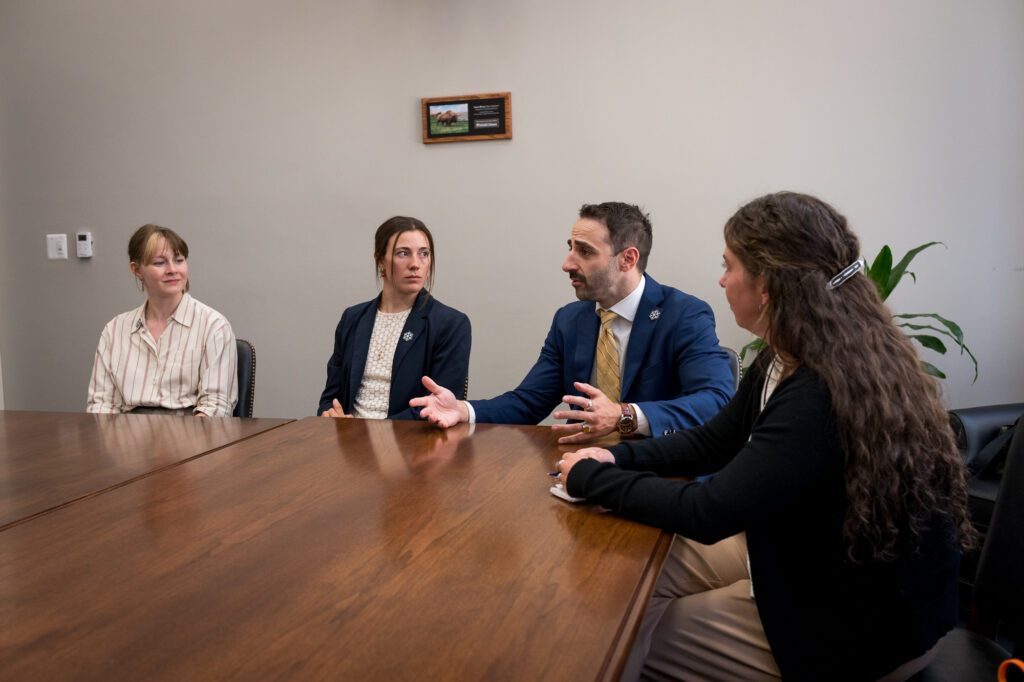
The two-day lobbying sprint was meticulously organized to maximize impact within the halls of Congress. The delegation, which included prominent figures such as Jessie Diggins, Julia Kern, Jaelin Kauf, Gus Schumacher, Bea Kim, and Olivia Giaccio, focused on direct engagement with key decision-makers. Over a 48-hour period, the group conducted 38 high-level meetings with congressional offices. These sessions were split between 15 Republican and 23 Democratic offices, ensuring a broad spectrum of political engagement. A primary focal point of these discussions was the House Natural Resources Committee, which oversees the majority of federal land policy and energy leasing programs.
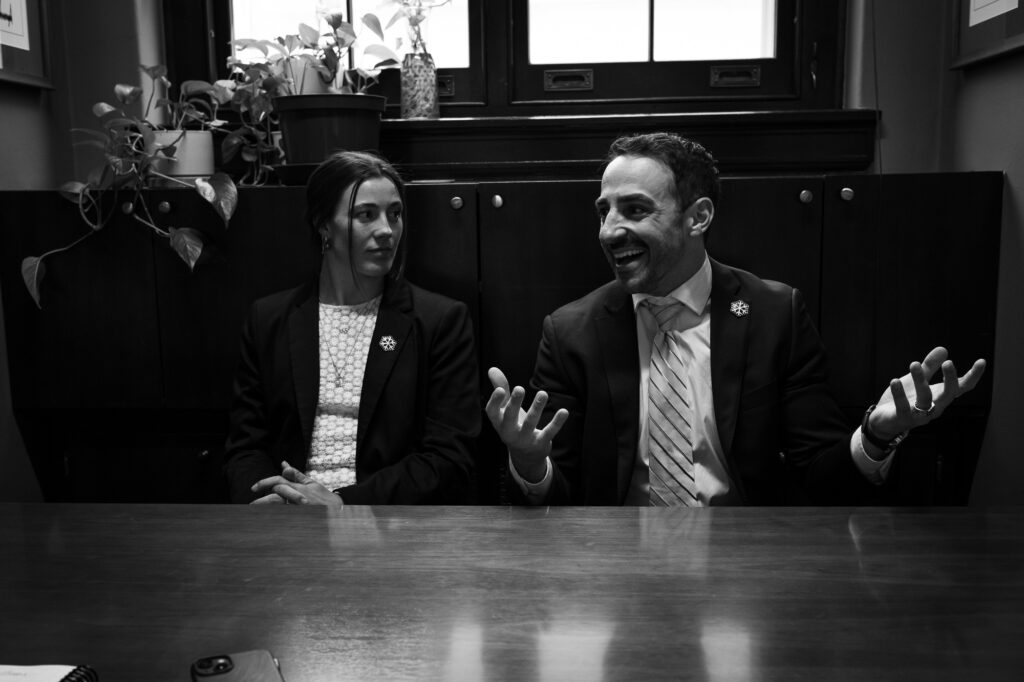
The mission was not merely symbolic. By integrating the personal narratives of Olympic athletes with the empirical data provided by scientists like Stu Nissenbaum and Tracy Fanara, the delegation sought to bridge the gap between abstract policy and tangible, lived experience. The inclusion of the POW Creative Alliance, represented by Mike Thurk, Max Lowe, and Chris Shane, served to amplify these messages through visual storytelling, ensuring the urgency of the mission was documented for a broader public audience.
The Legislative Landscape: A History of Deregulation
The impetus for this mobilization lies in the rapid legislative shifts observed since the start of 2025. Federal data indicates that the current administration has initiated or finalized the dismantling of over 50 core environmental regulations. These actions have largely been characterized by the sidelining of scientific advisory boards, the systematic weakening of enforcement mechanisms, and a regulatory pivot toward maximizing fossil fuel extraction on federal lands.
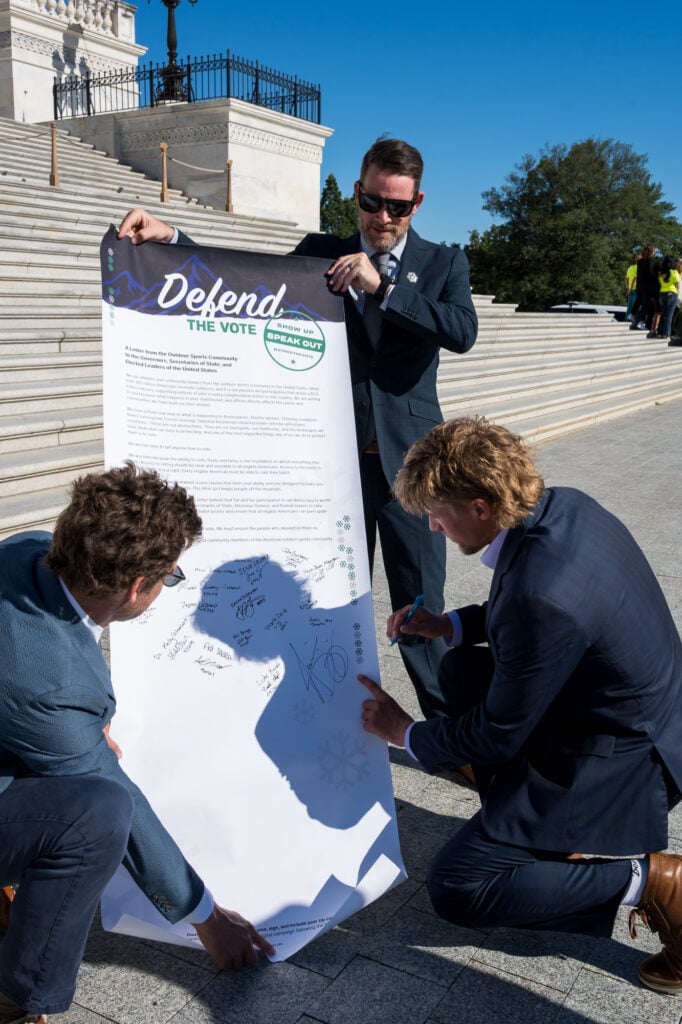
The Environmental Protection Agency (EPA), established by Congress to serve as the primary safeguard for public health, has faced unprecedented scrutiny and budget constraints. Critics argue that the current trajectory of deregulation creates a "regulatory vacuum," where polluters face fewer consequences for environmental degradation. During their meetings, the POW delegation specifically questioned lawmakers on their commitment to restoring the EPA’s mandate. The delegation advocated for a return to science-based decision-making, arguing that the rollback of clean water and clean air standards directly threatens the outdoor economy—a sector that contributes hundreds of billions of dollars to the U.S. GDP annually.
The Conflict Over Public Lands and Arctic Leasing
One of the most contentious points of the delegation’s agenda was the expansion of oil and gas leasing in protected landscapes. The Department of the Interior’s recent actions in Alaska have drawn sharp criticism from environmental groups and conservationists. In early 2025, the government finalized a lease sale in the National Petroleum Reserve-Alaska (NPR-A), granting 187 leases that encompass roughly 1.3 million acres of sensitive habitat.
The delegation’s testimony highlighted the ecological risks associated with such industrialization, particularly in the Arctic National Wildlife Refuge. With lease sales on the Coastal Plain opening in June, the group pushed for the passage of the Arctic Refuge Protection Act. Their argument focused on the long-term, irreversible damage caused by industrial extraction versus the short-term, cyclical nature of energy market fluctuations. By positioning public lands as a "national asset" rather than a "disposable resource," the delegation challenged the current administration’s "energy dominance" doctrine.
Scientific and Economic Arguments for Conservation
The effectiveness of the lobbying effort was bolstered by the participation of experts like Stu Nissenbaum, a former EPA scientist. In meetings with legislative staff, Nissenbaum provided technical context regarding the long-term implications of removing pollution controls. His presence turned the dialogue from political posturing to substantive analysis, particularly when discussing the loss of biodiversity and the degradation of watershed integrity.
The economic argument was equally prominent. The "Outdoor State"—a coalition of guides, hunters, anglers, small business owners, and gateway town residents—relies on stable seasonal patterns and intact ecosystems to sustain their operations. When climate-driven events such as wildfires and extended droughts disrupt the natural environment, these businesses suffer immediate financial losses. The delegation used this perspective to appeal to lawmakers from states where the outdoor recreation economy is a primary driver of tax revenue and employment, effectively reframing conservation as a matter of economic stability.
Reactions and Legislative Reception
The reception on Capitol Hill was varied, reflecting the deep partisan divide in Washington. However, participants noted that the "non-partisan" framing of public lands proved to be an effective diplomatic tool. In several instances, the delegation engaged with offices that are typically hesitant to support environmental initiatives, finding common ground on the necessity of land management for wildfire mitigation and drought resilience.
Olympic skier Gus Schumacher noted that while political ideologies differ, the fundamental interest in preserving natural beauty and maintaining viable outdoor spaces is a universal concern. "We might have different ideas of how to get there, but the conversation remains vital," Schumacher stated. The delegation’s approach—prioritizing steady, long-term relationship building—mirrors a growing trend in advocacy where grassroots groups are moving away from confrontational rhetoric toward a strategy of persistent, evidence-based engagement.
Broader Implications and Future Outlook
The long-term impact of this delegation remains to be seen, as legislative change is often a slow, incremental process. However, the mission signals a maturing of the outdoor industry’s political arm. By bringing athletes who serve as cultural icons into the room, POW has successfully increased the visibility of issues that often remain buried in committee reports or regulatory filings.
The implications for the 2026 legislative cycle are significant. As the debate over the future of the Arctic Refuge and the authority of the EPA continues, the presence of such a high-profile, non-partisan group provides a counter-weight to industry lobbyists. The delegation demonstrated that the "Outdoor State" has a specific, identifiable constituency that is paying close attention to how votes are cast and how policies are implemented.
Furthermore, the focus on "generational patience," as highlighted by Creative Alliance member Max Lowe, underscores a strategic shift. Rather than expecting immediate legislative victories, the coalition is focused on the long-game: establishing institutional relationships, educating staff, and ensuring that environmental protection remains a permanent fixture of the national conversation, regardless of the administration in power.
In conclusion, the Protect Our Winters delegation to Washington served as a litmus test for the resilience of the environmental movement in a period of intense regulatory turnover. By blending athletic influence, scientific rigor, and an economic focus, they have created a template for future advocacy. Whether this will result in the preservation of the Arctic or a restoration of EPA enforcement powers depends on whether these lawmakers view the "Outdoor State" as a transient interest group or as a powerful, permanent political constituency. For now, the delegation has ensured that the status quo of "behind-closed-doors" decision-making will face at least some public scrutiny, keeping the conversation on the protection of natural landscapes squarely in the public eye. The path forward remains complex, but the recent trip to D.C. has undeniably established that the outdoor community is no longer sitting on the sidelines.

