
The ambiguity surrounding Therese Johaug’s participation in the Copenhagen Half Marathon has finally been resolved. Following a week of uncertainty fueled by persistent physical setbacks, the 38-year-old Norwegian cross-country skiing legend has officially confirmed her entry into this weekend’s prestigious event. Despite a summer marred by pelvic pain and recurring training interruptions, her management team has verified that she will stand at the starting line, setting the stage for a highly anticipated performance in one of the most competitive fields in road running.
A Summer of Resilience and Setbacks
The road to Copenhagen has been anything but straightforward for the multiple-time Olympic gold medalist. Speaking candidly on her podcast, "Johaug og Gukild," just days before her season’s primary objective, Johaug admitted to the emotional and physical toll the last few months have taken. "So much has happened. It is frustrating," she stated, reflecting on a training cycle that was frequently derailed by injury.
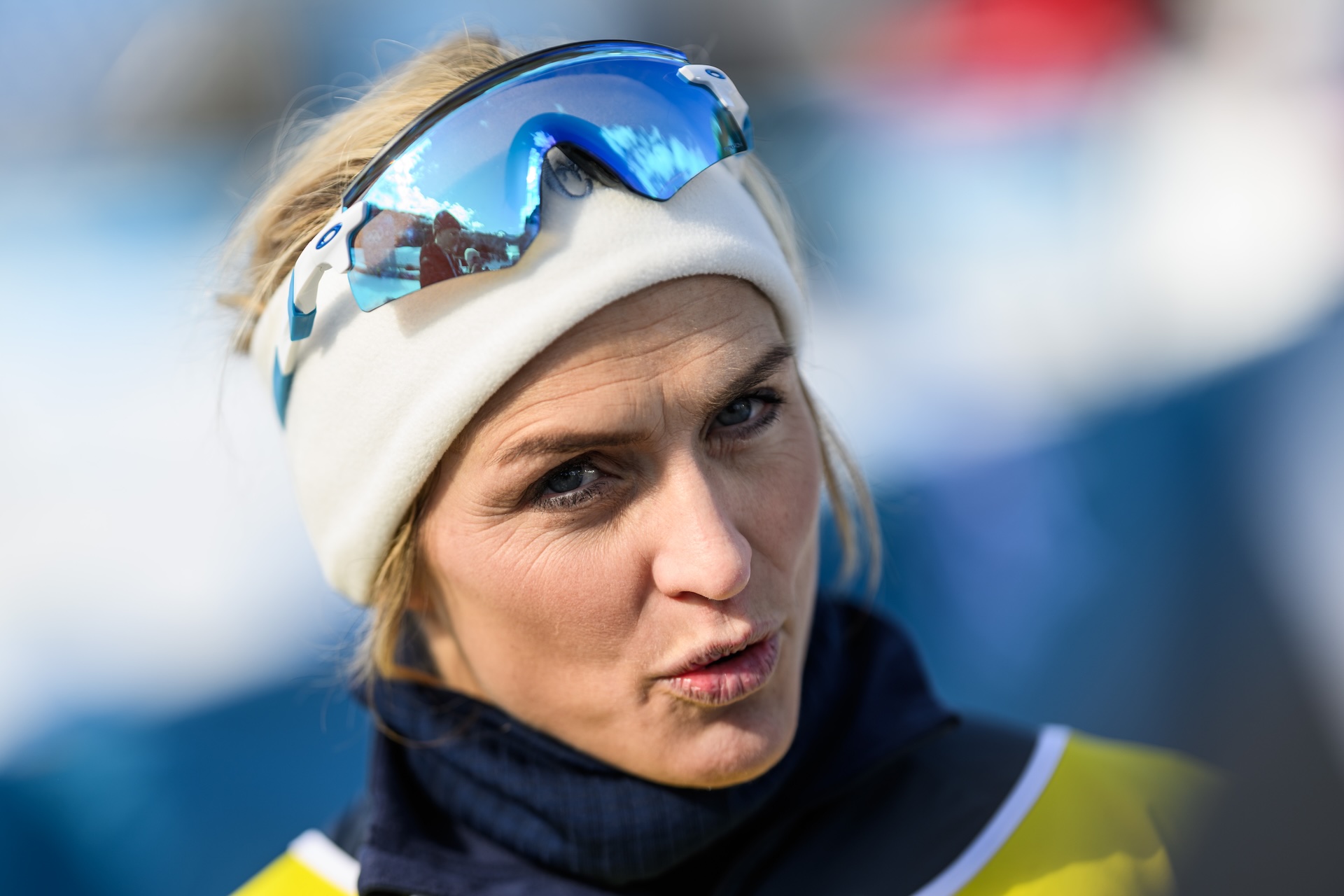
The challenges were significant. Throughout the summer months, Johaug navigated a series of health hurdles, including pelvic complications that hindered her ability to maintain a consistent high-intensity training load. For an athlete whose career has been defined by an extraordinary capacity for volume and discipline, these disruptions were particularly difficult to manage. However, the decision to proceed suggests that her medical team and coaching staff are satisfied with her recent progress, allowing her to prioritize the Copenhagen race as the definitive test of her current fitness level.
Chronology of a Remarkable Return
To understand the significance of this weekend’s effort, one must look at the timeline of Johaug’s post-pregnancy comeback. Since the birth of her second child earlier this year, her transition back to elite-level endurance sports has been nothing short of meteoric.
- January 2026: Johaug gives birth to her second child, a milestone that effectively ruled her out of the 2026 Olympic cycle.
- April 2026: Just three months after delivery, she secured a commanding victory at the Sentrumsløpet, signaling that her cardiovascular engine remained world-class.
- May 2026: She continued her momentum with a win at the Bjørndalenmila, further establishing her dominance on the road.
- July 2026: In what many considered the pinnacle of her comeback to date, she won the Norwegian National Championship 10km in Trondheim, clocking a time that placed her ahead of all but three male competitors in the field.
- September 2026: Following a difficult August plagued by injury, she confirms her commitment to the Copenhagen Half Marathon.
Technical Aspirations: The 1:10:00 Barrier
Johaug’s goal for Copenhagen is ambitious: to complete the 21.0975-kilometer course in under one hour and ten minutes. This target is not merely a personal milestone; it is a mark of historical significance. Should she achieve a time sub-1:10:00, she would cement her position as the third-fastest Norwegian woman in history at the half-marathon distance.
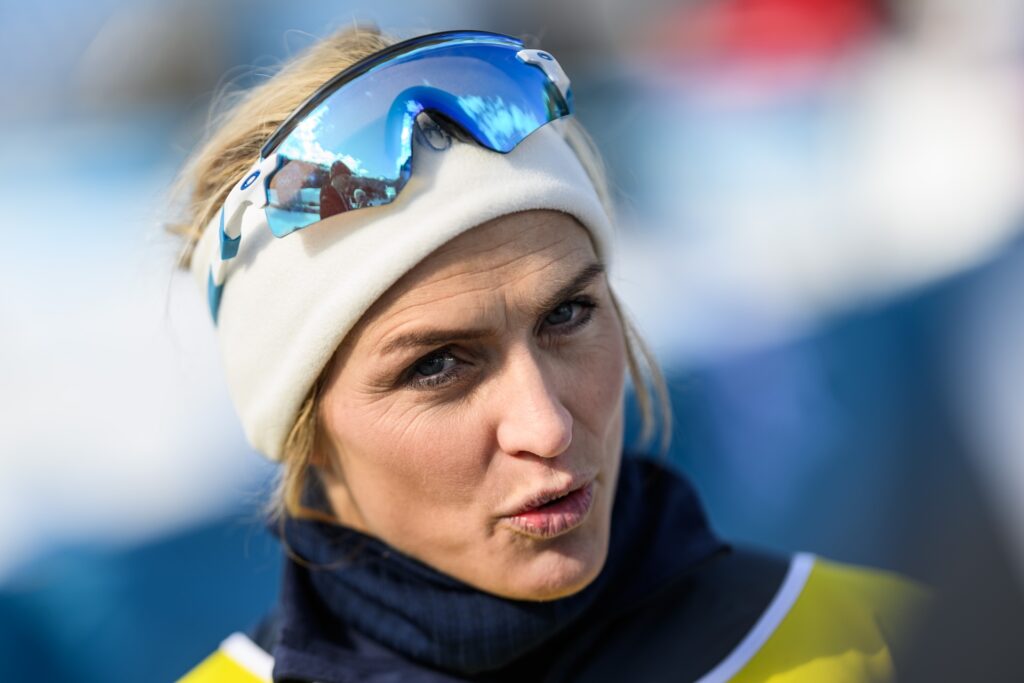
The current hierarchy of Norwegian road running is led by the legendary Ingrid Kristiansen and the current record holder, Karoline Bjerkeli Grøvdal. Grøvdal, who set the national record of 1:07:34 in Copenhagen in 2023, remains the benchmark for current Norwegian distance runners. The inclusion of both Johaug and Grøvdal in this year’s field creates a compelling domestic rivalry, especially given that Grøvdal is also marking her own return to competition following the birth of her first child in May.
The Copenhagen Stage: A World-Class Venue
The Copenhagen Half Marathon is not just a local event; it occupies a high-tier position on the global road running circuit. This year, the event gains added gravity as it serves as the host for the world championship-level competition on the distance. The course is renowned for its flat profile and high-density participation, which often facilitates record-breaking times.
The world record for the women’s half marathon currently stands at 1:02:52, established by Ethiopia’s Letesenbet Gidey in Valencia in 2021. While Johaug is not currently targeting world-record territory, her pursuit of a sub-1:10:00 performance puts her in the conversation with some of the most talented endurance athletes globally.
Official Statements and Tactical Dynamics
Manager Jørn Ernst confirmed the decision to the Norwegian news agency NTB on Monday afternoon, effectively silencing speculation that the injury troubles might force a withdrawal. Ernst’s confirmation provides the necessary reassurance to fans and organizers that the athlete has cleared the final medical hurdles required for high-intensity racing.
The race will also feature a familiar face in former world champion cross-country skier Niklas Dyrhaug. Dyrhaug, who finished ahead of Johaug at the NM-mila in Trondheim, has publicly stated his intent to challenge her again on the streets of Copenhagen. This intersection of elite cross-country skiing talent in a purely running-based environment adds a unique layer of intrigue to the event. Observers have noted that the competitive friction between these two former ski stars serves as a powerful motivator, with some analysts suggesting that the rivalry has only served to sharpen Johaug’s focus during her rehabilitation phase.
Broader Implications for Endurance Sports
Johaug’s successful return to competitive racing raises broader questions about the nature of elite performance in motherhood. Her ability to compete at such an elite level so soon after childbirth is a testament to both her physiological resilience and the advancements in modern sports science regarding postpartum training.
Furthermore, her pivot toward distance running highlights a growing trend among elite Nordic skiers to utilize road racing as both a training tool and a competitive outlet. The aerobic base required for high-level cross-country skiing transfers remarkably well to the half-marathon distance, but the transition requires a specific focus on biomechanical efficiency and pavement-specific training. Johaug’s performance this weekend will serve as a case study for how elite winter athletes can bridge the gap to professional running, provided they can manage the unique stresses of the road.
Analysis: What to Expect on Sunday
As the event approaches, the focus shifts to how the body will react to the intensity of the race. While training data is one thing, race-day conditions and the adrenaline of the pack are another. The primary concern for Johaug will be the potential impact of the "pelvic issues" mentioned in her recent disclosures. Half-marathons are notoriously unforgiving on the joints and soft tissues, and any underlying inflammation can be exacerbated by the constant, repetitive strike of the road.
However, if Johaug’s recent track record is any indication, she is an athlete who thrives under pressure and possesses an extraordinary ability to perform when the stakes are highest. Regardless of whether she reaches the sub-1:10:00 goal, her presence in Copenhagen serves as a powerful testament to her enduring competitive spirit. For the fans who have followed her career from the snow-covered trails of the FIS World Cup to the asphalt of major city marathons, Sunday’s race represents another chapter in a storied athletic journey.

The race is expected to draw significant attention from both the Norwegian sports media and the international running community. As the starting gun sounds, the focus will be on whether the former queen of the ski trails can successfully conquer the streets of Copenhagen, further redefining the boundaries of what is possible for a 38-year-old athlete balancing elite performance with the demands of family life.

