
For elite winter sports athletes, the arrival of the Northern Hemisphere summer has historically signaled an abrupt halt to on-snow training. While mainstream ski resorts across North America and Europe shutter their lifts, pack away their grooming fleets, and transition to mountain biking or hiking operations, World Cup alpine racers, Olympic hopefuls, and professional snowboarders face a critical dilemma. Maintaining muscle memory, testing cutting-edge equipment, and refining technical precision require continuous access to quality snow. Without it, athletes risk losing vital competitive edges during the crucial months leading up to the international racing calendar.
Enter the Southern Hemisphere winter. High in the majestic Andes Mountains just outside Santiago, Chile, resorts like Valle Nevado Ski Resort have transformed into essential global hubs for international winter sports. By capitalizing on seasonal opposites, Valle Nevado provides a premier alpine environment where skiing and snowboarding never truly go into hibernation. As superstars like Mikaela Shiffrin and Shaun White have routinely demonstrated, making the journey across the equator is no longer just a supplementary training trip—it is a mandatory pilgrimage for anyone aiming for the podium.
The Geographical and Climatic Advantages of the High Andes
The primary catalyst for Valle Nevado’s prominence in global winter sports is its geography. Founded in 1988 and modeled after upscale European alpine villages, the resort sits at a breathtaking base elevation of approximately 9,924 feet (3,025 meters) above sea level, with surrounding peaks climbing substantially higher. This positioning places athletes well above the tree line, offering expansive, high-altitude terrain that closely mirrors the most demanding courses found on the international race circuit.
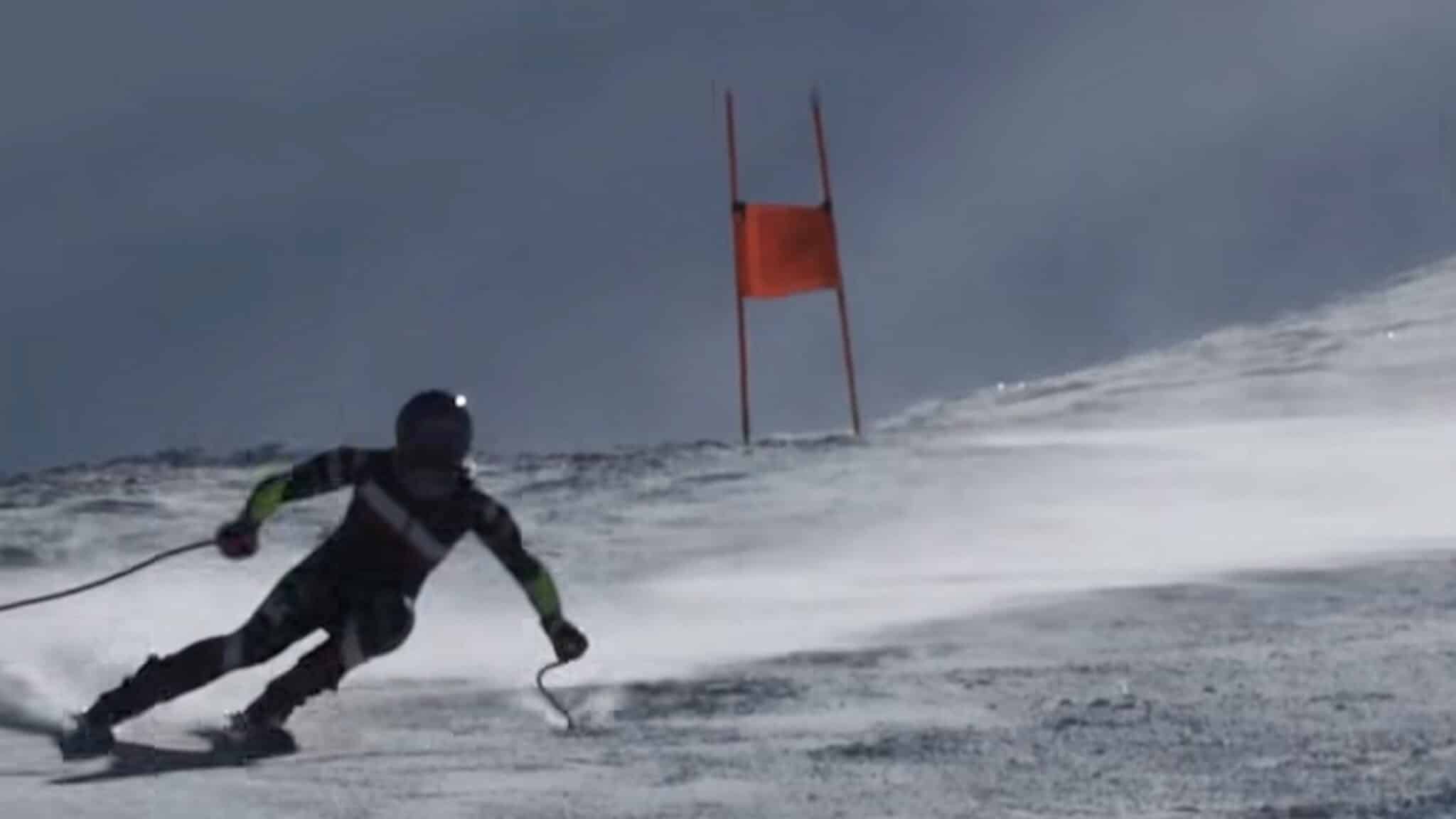
Furthermore, the resort benefits from a distinctly favorable meteorological profile. The south-facing orientation of its primary ski runs protects the snowpack from intense midday solar radiation during the southern winter months, helping to preserve consistent snow quality. Unlike summer training camps on European glaciers—which have suffered increasingly from rapid melt and extreme weather volatility due to changing global climate patterns—the high-altitude dry powder of the Chilean Andes provides reliable, hard-packed snow conditions essential for high-speed giant slalom, slalom, and speed events.
High-Altitude Physiology and Comprehensive Athlete Preparation
Beyond the obvious benefit of measurable snow cover, Valle Nevado offers a rigorous physiological testing ground. Training at nearly 10,000 feet introduces significant hypoxic stress to the human body. The reduced partial pressure of oxygen at this elevation forces the cardiovascular and respiratory systems to adapt, increasing red blood cell production and improving overall aerobic capacity. For elite athletes, combining technical ski training with high-altitude exposure delivers a powerful dual benefit: sharp ski technique coupled with superior physical conditioning.
To support these rigorous demands, Valle Nevado has evolved past a traditional recreational ski area into a fully integrated athletic training campus. The resort infrastructure includes specialized fitness centers equipped for strength, conditioning, and physical rehabilitation. Athletes can seamlessly transition from high-speed carving drills on the slopes to targeted recovery sessions, nutritional planning, and biomechanical analysis—all within a self-contained mountain village. This ecosystem minimizes travel fatigue and maximizes daily training efficiency, allowing coaching staffs to implement intense, uninterrupted multi-week block schedules.
Infrastructure and the Evolution of Competitive Snowsports in South America
Valle Nevado’s commitment to elite sports is deeply rooted in its institutional history. The resort’s dedicated ski and snowboard school boasts over three decades of operational experience, employing more than 150 certified instructors many of whom specialize in high-level race coaching. This institutional knowledge has allowed the resort to host numerous international competitions, integrating South America firmly into the global competitive calendar.
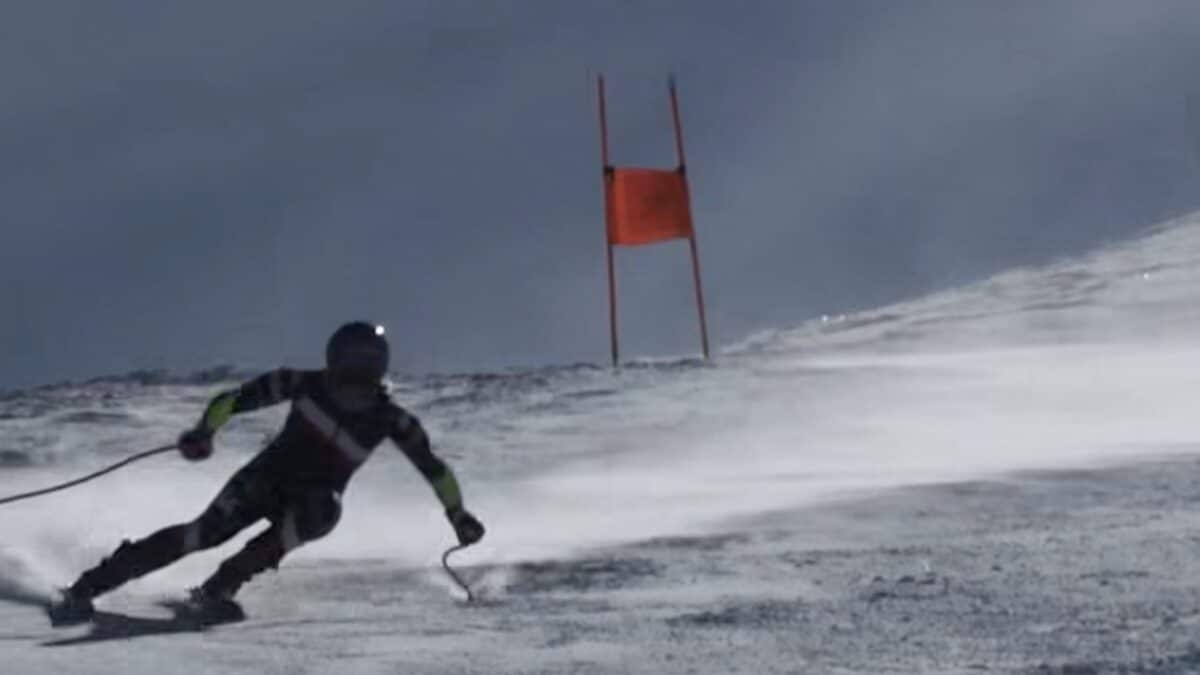
Events like the Andes Cup have historically drawn top-tier freestyle and racing talent to Chilean soil, featuring elite-level disciplines such as Slopestyle and Big Air. By hosting these competitions, Valle Nevado provides emerging athletes from South America with direct exposure to international standards while offering Northern Hemisphere competitors an early-season testing environment under authentic pressure situations. The cross-pollination of coaching techniques and athletic philosophies between Northern and Southern Hemisphere teams has elevated the overall standard of global snowsports.
Broader Economic and Industry Implications
The annual influx of elite international ski teams into central Chile carries substantial economic and cultural implications for the region. Tourism boards, local hospitality networks, and equipment manufacturers all benefit from the extended winter season. For ski brands and technicians, Valle Nevado serves as a secret laboratory where prototype boots, skis, and bindings are rigorously tested under race conditions months before the World Cup season commences in Sölden, Austria.
Data collected from international training blocks in Chile often dictates equipment manufacturing adjustments, giving brands a vital head start in quality control and performance optimization. Moreover, the presence of global sports icons elevates Chile’s profile as a premier adventure tourism destination, inspiring a new generation of Latin American youth to enter competitive winter sports.
As global climate shifts continue to shorten traditional winter windows across North America and Europe, the strategic importance of Southern Hemisphere resorts like Valle Nevado will only amplify. For the world’s best skiers and snowboarders, the Andes are no longer just a seasonal escape; they are the crucible where future Olympic and World Championship victories are forged.

