
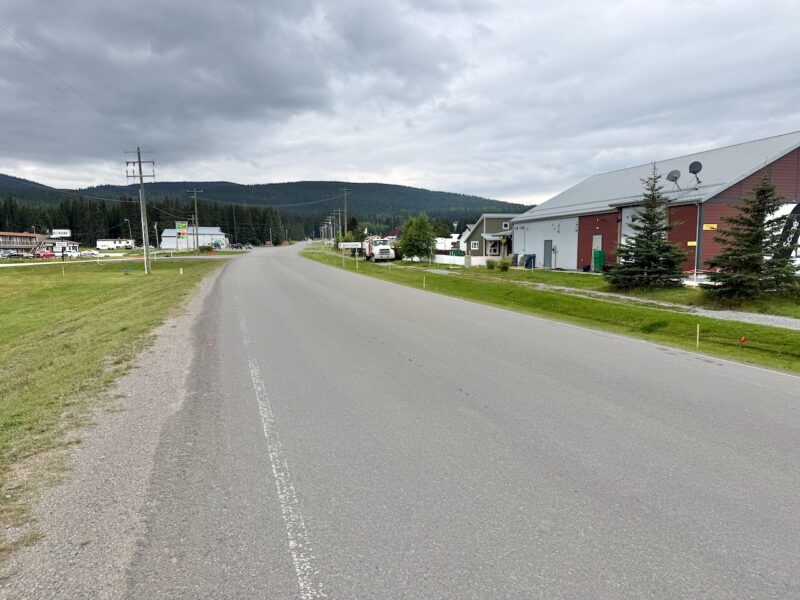
While the PlanetSKI editorial team is synonymous with global snowsports coverage, our mid-September expedition across Alberta, Canada, highlights the profound geological and historical significance of the region beyond its winter tourism appeal. Departing from the remote outpost of Nordegg—a former coal mining town that serves as a quiet gateway to the rugged landscape of the Canadian Rockies—our journey shifted focus toward the Drumheller Valley, a region globally recognized for its unparalleled concentration of Cretaceous-era fossils. This transition from high-altitude exploration to the prehistoric basin of the Red Deer River provides a unique perspective on Canada’s diverse interior.
The Geological Significance of the Drumheller Valley
The Drumheller Valley is not merely a tourist destination; it is a critical site for global paleontology. The region is defined by the Canadian Badlands, a landscape carved by glacial meltwater at the end of the last Ice Age, which exposed massive deposits of sedimentary rock from the Late Cretaceous period, approximately 75 to 66 million years ago.
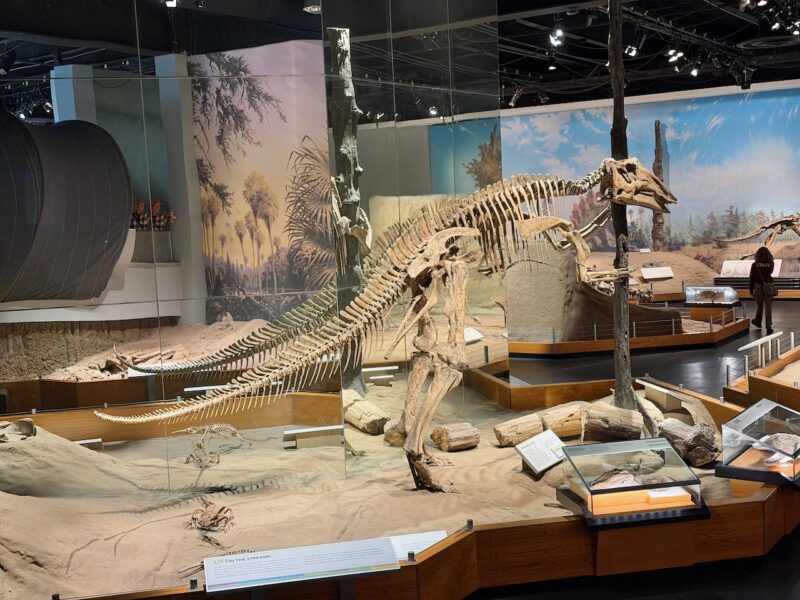
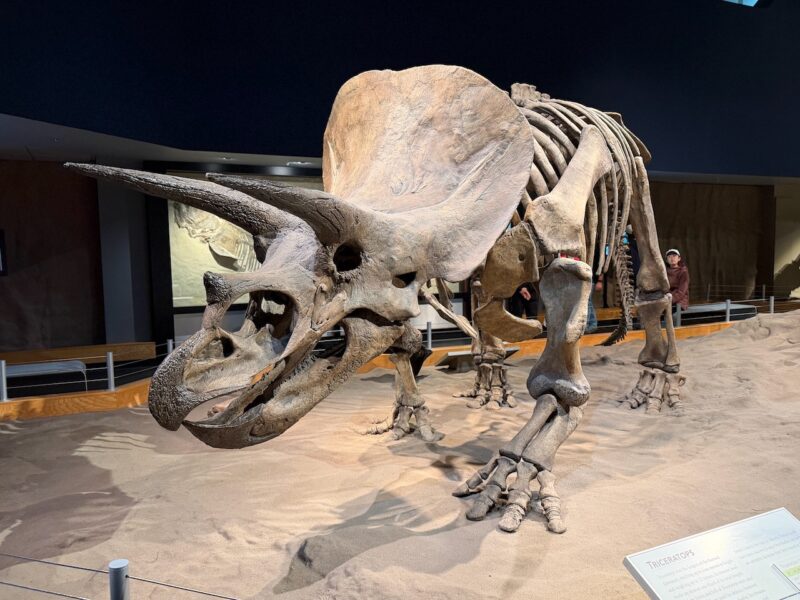
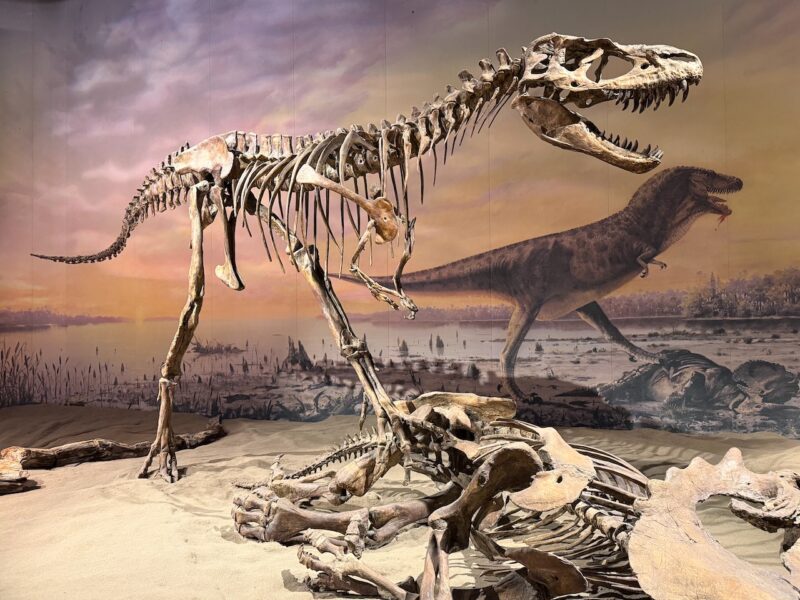
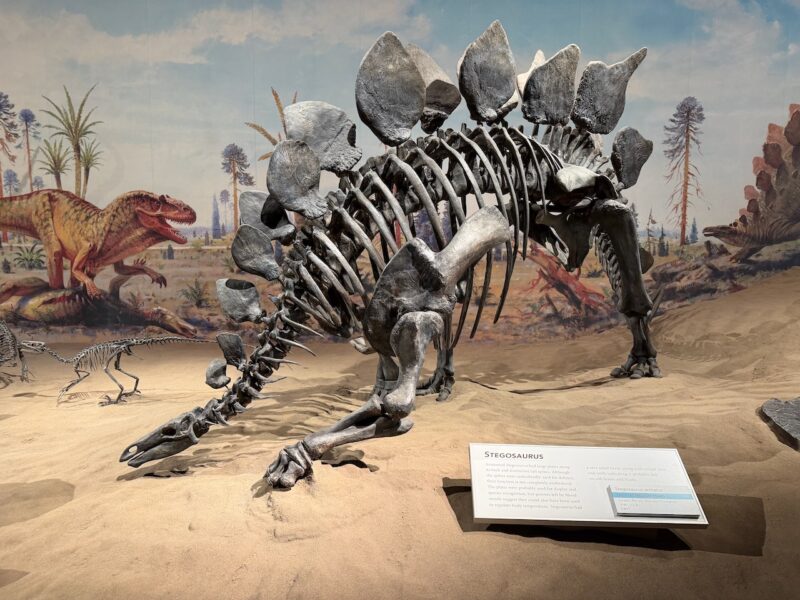
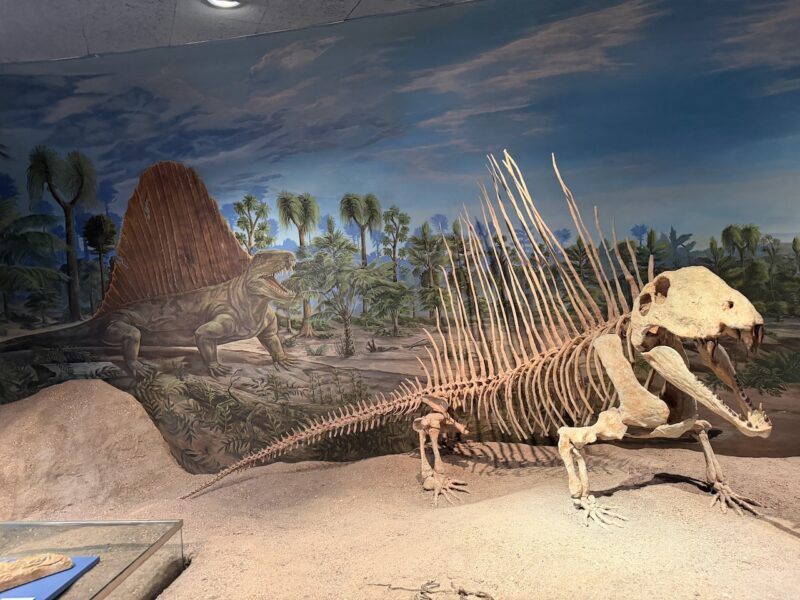
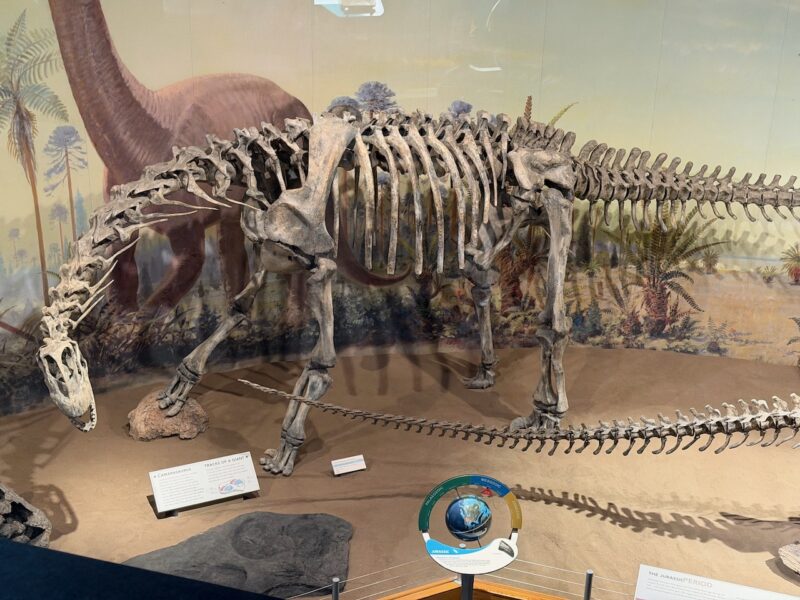
The Dinosaur Provincial Park, a UNESCO World Heritage site located within this area, contains the world’s most significant concentration of Late Cretaceous dinosaur fossils. To date, over 500 specimens of more than 50 species have been discovered in the park, providing scientists with an expansive window into the ecosystem that preceded the K-Pg extinction event. The Royal Tyrrell Museum of Palaeontology, situated near Drumheller, acts as the primary repository and research hub for these findings.

A Chronology of Discovery and Research
The history of paleontological study in Alberta began in earnest during the late 19th century, but the establishment of the Royal Tyrrell Museum in 1985 marked a turning point in professionalizing the research. The museum’s collection includes thousands of individual fossils, ranging from microscopic pollen and plant spores to the massive skeletons of apex predators.
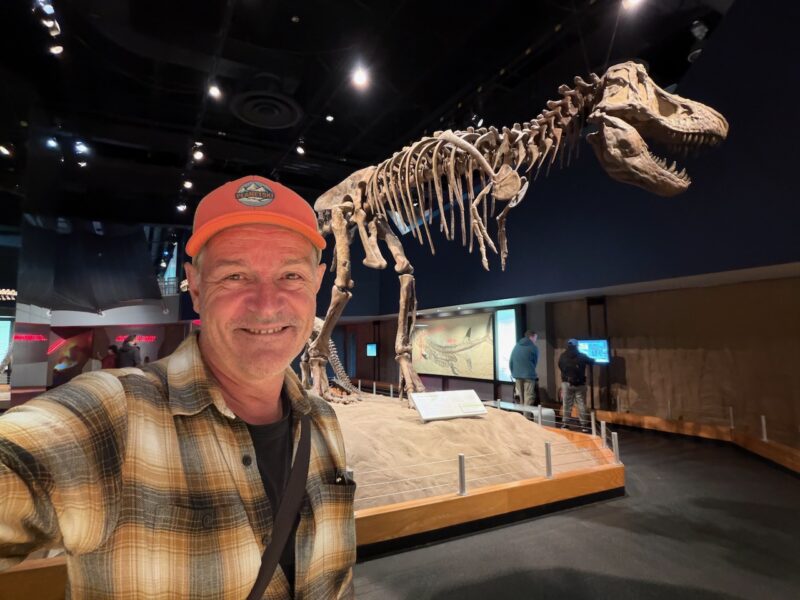
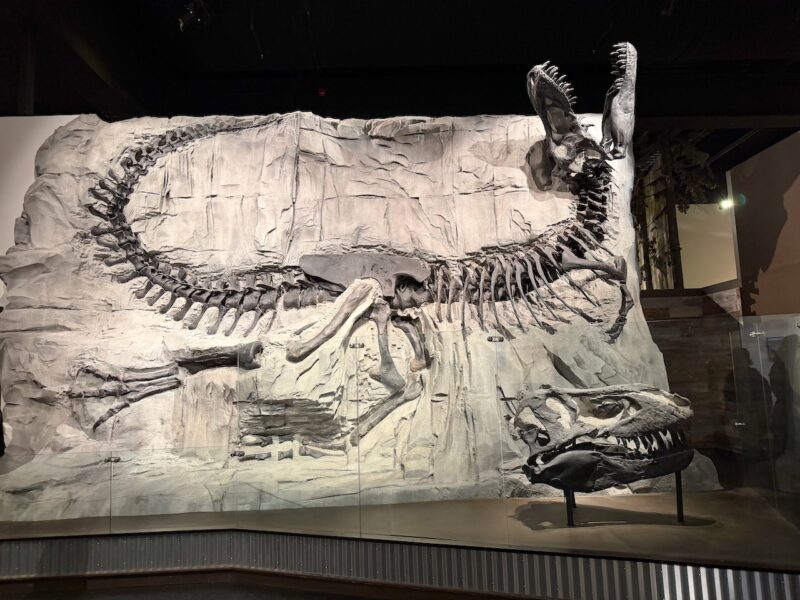
During our visit, the museum’s current exhibition highlighted the "Black Beauty" specimen, a rare and exceptionally preserved Tyrannosaurus rex skeleton. The specimen is distinguished by its dark coloration, a result of the fossilization process where the bones were saturated with manganese. According to museum curators and lead researchers, the presence of such specimens in the Drumheller Valley is a direct result of the region having once been a coastal plain bordering an ancient inland sea known as the Western Interior Seaway.
Environmental Context: The K-Pg Extinction
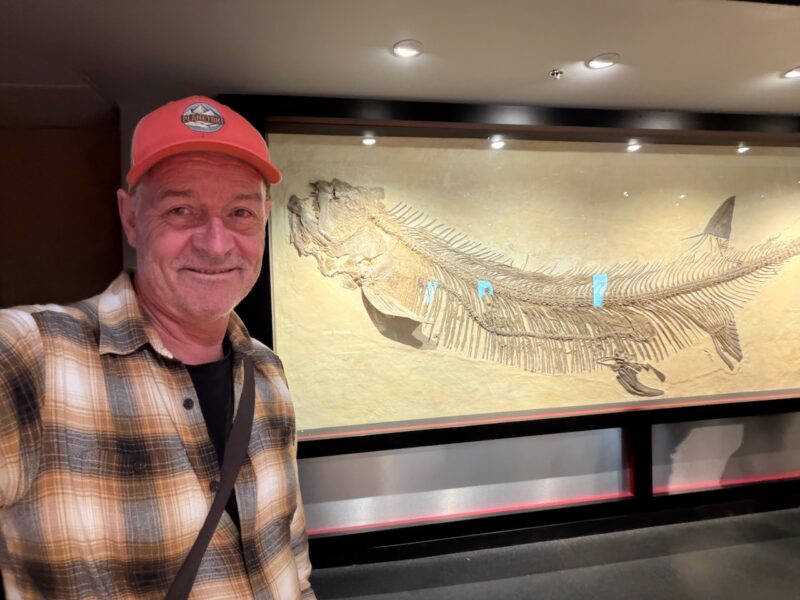
The museum’s exhibits provide a sobering look at the extinction event that ended the reign of the dinosaurs. Scientific consensus points to an asteroid roughly 10 kilometers in diameter striking the Yucatan Peninsula in Mexico 66 million years ago. The subsequent atmospheric collapse led to a global reduction in sunlight, the cessation of photosynthesis, and the collapse of the food chain.
Data presented within the museum suggests that approximately 76% of all species alive at the time vanished during this period. The narrative presented by the Royal Tyrrell Museum is not strictly historical; it serves as a contemporary warning. By juxtaposing the prehistoric mass extinction with the current, human-induced climate crisis, the facility emphasizes that the unprecedented rate of environmental change today mirrors the ecological pressures that defined the end of the Mesozoic Era.
Infrastructure and Exploration: Navigating the Badlands
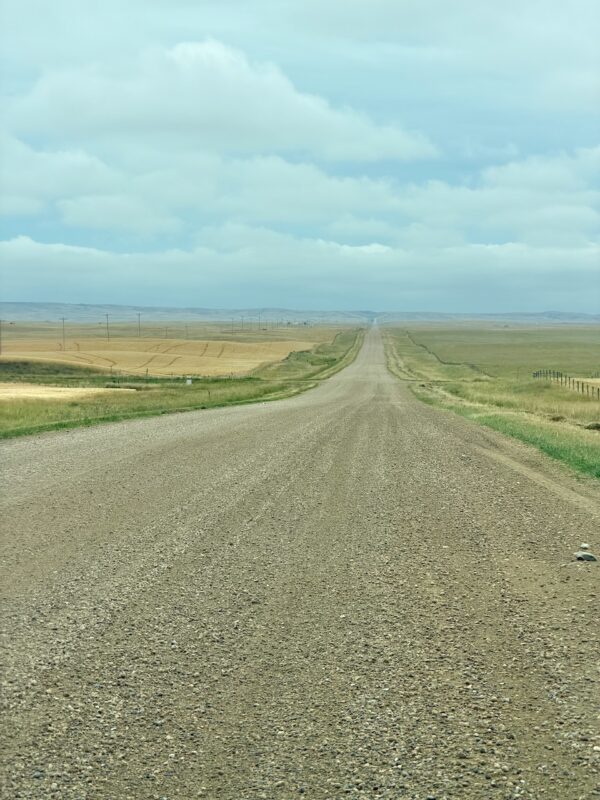
The journey from the mountainous terrain of Nordegg to the arid plains of the Badlands involved traversing secondary, often unpaved roads. This routing allowed for a closer inspection of the region’s unique geography, including the Bleriot Ferry. The ferry, which operates across the Red Deer River, remains one of the few functional historic crossings still in use.

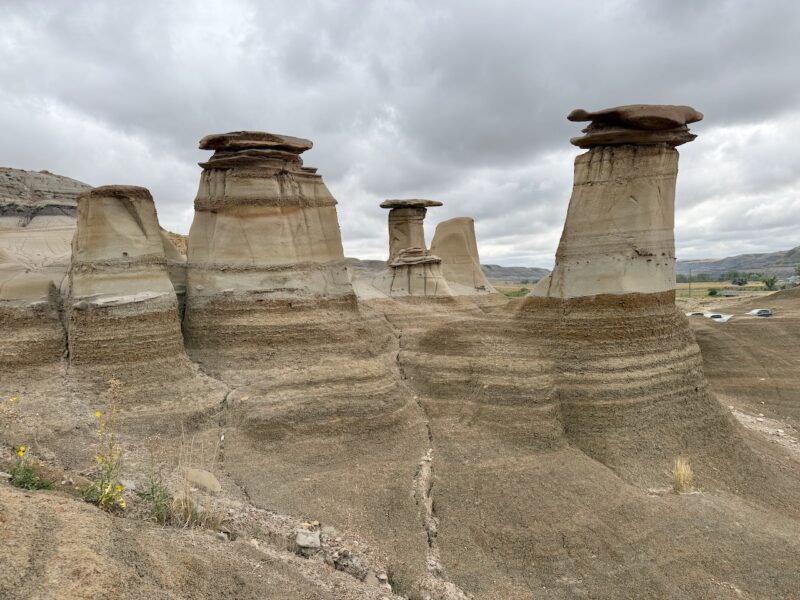
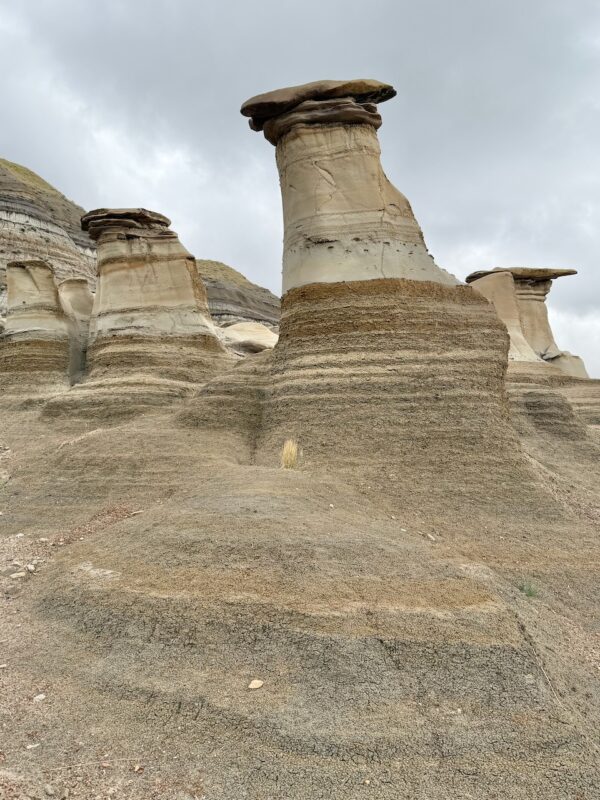
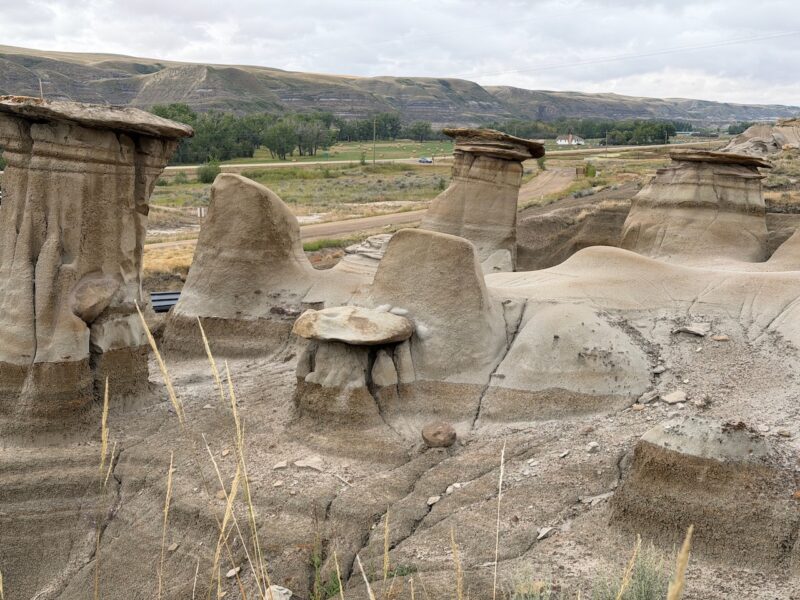
The landscape is dominated by hoodoos—naturally occurring, tower-like geological formations. These pillars, composed of soft sandstone, are protected from rapid erosion by a harder, more resilient cap rock. Their presence serves as a visual indicator of the region’s ongoing erosion, a process that continues to unearth new fossil specimens annually. Local authorities note that the stability of these formations is subject to environmental fluctuations, making them a point of interest for both geologists and climate researchers monitoring erosion rates.
The "Dinosaur Capital" Branding and Economic Impact
The town of Drumheller has fully embraced its paleontological identity, marketing itself as the "Dinosaur Capital of the World." This branding is evident in the installation of dozens of oversized dinosaur replicas throughout the municipality, including the "World’s Largest Dinosaur," a fiberglass structure that stands 25 meters tall.
While the kitsch element of the town’s marketing is prominent, it serves an important economic function. Tourism in the Drumheller Valley contributes significantly to the Alberta provincial economy, drawing visitors from across the globe who might otherwise bypass the region. The influx of visitors sustains local hospitality and service sectors, creating a symbiotic relationship between scientific research institutions like the Royal Tyrrell Museum and the town’s commercial offerings.
The Shift Toward Vancouver
Following our time in the Drumheller Valley, the PlanetSKI itinerary shifts toward Vancouver, British Columbia. While our recent dispatches have focused on the scientific and historical narratives of Alberta, the upcoming segment of our journey will focus on the urban infrastructure and logistics that support the gateway to the world-renowned Whistler ski resort.
The contrast between the arid, fossil-rich plains of Alberta and the temperate, coastal environment of Vancouver highlights the geographical breadth of our ongoing Canadian study. As we prepare to evaluate the infrastructure ahead of the coming winter season, the lessons learned regarding environmental sustainability and the impact of climate change in the Alberta Badlands remain a central theme of our reporting.
Analytical Implications: Lessons from the Deep Past
The study of the Late Cretaceous period in Alberta offers more than just academic interest; it provides a framework for understanding planetary resilience. When assessing the current trajectory of climate change, the data provided by institutions such as the Royal Tyrrell Museum reminds stakeholders that ecosystems are inherently fragile.
In the context of the travel and tourism industry, the shift toward "geotourism"—where travelers seek to understand the geological and historical underpinnings of a destination—is a growing trend. This shift encourages a more profound appreciation for the environments that support global recreation. By moving beyond the surface-level attractions and examining the deeper narrative of the landscape, we gain a better understanding of the global environmental challenges that face both our current civilization and the future of snowsports.
Summary of Scientific Findings and Public Reaction
Public response to the Royal Tyrrell Museum’s focus on contemporary climate change has been overwhelmingly positive. Visitors are increasingly seeking context that bridges the gap between ancient history and modern reality. By incorporating high-level research with accessible public education, the museum ensures that the legacy of the Alberta Badlands remains relevant to current environmental policy discussions.
As we conclude our report on this region, it is clear that the "off-the-beaten-track" approach to travel provides invaluable insights into the history of the Earth. Whether it is the resilience of the hoodoos against the elements or the story of the K-Pg extinction, these landscapes serve as a reminder of the fragility and grandeur of the natural world.
PlanetSKI remains committed to providing comprehensive coverage of these diverse topics. While our primary mission is to deliver digital news for the global ski community, our broader investigations into the geography and environmental science of our destinations ensure that our readers are well-informed on the complexities of the regions they visit.
For those planning their own expeditions to the Drumheller Valley, local tourism boards recommend scheduling visits around the seasonal fluctuations in weather, as heavy rain can significantly impact road accessibility in the Badlands. The Royal Tyrrell Museum remains open year-round, serving as the definitive resource for anyone looking to engage with the prehistoric past of Western Canada. As we head to the coastal reaches of British Columbia, we look forward to continuing our documentation of the Canadian landscape and the factors that shape its future.

