
For generations of winter sports enthusiasts, enduring physical discomfort has been viewed as an inevitable rite of passage. While cozy slippers and high-cushion running shoes prioritize immediate ergonomic comfort, alpine ski equipment demands a rigid, highly constrained environment. Ski boots are intentionally engineered to lock the foot and ankle into a fixed position, optimizing the transfer of energy from the skier’s body directly to the edges of the skis. However, as winter sports participation continues to grow globally—with millions of skiers hitting the slopes annually—medical professionals are increasingly examining the physiological toll that rigid, improperly fitted footwear takes on the human foot. Recent findings from podiatric specialists highlight that while skiing itself is a celebrated cardiovascular and recreational activity, the equipment required to safely execute the sport can inflict both acute and permanent damage if neglected.
The underlying mechanics of ski boots involve a hard plastic outer shell paired with a compressed foam inner liner. This dual-layer construction is designed to eliminate internal foot movement, ensuring maximum control at high speeds and on steep, icy descents. Yet, this very design creates a high-risk environment for dermatological, neurological, and structural trauma. According to Dr. Nelya Lobkova, a New York City-based podiatrist and avid skier, improper footwear can severely exacerbate pre-existing conditions. These include bunions—medically known as hallux valgus, a progressive forefoot deformity often rooted in genetics—and Morton’s neuroma, a painful condition characterized by the thickening of nerve tissue typically located between the third and fourth metatarsal heads.
When a boot’s toe box is excessively narrow, chronic friction and lateral compression force the forefoot bones into unnatural alignments. Conversely, if a boot is too large or loosely buckled, the foot fails to remain anchored. Instead, momentum forces the foot to slide forward repeatedly inside the enclosure during aggressive descents, causing the toe bones to impinge violently against the front of the shell. Both scenarios trigger localized inflammation, which can easily transition from a temporary annoyance on the mountain to a debilitating, chronic condition long after the ski season concludes.
Anatomical Trauma and Nail Pathology
Beyond structural deformities and nerve impingement, the localized pressure exerted by alpine boots frequently results in acute trauma to the digits and toenail beds. A prominent issue frequently reported by ski patrollers, instructors, and recreational enthusiasts alike is subungual hematoma—commonly referred to as a "skier’s toe" or bruising beneath the nail plate. This occurs when repetitive impacts against the interior front wall of the boot rupture tiny blood vessels beneath the nail, pooling blood and creating intense pressure.
In more severe instances, prolonged compression leads to chronic ingrown toenails. Dr. Lobkova warns that both subungual hematomas and ingrown nails carry a substantial risk of secondary bacterial or fungal infections. Depending on the severity of the infection, patients may require aggressive interventions, including oral antibiotic regimens or partial to complete surgical removal of the toenail. Furthermore, repeated trauma to the delicate toenail bed can result in permanent physiological changes. The regenerated nail often emerges significantly thicker, shorter, and structurally altered compared to unaffected digits, serving as a permanent physical reminder of poorly managed footwear pressure.
Differentiating Normal Discomfort from Pathological Fit
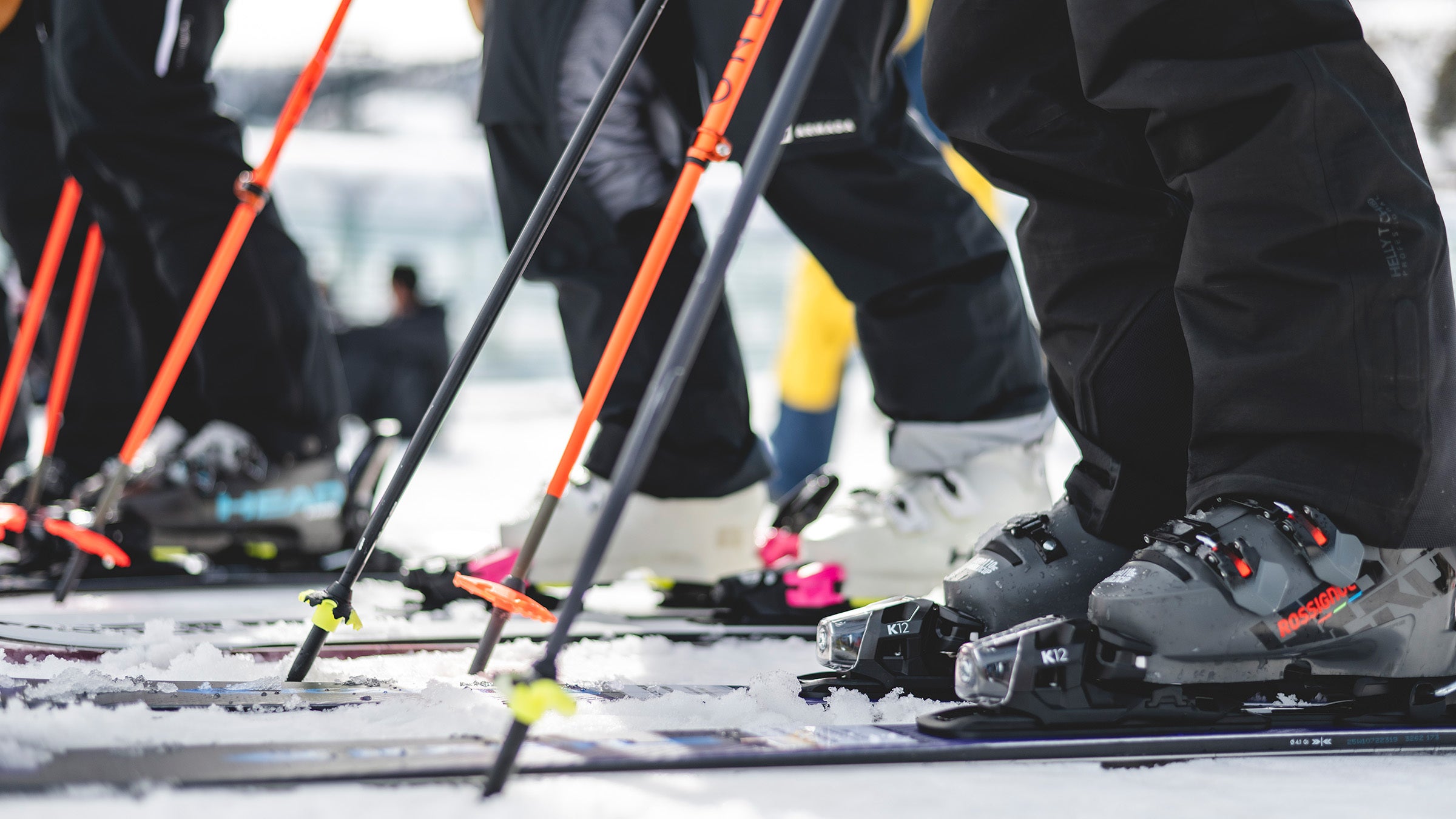
Despite the catalog of potential injuries, sports medicine specialists emphasize that physiological damage is entirely preventable. The prevailing consensus within the podiatric community is clear: alpine ski boots are not inherently detrimental to foot health, but poorly fitted boots certainly are. Dr. Mikel Daniels, a Baltimore-based podiatric surgeon, notes that consumers must learn to distinguish between the standard, benign sensations of a stiff athletic apparatus and the red flags of a pathological fit.
When purchasing or utilizing a new pair of boots, the initial fitting should feel exceptionally snug, with the longest toes lightly brushing the interior front wall while the wearer stands fully upright. When the skier assumes a proper athletic stance—flexing deeply at the ankles and knees, pushing the shins forward into the tongue of the boot—the heel should anchor securely, and the toes should pull back slightly away from the front shell. While a minor, generalized muscular ache or pressure-induced fatigue is common during the break-in period as the foam liner compresses and conforms to the foot’s contours, this discomfort should dissipate rapidly once the boots are removed.
Conversely, warning signs of a dangerous or inadequate fit include localized burning sensations, numbness, persistent pins and needles (paresthesia), and abnormal pallor or coldness in the toes due to constricted circulation. Dr. Daniels outlines a practical benchmark for consumers: if foot pain distracts the skier from the mechanics of the sport or causes mental preoccupation on the mountain, the equipment fit is fundamentally flawed.
Professional Customization and Diagnostic Interventions
Addressing and rectifying footwear discrepancies requires targeted professional intervention. Both Dr. Lobkova and Dr. Daniels strongly recommend professional boot-fitting services, specifically advocating for heat-molding technologies. During the heat-molding process, specialized equipment warms the synthetic liner and, in some cases, the outer shell, allowing the materials to expand and permanently contour to the unique anatomical architecture of the wearer’s foot, thereby accommodating forefoot deformities such as bunions, hammertoes, and neuromas with minimal friction.
In instances where structural anomalies exceed the adaptability of heat-molded liners, certified boot fitters utilize mechanical expansion tools, commonly referred to as "punches." These devices apply localized outward pressure to specific points on the rigid plastic shell, carving out microscopic pockets of space that alleviate pressure over sensitive areas like the lateral aspect of the big toe or prominent bunions. Documented clinical cases highlight the efficacy of these procedures; skiers who previously accepted chronic injuries—such as recurrent subungual hematomas—as an unavoidable cost of the sport have achieved complete resolution of symptoms following precise shell lengthening and localized toe-box expansion.
When shell modifications alone fail to resolve persistent forefoot pain, specialized orthotics often become necessary. Prefabricated drug-store insoles are frequently too thick and structurally inadequate for the low-volume interior of a ski boot. Instead, podiatrists fabricate ultra-thin, customized orthotic devices embedded with specialized metatarsal pads. These medical-grade inserts actively encourage the separation of the metatarsal bones and tendons in the forefoot, effectively distributing weight and eliminating the internal pressures that give rise to neuromas and chronic inflammation.
Mitigation Strategies for Rental Equipment Users
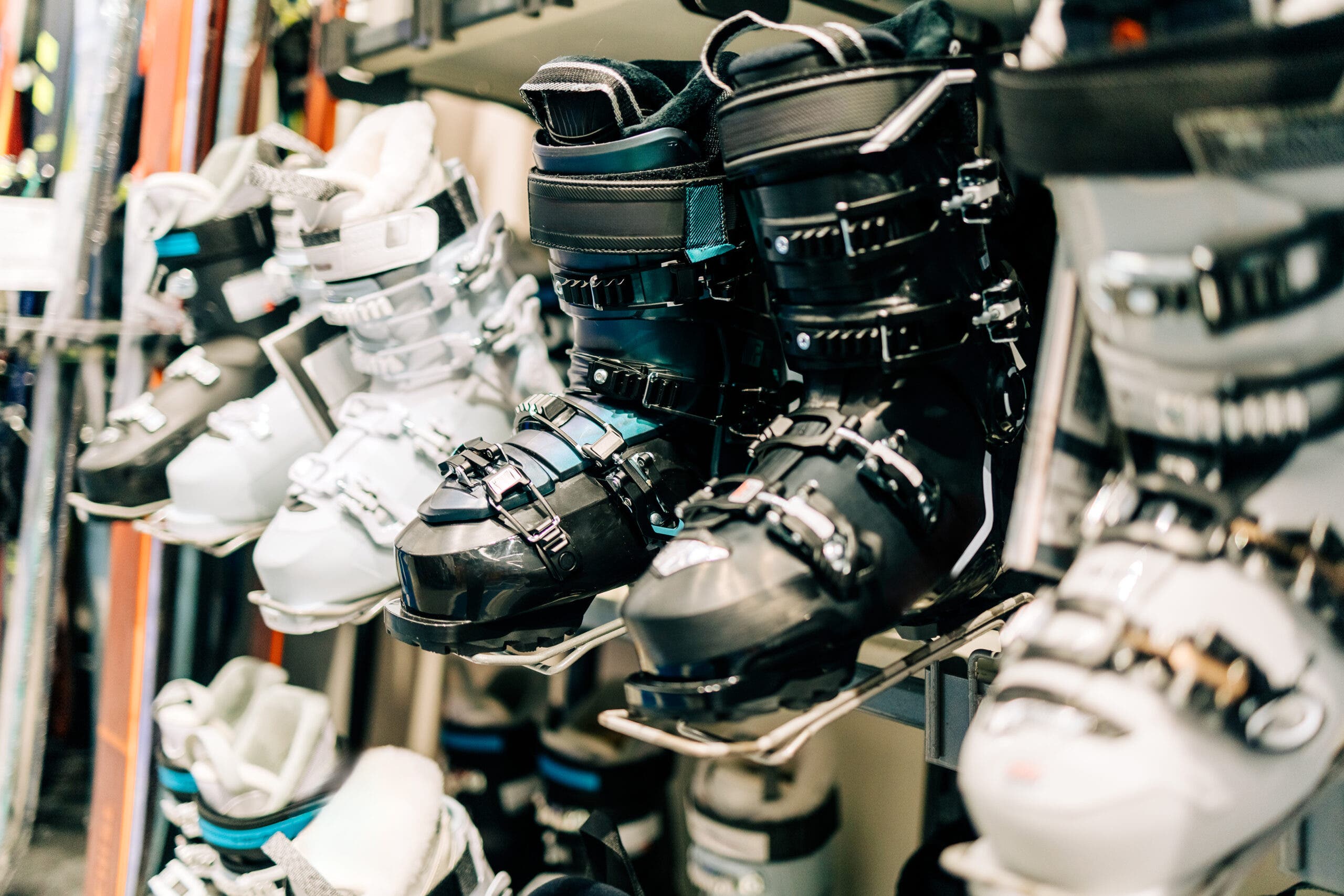
While purchasing custom-molded equipment represents the gold standard for long-term foot preservation, a significant percentage of skiers rely on seasonal or daily rental equipment. Renters face unique challenges, as standard rental fleets are designed to accommodate a broad demographic of foot shapes rather than individual anatomical nuances. However, experts emphasize that adherence to specific precautions can dramatically reduce the risk of injury.
Skiers utilizing rental gear should maintain open communication with resort technicians, explicitly detailing any pre-existing medical conditions, previous foot surgeries, or structural abnormalities before sizing begins. Technicians should always be guided toward selecting a shell that offers a reasonably snug, secure fit rather than an oversized alternative. A common misconception among casual skiers is that sizing up provides relief; in reality, an oversized shell forces the skier to over-tighten the plastic buckles to compensate for lateral instability. This practice creates severe, localized pressure points, compromises overall ski control, and accelerates fatigue.
Furthermore, apparel choices play a vital regulatory role. Renters and buyers alike should invest in high-quality, seamless ski socks constructed from technical materials such as merino wool. Unlike cotton alternatives—which retain moisture, lose insulating properties when damp, and drastically increase friction—merino wool manages perspiration effectively, maintaining warmth and preventing the formation of friction blisters. Additionally, individuals who utilize custom orthopedic insoles in their everyday footwear should transfer those devices into their rental boots to maintain proper biomechanical alignment.
Behavioral Protocols and Preventive Self-Care
Beyond hardware customization and apparel selection, daily behavioral management on the slopes is critical for safeguarding vascular and musculoskeletal health. Dr. Lobkova advises skiers to systematically unbuckle or completely remove their ski boots during extended breaks, such as midday meals or rest intervals inside the lodge.
This practice serves a dual purpose. First, it allows the intrinsic muscles and tendons of the foot to relax after hours of sustained isometric tension. More importantly, it mitigates physiological swelling. When transitioning from sub-freezing outdoor temperatures to a heated indoor environment, the blood vessels in the feet and ankles naturally dilate, causing localized swelling. If this expansion occurs within a rigid, fully buckled alpine boot, the footwear acts as an inadvertent tourniquet, severely compromising arterial blood flow and venous return. Relieving this pressure periodically prevents ischemic stress and maintains healthy circulation to the distal extremities.
Ultimately, sports medicine professionals stress the importance of intuitive self-regulation. Like any high-intensity athletic discipline, skiing requires practitioners to listen closely to physiological feedback. By treating foot discomfort not as a badge of honor, but as a diagnostic indicator of equipment failure or biomechanical stress, winter sports enthusiasts can protect their long-term mobility, ensuring that a day on the mountain enhances health rather than compromising it.

