
The pristine, high-altitude slopes of La Parva, Chile, served as the global epicenter for alpine speed skiing from September 1–4, 2026, as a contingent of world-class athletes and rising prospects gathered for a pivotal series of South American Cup (SAC) races. The four-day event, held on the challenging Barros Negros track, provided a critical early-season testing ground for competitors looking to establish momentum ahead of the Northern Hemisphere winter. With a vertical drop of 550 meters, stretching from a starting elevation of 3,560 meters down to 3,010 meters, the course tested the technical precision and physical endurance of the international field, yielding a spectacular display of tactical racing.
While the events were hosted in the late winter of 2026, they officially count toward the 2027 FIS South American Cup season, making these results the foundational benchmarks for the upcoming campaign. The week was defined by two primary narratives: the relentless tactical battle between Czech Olympian Barbora Novakova and American independent racer Haley Cutler in the women’s field, and the absolute dominance of Germany’s reigning junior world champions in the men’s categories.
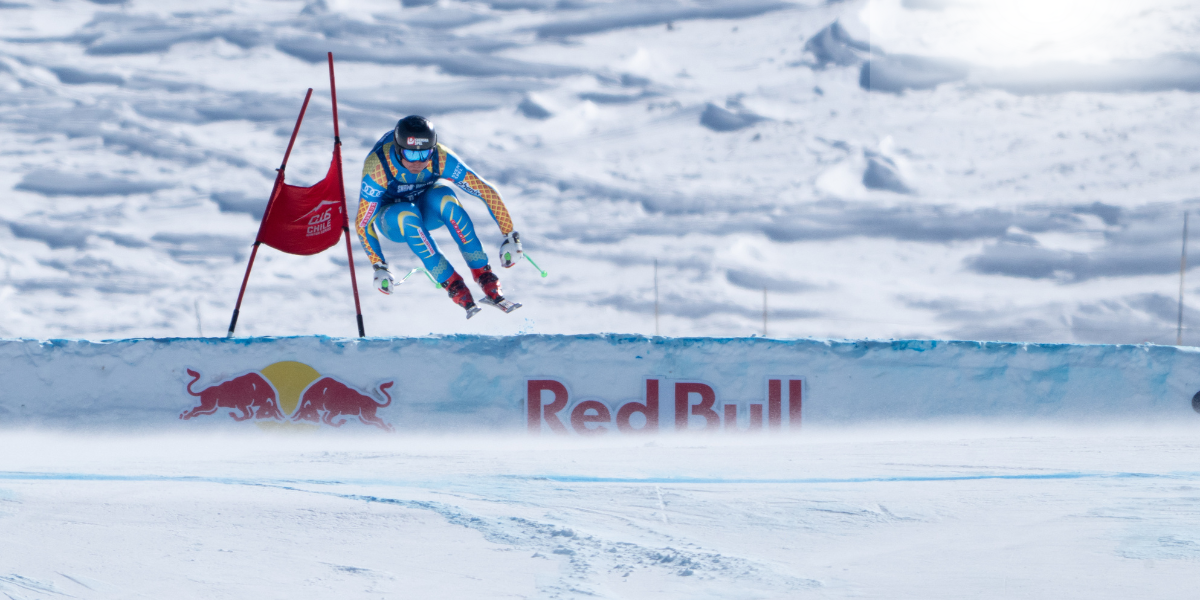
A Duel of Titans: The Women’s Speed Races
The women’s speed series became a high-stakes chess match between Barbora Novakova and Haley Cutler. Cutler, an independent racer carving out a significant reputation on the World Cup circuit, made an immediate impact on the opening day. In the September 1 downhill, Cutler secured a victory by a narrow 0.11-second margin over Novakova, signaling her intent for the season. This performance built on the significant progress she made during the 2025–26 season, during which she transitioned from a collegiate background at the University of New Mexico and Montana State to a consistent points-scorer on the World Cup stage, highlighted by a 20th-place finish in St. Moritz.
However, the series quickly shifted as Novakova began a masterclass in speed. Following her narrow defeat in the opener, the Czech athlete responded with three consecutive victories, sweeping the remaining downhill and both super-G events. Novakova, who proved her pedigree with a 14th-place finish in the 2026 Olympic super-G at Cortina d’Ampezzo, demonstrated superior line selection and confidence on the Barros Negros pitch.
The consistency of the podium participants underscored the high caliber of the field. Chilean native Matilde Schwencke, who competed in the 2026 Olympic downhill, provided a surge of energy for the home crowd by securing a third-place finish in the opening race. Her performance, alongside Argentina’s Nicole Begue, who consistently challenged for the podium throughout the week, highlighted the growing strength of South American alpine programs. Meanwhile, Canadian independent athlete Stefanie Fleckenstein continued her inspiring recovery from a complex 2023 tibia fracture, showing marked improvement in her technical fluidity and FIS point profiles by the end of the four-day window.
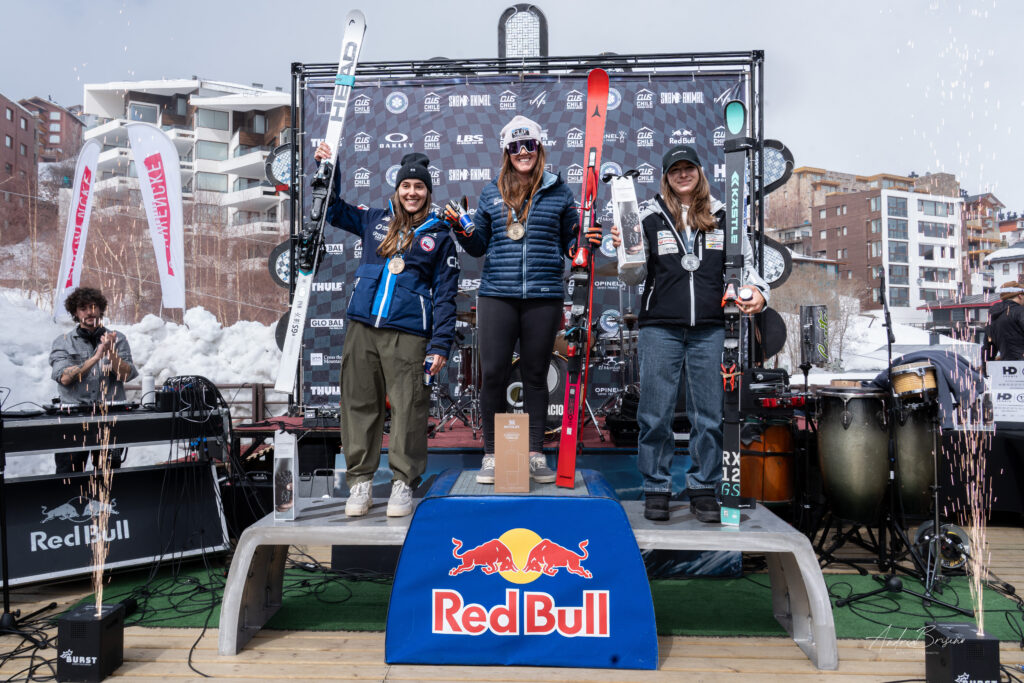
German Precision: The Men’s Speed Sweep
If the women’s field was defined by a competitive rivalry, the men’s field was defined by German tactical dominance. Led by reigning junior world champions, the German team effectively dismantled the field. Felix Roesle, the 2025 junior world downhill champion, commanded the downhill events, securing back-to-back victories on September 1 and 2. Roesle’s ability to manage the technical complexities of the Barros Negros track—particularly the high-speed transitions—was clinical. In both races, he held off challenges from French World Cup veteran Matthieu Bailet and independent Swedish racer Felix Monsen, who rounded out the podiums.
In the super-G, the torch passed to Benno Brandis, the 2025 junior world super-G champion. Brandis extended Germany’s winning streak to four consecutive races, sweeping both super-G contests. His victory on September 3, where he defeated Monsen by a mere three-hundredths of a second, was a testament to the razor-thin margins that define modern speed skiing. The final day of the super-G saw Bailet push Brandis to his absolute limit, falling only 0.06 seconds short of the top spot.
For the United States, the week provided a litmus test for a mix of established veterans and emerging prospects. Sam Morse, the 2017 junior world champion, finished 11th in the opening downhill, while younger Stifel U.S. Ski Team members Isaiah Nelson and Aksel Lindenmeyr showed flashes of brilliance. Nelson, a former junior world super-G champion, steadily improved throughout the week, culminating in a fourth-place finish in the final super-G, narrowly missing the podium by 0.12 seconds. Mattias Wilson, a 19-year-old rookie, also made a strong impression, recording a sixth-place finish in the second downhill.

Chronology and Performance Metrics
The four-day schedule was packed with intensity, demanding recovery and rapid adjustment from the athletes:
- September 1: The series opened with downhills. Cutler took the win in the women’s category (29.73 race penalty), while Roesle topped the men’s podium (15.00 race penalty).
- September 2: The second downhill round saw Novakova reverse her fortunes against Cutler, while Roesle maintained his grip on the men’s field, completing his sweep.
- September 3: The transition to super-G saw Novakova continue her winning streak, and Brandis debut his dominance, securing his first win of the week.
- September 4: The concluding day finalized the series with Novakova and Brandis both claiming their respective super-G finales.
The race penalties, particularly the 15.00 for the men’s races, indicate that the field strength was high enough to generate high-quality FIS points, which are essential for seeding in upcoming World Cup events. Athletes like Fleckenstein, who managed to lower her FIS point total to 61.74 by the final day, demonstrated the real-world value of these South American training blocks.
Broader Implications and Strategic Importance
The decision by FIS to classify these races as part of the 2027 season highlights the strategic importance of the South American Cup in the global calendar. For the European and North American teams, the Chilean training camps are no longer optional "off-season" activities but mandatory components of professional development. The altitude, snow conditions, and technical demands of La Parva provide an environment that cannot be replicated in the Northern Hemisphere during the late summer.
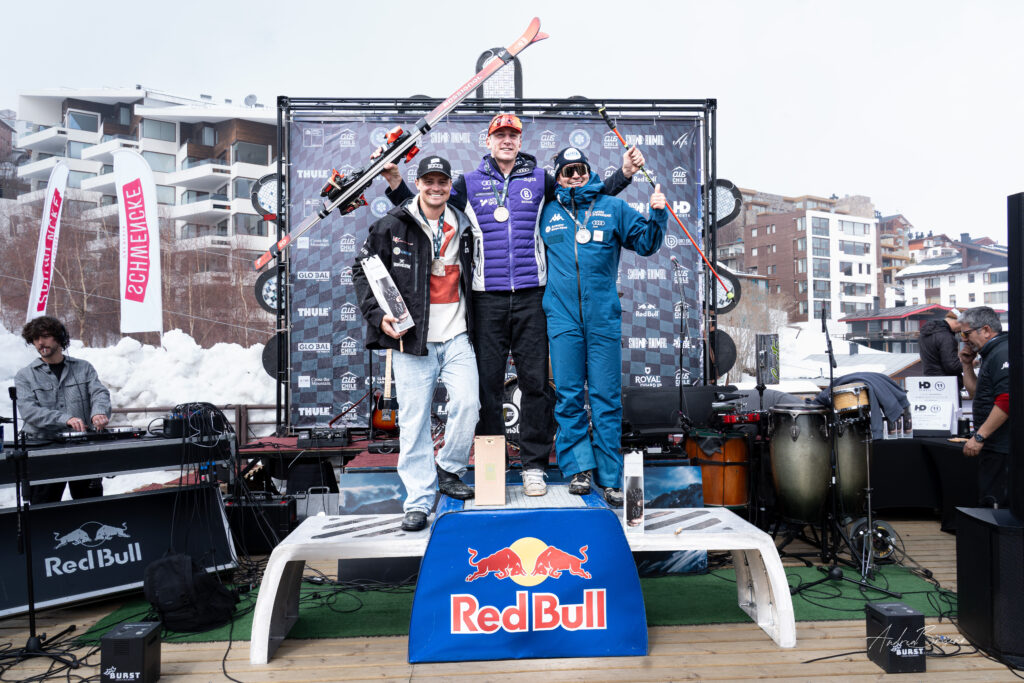
From an analytical perspective, the dominance of the German junior world champions—Roesle and Brandis—suggests a significant shift in the balance of power within the German speed program. Their ability to immediately translate junior success into senior-level dominance on a challenging track like Barros Negros suggests that the pipeline for the German national team is currently among the most productive in the world.
Furthermore, the performance of independent racers like Haley Cutler and Stefanie Fleckenstein highlights the evolving ecosystem of professional skiing. In an era where funding and resources are highly competitive, independent athletes are finding success by utilizing events like the South American Cup to maintain their racing sharpness and improve their world rankings outside the traditional team structure.
Looking Ahead to Corralco
As the La Parva leg concludes, the South American Cup now shifts its focus to Corralco, Chile, for the final series of speed races from September 22–26. With the standings in both the downhill and super-G disciplines currently wide open, the competition at Corralco will serve as the final determinant for the season’s titles.
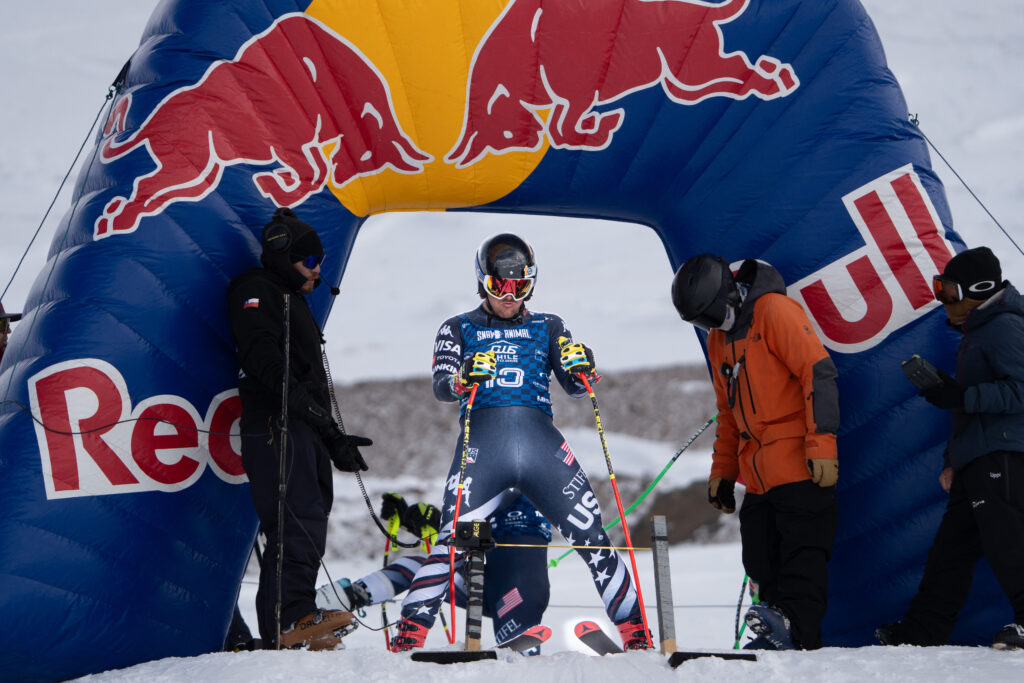
While Novakova and Brandis leave La Parva with the psychological advantage, the nature of alpine racing—where one hundredth of a second can be the difference between victory and fourth place—means that the leaderboard remains fluid. The athletes will now have roughly two weeks to analyze their video footage, adjust their equipment setups, and recover from the high-altitude fatigue of the past four days. The speed community expects the intensity to escalate at Corralco, as the window for securing vital early-season FIS points begins to close, setting the stage for the World Cup openers later this year.

