
Cross-country skiing has long been recognized by sports physiologists and endurance athletes as one of the most demanding full-body conditioning activities available. Requiring the synchronized engagement of the cardiovascular system, upper body, lower body, back, and core, the sport places intense physiological demands on practitioners. Moderate-intensity cross-country skiing burns between 400 and 700 calories per hour, making it exceptionally efficient compared to alpine alternatives; research published in medical and sports science journals indicates that it can take up to two and a half hours of downhill skiing to equal the caloric expenditure achieved in just one hour of cross-country skiing. Despite these documented health benefits, the sport’s reliance on natural snowfall and specialized outdoor environments has historically limited its accessibility as a routine fitness option for urban populations.
To bridge this gap, fitness innovators have developed specialized indoor training technology designed to replicate the biomechanics of Nordic skiing within a compact, urban footprint. Among the latest manifestations of this trend is NRTHRN Strong, a Denmark-founded fitness concept that recently expanded its operations to New York City. Situated in the Flatiron district, the studio utilizes custom-engineered resistance machines to deliver a high-intensity, low-impact workout modeled after the training regimens of professional cross-country athletes.
The Evolution of Urban Ski Training
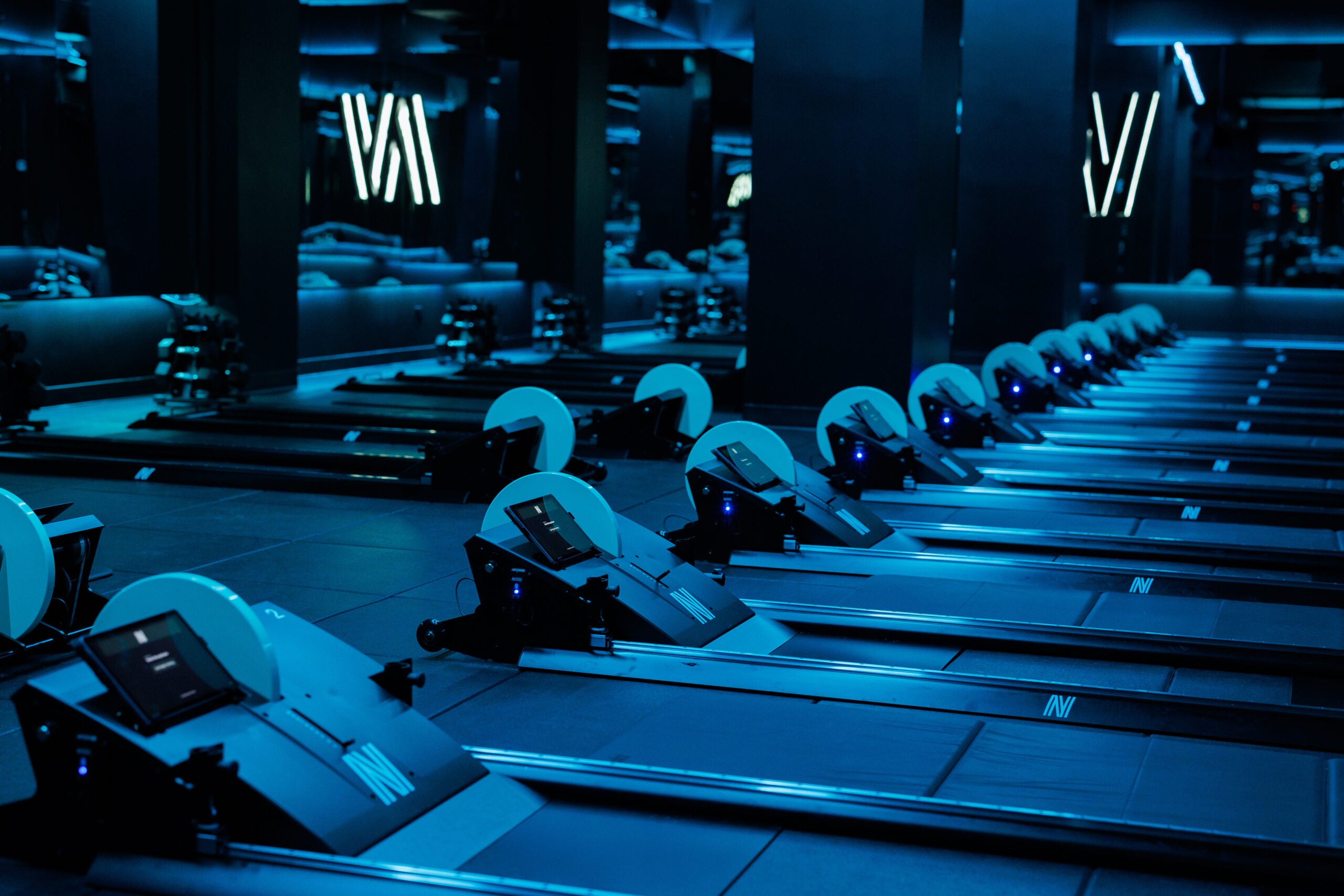
The concept of simulating Nordic skiing indoors is not entirely unprecedented, but recent advancements in fitness technology have refined the approach. Traditional indoor cardio equipment—such as stationary bikes, treadmills, and rowing ergometers—tends to isolate specific planes of motion. In contrast, the NRTHRN Trainer resembles a hybrid between a rowing ergometer and a sliding platform, engineered to mirror the diagonal stride and double-poling techniques intrinsic to cross-country skiing.
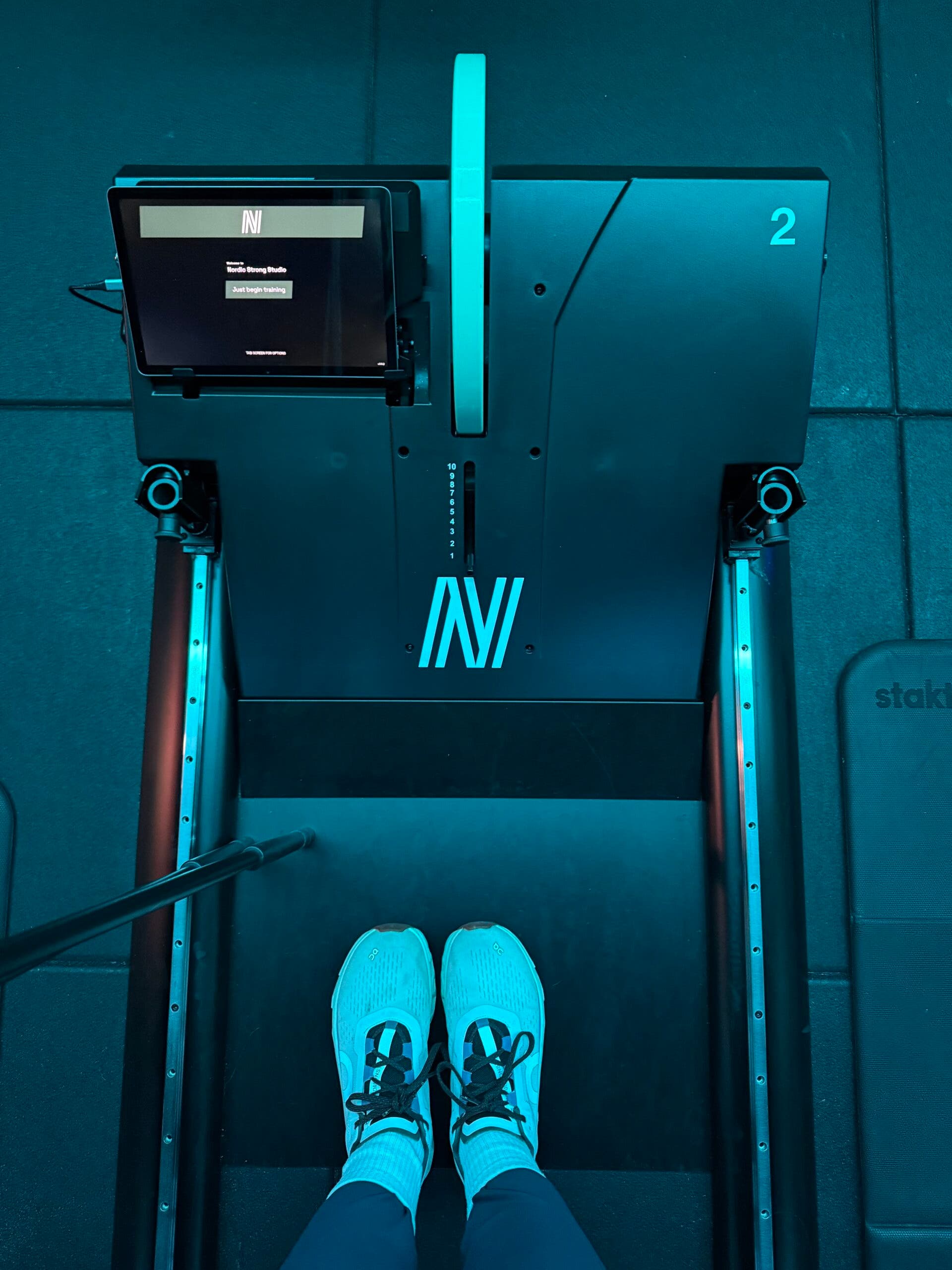
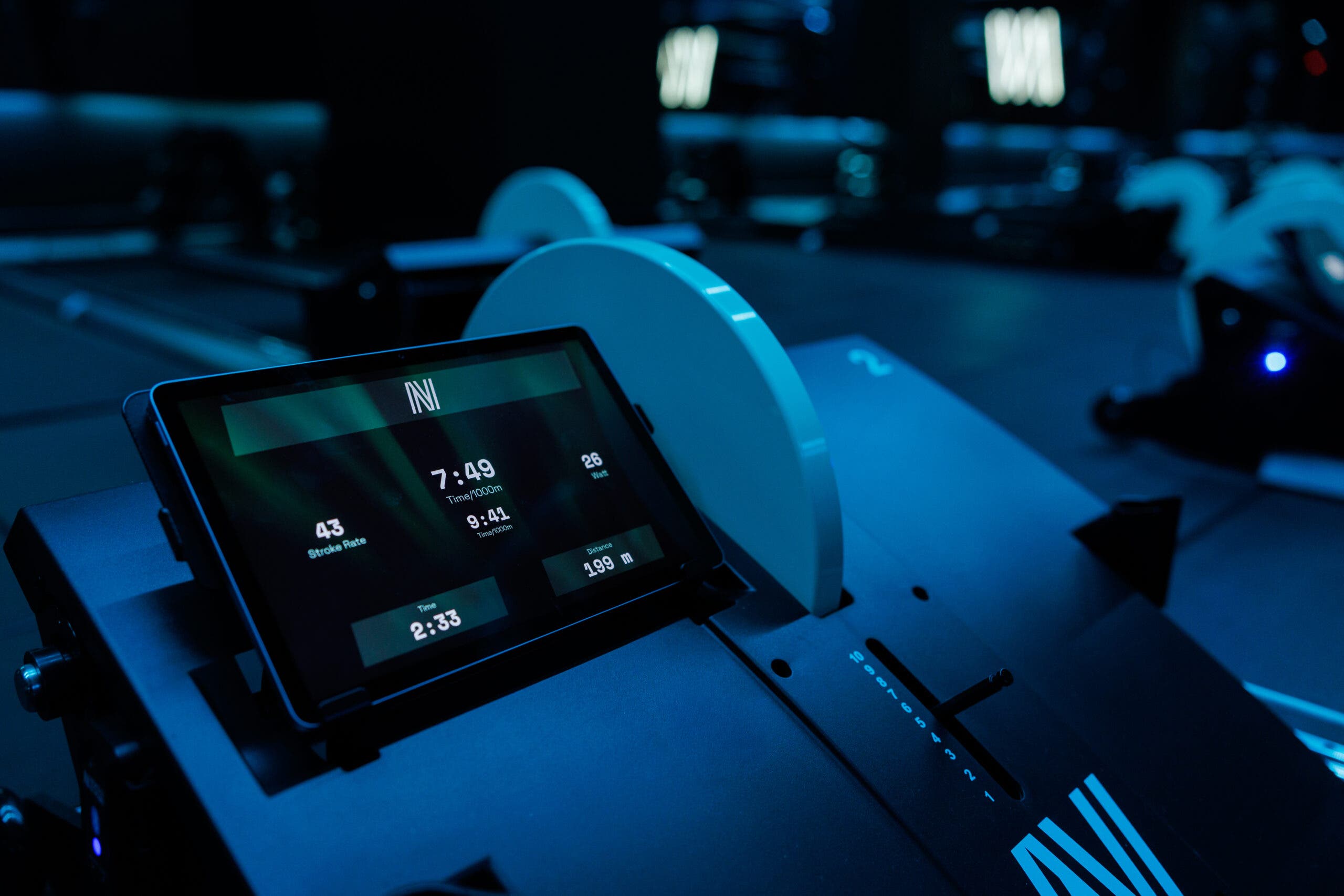
The machine integrates custom poles that slot into mechanical sockets on either side of the apparatus, allowing users to execute fluid, sliding movements. A digital display mounted at the front of the unit provides real-time analytics, including stroke rate, elapsed time, caloric output, pace per 1,000 meters, and total distance covered. This integration of data allows both novice participants and seasoned skiers to quantify their output and maintain targeted pacing throughout a session.
Inside the NRTHRN Strong Training Experience
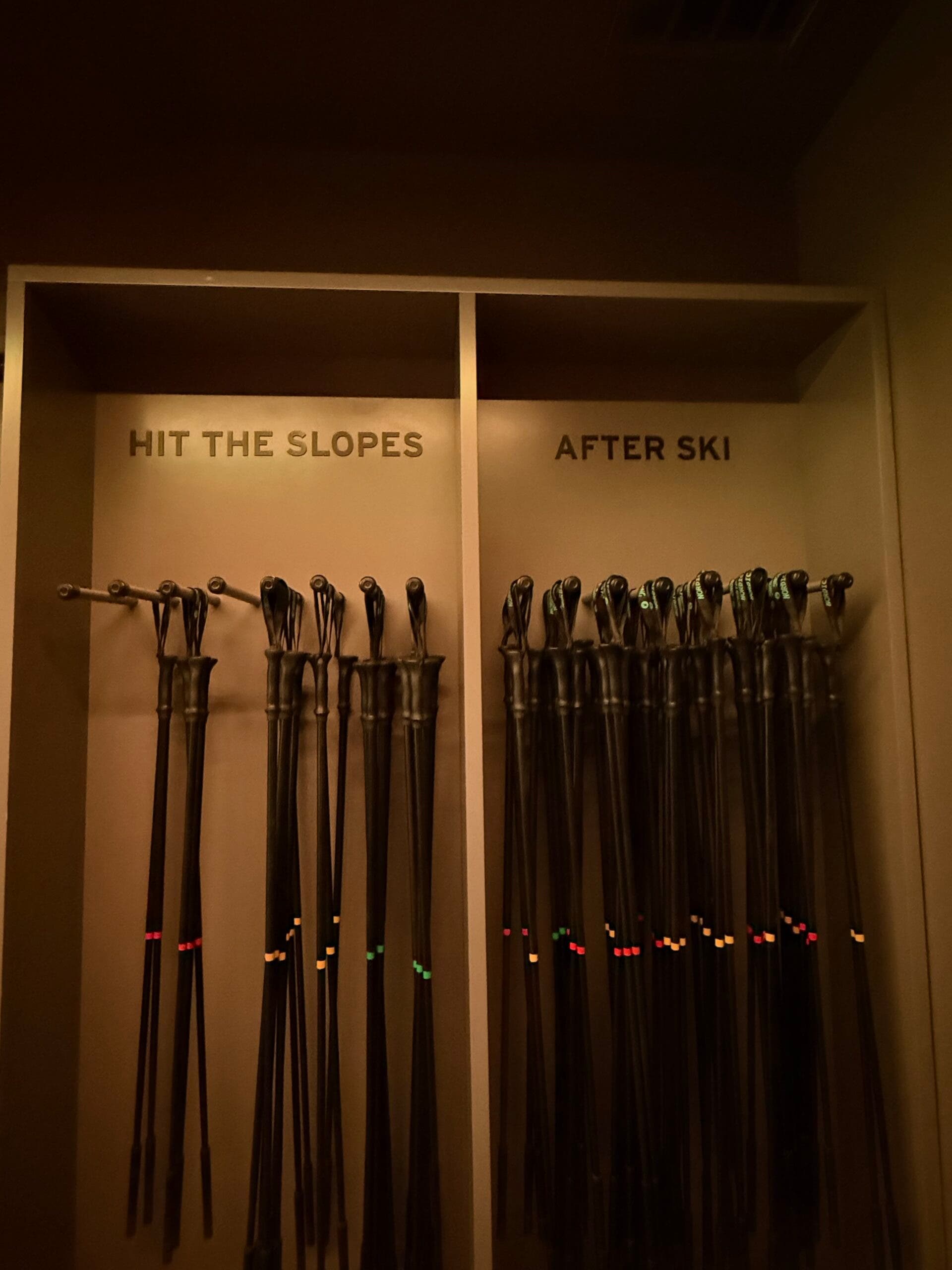
Upon entering the New York studio, participants are provided with appropriately sized ski poles corresponding to their height, ensuring proper biomechanical alignment during the workout. While the equipment appears complex, the mechanics are designed for rapid adoption. Instructors emphasize that prior cross-country skiing experience is not a prerequisite for participation; the learning curve is intentionally shallow to accommodate urban residents who may have never encountered snow sports.
The standard 50-minute class structure adopts a high-intensity interval training (HIIT) format, alternating between intervals on the NRTHRN Trainer and strength-building floor exercises. A typical session divides time evenly, dedicating roughly ten-minute blocks to the machine followed by lower-body and core movements performed on adjacent workout mats.
During the machine intervals, participants cycle through various resistance settings and movement patterns designed to target different muscle groups while maintaining an elevated heart rate. The explosive, plyometric nature of the movements ensures continuous time under tension, driving cardiovascular exertion within the first few minutes of the session.
Biomechanics and Low-Impact Advantages
A primary selling point of the indoor skiing modality is its low-impact profile. Unlike running or traditional high-impact aerobics, which place significant stress on weight-bearing joints, the sliding carriage and pole mechanics of the NRTHRN Trainer allow users to control the velocity and resistance of the movement. This design shares functional similarities with Pilates reformer equipment, making the workout accessible to individuals with varying fitness levels or those managing joint sensitivities.
Exercise science professionals note that the synchronized recruitment of upper and lower extremities promotes muscular balance and core stability without the concussive forces associated with pavement running. Consequently, fitness experts suggest that such training modalities can benefit populations with limited mobility while still delivering the cardiovascular stimulus required for endurance conditioning.
Broader Implications for the Fitness Industry
The introduction of specialized Nordic ski simulators to major metropolitan markets reflects a broader industry trend toward experiential, sport-specific indoor training. As urban demographics shift toward functional fitness and longevity-focused exercise regimens, concepts that translate outdoor endurance sports into indoor group fitness environments are gaining traction.
Furthermore, the cross-training benefits of these indoor machines extend beyond general physical conditioning. Athletes who transition from indoor ski simulators to outdoor winter sports report noticeable improvements in functional strength, balance, and stroke efficiency when clicking into traditional cross-country skis.
NRTHRN Strong currently operates facilities in Copenhagen and New York City, offering daily classes tailored to strength training, cardiovascular endurance, and muscular sculpting. As consumer demand for diverse, low-impact HIIT alternatives continues to grow, the success of sport-specific indoor simulators in densely populated urban centers may pave the way for further expansion of winter sports conditioning into year-round mainstream fitness markets.

