
As winter sports enthusiasts eagerly anticipate the arrival of the alpine season, medical professionals and sports physiotherapists are intensifying warnings regarding the high physical toll of skiing and snowboarding. Whether navigating early-season powder or battling the packed powder of peak winter months, participants face significant risks. Hidden hazards such as submerged rocks, unexpected tree roots, rapidly changing snowpack conditions, and the ever-present threat of high-speed collisions contribute to a steady stream of orthopedic trauma each year. While external environmental factors remain largely uncontrollable, sports medicine specialists emphasize that targeted, pre-season physical conditioning can drastically alter an individual’s susceptibility to severe injury.
To bridge the gap between casual fitness and the punishing demands of the mountain, Dr. Matt Hastings, a prominent orthopedic and sports physical therapist at The Alpine Athlete in Denver, Colorado, has released a comprehensive training framework. Drawing from years of clinical experience treating complex alpine trauma and chronic joint degradation, Dr. Hastings highlights five fundamental conditioning modalities designed to bulletproof the body against the unique biomechanical stressors of downhill snow sports.
The Anatomy of Alpine Trauma: Understanding the Physical Toll
To appreciate the necessity of specialized pre-season conditioning, one must first examine the physiological forces acting upon the human body during a standard day of skiing. Unlike linear running or cyclical cycling, alpine skiing demands continuous multi-planar stabilization, profound lower-extremity endurance, and rapid neuromuscular adaptation. As a skier carves down a steep pitch, gravitational forces and centrifugal momentum generate immense pressure across the knee, hip, and ankle complexes.
Historically, ski-related injuries accounted for a substantial percentage of winter emergency room visits. According to epidemiological data compiled by orthopedic research groups, anterior cruciate ligament (ACL) tears, medial collateral ligament (MRL) strains, meniscus damage, and proximal shoulder dislocations remain among the most frequent diagnoses for recreational and advanced skiers alike. These injuries often occur not merely due to high-impact collisions, but as a result of muscle fatigue, delayed neuromuscular firing, and an inability to adequately absorb eccentric loads. When quadriceps and core stabilizers become exhausted, joint laxity increases, leaving vulnerable ligaments exposed to catastrophic shear forces.
Recognizing this vulnerability, sports scientists and physical therapists have increasingly advocated for a structured, periodized training timeline that begins months before the first chairlift opens. A typical conditioning timeline requires a minimum of eight to twelve weeks of dedicated off-season preparation, allowing neuromuscular pathways to adapt, tendon tensile strength to improve, and muscular hypertrophy to stabilize the joints.
Chronology of a Conditioning Cycle: Building Mountain Readiness
Implementing a successful ski-specific fitness routine requires adherence to a progressive overload model. Physical therapists recommend dividing the pre-season preparation into distinct phases:
- Foundation Phase (Months 3 to 4 Prior to Season): Focus shifts toward general cardiovascular endurance, basic functional movement patterns, and identifying muscular imbalances or asymmetries.
- Strength and Hypertrophy Phase (Months 2 to 3 Prior to Season): Introduction of heavy compound lifts, eccentric loading protocols, and single-leg stability challenges.
- Neuromuscular and Power Phase (Month 1 Prior to Season): Integration of plyometrics, isometric holds, core-intensive plank variations, and complex multi-planar movements that mirror real-time on-mountain scenarios.
- Maintenance and Recovery Phase (Active Season): Transitioning from heavy lifting to maintenance resistance training, coupled with rigorous mobility, foam rolling, and localized soft tissue recovery.
By adhering to this structured timeline, athletes ensure that their physiological reserves match the grueling demands of long, sustained ski runs and variable snow conditions.
Core Conditioning Pillar One: Mastering Eccentric Exercise
At the heart of Dr. Hastings’ conditioning protocol is the emphasis on eccentric muscle contractions. In standard concentric movements, muscles shorten under load, such as the upward phase of a barbell squat. Conversely, eccentric contractions occur when a muscle lengthens while under tension—exemplified by the descending or lowering phase of that same squat.
On the ski hill, the human body functions primarily as a sophisticated shock absorber. As skiers descend steep terrain, their legs must continuously yield to and absorb the aggressive inputs delivered by bumps, ruts, and varying snow densities. This constant deceleration work places an extraordinary eccentric load on the quadriceps, glutes, and calves.
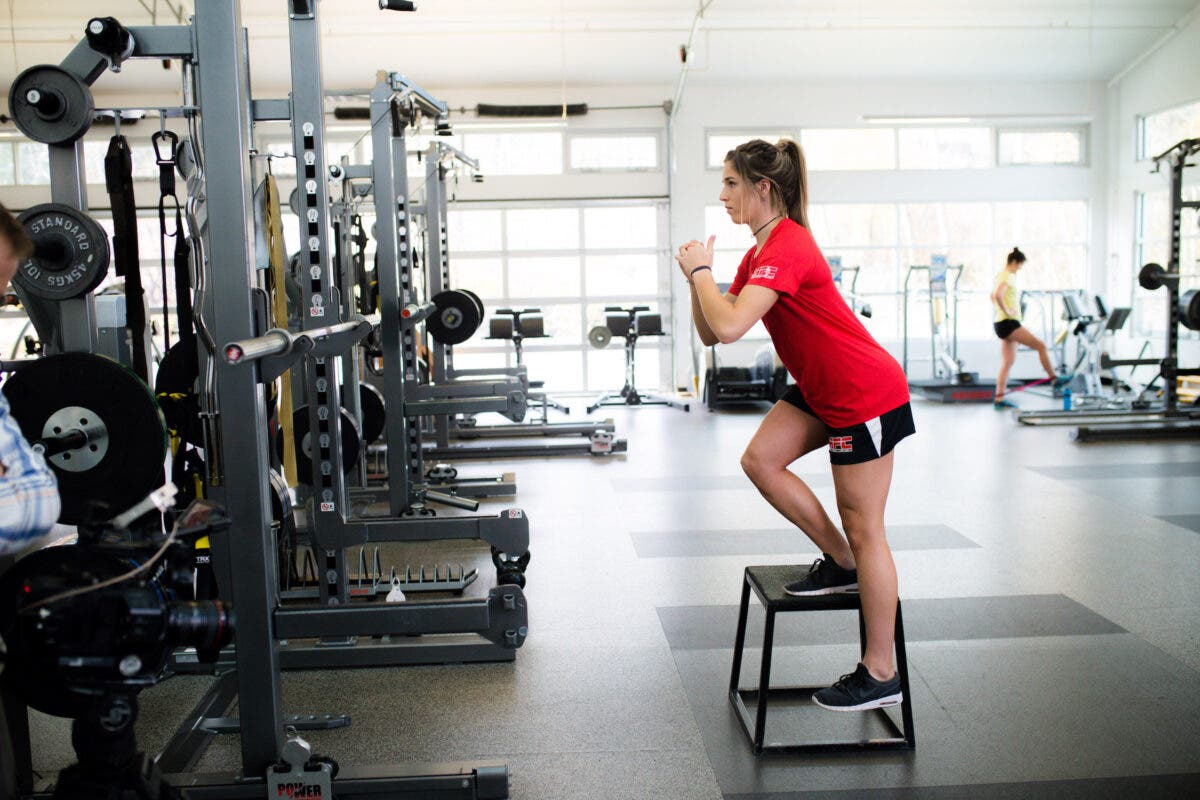
To prepare the musculoskeletal system for this continuous braking force, athletes must intentionally integrate eccentric training into their gym routines. This involves extending the duration of the lowering phase of lifts—often taking three to five seconds to descend into a squat, lunge, or leg press. By intentionally slowing down the negative portion of an exercise, lifters enhance their muscles’ tolerance to prolonged mechanical tension, significantly reducing the onset of severe delayed onset muscle soreness (DOMS) and preserving structural integrity during exhaustive mogul runs.
Core Conditioning Pillar Two: Harnessing Isometric Strength for Burn Reduction
Every skier is intimately familiar with the intense, localized muscular fatigue commonly known as the "quad burn." This physiological sensation occurs when the quadriceps muscles remain in a prolonged, sustained contraction without significant lengthening or shortening—a phenomenon known as an isometric muscle contraction.
When executing a long, high-speed arcing turn down a groomed trail, the skier’s joints must remain locked at a specific, stable angle while immense gravitational forces push against the lower body. If the neuromuscular system lacks adequate isometric endurance, form degrades rapidly, forcing auxiliary joints to compensate and exponentially elevating injury risks.
To combat this, Dr. Hastings recommends incorporating targeted isometric holds into the weekly training regimen. The classic wall sit remains a gold-standard, accessible exercise for building relentless quadriceps endurance. To further simulate the unpredictable environment of the mountain, practitioners can elevate the difficulty by introducing timed intervals, single-leg variations, or incorporating dynamic upper-body resistance while maintaining the static lower-body posture. By conditioning the muscle fibers to fire efficiently at static joint angles, skiers can successfully suppress the debilitating burn and maintain absolute technical control through the final run of the day.
Core Conditioning Pillar Three: Cultivating Single-Leg Dominance
A fundamental error in many conventional fitness routines is the heavy reliance on bilateral movements—such as traditional squats and deadlifts—which distribute loads evenly across both legs. While these exercises are undeniably valuable for building absolute strength, they fail to replicate the true biomechanics of alpine skiing.
Skiing is inherently a unilateral sport. At any given moment during a carved turn, the athlete’s weight shifts dynamically from the inside edge of one ski to the inside edge of the other, requiring each leg to independently stabilize the entire body mass against high lateral and vertical forces. A deficit in unilateral stability often leads to compensatory movement patterns, inside-ski catching, and subsequent knee ligament trauma.
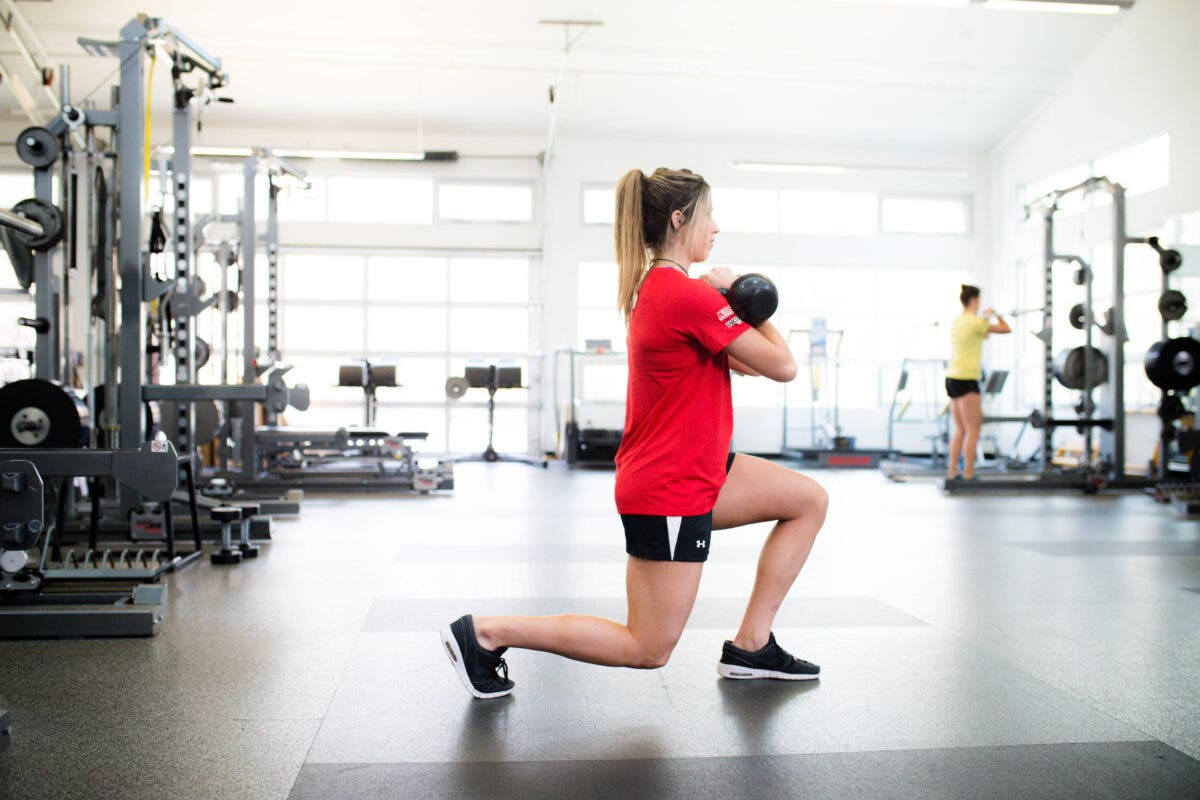
To address this, the conditioning routine must prioritize single-leg exercises executed across multiple planes of movement. Forward, reverse, and lateral lunges, single-leg Romanian deadlifts, and step-ups challenge the stabilizer muscles of the quadriceps, glutes, hamstrings, and ankles. By training the body to stabilize balance on an unstable base, skiers drastically improve their dynamic equilibrium, allowing them to recover swiftly when encountering choppy snow or unexpected loss of edge grip.
Core Conditioning Pillar Four: Advanced Plank Variations for Trunk Stability
While powerful legs are essential for driving through turns, optimal power transfer cannot occur without a rock-solid core. Skiing demands continuous upper-and-lower-extremity dissociation; the lower body must react dynamically to the terrain while the upper body remains stable, facing down the fall line, and holding ski poles correctly.
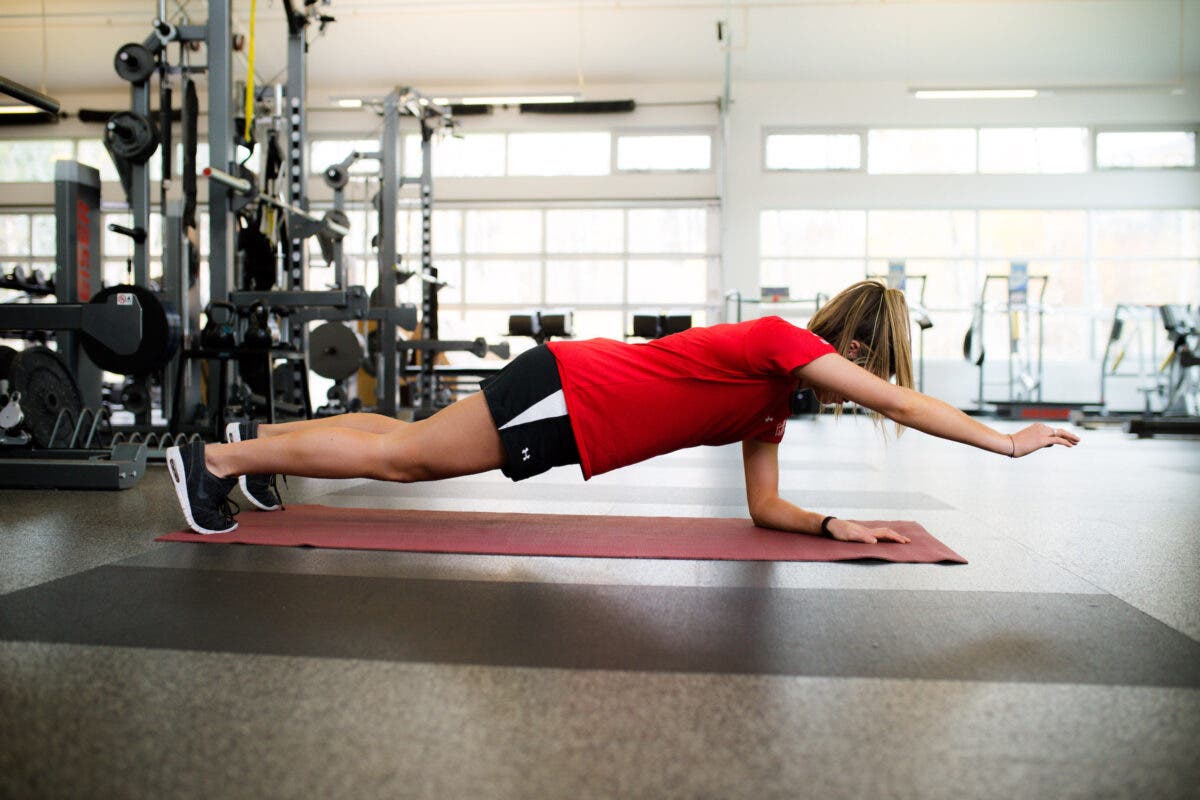
Standard abdominal crunches are largely ineffective for this purpose, as they fail to train the core in its primary evolutionary role: resisting unwanted spinal movement. Instead, sports physical therapists advocate for comprehensive plank variations that challenge the entire trunk musculature—including the rectus abdominis, obliques, transverse abdominis, and deep spinal stabilizers.
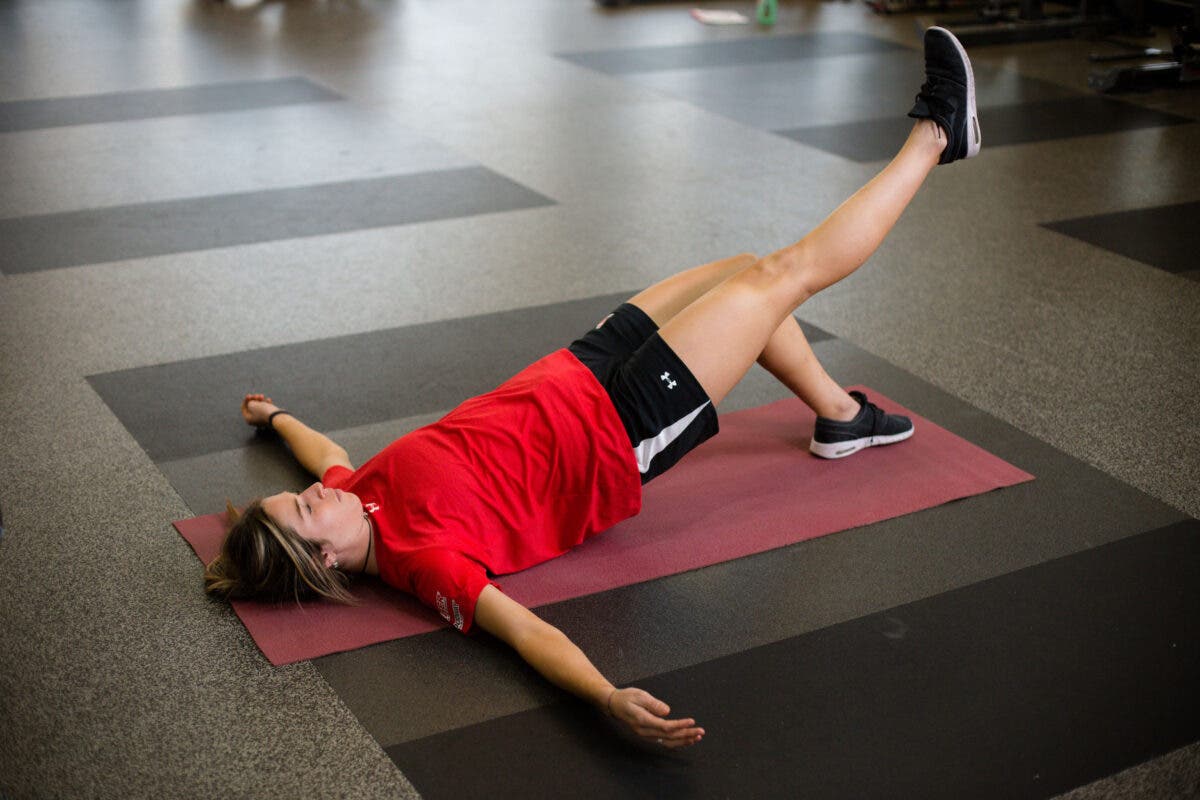
Moving beyond the basic forearm plank, athletes are encouraged to integrate dynamic variations such as planks with alternating arm reaches, demanding side-lying planks, and advanced movements like the Copenhagen plank, which specifically targets the adductor complex—a muscle group frequently strained during aggressive alpine maneuvers. Developing robust core stability ensures that the spine remains protected against sudden rotational forces and jarring impacts.
Core Conditioning Pillar Five: Prioritizing Mobility, Recovery, and Tissue Health
No pre-season conditioning program is complete without a dedicated focus on mobility work and post-exercise recovery. The repetitive, high-impact nature of alpine skiing inevitably leads to micro-trauma, localized inflammation, and increased muscle tone or tightness, particularly around the hips, knees, ankles, and thoracic spine.
Restricted joint mobility creates a cascading effect throughout the kinetic chain. If an athlete lacks adequate ankle dorsiflexion or hip internal rotation, the body will inevitably compensate by placing excessive shear stress on the knee joint or lumbar spine. Therefore, pre-and post-ski mobility routines must be treated as a non-negotiable component of athletic longevity.
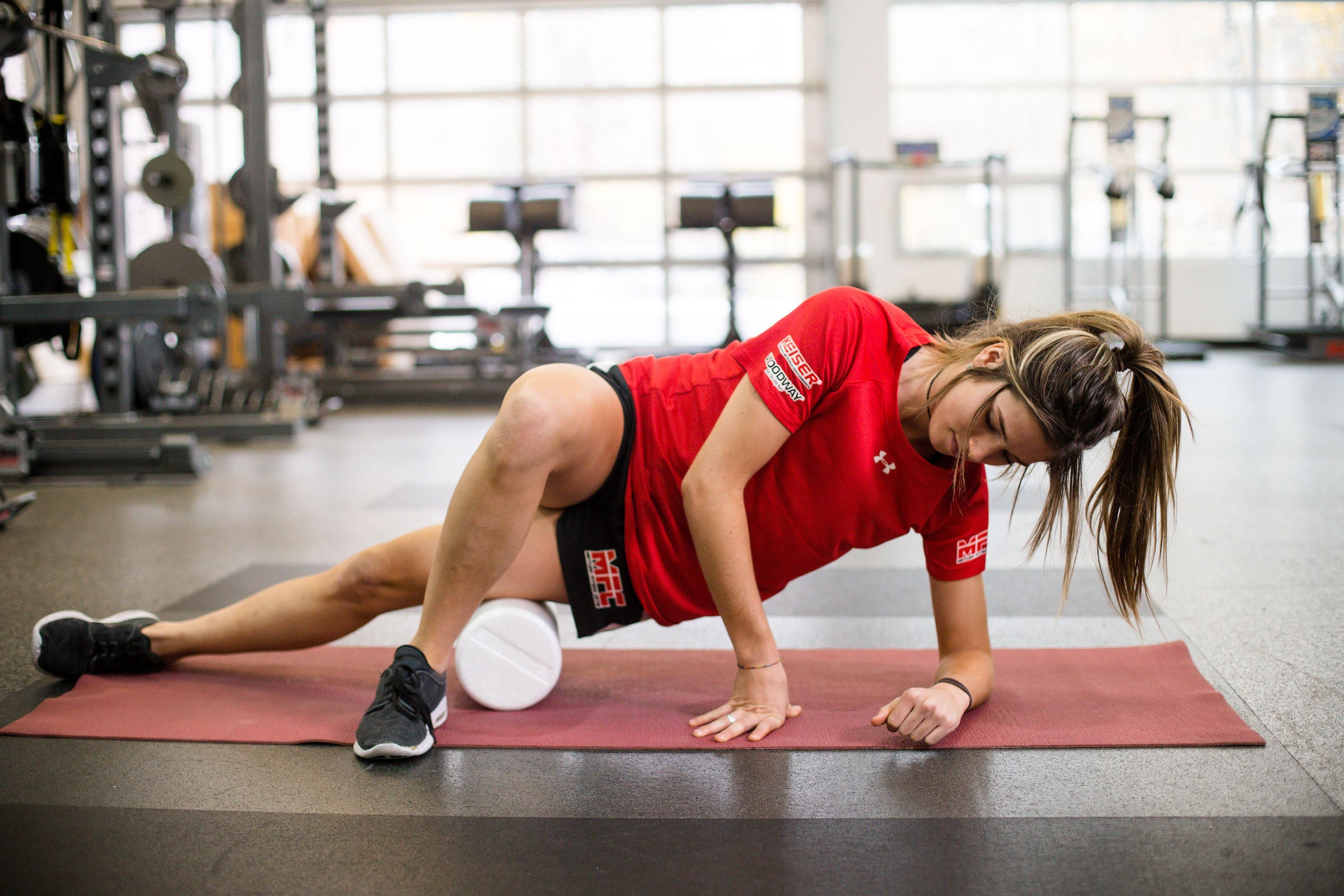
Integrating mobility tools such as high-density foam rollers, percussion massage guns, and targeted resistance bands allows athletes to systematically address areas of stiffness and enhance tissue hydration. By maintaining optimal range of motion across all major joints, skiers ensure that their movement patterns remain fluid, efficient, and resilient against sudden mechanical failures.
Broader Industry Implications and Expert Consensus
The release of Dr. Hastings’ comprehensive conditioning framework aligns with a broader industry-wide shift toward preventative sports medicine within the winter recreation sector. Major ski resorts, athletic governing bodies, and orthopedic research centers are increasingly investing in educational outreach programs aimed at reducing the staggering societal and economic costs associated with severe winter sports injuries.
According to healthcare economists, orthopedic surgeries resulting from severe alpine trauma—particularly ACL reconstructions—incur substantial direct medical costs and long-term rehabilitation expenses, alongside significant lost productivity. By shifting the paradigm from reactive surgical intervention to proactive, science-backed conditioning, sports medicine professionals hope to alter injury statistics significantly across major ski regions.
Furthermore, commercial fitness markets have responded to this demand, with specialized ski-conditioning classes, digital training applications, and personalized physical therapy consultations experiencing a surge in popularity during the autumn months. Industry analysts note that consumers are increasingly viewing off-season fitness not merely as a luxury, but as an essential investment in their long-term athletic longevity and safety.
As the upcoming winter season approaches, medical experts reiterate that consistency remains the ultimate variable in injury prevention. Weekend warriors and seasoned alpine veterans alike are urged to look beyond casual gym attendance and adopt a structured, periodized approach to their physical preparation. By mastering eccentric loading, building isometric endurance, prioritizing single-leg stability, reinforcing core integrity, and respecting the critical role of mobility and recovery, skiers can step onto the snow with confidence—ready to conquer the mountain while significantly reducing their risk of preventable trauma.

