
The Environmental Protection Agency (EPA), established in 1970 under President Richard Nixon, was founded on a legislative mandate to protect human health and the natural environment. For over half a century, the agency utilized the Clean Air Act, the Clean Water Act, and the Safe Drinking Water Act to establish science-backed regulations that mitigated industrial pollution. However, the past year has seen a comprehensive pivot in the agency’s operational strategy. Through a series of administrative rollbacks, the EPA has moved away from its traditional role as a regulatory watchdog, adopting a posture that prioritizes industrial deregulation over environmental oversight.
This shift has prompted significant concern from advocacy groups like Protect Our Winters (POW), which represents an "Outdoor State"—a coalition of 181 million Americans who participate in outdoor recreation. As climate-related disruptions impact seasonal stability, air quality, and ecosystem health, the institutional changes within the EPA are being viewed not as isolated policy adjustments, but as a systemic restructuring that threatens the economic and physical viability of the outdoor recreation industry.
The Legal Erosion of Climate Oversight
The most foundational shift in the agency’s policy direction is the revocation of the Endangerment Finding. This finding, first issued in 2009, established that greenhouse gases (GHGs) pose a threat to public health and welfare, thereby granting the EPA the legal authority to regulate emissions from power plants, vehicles, and heavy industry under the Clean Air Act.
By overturning this finding, the EPA has effectively removed the legal bedrock upon which federal climate policy rested. The action mirrors a broader deregulation trend that seeks to decouple industrial output from carbon liability. Legal scholars note that without the Endangerment Finding, the agency lacks a clear mandate to address climate pollution, creating a regulatory vacuum. This development comes as global mean temperatures approach the 1.5°C threshold identified by the Intergovernmental Panel on Climate Change (IPCC) as a critical tipping point for irreversible climate impacts.
Chronology of Deregulatory Actions
The current state of the EPA is defined by a rapid succession of rollbacks that have been executed over the last twelve months. The following timeline highlights the key shifts in agency priorities:
- Q1: Institutional Realignment: The agency initiated a 50% budget reduction and began the systematic removal of long-standing institutional experts. Scientific advisory boards were restructured, with several roles filled by individuals previously associated with the industries the EPA is tasked to regulate.
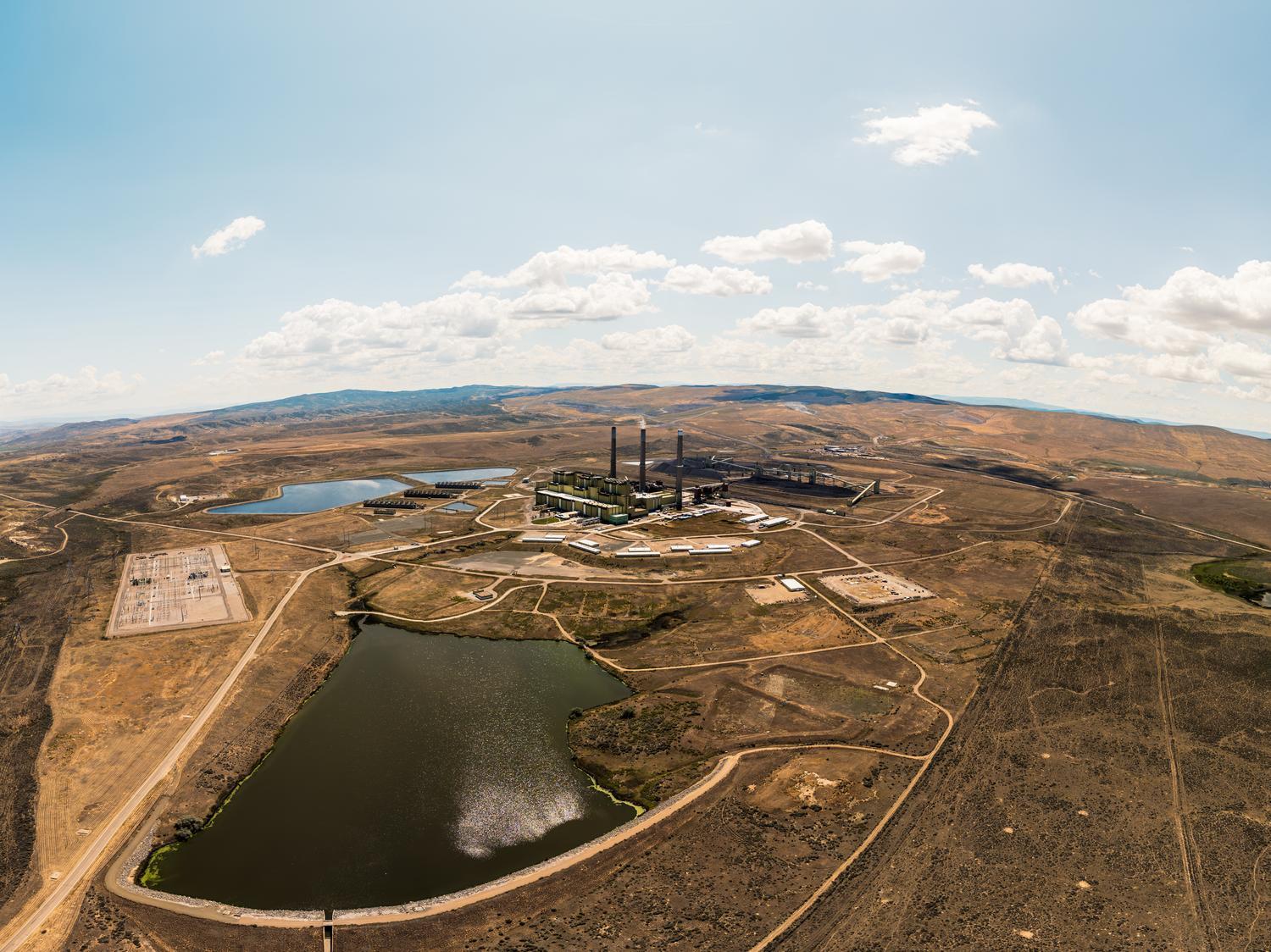
- Q2: Air Quality and Emissions: The EPA rescinded mercury and air toxics standards (MATS) and weakened ozone (smog) regulations. It also implemented a policy of "enforcement discretion," allowing coal and gas plants to bypass existing air quality standards under the guise of energy security.
- Q3: Water Protections: The agency narrowed the legal definition of "Waters of the United States" (WOTUS), significantly reducing the scope of federal oversight on seasonal streams and wetlands. Concurrently, it repealed limits on toxic wastewater discharge for coal-fired power plants.
- Q4: Data and Enforcement: The agency dismantled its environmental justice office and discontinued the use of EJScreen, a critical mapping tool that allowed communities to visualize pollution exposure. Enforcement actions, including site inspections and penalty assessments, were reduced by historic margins.
Data and Economic Implications
The outdoor recreation industry contributes approximately $1.1 trillion to the U.S. economy and supports over 5 million jobs. However, this sector is inherently sensitive to environmental degradation. Recent data suggests that the economic toll of these deregulatory actions is already materializing in the form of increased operational risks for tourism and outdoor retail.
In Vermont, researchers have observed a 22% decrease in reliable snow days over the past two decades. Similar trends are visible across the Rocky Mountain region, where shorter ski seasons and increased wildfire activity have led to regional economic instability. In urban centers like Denver, Salt Lake City, and Los Angeles, the relaxation of smog standards correlates with an uptick in "code red" air quality days. These days result in the cancellation of outdoor events, reduced consumer foot traffic for local businesses, and increased public health costs related to respiratory ailments such as asthma and heart disease.
Sidelining Evidence-Based Policy
A critical aspect of the current EPA restructuring is the displacement of independent science in favor of political and industry-aligned decision-making. The agency has limited the use of peer-reviewed scientific studies in the policymaking process, a move that critics argue undermines the agency’s credibility.
By recruiting climate science skeptics into advisory roles and limiting access to environmental databases, the agency has effectively stifled the feedback loops necessary for adaptive management. The removal of the Office of Environmental Justice and the cessation of related grant programs suggest a departure from the EPA’s commitment to addressing the disproportionate pollution burden carried by marginalized communities.
Official Responses and Advocacy
The policy shifts have been met with intense scrutiny from public health organizations, environmental scientists, and economic stakeholders. While proponents of the administration’s actions argue that these measures reduce the regulatory burden on industry and promote energy independence, opponents contend that the long-term costs of environmental degradation—including healthcare expenses and the loss of natural capital—far outweigh short-term industrial gains.
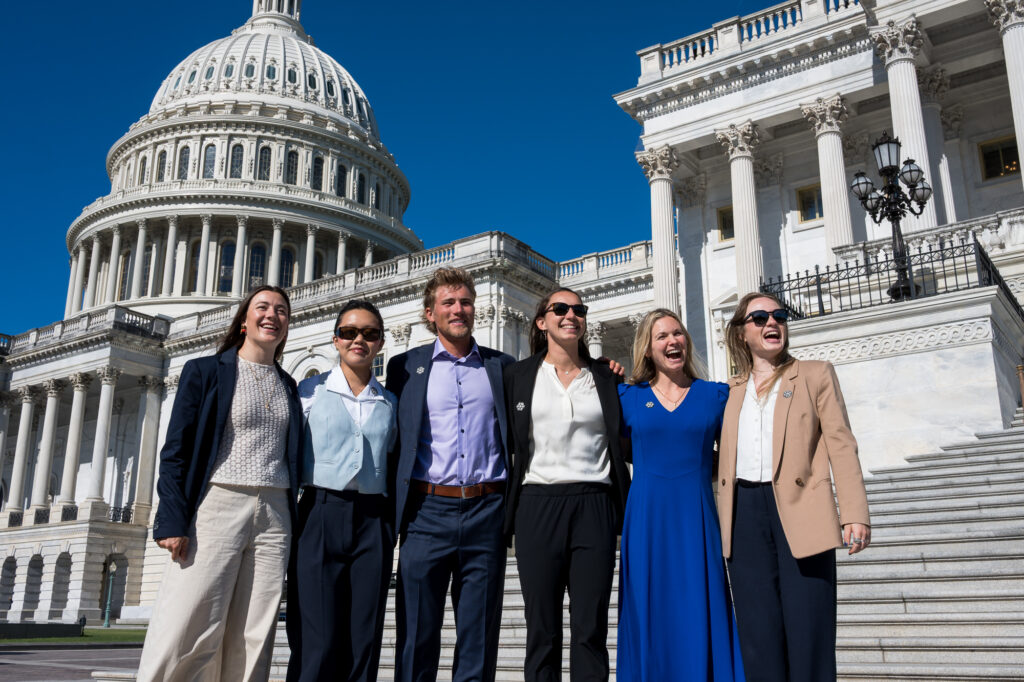
In response, the POW Action Fund has announced that its members will be traveling to Washington, D.C., to engage with lawmakers. The organization intends to present data on the correlation between environmental health and economic stability, urging Congress to restore the EPA’s mandate to enforce clean air and water standards.
Broader Implications for Regulatory Future
The current trajectory of the EPA raises fundamental questions about the role of federal agencies in a polarized political climate. When an agency’s mission is fundamentally redefined through administrative action rather than legislative change, the consistency of environmental law becomes volatile.
The systematic dismantling of the agency’s enforcement arms—including the reduction in inspections and the expansion of industry exemptions—means that even if regulations remain on the books, their practical impact is negligible. Without robust enforcement, environmental protections function as mere suggestions. The current strategy shifts the burden of environmental stewardship from the polluter to the community, creating a scenario where local municipalities and private citizens must navigate the health and economic consequences of industrial pollution without the backing of federal oversight.
As the EPA moves forward under its current mandate, the long-term impact on the nation’s air, water, and climate stability remains a subject of intense debate. The loss of institutional expertise and the sidelining of scientific advisory boards may prove difficult to reverse in future administrations, as the rebuilding of a federal agency requires not only political will but also the restoration of technical capacity and public trust. For the Outdoor State and the millions of Americans whose livelihoods are tied to a healthy environment, the coming months in Washington will be a critical test of whether federal policy can be reconciled with the realities of a changing climate and the necessity of public health protections.

