
Newton’s third law of physics dictates that every action carries an equal and opposite reaction, a principle that increasingly finds application in the biomechanics of high-intensity winter sports. For dedicated skiers, the euphoric highs of deep-powder descents frequently exact a physiological toll later in life. While ski culture traditionally romanticizes youthful abandon, steep descents, and endless winter road trips, a growing body of sports science and anecdotal evidence points to a harsh reality: unmitigated recreational skiing often culminates in chronic musculoskeletal degradation. Within the last year, a paradigm shift has begun to sweep through mountain communities, positioning structured weight training not as an auxiliary pursuit, but as a critical medical intervention for injury prevention and structural longevity.
The Anatomy of Mountain-Driven Ailments
For decades, the standard conditioning regimen for skiers relied heavily on cardiovascular endurance, general mobility work, yoga, and unstructured recreational activities. However, sports medicine professionals note that these methods routinely fail to address the core mechanical discrepancies inherent to alpine skiing. The sport demands continuous, high-velocity rotational movements from the upper body, while the lower spine absorbs the brunt of the kinetic shock without adequate stabilization from the gluteal muscles.
According to Franco Morris, Head of Program Delivery at a Sydney-based training facility, these vulnerabilities are largely evolutionary. Modern humans, a significant portion of whom spend their professional lives confined to sedentary desk environments, are fundamentally ill-equipped for the dynamic, lateral stresses of alpine sports. Genetic predispositions—such as long levers, narrow hips, and natural inflexibility—exacerbate these discrepancies. Over extended periods, the lack of targeted muscular reinforcement leads to severe imbalances, diminished tissue malleability, and ultimately, catastrophic muscle spasms or chronic joint failure. For many athletes, the breaking point arrives prematurely, frequently forcing active individuals into premature retirement from the sport they love.
A Decade of Physical Compromise
The trajectory from recreational enthusiast to chronic patient is often gradual, masked by the adrenaline of the sport. Statistical trends in mountain towns reveal a high prevalence of early-onset joint degeneration, lower lumbar strain, and upper-extremity trauma among individuals in their early thirties. Case studies from alpine communities consistently highlight a timeline where a decade of unconditioned skiing results in persistent lower back stiffness, radiating hip discomfort, and residual pain from historical fractures.
Standard ameliorative practices—including foam rolling, stretching routines, anti-inflammatory diets, and passive therapies—offer temporary relief at best. They manage localized inflammation without addressing the foundational structural deficit: muscular asymmetry and inadequate load-bearing capacity. When acute lower back spasms occur, rendering individuals immobile for extended periods, the underlying crisis becomes clear. The question transitions rapidly from performance enhancement to basic functional preservation.
The Integration of Resistance Training
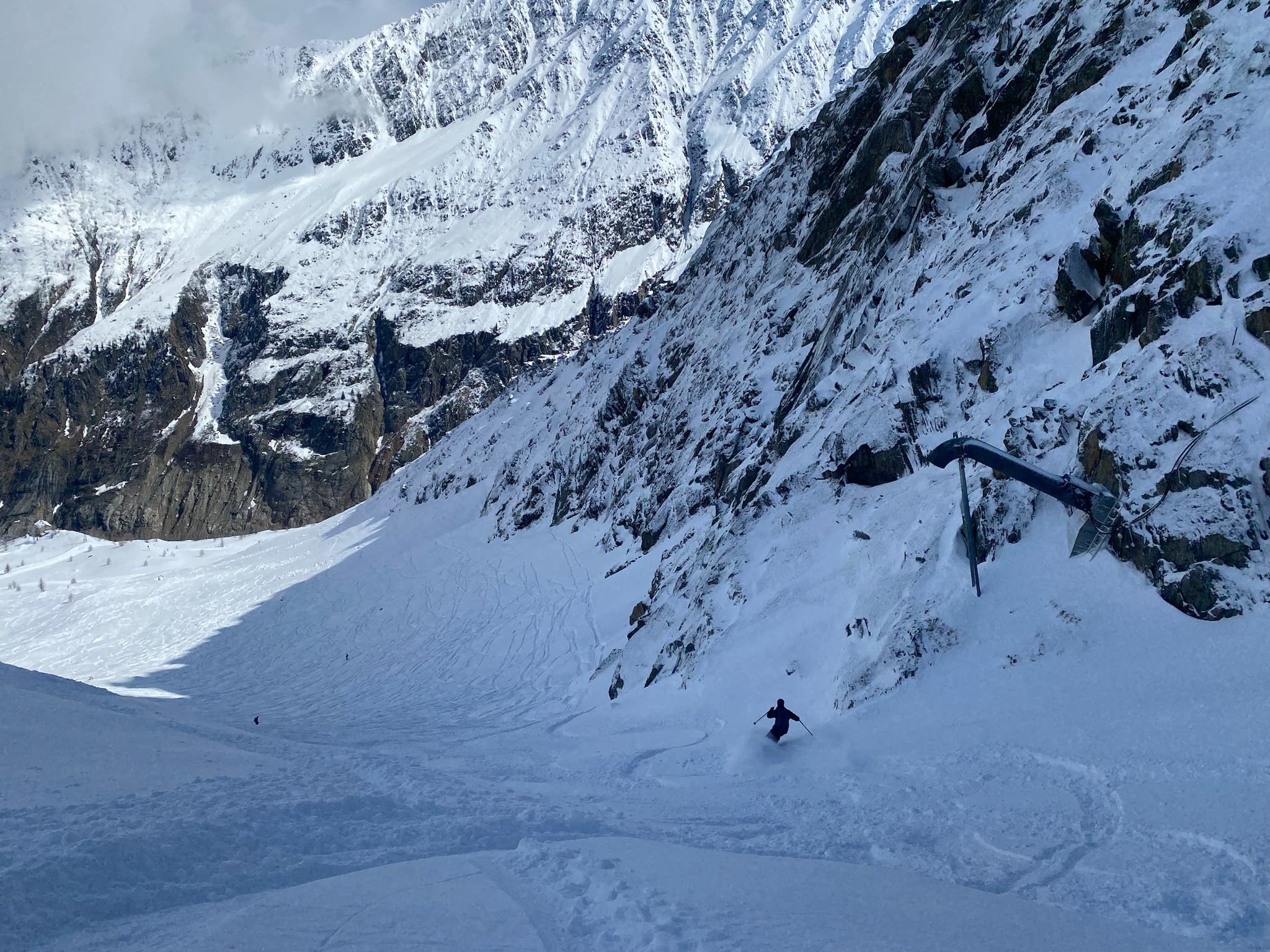
In response to rising injury rates, a growing segment of the skiing demographic has systematically integrated progressive overload and resistance training into their off-season and in-season schedules. Departing from traditional aesthetic-focused workouts, contemporary ski-conditioning protocols prioritize the posterior chain—the interconnected muscle groups running down the back of the body, including the hamstrings, glutes, erector spinae, and calves.
Clinical analysis supports this shift. Resistance training stimulates bone mineral density accretion and hypertrophies the connective tissues surrounding vulnerable joints, creating a biological armor against high-impact forces. Unlike bodybuilders who pursue maximal absolute strength or aesthetic mass, skiers utilize high-volume, moderate-load resistance protocols to enhance muscular endurance and structural resilience.
Core Methodologies and Training Protocols
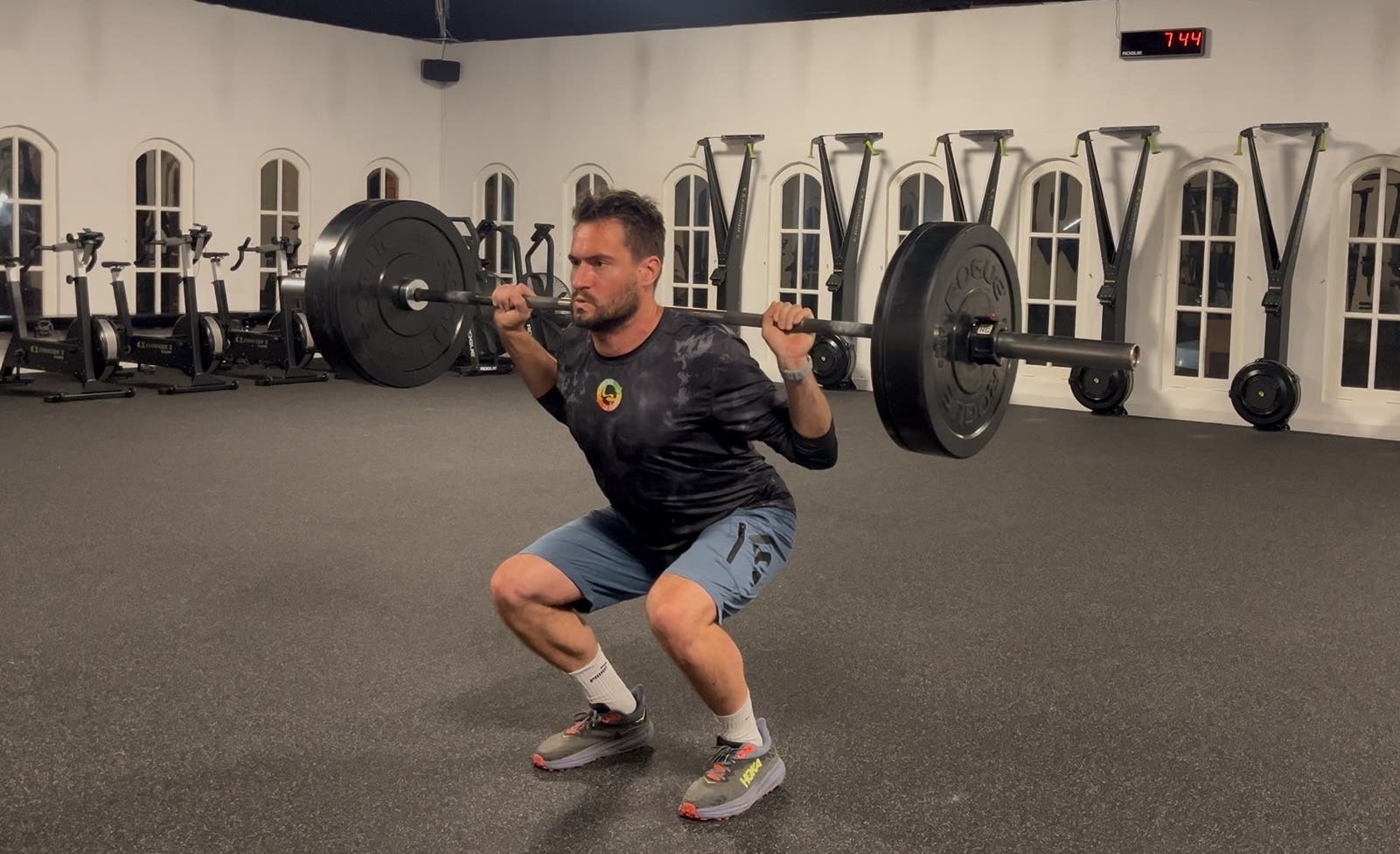
Modern injury-mitigation frameworks for winter sports athletes emphasize specific, compound movements designed to rectify postural imbalances. Industry experts recommend structured protocols overseen by certified professionals to ensure proper kinetic execution.
-
Professional Supervision and Group Kinetics
Engaging qualified personal trainers through small-group formats has democratized access to expert coaching, making professional oversight financially viable for average athletes. Qualified instructors design balanced regimens that distribute mechanical stress evenly across major muscle groups, minimizing the risk of compensatory injury. -
Posterior Chain Dominance
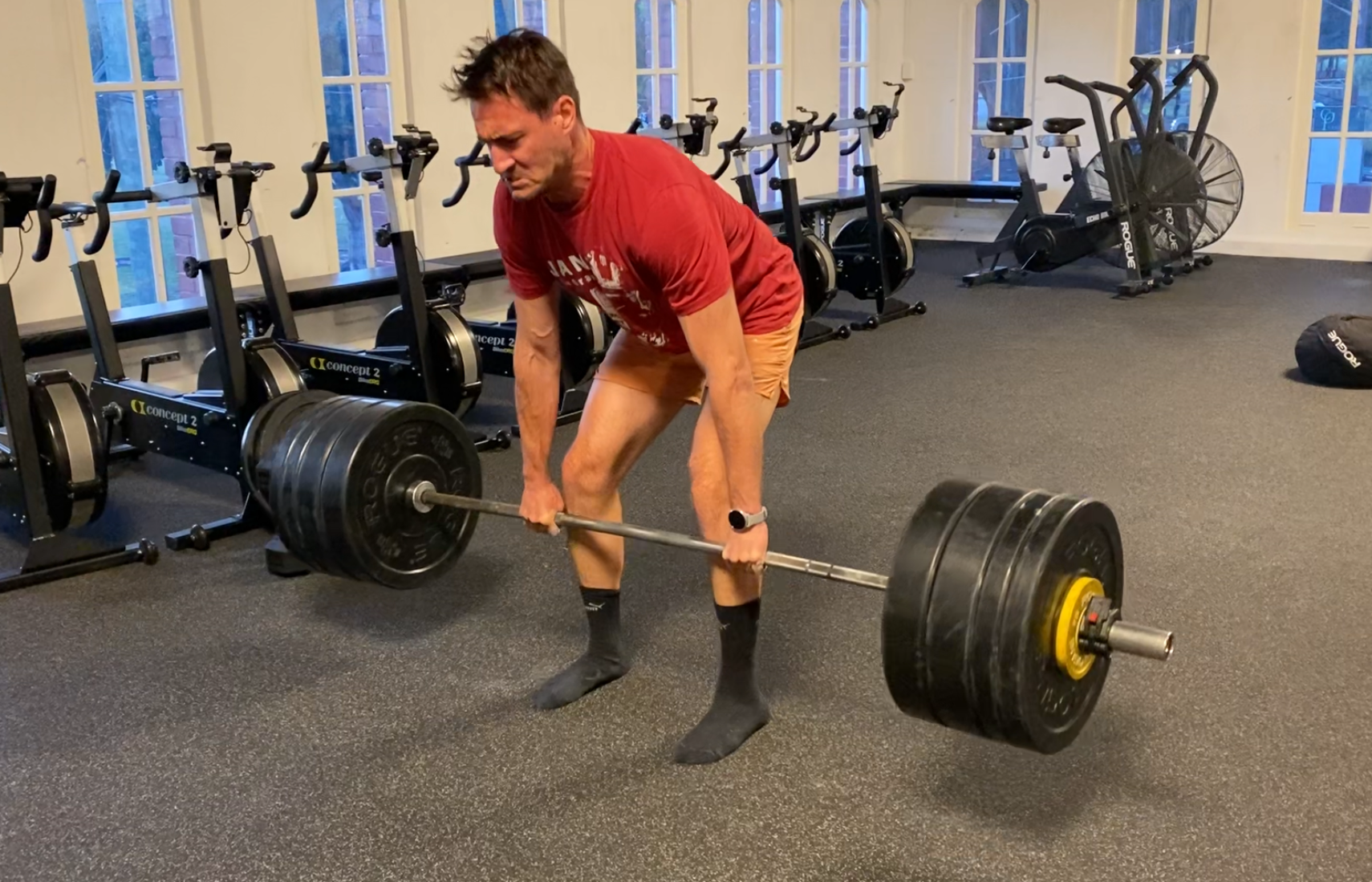
Movements such as conventional deadlifts, kettlebell swings, barbell hip thrusts, and weighted step-ups form the foundation of effective ski conditioning. These exercises target the gluteal complex and hamstrings, directly alleviating the mechanical burden traditionally placed on the lumbar spine during aggressive descents.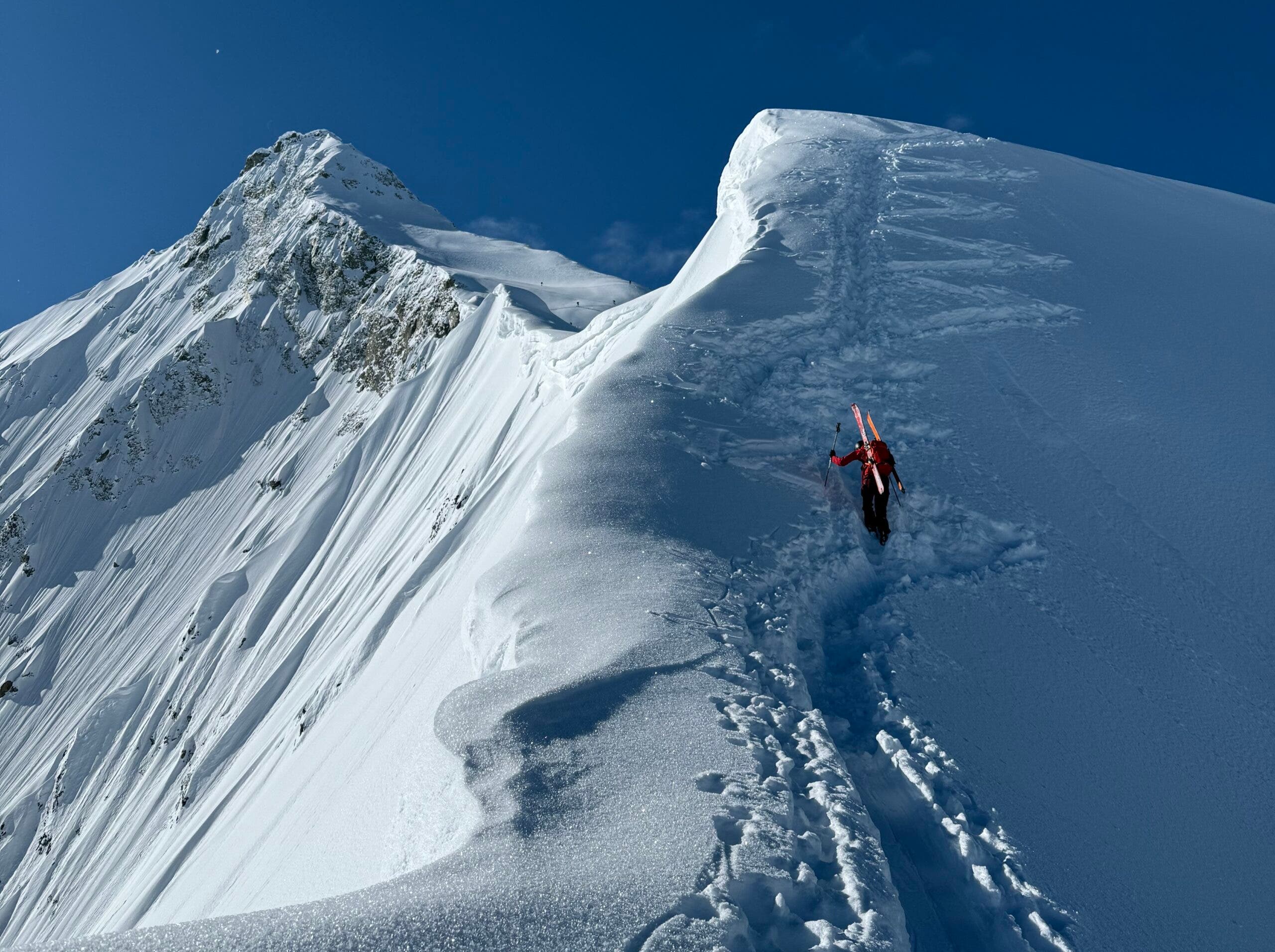
-
Load Management and Controlled Velocity
In contrast to high-velocity, ballistic movements common in alpine environments, resistance training requires slow, controlled eccentric and concentric phases. This intentional pacing recruits deep stabilizing fibers and enhances neuromuscular control under load. -
Avoiding Hypertrophy of Glamour Muscles
Sports medicine specialists caution against overemphasizing upper-body aesthetics, such as chest and bicep development. Excessive mass in the upper torso shifts the body’s center of gravity unfavorably, increasing rotational torque on the lower back during dynamic skiing maneuvers. -
Progressive Overload and Longevity
Physicians and trainers alike emphasize that resistance training is a cumulative, multi-year endeavor. Initiating a program requires patience, light resistance, and strict adherence to volume over maximal weight to allow connective tissues adequate time to adapt to novel physical demands.
Broader Implications for Mountain Sports
The widespread adoption of resistance training marks a maturing demographic within mountain sports. As populations in ski regions age, the demand for evidence-based longevity strategies continues to surge. Healthcare economists and sports medicine researchers observe that proactive physical conditioning significantly reduces the incidence of acute traumatic injuries, thereby alleviating strain on regional emergency medical services and orthopedic healthcare infrastructure in remote mountain corridors.
Furthermore, the integration of structured lifting into ski culture redefines the archetype of the winter athlete. No longer reliant on youthful physiological resilience alone, modern skiers are extending their competitive and recreational lifespans by decades. By treating physical conditioning as an essential component of sport preparation rather than an afterthought, participants are successfully countering the inevitability of age-related physical decline, ensuring that the pursuit of alpine adventure remains viable throughout their lives.

