
The evolution of modern action sports media over the past three decades offers a fascinating study in adaptation, resilience, and cultural persistence. Among the publications that chronicled the explosive growth of snowboarding from a fringe subculture into a multi-billion-dollar global industry, few possess a history as turbulent, influential, and defiantly unorthodox as Whitelines Magazine. Founded in 1995 in Oxfordshire, United Kingdom, by publishing executive Jim Peskett and designer Tudor “Chod” Thomas—both alumni of Snowboard World Magazine—Whitelines emerged as an irreverent counterweight to the increasingly corporate trajectory of competitive winter sports. As the publication marks its 30th anniversary, its trajectory reflects not only the survival of a specialized print title through profound technological shifts, but also the broader maturation of snowboarding itself.
Origins and the Analogue Era (1995–2010)
In the mid-1990s, snowboarding was shedding its outlaw status and rapidly accelerating toward mainstream viability, fueled by energy-drink sponsorships, the integration of extreme sports into the Winter Olympics, and progressive technical milestones like quad-cork rotations. Amid a saturated market of competing print publications, Whitelines carved out a distinct niche through a combination of low-budget operations, a self-deprecating editorial voice, and an unapologetically chaotic ethos.
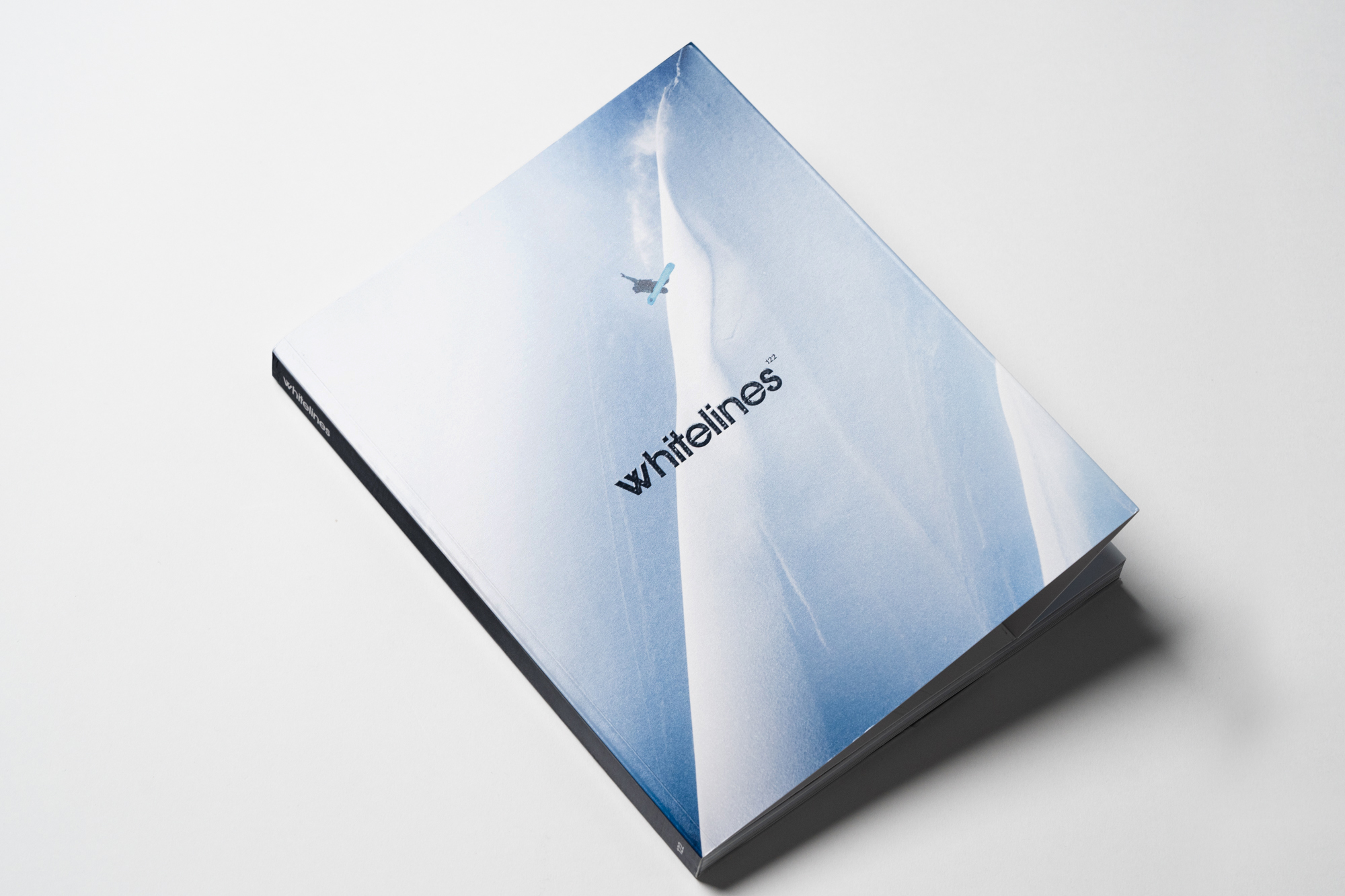
Operating out of a small office in Oxfordshire during the pre-email era, the early editorial staff relied on unconventional communication methods to meet print deadlines. Writers frequently dictated stories over pre-paid phone cards from public telephone booths across Europe, resulting in notable typographical errors—such as the French resort Tignes routinely appearing in print as "teens"—that later became part of the magazine’s folklore. Lacking substantial financial backing, the publication survived through sheer resourcefulness, relying on the resale of review gear on secondary marketplaces and the uncompensated passion of its early contributors.
The magazine’s content strategy prioritized authenticity and humor over rigid journalistic formality. Features often paired technical gear breakdowns with satirical sidebars, fictitious corporate entities, and deliberately absurd postal addresses for reader competitions. This irreverent style fostered a fiercely loyal demographic among European snowboarders, distinguishing Whitelines from its more austere American and domestic contemporaries.
The Digital Pivot and Print Suspension (2010–2018)
By the early 2010s, the publishing industry faced an existential crisis. The proliferation of high-speed internet, smartphones, and social media platforms fundamentally altered consumer habits, eroding print circulation numbers across the special-interest magazine sector. Traditional retail stockists of action sports periodicals experienced steep declines in foot traffic and sales, rendering traditional business models financially unsustainable.

In 2015, under the ownership of Factory Media, Whitelines announced the cessation of its print operations, with issue WL120 marking the final physical run after a two-decade presence on newsstands. Then-editor Ed Blomfield articulated the strategic necessity of the pivot, noting that the reallocation of editorial resources toward digital platforms would enable the team to expand its reach, improve web infrastructure, and deliver more responsive multimedia content, including comprehensive gear reviews, instructional guides, and international travel features.
Rather than signaling the demise of the brand, the transition to a digital-first model catalyzed global expansion. Freed from the logistical and financial constraints of physical distribution, the publication’s digital footprint grew exponentially. By leveraging dedicated online channels, including targeted gear guides such as the annual "Whitelines 100," the platform successfully transitioned from a predominantly UK-centric publication into an internationally recognized authority on snowboarding culture and equipment testing.
Resurgence, Digital Dominance, and Current Operations
Despite the permanence of the digital shift, the brand periodically revisited physical print formats to satisfy dedicated collectors and celebrate milestone cultural retrospectives. In 2019, following a four-year hiatus, Whitelines launched a limited print comeback titled The Whitelines Annual. Spanning over 600 pages across three distinct volumes, the short-lived print run featured long-form journalism, high-end photography, and archival deep dives into the sport’s history.

As of 2026, Whitelines operates strictly as a digital entity, supported by a distributed network of contributors across three continents. The platform’s contemporary metrics underscore the efficacy of its digital strategy, boasting an annual audience of approximately 2 million unique website visitors and a social media following exceeding 750,000 users. Editorial standards, however, remain anchored to the core tenets established in 1995: maintaining rigorous equipment testing protocols, conducting in-depth industry interviews, and providing ground-level event coverage.
Implications and Industry Outlook
The survival and maturation of Whitelines over a thirty-year span offer key insights into the modern media landscape. Publications that successfully navigate structural shifts from print to digital often rely on deeply ingrained brand equity and an authentic connection with their core demographic. While the economic realities of publishing have largely closed the door on traditional print-dependent models in the action sports sector, agile digital ecosystems have enabled niche media outlets to achieve wider global distribution and real-time engagement than was previously possible during the analogue era.
As snowboarding continues to evolve as an Olympic discipline and global economic engine, outlets like Whitelines serve as cultural repositories for the sport’s history, balancing commercial accountability with the independent, community-driven spirit that defined its origins.

