
The daily grind of alpine ski racing coaching is often defined by a paradox: while the goal is to refine elite athletic performance, the reality is frequently consumed by the logistical burden of infrastructure. Coaches typically juggle course setting, the installation and maintenance of heavy, fragile timing hardware, and the tedious, hours-long task of filming, tagging, and distributing video footage. This administrative load, often managed by a single coach overseeing multiple athletes, frequently detracts from the primary objective of providing meaningful technical feedback. Protern, an innovative performance platform, is attempting to mitigate this operational bottleneck by consolidating GPS-based timing, speed analytics, and video synchronization into a streamlined, automated ecosystem.
The core of the Protern solution lies in its ability to transform raw data into actionable insights without requiring a phalanx of support staff. By leveraging GPS sensors that provide timing accuracy within 0.02 to 0.03 seconds and speed measurements precise to 0.13 km/h, the platform offers a robust alternative to traditional physical timing systems. While not intended to replace the official timing protocols required for sanctioned race events, this level of precision is more than sufficient for the nuanced demands of high-intensity training sessions.
A History of Innovation: From Nordic Origins to Alpine Integration
The trajectory of Protern began in 2019, rooted in a discipline far removed from the slalom gates of alpine racing: cross-country skiing. Founder Alastair Smith, drawing upon his background in computer science, swimming, and mountain biking, initially sought to develop a "power meter" for Nordic athletes. The early phase of the company was characterized by deep collaboration with world-class federations, including Swiss-Ski and the Norwegian national program. These partnerships provided the testing ground for what would become the company’s signature methodology.
However, the team quickly realized that the technical sophistication of their data was secondary to its accessibility. Through their work with Swiss-Ski, the developers observed early experiments in GPS integration for alpine racing. They recognized a fundamental disconnect in the industry: coaches were drowning in data but starving for time. By stepping outside the traditional alpine coaching pipeline, Protern’s founders were able to challenge the "that’s how we’ve always done it" mentality. They shifted their focus from merely collecting data points to creating a comprehensive, end-to-end workflow. Today, the technology has been adopted by national teams from over 25 countries, while clubs and academies in more than 30 nations utilize the platform to manage athlete development.
The Mechanism: How Data Informs the Coach’s Eye
Protern’s utility is perhaps most evident in its ability to bridge the gap between objective speed metrics and subjective visual observation. Coaches have long relied on their experience to identify where an athlete loses momentum, but athletes often struggle to connect the "feel" of a turn with the reality of their speed.
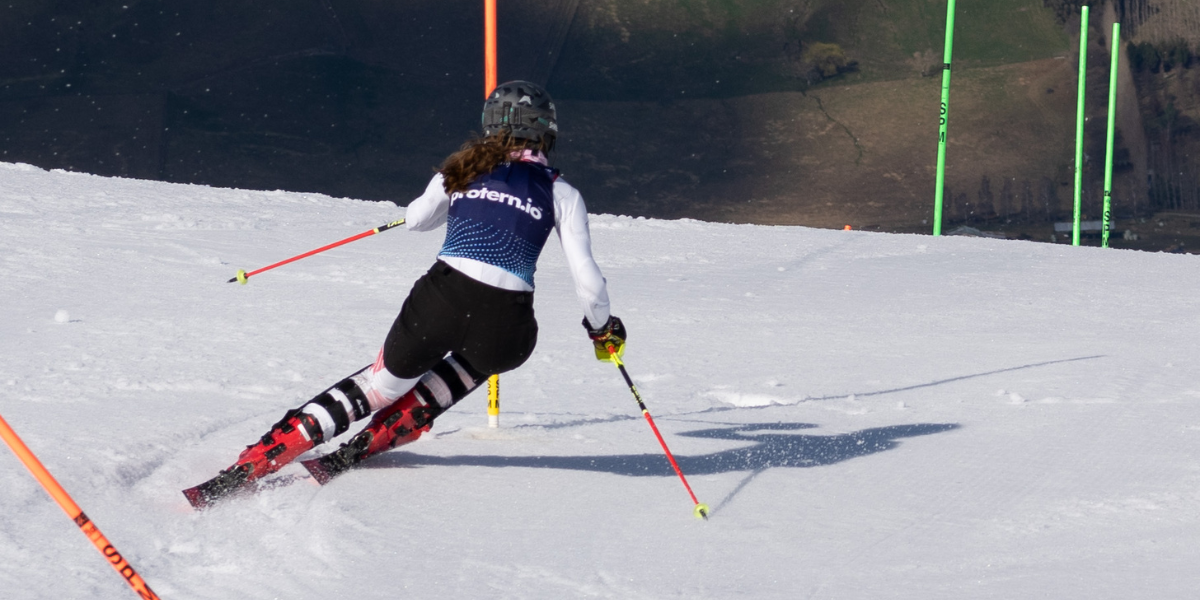
By layering speed data directly onto synchronized video, the platform provides a tangible, empirical record of a run. If an athlete experiences a deceleration in a specific gate, the coach can click directly on that dip in the speed graph to instantly view the corresponding footage. This immediate correlation transforms the coaching conversation. Instead of relying on a coach’s verbal description, an athlete can witness the exact moment a tactical error or loss of pressure caused a speed deficit. This objective evidence is a powerful pedagogical tool, especially for younger athletes who are still developing their technical "eye." It allows for a more focused, data-backed dialogue that prioritizes measurable improvement over abstract feedback.
Streamlining the Workflow: The End of Administrative Overload
Perhaps the most significant impact of the Protern system is its reduction of the administrative overhead that historically plagued training camps. In a conventional setting, the sheer volume of video generated—often hundreds of clips per session—requires significant time to process, label, and share. This often leads to a "bottleneck effect," where athletes are forced to wait hours, or even days, to review their performance.
Protern addresses this by automating the synchronization process. Because the sensor captures timing data throughout the run, the platform automatically matches specific video files to the corresponding athlete and session. Coaches can upload large batches of raw footage, and the system handles the organization, allowing them to focus on analysis rather than data management. This efficiency has direct implications for training volume. Reports indicate that some national programs, once hindered by the difficulty of processing video, have doubled or even tripled their filming output because the administrative cost of doing so has been virtually eliminated. When a coach can film six runs instead of two, the opportunity for rapid iteration and improvement increases exponentially.
Virtual Timing: Flexibility on the Hill
The implementation of "virtual timing" is another pillar of the Protern infrastructure. Using the Protern Live sensor, performance data is transmitted via cellular networks to a coach’s mobile device within seconds of an athlete crossing the finish line. Because the system utilizes virtual splits—defined by the coach via a mobile app—there is no need to haul physical timing wands or cables up the mountain.
This flexibility is a game-changer for smaller programs or coaches working with limited resources. A coach can set up multiple courses, define complex split points, and even adjust those parameters while riding the chairlift. If a training focus shifts from the top half of the course to the bottom, the coach can reconfigure the timing setup instantaneously. This adaptability ensures that the coach spends less time acting as a technician and more time acting as a mentor, observing the athletes and providing the interpersonal guidance that no algorithm can replicate.
Beyond the Course: Performance and Recovery
The utility of Protern extends well beyond the confines of a gated race course. The sensor captures a comprehensive picture of an athlete’s movement, including time spent free-skiing, transition time, and physical load. This data is proving invaluable for long-term athlete development and return-to-snow protocols.
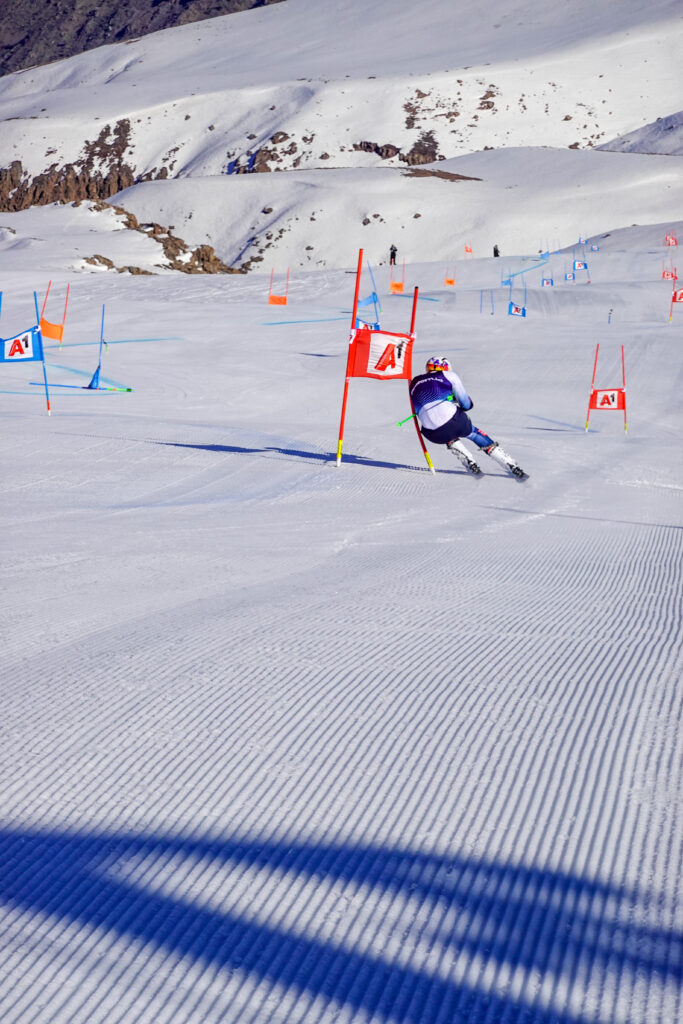
In one notable case, a Canadian athlete recovering from an injury utilized the technology to identify a subtle, recurring speed loss on their affected side during carved turns. While the deficiency was nearly imperceptible to the naked eye, the data patterns provided clear evidence of the asymmetry. This allowed the medical and coaching staff to adjust the athlete’s progression with greater confidence. While Protern does not serve as a medical diagnostic tool, it acts as a high-fidelity window into an athlete’s movement, allowing for more precise monitoring of return-to-sport trajectories.
Furthermore, the data provides a more accurate view of an athlete’s total workload. Because ski racing involves significant periods of inactivity during training, it is easy to underestimate the actual time spent at speed. By logging the entire session—not just the runs through the gates—coaches can better balance volume and intensity, reducing the risk of overtraining and injury.
The Role of the Coach in a Data-Driven Era
Despite the advanced capabilities of the platform, the fundamental relationship between coach and athlete remains unchanged. Protern is explicitly designed as an assistant, not a replacement. Data, in isolation, lacks the context of human emotion, fatigue, environmental changes, or the specific psychological state of the athlete.
"We just want to be a really enthusiastic assistant coach," said Smith. "It’s there to help and to point: ‘This is what I’ve seen.’ It’s up to you whether that is something of value."
The true value of this technology is the gift of time. By offloading the mechanical and repetitive tasks of timing and video management, Protern grants coaches the most precious commodity in high-performance sports: the capacity to provide more direct, personalized attention to their athletes. Whether at the U14 club level, where the focus is on foundational skill acquisition, or at the national level, where thousandths of a second dictate podium finishes, the ultimate goal remains the same. By reducing the friction of the training environment, Protern is enabling a future where the coach can focus on the art of skiing, rather than the logistics of the clock.

