
After two decades at the forefront of the backcountry snowboarding industry, Spark R&D continues to set the benchmark for equipment reliability, engineering precision, and user-focused design. Among its extensive catalog of specialized gear, the Spark Arc ST splitboard binding stands out as the brand’s undisputed flagship model. Designed to balance lightweight climbing efficiency with aggressive downhill responsiveness, the Arc ST has earned a reputation as the quintessential entry point for newcomers to splitboarding, while retaining the high-performance attributes demanded by seasoned alpine veterans. This enduring appeal is further underscored by the fact that industry giants such as Burton and Nitro have licensed Spark’s proprietary hardware systems for their own high-end splitboard offerings. As winter sports enthusiasts increasingly seek out-of-bounds adventures away from crowded resort runs, the demand for dependable, lightweight, and user-friendly equipment has never been higher, placing products like the Arc ST under considerable industry scrutiny.
A Historical Perspective on Splitboard Innovation and the Rise of Spark R&D
To understand the significance of the Spark Arc ST, it is necessary to examine the trajectory of splitboarding over the past twenty years. In the early days of backcountry snowboarding, enthusiasts relied on heavy, cumbersome DIY conversion kits or clunky adapter plates that translated standard resort bindings into touring setups. These early systems were notoriously prone to mechanical failure, excessive icing, and frustrating transition times that severely hampered both the ascent and descent phases of a tour.
Founded with a mission to eliminate these operational bottlenecks, Spark R&D revolutionized the market by introducing integrated, purpose-built splitboard bindings and interface systems. The introduction of the Tesla and subsequent Tesla T1 snap-ramp systems transformed backcountry travel. By removing the need for traditional pins and sliding tracks, Spark dramatically reduced transition times—a critical safety factor when navigating cold, high-alpine environments where minimizing exposure to wind and weather is paramount. Over the years, the company refined its manufacturing processes, transitioning toward minimalist metal architecture and sustainable engineering practices. Today, Spark R&D’s licensing agreements with major international snowboarding brands serve as a testament to the superiority of its mechanical interface, cementing the company’s status as an indispensable pillar of modern splitboard culture.
Anatomy of the Arc ST: Engineering for Minimal Weight and Maximum Response
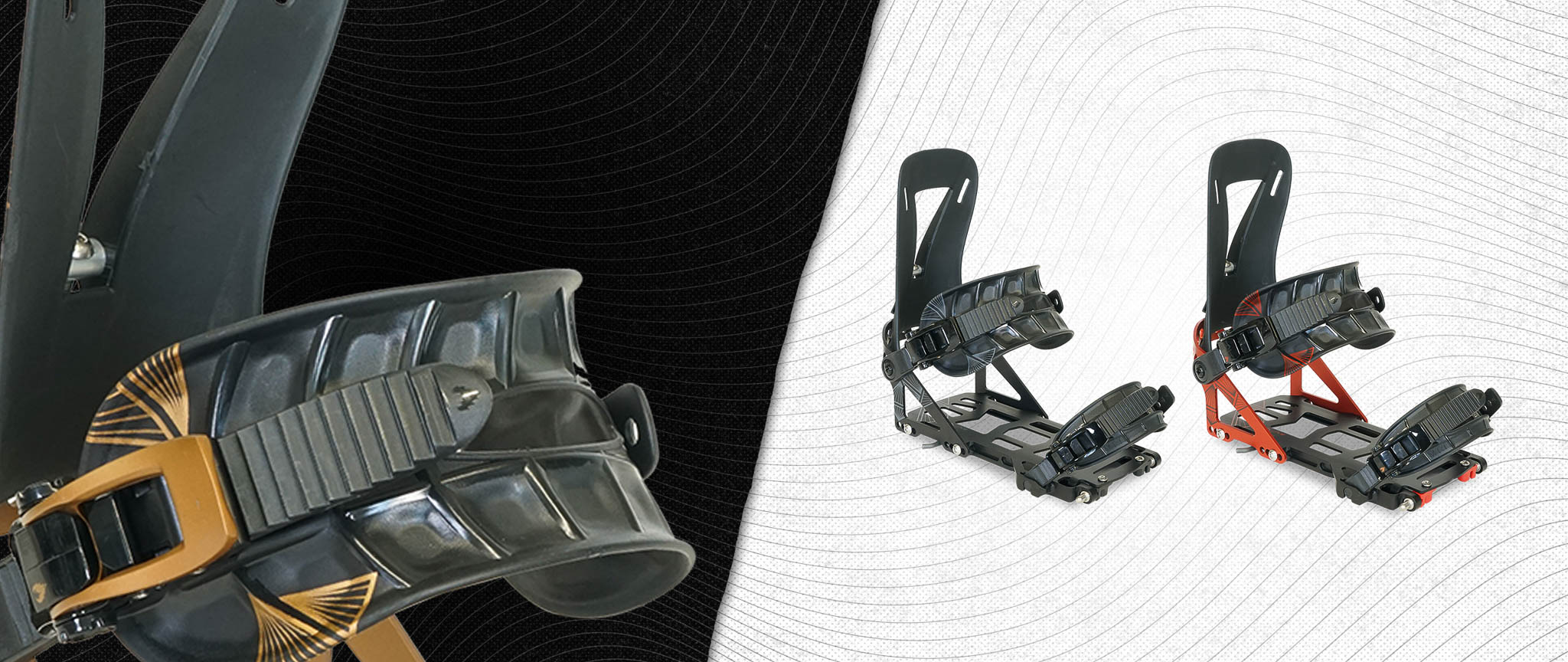
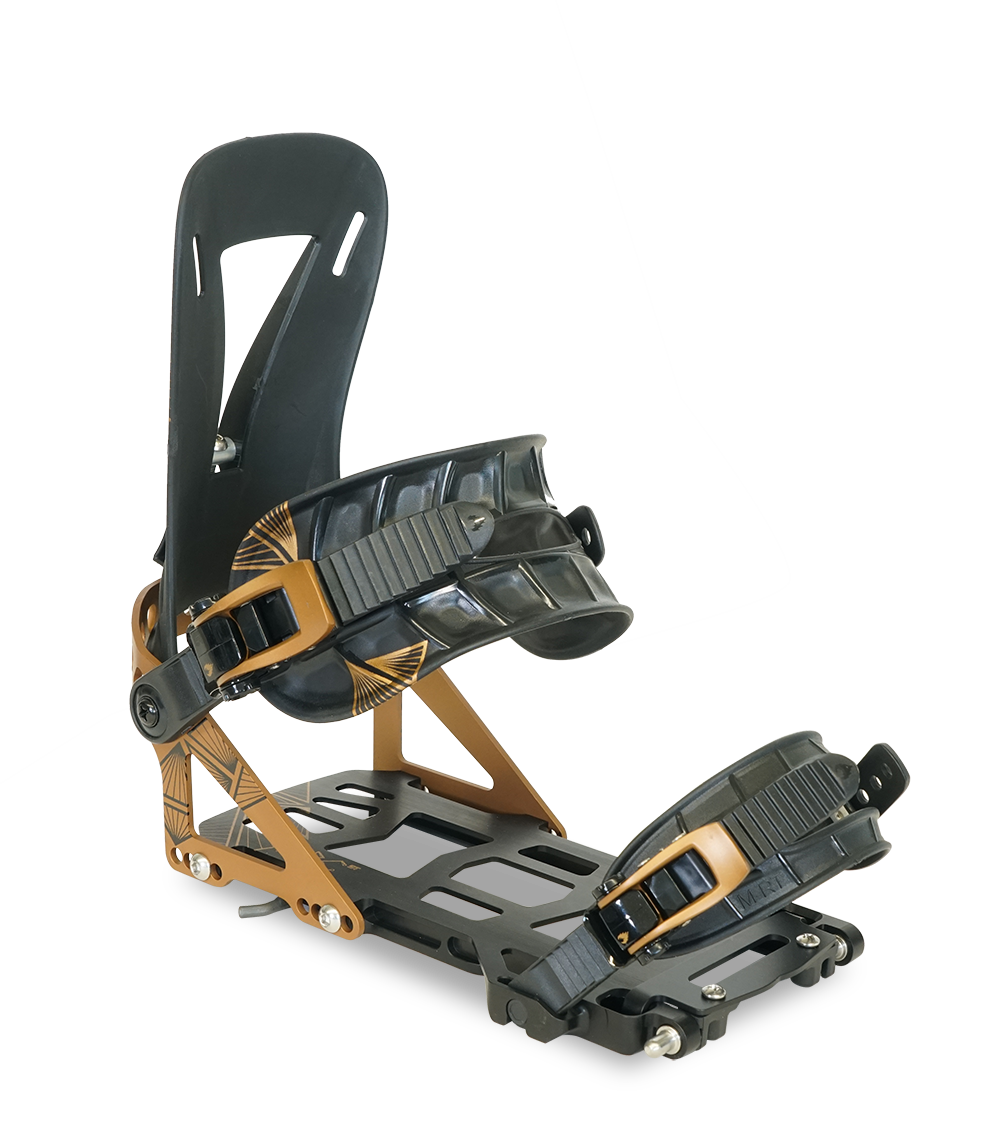
At first glance, the architectural philosophy of the Spark Arc ST is defined by radical minimalism. Unlike standard resort bindings that prioritize plush, multi-layered EVA foam cushioning underfoot, the Arc ST utilizes an all-metal baseplate architecture. While this departure from traditional comfort features might initially raise eyebrows, the metallic foundation serves a vital engineering purpose: maximum energy transmission and torsional rigidity.
Comparative analysis with its stablemate, the Surge—a stiffer model tailored for heavier riders and more aggressive, technical terrain—reveals that the Arc is even more aggressively skeletonized. Engineers at Spark R&D have machined away every superfluous gram of material from the footbed and heelcup without compromising structural integrity. The resulting lattice-style baseplate and the heavily perforated, "Swiss-cheese" heelcup drastically reduce swing weight. This weight reduction yields profound physiological benefits during long ascents, translating to significantly less fatigue over thousands of vertical feet of climbing. Furthermore, the anodized colorways—ranging from classic finishes to vibrant metallic hues—not only provide robust corrosion resistance against moisture and chemical snow-melts but also maintain their aesthetic appeal season after season.
Ergonomics on the Uphill: The Rip N Flip Highback and Touring Efficiency
Performance in the backcountry is fundamentally dictated by efficiency during the human-powered ascent. The Spark Arc ST addresses this challenge through its proprietary Rip N Flip highback design, which redefines how a rider interacts with their equipment while touring.
Traditional highbacks often create resistance against the calf muscle during the forward stride, shortening the natural touring gait and accelerating exhaustion. The Rip N Flip system resolves this by incorporating a rapid-adjustment lever mounted directly onto the rear of the highback. With a simple, gloved flick of the wrist, the highback disengages and allows for a generous backward lean, immediately lengthening the user’s stride and facilitating a smooth, natural walking motion. When the transition point is reached and it is time to drop into a descent, a counter-flick locks the highback securely back into its aggressive riding position.
Complementing this touring mechanism is a sleek, single-component highback construction that remains remarkably thin yet exceptionally strong. A generous central cutaway provides the necessary lateral flex required to execute fluid, surfy powder turns, ensuring that the transition from a mechanical touring tool to an expressive snowboard binding is seamless.
Strap Technology and Out-of-Bounds Reliability
When a rider is navigating complex terrain miles away from the nearest ski patrol or trailhead, equipment failure ceases to be a mere inconvenience and can quickly escalate into a survival situation. Recognizing this reality, Spark R&D has engineered the Arc ST straps to prioritize fail-safe durability over superficial aesthetic padding.
Despite their visually "bare-bones" appearance, the straps leverage a single-component design that eliminates unnecessary moving parts, glued seams, and multi-layered fabric junctions where structural degradation typically occurs. The ergonomic profile of the straps allows them to conform uniformly to a wide variety of snowboard boot brands and shell designs, distributing pressure evenly across the instep and ankle without creating painful pressure points. This minimalist approach ensures that the straps remain flexible even in sub-zero temperatures, resisting the freezing and cracking issues that frequently plague heavier, heavily padded traditional strap systems.
Comprehensive Field Testing and Tester Verdict
To evaluate real-world performance, long-term testing was conducted across diverse snowpacks, ranging from wet maritime powder to wind-scoured continental hardpack. Industry veteran and gear tester Tristan Kennedy offered a comprehensive assessment following extensive field trials:
"I’ve tried a lot of splitboard bindings over the years, and unless you’re going to dip your toe into the pricey world of Step Ons—or embrace hard boots—then Spark has the best system, hands down," Kennedy noted. "Their Tesla snap ramp system saves hours of time, making it super easy to switch from climbing to descend mode, and vice versa. I’ve never had a problem with it icing up, getting too full of snow, or feeling insecure."

Addressing historical vulnerabilities in the product lineage, Kennedy highlighted both ongoing challenges and recent manufacturer improvements. "The skinny climbing wires are still Spark’s greatest weakness—I always carry spares, just in case they bend or break. But thankfully, local dealers will often send spares for free, and Spark have made improvements to recent models, including adding a lever to the side to make getting them up and down easier. Lightweight, easy to use and not too pricey, as splitboard bindings go, these are still the gold standard."
Market Implications and the Future of Splitboard Hardware
The enduring dominance of the Spark Arc ST highlights a broader trend within the snow sports manufacturing sector: the transition toward modular, highly serviceable, and weight-optimized equipment. As the popularity of backcountry touring continues to expand beyond niche mountaineering circles into mainstream snowboarding demographics, equipment accessibility has become a central focus for brands.
While alternative technologies, such as step-in splitboard binding systems and hard-boot mountaineering setups, offer distinct advantages in specific contexts, they often come with prohibitive financial costs and steep learning curves. By maintaining a balance between approachable pricing, intuitive mechanical operation, and professional-grade durability, the Arc ST occupies a vital market segment. It provides beginners with the forgiving flex and user-friendly interface needed to build confidence in untamed terrain, while delivering the mechanical reliability and weight savings that advanced riders require for demanding backcountry objectives.
Ultimately, the Spark R&D Arc ST remains a masterclass in purposeful outdoor engineering. By stripping away non-essential weight and focusing relentlessly on core mechanical performance, Spark R&D has ensured that its flagship binding will continue to define the standard for backcountry exploration for years to come.

