
The winter sports equipment market has long been characterized by a distinct polarization: consumers are routinely forced to choose between exorbitant, high-performance gear backed by heavy marketing budgets or affordable alternatives that compromise on durability, optical clarity, and modular convenience. Into this polarized landscape steps the Dang FL 2.0 MAG, a snow goggle engineered to challenge the prevailing economic status quo of winter sports retail. Founded by professional snowboarder Chris Beresford with the initial mission of providing accessible, high-quality sunglasses, the Dang brand has steadily expanded its footprint into technical snow eyewear. The introduction of the FL 2.0 MAG represents a calculated effort to democratize premium features—specifically magnetic lens-interchange systems and dual-lens packages—bringing them down to a price point that leaves riders with sufficient capital to absorb the rising costs of seasonal lift passes and mountain resort accommodations.
Chronology and Market Evolution of Magnetic Interchange Goggles
The evolution of snow goggle technology over the past two decades has seen a rapid transition from fixed-lens setups to quick-change systems, and eventually to magnetic configurations. In the early 2010s, premium brands introduced proprietary mechanical clips and hinge mechanisms to allow riders to swap lenses as alpine weather shifted from bright bluebird conditions to flat light or heavy snowfall. While effective, these early iteration systems were often complex, prone to mechanical failure in sub-zero temperatures, and exclusively tied to high-end price tiers ranging from $200 to over $300.
By the mid-2010s, rare-earth magnet technology began to infiltrate the snow sports sector, pioneered by industry giants like Anon (with Magna-Tech) and Oakley. These magnetic systems drastically reduced the time and dexterity required to change lenses, allowing users to snap new optics into place with minimal effort. However, the cost barrier remained stubbornly high. Consumers seeking magnetic lens-interchange capability were routinely required to invest heavily, often spending upwards of $250 for a single pair of goggles equipped with a bonus low-light lens.
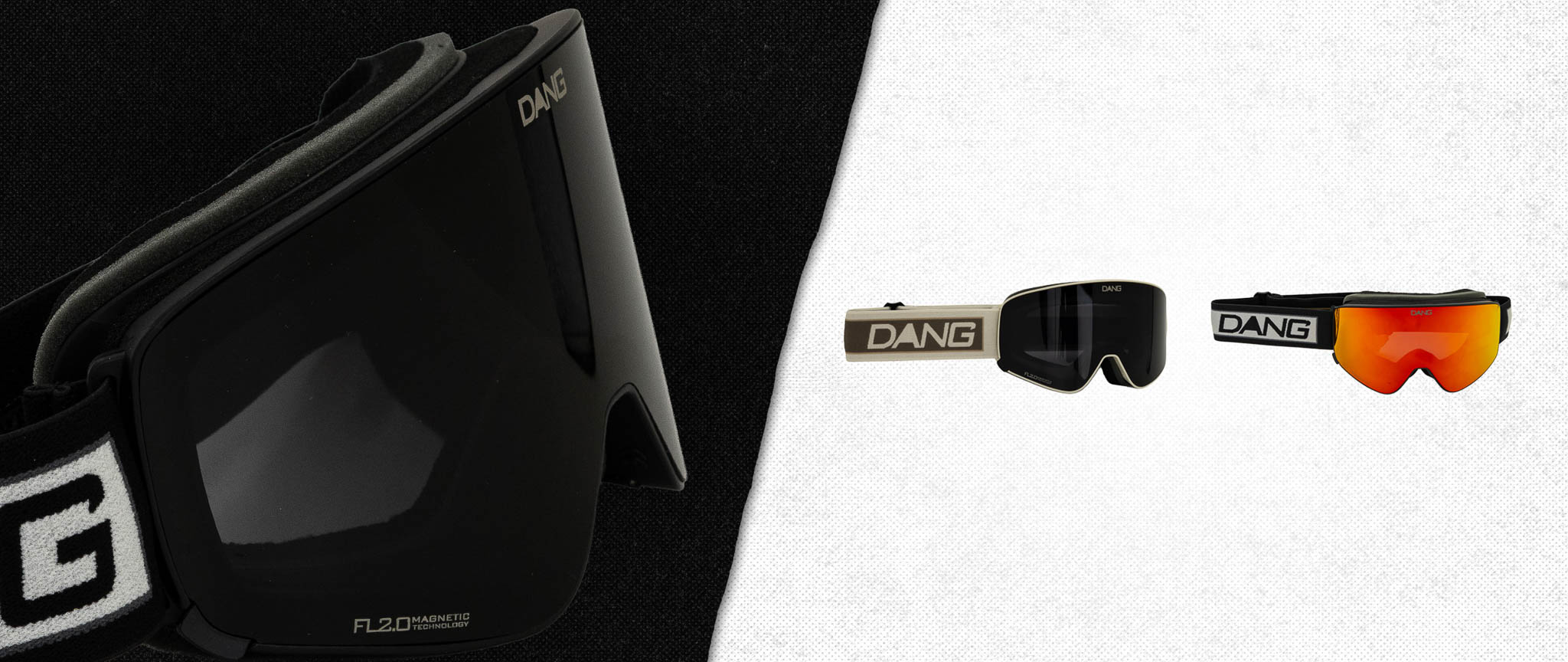
Dang’s entry into this specific technological bracket alters the competitive calculus. By streamlining manufacturing processes and focusing on essential performance metrics, the company developed the FL 2.0 MAG to deliver magnetic lens-swapping capabilities at a fraction of legacy brand pricing. This launch reflects a broader industry trend toward value-oriented technical gear, as manufacturers respond to consumer pushback against escalating inflation in winter sports apparel and equipment costs.
Optical Engineering and Lens Architecture
At the core of the Dang FL 2.0 MAG is its cylindrical lens construction. Unlike spherical lenses, which curve across both horizontal and vertical planes to mimic the shape of the human eye, cylindrical lenses bend equally along the X and Y axes. While spherical lenses are often marketed for offering a wider perceived field of view and reduced optical distortion at extreme peripheral angles, cylindrical lenses have experienced a notable resurgence driven by aesthetic preferences and functional advantages.
The low-profile curvature of the cylindrical lens on the FL 2.0 MAG provides a distinct, classic aesthetic that resonates with contemporary snowboard and ski culture. Furthermore, industry experts and riders frequently note that cylindrical profiles fit more seamlessly against the brim of modern helmets, effectively eliminating the cumbersome, protruding look often referred to as the "bubblehead" effect. From a manufacturing perspective, cylindrical lenses are also more cost-effective to produce, savings that Dang has systematically passed along to the end consumer.
To combat the environmental challenges inherent to alpine environments—such as breath condensation, body heat differential, and sudden temperature shifts inside gondolas or lodges—the lenses are treated with industry-standard anti-fog and anti-scratch coatings. These treatments ensure that optical clarity remains uncompromised during high-output activity or transitional phases between indoor and outdoor spaces.
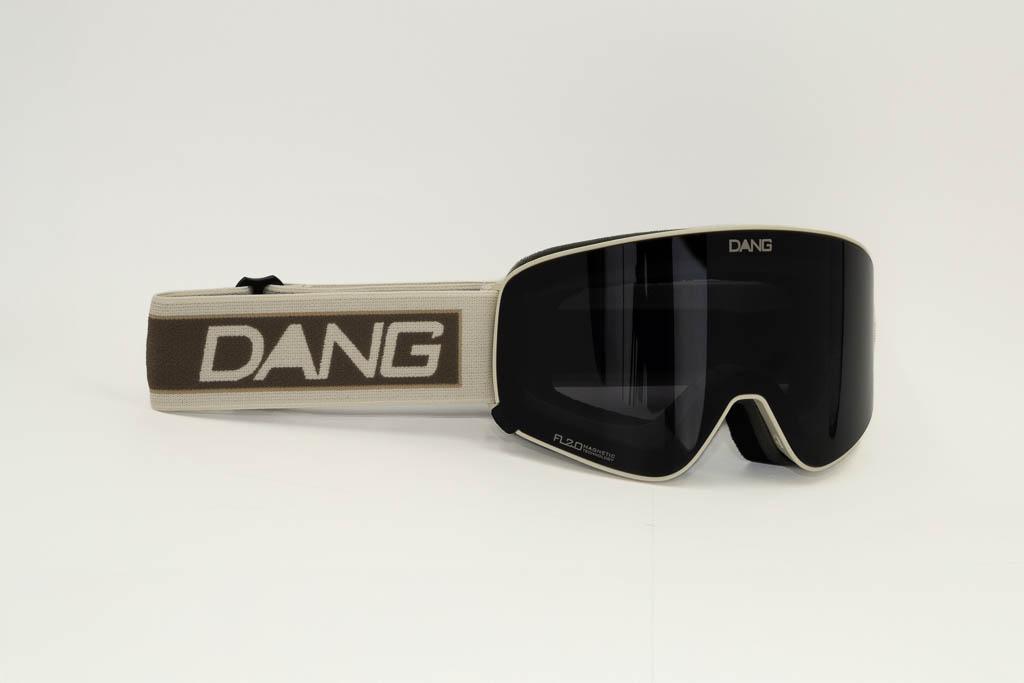
Furthermore, the inclusion of a secondary bonus lens addresses the notoriously capricious nature of mountain weather. Alpine microclimates can transform a clear morning into a whiteout squall with little warning. The provision of a second lens optimized for low-light or storm conditions essentially offers users a secondary configuration without additional expenditure, reinforcing the product’s value proposition.
Frame Design, Ergonomics, and the MAG-TECH System
The operational efficiency of the FL 2.0 MAG relies heavily on its proprietary MAG-TECH lens-swapping architecture. Utilizing strategically placed rare-earth magnets embedded within the frame and lens carrier, the system secures the optic firmly during high-speed descents and impacts while allowing the user to detach and replace the lens manually within seconds. This operational simplicity ensures that adjustments can be made while wearing gloves or mittens on a chairlift, minimizing exposure to freezing winds.
Beyond lens retention, the physical architecture of the goggle emphasizes facial ergonomics and integration. The chassis utilizes a semi-frameless design, which serves a dual purpose. First, it maximizes the exposed surface area of the lens, thereby enhancing the overall field of view (FOV). Second, it imparts a degree of structural malleability to the frame, allowing it to flex and conform organically to varying facial geometries.
To guarantee comfort during extended wear, Dang has integrated a multi-layer face foam lined with a plush, moisture-wicking next-to-skin layer. This dense cushioning serves a critical functional role beyond mere comfort: it acts as a thermal seal, preventing wind, blowing snow, and cold air from penetrating the goggle-to-face interface.
Field Testing and Independent Performance Evaluation
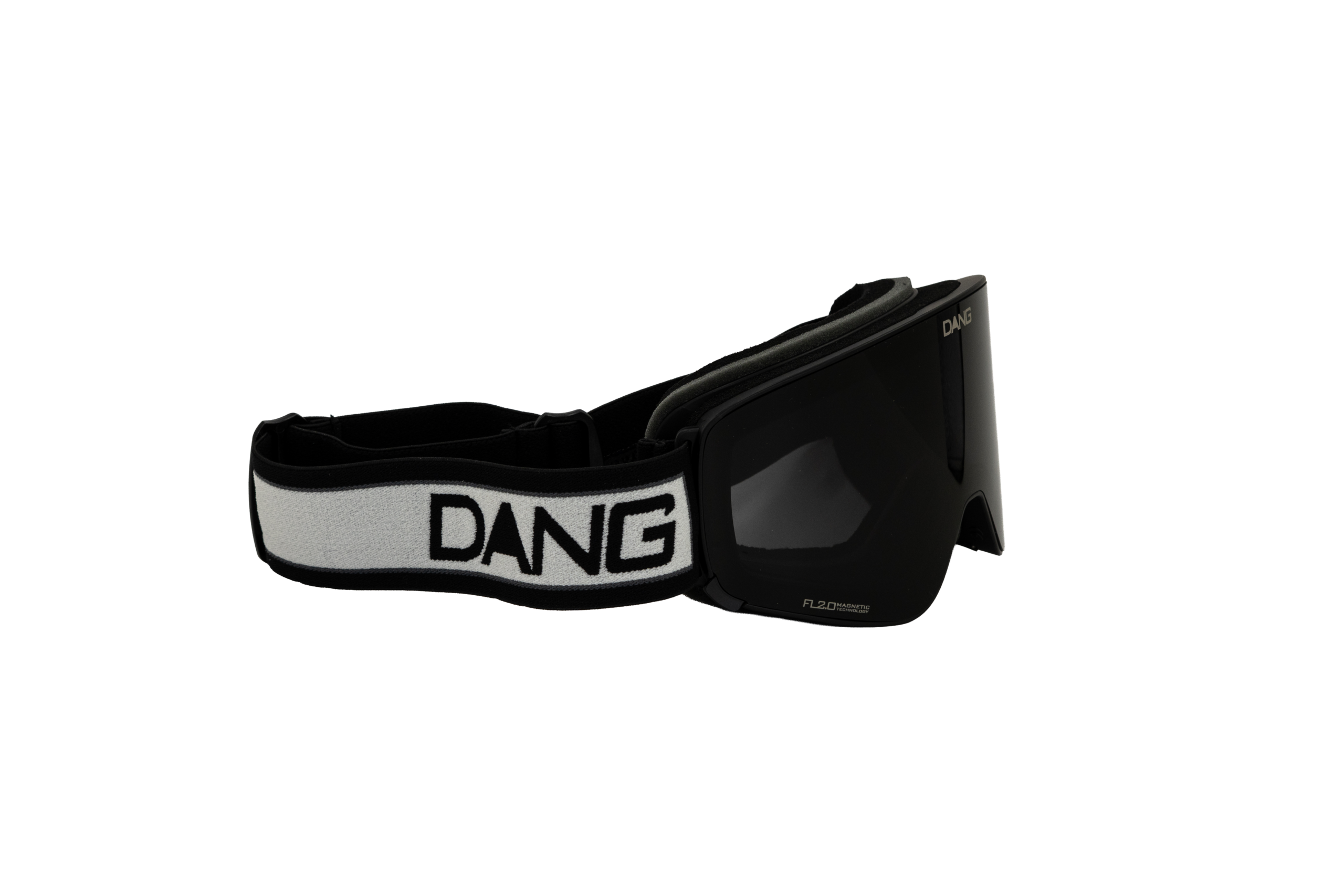
To assess the real-world performance of the Dang FL 2.0 MAG, field evaluations were conducted under diverse mountain conditions, incorporating feedback from experienced testers such as snowboarder Kaelen White.
Initial feedback regarding ergonomics and fitment was largely positive. Testers noted that the plush foam matrix created a secure, airtight seal against the face, successfully eliminating drafts during high-speed descents. The integration between the goggle frame and standard industry helmets—particularly models from brands like Smith—was observed to be clean and flush, avoiding awkward pressure points or gaps on the forehead.
However, independent testing also highlighted areas for structural consideration. Testers noted that the thickness of the frame and foam assembly along the lateral margins slightly restricts peripheral vision compared to ultra-minimalist or frameless competitors. While sufficient for general navigation, this marginal restriction in side-to-side vision requires slight adaptation, particularly for freestyle riders executing rotational maneuvers who rely on spotting landings in their peripheral sightlines.
Additionally, while the initial tactile experience of the multi-layer face foam is characterized as exceptionally plush and comfortable, long-term durability remains an open variable. Extended exposure to sweat, moisture, freeze-thaw cycles, and facial oils naturally degrades foam elasticity and adhesive integrity over multiple seasons of heavy use. Comprehensive multi-season longitudinal studies would be required to definitively quantify the longevity of the foam matrix compared to premium legacy competitors.

Broader Economic Implications for the Winter Sports Market
The introduction of the FL 2.0 MAG highlights a structural shift in how consumers evaluate value within technical outerwear and accessories. For decades, the snow sports market has operated on a high-margin model where advanced features—such as magnetic lens changes, dual-lens packages, and specialized coatings—are restricted to top-tier price brackets.
By proving that high-performance magnetic interfaces and robust anti-fog optics can be delivered at a significantly reduced retail cost, Dang forces legacy manufacturers to re-evaluate their pricing architectures. As inflation continues to impact disposable income and the cost of mountain tourism reaches historic highs, equipment manufacturers face mounting pressure to cater to cost-conscious consumers without sacrificing functional reliability.
The success or failure of products like the FL 2.0 MAG will likely influence broader manufacturing trends across the snow sports industry over the coming decade. If consumer adoption remains strong, legacy brands may be compelled to introduce more competitively priced mid-tier offerings, accelerating the commoditization of advanced lens-swap technologies. For the average skier and snowboarder, this shift translates to increased market choice, lower financial barriers to entry, and a greater allocation of financial resources toward the actual pursuit of the sport on the mountain.

