
The snowboarding industry has long grappled with a fundamental design paradox: how to engineer a single deck that can simultaneously satisfy the aggressive demands of deep powder exploration, the precision required for icy morning groomers, and the playful forgiveness needed for park laps and casual cruising. For decades, manufacturers have experimented with varied camber profiles, composite materials, and geometrical tweaks to capture this elusive all-mountain holy grail. Into this fiercely competitive market steps the Rome Viper, a newly introduced addition to the brand’s extensive catalog that aims to bridge the gap between elite performance and everyday accessibility. Positioned just beneath the flagship Pro model, the standard Rome Viper inherits much of its high-end genetic makeup while introducing a more forgiving flex pattern and a significantly more approachable price point.
The development of the Viper series arrives at a crucial juncture in the winter sports equipment sector. As travel costs rise and airline baggage fees for oversized sporting goods become increasingly punitive, the modern snowboarder is continually searching for a "one-quiver killer"—a single deck capable of performing across diverse terrain conditions without necessitating a second board at the check-in desk. Industry analysts note that consumer preferences have steadily shifted away from highly specialized, single-discipline boards toward versatile, adaptable equipment that can handle variable snow conditions, from hard-pack man-made snow to untracked backcountry powder. Rome Snowboards designed the Viper precisely to address this consumer demand, ensuring that riders do not have to compromise on technical capability when seeking a more user-friendly, daily-driver snowboard.
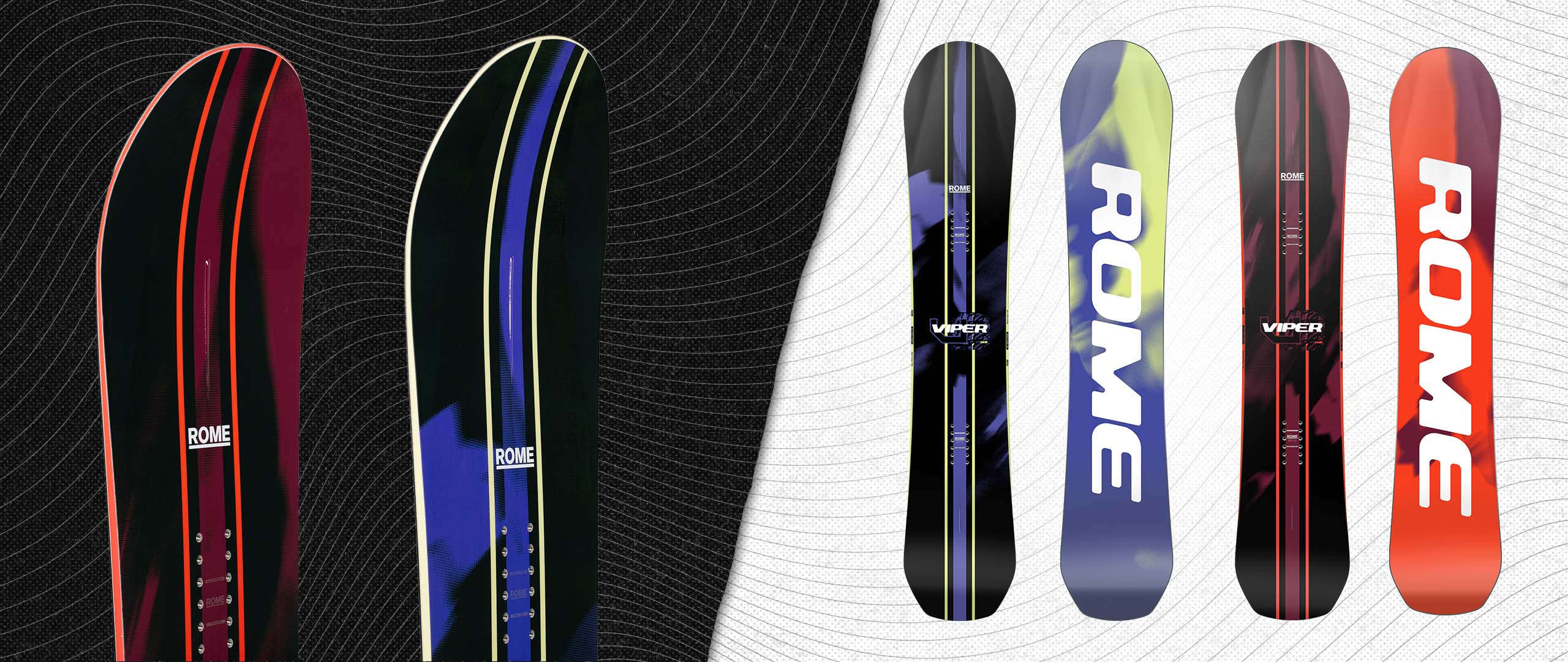
A comprehensive examination of the Viper’s design reveals a meticulous approach to shape, profile, and sidecut technology. Underpinning the board’s performance is Rome’s proprietary Directional Twin shape. This design features a nose that is marginally longer than the tail, optimizing float in deep snow, while retaining a symmetrical camber profile that allows the rider to transition effortlessly between riding forward and switch. This geometrical balance explains why standard maneuvers such as butters, flatland trickery, and lazy 180-degree spins feel remarkably natural on the snow.
This symmetry rests atop Rome’s Fusion Camber profile, an engineered architecture that combines a positive camber arc running underneath the rider’s feet with small, subtle pockets of rocker tucked into the contact points at the tips. According to technical specifications provided during product testing cycles, this hybrid profile was deliberately chosen to provide the best of both worlds: it delivers enough playfulness and looseness for effortless jibbing and pressability, yet maintains the structural precision and edge-hold required to trust the board implicitly on steep, icy traverses.
Up front, the Viper features a Directional Diamond 3D nose, which significantly enhances performance in deep powder and ungroomed terrain. The wide, flat running section of the nose curves gradually across three distinct dimensions, allowing the board to rise and float effortlessly over deep accumulation much like a surfboard, while ensuring a smooth, catch-free transition from edge to edge during turn initiation. At the opposite end, the tail incorporates Rome’s Double Kick technology—a two-part rise that stiffens the rear section of the board. This structural reinforcement ensures that stomped landings remain secure and stable, preventing high-speed presses from feeling vague or uncontrollable underfoot.
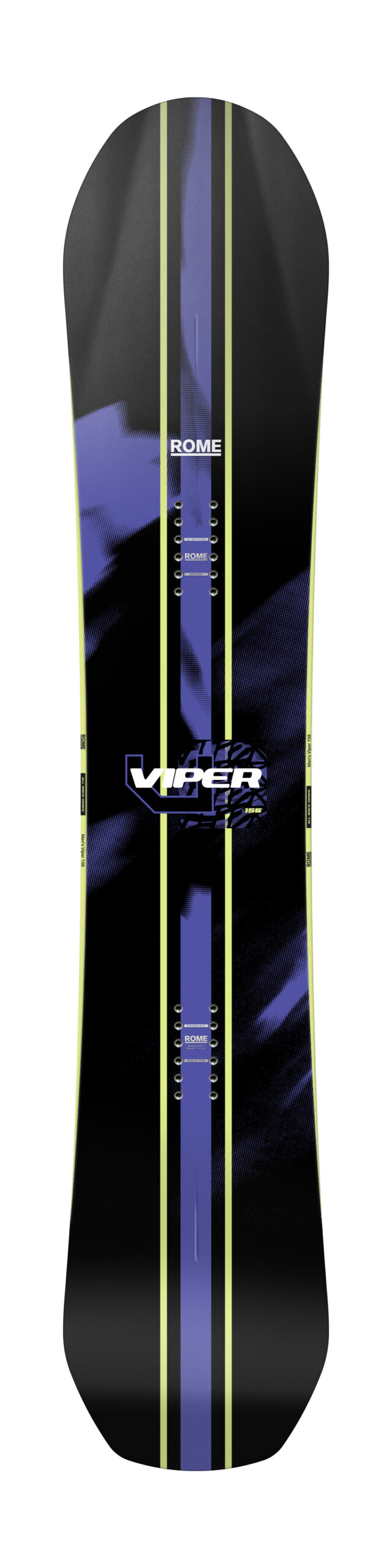
Complementing these features is the Tri-Radial sidecut, a sophisticated geometry that seamlessly blends three separate radii into a single, continuous curve. This sidecut design is Rome’s signature solution for maintaining a progressive and predictable turn shape, ensuring that whether a rider is carving deep, trenches on corduroy or executing slashing turns in tight trees, the board responds with absolute consistency.
The construction methodology behind the Rome Viper further distinguishes it from its competitors in the all-mountain category. While the premier Viper Pro model incorporates full Carbon HotRods for maximum stiffness and aggressive energy transmission, the standard Viper employs an innovative alternative known as Bamboo Omega HotRods. These components consist of resilient bamboo rods encased within carbon sleeves, shaped distinctively like the Greek letter Omega. Product development teams note that this material combination represents an ideal equilibrium between mechanical power and torsional playfulness. While pure bamboo construction tends to yield a softer, highly pressable, and forgiving ride, the addition of the carbon sleeve provides the necessary structural snap and rebound required for powerful ollies and dynamic edge-to-edge responsiveness.
On the underside, both the standard Viper and the Pro edition share the same SinterStrong base. This material represents Rome’s versatile, low-maintenance take on a sintered base, engineered specifically to retain wax efficiently and maintain a fast glide across the snow even if the board has gone extended periods without professional tuning or hot-waxing. For the average consumer who may not possess the time or equipment for rigorous weekly maintenance, the SinterStrong base offers a reliable, high-performance running surface that minimizes friction and maximizes longevity.
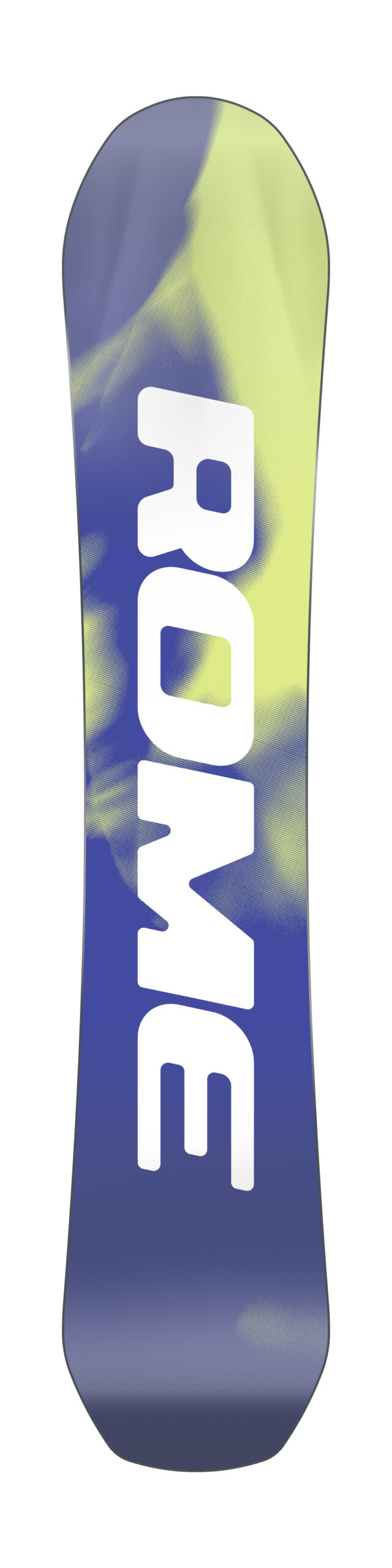
Accessibility is further amplified by the sheer breadth of sizing options available within the Viper lineup. Recognizing that high-performance all-mountain equipment should not be restricted by physical stature or gendered sizing conventions, Rome has rolled out both men’s and women’s specific versions of the Viper. The size run is exceptionally comprehensive, spanning from a narrow 142-centimeter deck suitable for smaller riders, all the way up to a robust 162-centimeter wide model designed to accommodate larger foot sizes and taller riders. This inclusivity ensures that virtually any rider, regardless of their physical dimensions or preferred stance width, can access the technological benefits of the Viper design.
Field testing conducted across various alpine environments has yielded overwhelmingly positive feedback from professional riders and industry gear testers alike. Pat Nichols, a noted snowboard tester who evaluated the Viper during pre-season trials, praised its versatile performance profile, describing it as a "beautiful all-mountain ripper." Nichols emphasized the board’s competence across varied terrain, noting that it performs exceptionally well on groomed runs, maintains a lovely float in powder, and delivers substantial stability in the tail for secure landings while retaining sufficient torsional flex to allow for playful buttering and freestyle maneuvers.
Industry analysts tracking the reception of the Viper note that its introduction addresses a critical gap in the market for intermediate to advanced snowboarders who find ultra-stiff, aggressive freeride boards too punishing for casual end-of-day cruising, yet find traditional beginner-friendly rocker boards lacking in high-speed stability and edge retention. By striking a deliberate balance between a mellow, approachable flex and a high-performance technological suite, Rome has crafted a product with broad commercial appeal.

The broader market implications of the Rome Viper point toward a shifting paradigm in snowboard manufacturing, where versatility and value are prioritized alongside elite-tier performance. As economic pressures influence consumer spending habits, brands that can deliver high-end architectural features—such as 3D nose geometry, advanced camber profiles, and durable sintered bases—at a more accessible price point are uniquely positioned to capture market share. The Rome Viper successfully navigates this commercial landscape, offering a compelling proposition for riders seeking a singular, dependable snowboard capable of conquering any mountain on the map without demanding compromises in comfort, performance, or financial investment.

