
The 30th Annual United Nations Climate Change Conference (COP30), held from November 11 to November 28 in Belém, Brazil, concluded with a complex mixture of localized diplomatic progress and significant global stalemates. Situated at the "gateway to the Amazon," the summit was designed to center the voices of the Global South and Indigenous communities. However, the event was marked by the absence of an official federal delegation from the United States and a final negotiated text that conspicuously omitted direct references to the phase-out of fossil fuels. Approximately 60,000 delegates, representing nearly 200 nations, converged in the Blue Zone—the UN-managed epicenter of formal negotiations—to address the escalating climate crisis, yet the proceedings revealed deep-seated divisions between climate-vulnerable nations and major petrochemical economies.
A Strategic Setting: The Amazonian Context
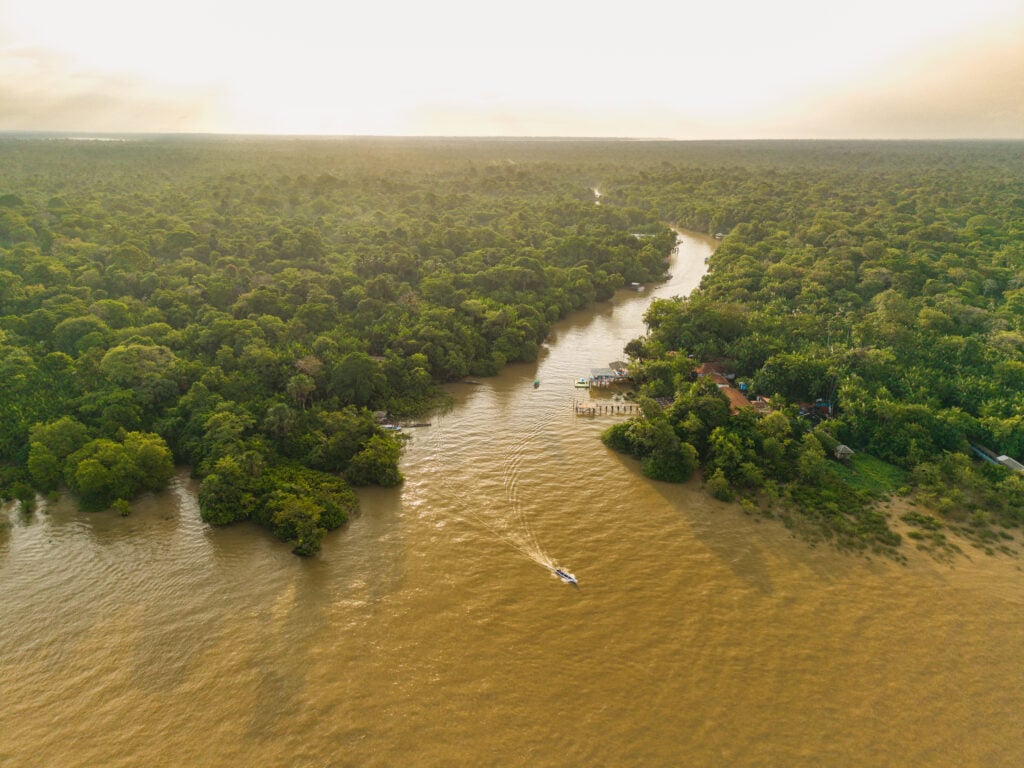
Hosting COP30 in Belém carried immense symbolic and strategic weight. As the world’s largest tropical rainforest, the Amazon is a critical carbon sink and a frontline for biodiversity conservation. The Brazilian government, led by President Luiz Inácio Lula da Silva, sought to use the venue to highlight the Amazon’s role in global climate stability. Despite this focus, the summit faced immediate scrutiny when the host nation moved forward with new exploratory oil drilling projects shortly before the conference began. This paradox highlighted the tension between national economic interests and international environmental commitments that defined much of the two-week summit.
The "Blue Zone" functioned as a microcosm of global climate efforts, featuring a "world fair" atmosphere where country pavilions showcased technological innovations and climate strategies. While nations like India and Portugal utilized their spaces to foster cultural exchange and camaraderie, observers also noted the prevalence of "greenwashing"—marketing efforts by corporations and states to portray environmentally damaging practices as sustainable. Amidst these exhibits, the Climate Mobility Hub emerged as a somber acknowledgment of the growing reality of climate-induced migration, underscoring the "loss and damage" already occurring in vulnerable regions.
Chronology of the Summit and Key Milestones
The timeline of COP30 was characterized by a shift from high-level aspirational statements in the first week to grueling, often stalled, negotiations in the second.
- Pre-Summit (Early November): The Local Leaders Forum in Rio de Janeiro set the stage, bringing together governors and mayors from 26 U.S. states and various international municipal leaders to coordinate sub-national climate action.
- Week One (Nov 11–17): The summit opened with a flurry of activity in the Blue Zone. California Governor Gavin Newsom made significant diplomatic inroads, signing bilateral agreements with Colombia focused on methane reduction and with Nigeria regarding the expansion of electric vehicle (EV) infrastructure. During this period, civil society groups and research organizations, including the Research and Independent Non-Governmental Organizations (RINGO) community, launched exhibits connecting Andean mountain research with North American climate science.
- Week Two (Nov 18–28): Negotiations intensified as delegates attempted to draft the final "cover decision." This phase was marked by protests from Indigenous groups and climate activists who demanded more than symbolic representation. High-profile figures like Saúl Luciano Lliuya, a Peruvian farmer involved in landmark climate litigation against energy giant RWE, participated in demonstrations calling for fossil fuel polluters to fund climate recovery efforts.
- The Closing Days: The conference extended beyond its scheduled end as negotiators struggled over language regarding the transition away from oil, gas, and coal. The final document, while securing some commitments on deforestation and methane, failed to include the term "fossil fuels," a move attributed to heavy lobbying by petrostates.
The United States: A Divergent Presence
A defining feature of COP30 was the lack of an official negotiating delegation from the United States federal government. Following the transition in U.S. administrations, the official seats in the negotiation rooms remained vacant, a void that former U.S. diplomats suggested hindered the brokering of consensus-based agreements. Historically, the U.S. has acted as a primary mediator in UN climate talks; its absence in Belém forced other blocs, such as the European Union and the High Ambition Coalition, to shoulder the diplomatic burden.
In the absence of federal leadership, U.S. sub-national actors stepped into the spotlight. Coalitions such as "America’s All In" and the "U.S. Climate Alliance," which represent a significant portion of the American economy and total emissions, maintained a robust presence. Senator Sheldon Whitehouse of Rhode Island was the sole member of the U.S. Congress in attendance. During his meetings with international students and delegates, Whitehouse emphasized that the current partisan divide on climate in the U.S. is an "artificial state" fueled by industry spending. He argued that as long as the fossil fuel industry "enjoys the freedom to pollute for free," the global pathway to climate safety remains obstructed.
Indigenous Leadership and the Reality of Inequity
COP30 saw a record number of Indigenous delegates, with approximately 900 representatives in the Blue Zone—a 200% increase from the previous year’s summit. These leaders shared climate solutions rooted in generational land stewardship and demanded that their territories be formally recognized in national climate targets (Nationally Determined Contributions, or NDCs).
However, the increase in numbers did not necessarily translate to an increase in decision-making power. Analysis of the delegate list revealed that fossil fuel lobbyists outnumbered Indigenous representatives by more than two to one. Furthermore, logistical and systemic barriers continued to marginalize participants from the Global South. Many delegates from mountain communities in Africa and South America were unable to attend due to visa restrictions or the prohibitive costs of travel to Belém. For those who did reach the summit, the dominance of English-only programming served as an additional hurdle, excluding many who speak Indigenous languages or Spanish from participating in high-level policy discussions.

Scientific Analysis and the Emissions Gap
The scientific community used COP30 to reiterate the urgency of the 1.5°C warming threshold established by the Paris Agreement. According to data presented by the United Nations Environment Programme (UNEP), the world is currently on track for a temperature rise well above 2°C unless greenhouse gas emissions are reduced by 55% by 2035.
The omission of fossil fuel language in the final negotiated text was met with disappointment by the scientific and academic community. Researchers from institutions such as Colorado State University (CSU) and the Mountain Sentinels Alliance pointed out that mountain regions and the Amazon are experiencing rapid ecological shifts that cannot be mitigated without addressing the primary source of warming. While the conference did see the launch of the "Belém Work Programme" to address mountain-specific climate vulnerabilities and new frameworks for halting deforestation, these were viewed as secondary to the fundamental need for an energy transition.
Broader Impact and Global Implications
The outcomes of COP30 suggest a significant shift in the landscape of global climate diplomacy. With federal leadership in some major economies wavering, the role of sub-national entities—states, cities, and private coalitions—has become increasingly vital. The bilateral agreements signed by California and other regional governments in Belém demonstrate that climate action can continue through decentralized networks, even when national-level negotiations stall.

The conference also highlighted the growing influence of climate litigation. The presence of activists like Saúl Luciano Lliuya served as a reminder that when diplomatic channels fail to deliver accountability, the judicial system is increasingly being used to challenge the actions of carbon-intensive industries.
As the international community looks toward COP31, the lessons from Belém are clear: there is a profound global appetite for climate action, but the structures of the UNFCCC process remain vulnerable to the interests of major oil and gas producers. The "everyone, everywhere, all at once" approach advocated by observers in Belém reflects a move toward a more fragmented, yet persistent, form of global climate governance. For mountain communities and the Amazonian ecosystems at the center of this year’s talks, the lack of a federal U.S. voice and the omission of fossil fuel targets represent significant setbacks in a race against time.

