
An avalanche in the high alpine terrain of South Tyrol, Italy, on Saturday claimed the lives of two skiers and left several others injured, according to reports from the Italian mountain rescue service. The catastrophic slide occurred at approximately 2,400 meters (7,874 feet) on the slopes of Hohe Ferse, also known as Monte Tallone Grande, in the vicinity of Ratschings, a municipality situated close to the Austrian border. In total, 25 skiers were engulfed by the powerful snow mass, resulting in two fatalities, three serious injuries, and two individuals sustaining minor injuries.
Chronology of the Incident
The avalanche was triggered at approximately 11:40 a.m. local time on Saturday, March 22, 2026. The precise cause of the avalanche remains under investigation, but preliminary assessments suggest a combination of factors, including recent heavy snowfall and a potentially unstable snowpack, likely contributed to the event. The remote and challenging nature of the terrain, coupled with the scale of the incident, necessitated a significant and rapid rescue response.
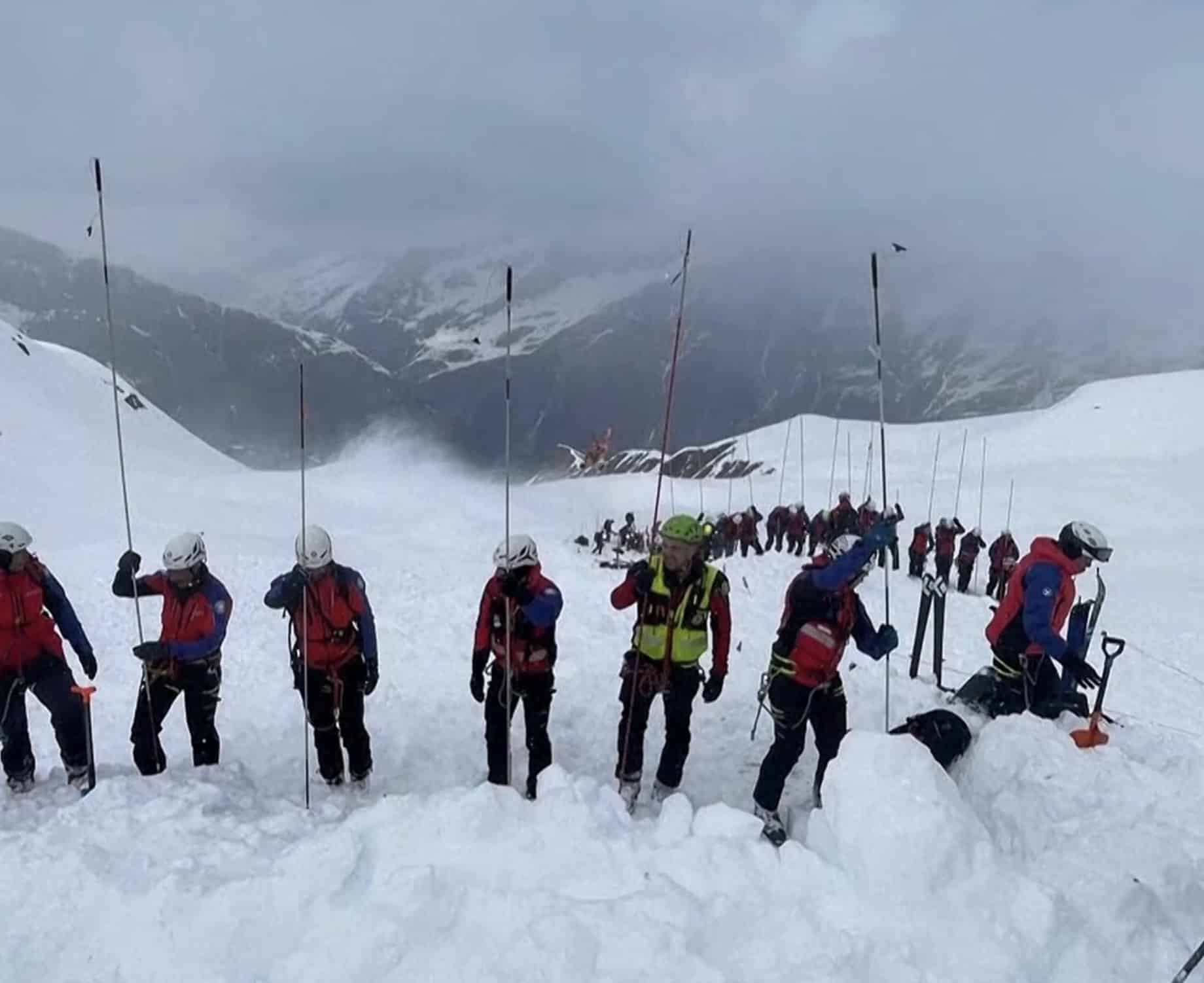
Within minutes of the avalanche striking, emergency services were alerted. The mountainous terrain and the need for aerial reconnaissance meant that helicopters were a critical component of the rescue operation. Six helicopters were deployed to the scene, providing vital support for searching the vast area affected by the snowslide, transporting rescue personnel, and evacuating the injured.
The ground operation involved approximately 80 personnel, a testament to the severity of the situation. This extensive team comprised highly trained members from various organizations, including the Corpo Nazionale Soccorso Alpino e Speleologico (CNSAS), Italy’s national mountain rescue service, the Alpine Association, local police forces, and firefighters. These specialized units possess the expertise and equipment necessary to navigate treacherous alpine environments and conduct search and rescue missions in avalanche-prone areas.
The search and rescue efforts were arduous, with teams meticulously combing the debris field for survivors. The conditions, while not explicitly detailed in initial reports, are often challenging in such scenarios, involving difficult terrain, potential for further slides, and the need to carefully extract individuals buried under significant amounts of snow. The process of locating and extricating victims from an avalanche can take many hours, even days, depending on the depth of burial and the stability of the snowpack.
Background and Context: A Troubling Winter for European Skiers
This tragic incident in South Tyrol is not an isolated event but rather part of a disturbing trend of increased avalanche fatalities across Europe during the current winter season. Data from the European Avalanche Warning Services (EAWS) paints a stark picture. Typically, European avalanche fatalities average around 100 per season. However, as of March 16, 2026, the total number of recorded deaths had already reached 127, significantly exceeding the seasonal average.
Italy has been particularly hard-hit, with 33 fatalities recorded. Other European nations have also experienced a high number of avalanche-related deaths, including France with 31 and Austria with 29. This widespread increase underscores the complex interplay of environmental factors and human behavior that contributes to such tragedies.
Analysis of Contributing Factors
Experts in snow science and climate have identified several key factors contributing to the heightened risk and subsequent fatalities this winter. A primary concern is the instability of the snowpack. Following periods of significant snowfall, particularly when interspersed with rapid temperature fluctuations or strong winds, the layers within the snowpack can become weak and prone to detachment. This creates a precarious situation where even minor disturbances, such as the weight of skiers, can trigger a massive slide.
The increasing popularity of off-piste skiing and backcountry touring is another significant contributing factor. While offering unparalleled experiences, these activities inherently carry greater risks due to the unpredictable nature of unmanaged terrain. More skiers and snowboarders venturing into these areas, often without adequate training or awareness of avalanche conditions, increases the potential for encounters with dangerous snow formations.
Climate change is also playing an undeniable role. Rising global temperatures are leading to more variable weather patterns in mountainous regions. This can manifest as more intense snowfall followed by rapid warming periods, creating a more fragile snowpack. Stronger winds, another consequence of changing climate dynamics, can also contribute to the formation of dangerous wind slabs, which are particularly susceptible to triggering. The combination of these elements creates a challenging environment for even experienced alpinists.
Official Responses and Safety Measures
The scale of the Ratschings avalanche has prompted renewed calls for vigilance and adherence to safety protocols among winter sports enthusiasts. Mountain rescue services and avalanche centers across Europe consistently emphasize the importance of checking daily avalanche forecasts, which are disseminated through official channels. These forecasts provide critical information on snowpack stability, weather conditions, and designated risk levels for different altitudes and aspects.
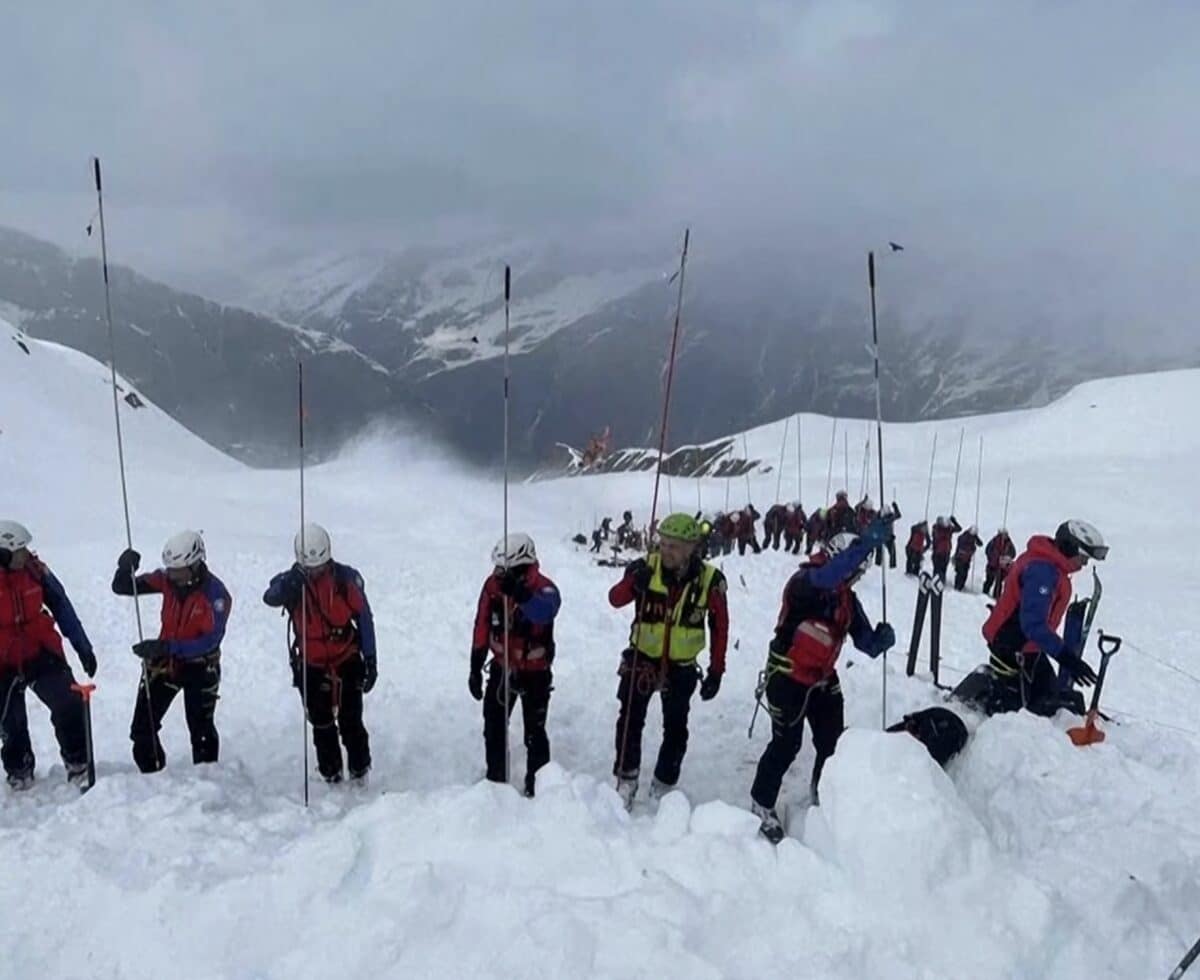
Authorities are also reiterating the need for proper avalanche safety equipment, which includes a transceiver, a probe, and a shovel. Crucially, skiers venturing into backcountry terrain should possess the knowledge and skills to use this equipment effectively and to interpret avalanche conditions. Avalanche safety courses, offered by numerous organizations, are highly recommended for anyone planning to ski or snowboard off-piste.
The Italian mountain rescue service and its partners are continually reviewing and refining their operational procedures to ensure the most effective response to such emergencies. Investments in training, equipment, and technological advancements, such as improved search radar and communication systems, are ongoing. However, the ultimate responsibility for safety lies with the individuals participating in these activities.
Broader Implications and Future Outlook
The series of tragic avalanche incidents this winter serves as a somber reminder of the inherent dangers of alpine environments. The data from EAWS highlights a critical need for continued public awareness campaigns and educational initiatives focused on avalanche safety. This extends beyond formal training to include simple but vital practices like respecting avalanche warnings and avoiding high-risk areas when conditions are unfavorable.
The incident at Hohe Ferse will likely prompt further research into the specific conditions that led to the avalanche, contributing to a broader understanding of snowpack dynamics in the region. This knowledge can inform future forecasting models and risk assessments. Furthermore, the event underscores the dedication and bravery of the rescue personnel who risk their own safety to save others in perilous situations.
As the winter season progresses and temperatures begin to rise, the risk of wet snow avalanches and slides from warming slopes will increase. This necessitates a continued and heightened awareness among all individuals venturing into mountainous terrain. The goal remains to ensure that the pursuit of winter sports remains a source of enjoyment and adventure, rather than a prelude to tragedy. The lessons learned from these unfortunate events must be internalized to foster a culture of safety and respect for the power of nature.

