
The 30th Annual United Nations Climate Change Conference, known as COP30, concluded in Belém, Brazil, leaving a complex legacy of heightened grassroots mobilization contrasted against a significant stalemate in high-level diplomatic language. Held from November 11 to 28, 2024, at the "gateway to the Amazon," the summit was intended to be a turning point for global climate policy, specifically regarding the preservation of critical carbon sinks and the acceleration of the transition away from fossil fuels. However, as nearly 200 nations gathered in the humid heart of the rainforest, the final outcomes revealed a persistent divide between scientific urgency and the economic interests of major energy-producing states.
The Strategic Significance of Belém and the Amazonian Context
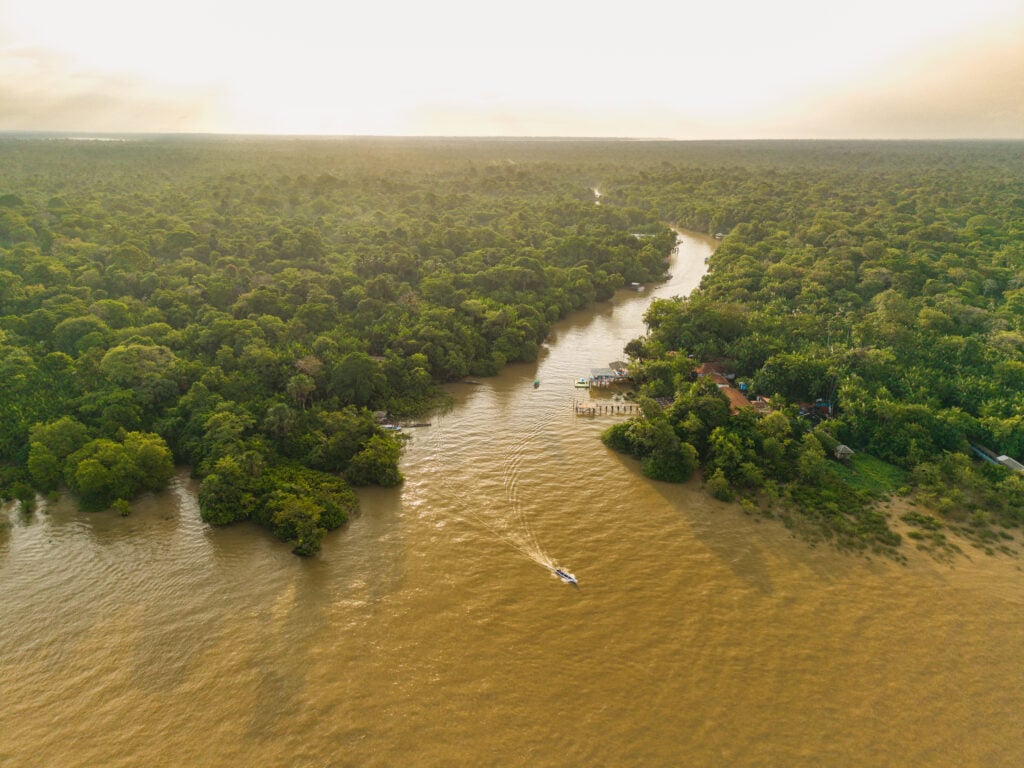
Hosting COP30 in the Amazon was a deliberate choice by the Brazilian government, led by President Luiz Inácio Lula da Silva, to center the world’s attention on the ecological "tipping point" facing the rainforest. The Amazon serves as a vital planetary thermostat, sequestering billions of tons of carbon. Scientists have long warned that if deforestation and global warming continue at current rates, the region could transition from a tropical forest to a dry savanna, a shift that would release catastrophic amounts of carbon into the atmosphere and disrupt global rainfall patterns.
The conference atmosphere was characterized by a "climate world fair" aesthetic within the official UN "Blue Zone," where nearly 60,000 participants converged. This zone served as the epicenter for formal negotiations, hosting country pavilions, non-governmental organization (NGO) exhibits, and high-level press conferences. Despite the vibrant display of cultural symbols—ranging from the earthy architecture of the Indian pavilion to the charismatic wildlife imagery of the Amazon—the visual optimism was frequently shadowed by the grim reality of the "Climate Mobility Hub," an exhibit dedicated to the growing phenomenon of climate-induced displacement.
Chronology of the Summit: From Ambition to Diplomatic Friction
The two-week summit followed a standard UN trajectory but was marked by several pivotal moments that defined its outcome.
The Opening Week: Sub-National Leadership
In the absence of an official federal delegation from the United States, the first week was dominated by sub-national actors. California Governor Gavin Newsom emerged as a prominent figure, utilizing the global stage to sign bilateral agreements. These included a methane reduction pact with Colombia and a partnership with Nigeria aimed at expanding electric vehicle (EV) infrastructure. These actions were supported by the "America’s All In" coalition and the U.S. Climate Alliance, which represent a significant portion of the American economy and emissions.
The Mid-Point: Indigenous Mobilization and Protests
By the middle of the conference, the focus shifted to the "People’s Climate Summit" and a series of high-profile demonstrations. Indigenous leaders, whose representation in the Blue Zone increased from 300 at COP29 to 900 at COP30, demanded substantive power rather than symbolic presence. Tensions peaked when protesters briefly breached security barriers to enter the summit venue, while others, including Peruvian farmer and activist Saúl Luciano Lliuya, led actions alongside Greenpeace. Lliuya, famous for his landmark litigation against the German energy giant RWE, urged governments to establish a clear roadmap for the phase-out of fossil fuels and to hold corporate polluters financially accountable for "loss and damage."
The Final Negotiations: The Omission of Fossil Fuels
The closing days were characterized by grueling overnight sessions. While more than 80 countries pushed for a definitive commitment to end fossil fuel use, the final negotiated text notably omitted the term "fossil fuels" entirely. This omission was largely attributed to intense lobbying from petrostates and the logistical vacuum created by the lack of traditional U.S. diplomatic brokering. The resulting document focused on broader goals, such as halting deforestation by 2030, but lacked the specific enforcement mechanisms many scientists argued were necessary.
The Absence of Official U.S. Diplomacy and the Role of Local Leaders
The most significant geopolitical shift at COP30 was the lack of an official U.S. negotiating delegation. Historically, the United States has played a critical "behind-the-scenes" role in bridging the gap between developing nations and industrialized economies. Former negotiators present in an unofficial capacity noted that this absence made it significantly harder to achieve consensus on ambitious targets.

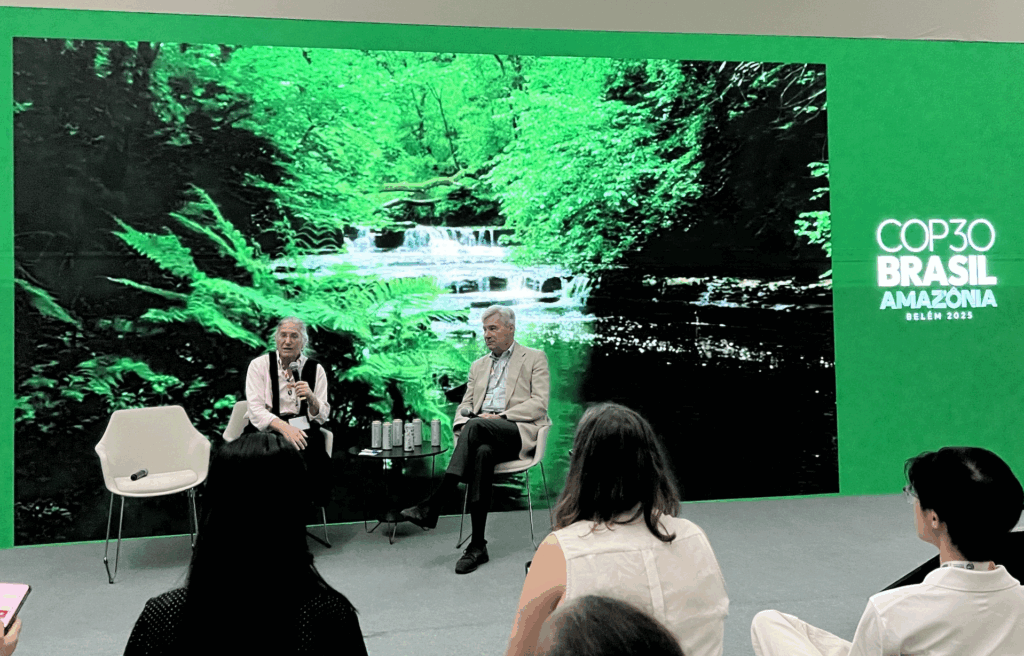
Senator Sheldon Whitehouse of Rhode Island, the only member of the U.S. Congress in attendance, addressed the vacuum by highlighting the influence of the fossil fuel industry on American politics. During a meeting with students and researchers, Whitehouse stated, "As long as the fossil fuel industry enjoys the freedom to pollute for free, we will never find that pathway to climate safety." He characterized the current partisan divide on climate in the U.S. as an "artificial state" created by massive industry spending, rather than a natural reflection of the American electorate.
Despite the federal absence, the Local Leaders Forum in Rio de Janeiro, held just prior to COP30, saw participation from governors and mayors of 26 U.S. states. This "bottom-up" approach to climate diplomacy served as a vital counterweight, ensuring that the United States remained a participant in global climate markets and technological exchanges, even if it was sidelined in the formal treaty-making process.
Scientific Analysis: The 1.5°C Target and Mountain Vulnerabilities
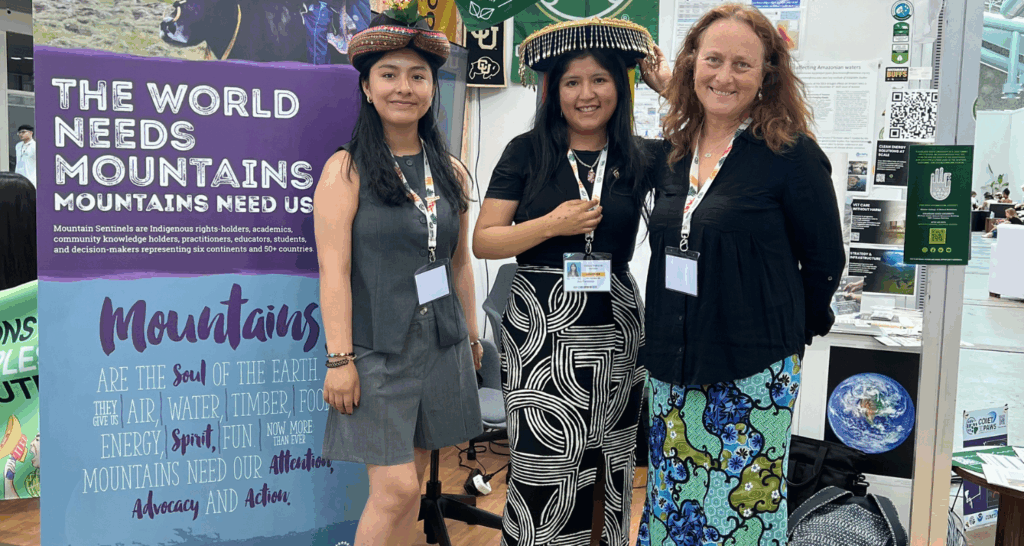
The scientific community, represented by the Research and Independent Non-Governmental Organizations (RINGO) constituency, provided a sobering backdrop to the diplomatic proceedings. Academic institutions, including Colorado State University (CSU) and the Mountain Sentinels Alliance, presented data on the accelerating degradation of mountain ecosystems.
Mountain regions are often referred to as the "water towers of the world," providing freshwater to billions of people. However, they are warming at roughly twice the global average. Data shared at the summit indicated that to limit global warming to the 1.5°C threshold—a key goal of the Paris Agreement—global greenhouse gas emissions must be reduced by 55% from current levels by 2035.
Julia Klein, a CSU professor and member of the POW Science Alliance, emphasized the disconnect between scientific data and policy outcomes. Having studied climate impacts for three decades, Klein noted that the failure to mention fossil fuels in the final text was a significant blow to mountain communities that rely on predictable snowpacks and glacial stability.
Inequity in Climate Spaces: Barriers to Participation
While COP30 saw an increase in Indigenous participation, the summit highlighted persistent inequities in access. The Mountain Sentinels and Instituto de Montaña delegation reported that even with secured funding and accreditation, many participants from the Global South faced insurmountable hurdles.
- Visa Restrictions: A participant from Cameroon was unable to attend due to the inability to secure a transit visa, a common issue for delegates from African nations.
- Language Barriers: Despite being held in a Portuguese-speaking country with a high volume of Spanish-speaking neighbors, much of the official programming remained exclusively in English. This effectively silenced delegates who spoke Quechua or other Indigenous languages, limiting their ability to influence policy sessions.
- Lobbyist Influence: Data revealed that fossil fuel lobbyists in the Blue Zone outnumbered Indigenous delegates by a ratio of more than two to one. This numerical advantage allowed industry interests to maintain a constant presence in the hallways where informal deals are often struck.
Broader Impact and Implications for the Future
The outcomes of COP30 have set a precarious stage for COP31. While the summit failed to produce a historic "end of fossil fuels" declaration, it did achieve several "meaningful wins," including:
- Strengthened commitments to halt deforestation, particularly in the Amazon and Congo basins.
- The expansion of sub-national climate pacts that bypass federal gridlock.
- Increased global visibility for climate litigation as a tool for accountability.
The message from the summit’s conclusion was summarized by a U.S. negotiator who remained on the ground: "We need everyone, everywhere, all at once." This philosophy reflects a shift away from relying solely on top-down UN mandates toward a more fragmented but widespread approach involving cities, states, Indigenous territories, and the private sector.
For the "Outdoor State" and climate-vulnerable communities worldwide, COP30 served as a stark reminder that while the hunger for action is global, the roadblocks remain deeply entrenched in the political and economic structures of the world’s most powerful nations. As the world moves toward 2035, the gap between the 55% emission reduction target and current policy trajectories remains the most significant challenge facing the international community.

