
As the autumnal equinox marks the transition toward the 2025-2026 winter sports season, professional athletes and recreational enthusiasts alike are shifting their focus toward rigorous preseason conditioning. While the fall months are often characterized by a seasonal lull in outdoor intensity, sports medicine experts warn that a lack of preparation is a primary contributor to early-season injuries. Recent data underscores the critical nature of this window; a longitudinal Swedish study involving alpine ski students revealed that structured preseason neuromuscular training reduced the incidence of Anterior Cruciate Ligament (ACL) injuries by nearly 50% over two consecutive seasons. This finding has catalyzed a broader movement within the industry to reframe autumn not as a period of rest, but as a vital phase for physiological and neurological "priming."
The Physiological Imperative: Why Preseason Training Matters
The physical demands of alpine skiing and snowboarding are unique, requiring a combination of explosive power, eccentric muscle control, and high-level proprioception. For the average skier, the transition from sedentary office work to the high-impact environment of a mountain resort can be jarring. Statistics from the National Ski Areas Association (NSAA) suggest that a significant portion of season-ending injuries occur during the first five days on the snow, often attributed to muscle fatigue and a lack of neuromuscular readiness.
Neuromuscular training goes beyond traditional weightlifting. It focuses on the communication between the brain and the muscles, ensuring that the body can react instinctively to sudden changes in terrain or snow consistency. By engaging in specific movements during the fall—such as lateral hops, balance drills, and multi-planar lunges—skiers can build a "buffer" of safety that protects vulnerable joints, particularly the knees and hips.
A Chronological Approach to Fall Conditioning
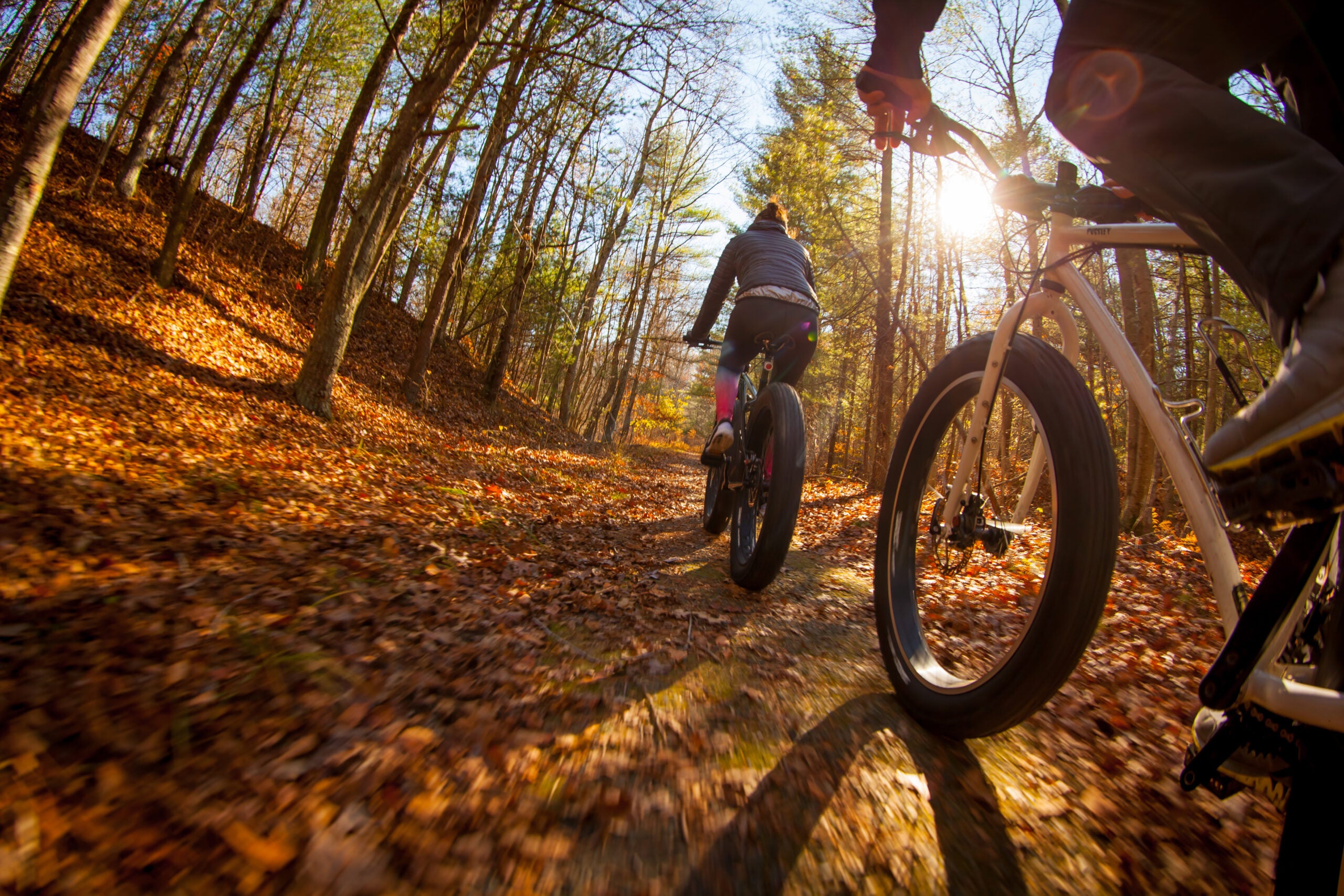
To maximize readiness for an early December opening, fitness experts recommend a structured 12-week progression beginning in September. This timeline is designed to build a base of aerobic capacity before layering on the high-intensity anaerobic work required for technical descents.
- September (The Aerobic Base): Focus is placed on long-duration, low-intensity activities such as hiking or cycling. The goal is to strengthen the cardiovascular system and prepare the tendons and ligaments for heavier loads.
- October (Strength and Stability): Integration of resistance training, focusing on the posterior chain (glutes, hamstrings, and lower back). This is also the period for introducing balance-specific exercises and core engagement.
- November (Power and Precision): The final weeks before the season focus on plyometrics and high-intensity interval training (HIIT). This phase mimics the short bursts of energy required for a ski run, followed by the recovery period of a chairlift ride.
Vertical Conditioning: Hiking Ski Terrain and Via Ferrata
One of the most effective methods for sport-specific conditioning is hiking the actual terrain one intends to ski. For residents of mountain corridors like the I-70 belt in Colorado or the Wasatch Front in Utah, "uphill skinning" or hiking provides a dual benefit. The elevation gain challenges the respiratory system, while the descent on foot provides the eccentric loading necessary to strengthen the quadriceps.
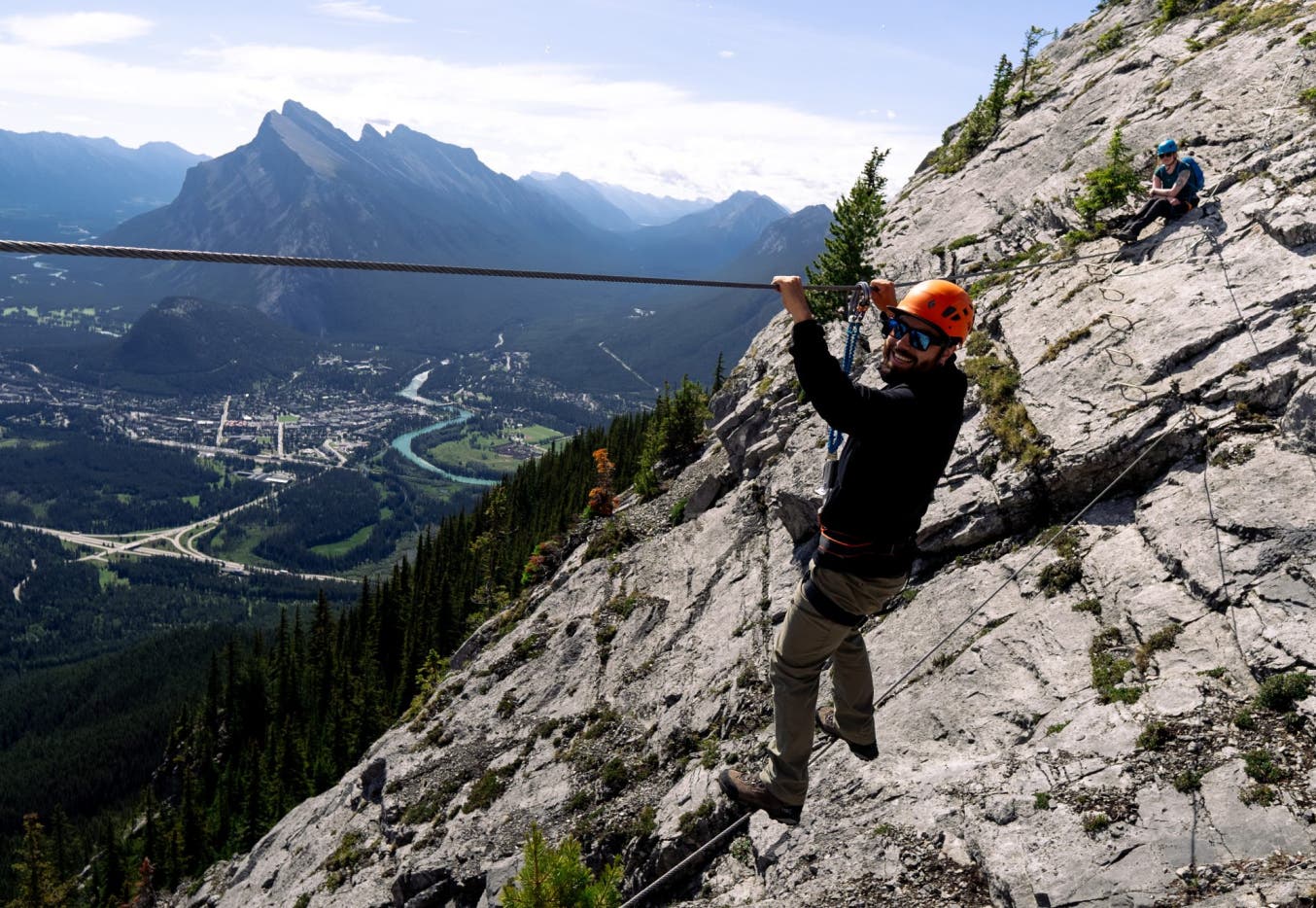
Adding a weighted vest to these hikes can simulate the presence of an avalanche pack or heavy winter gear, further narrowing the gap between training and reality. For those seeking to enhance their mental focus and upper-body stability, the growing popularity of Via Ferrata—protected climbing routes using steel cables and rungs—offers a unique cross-training opportunity. Originally developed in the Italian Dolomites, Via Ferratas have proliferated across North America, providing a full-body workout that emphasizes grip strength and core stabilization, both of which are essential for maintaining form in steep, technical chutes.
The Role of Mountain Biking in Edge Control
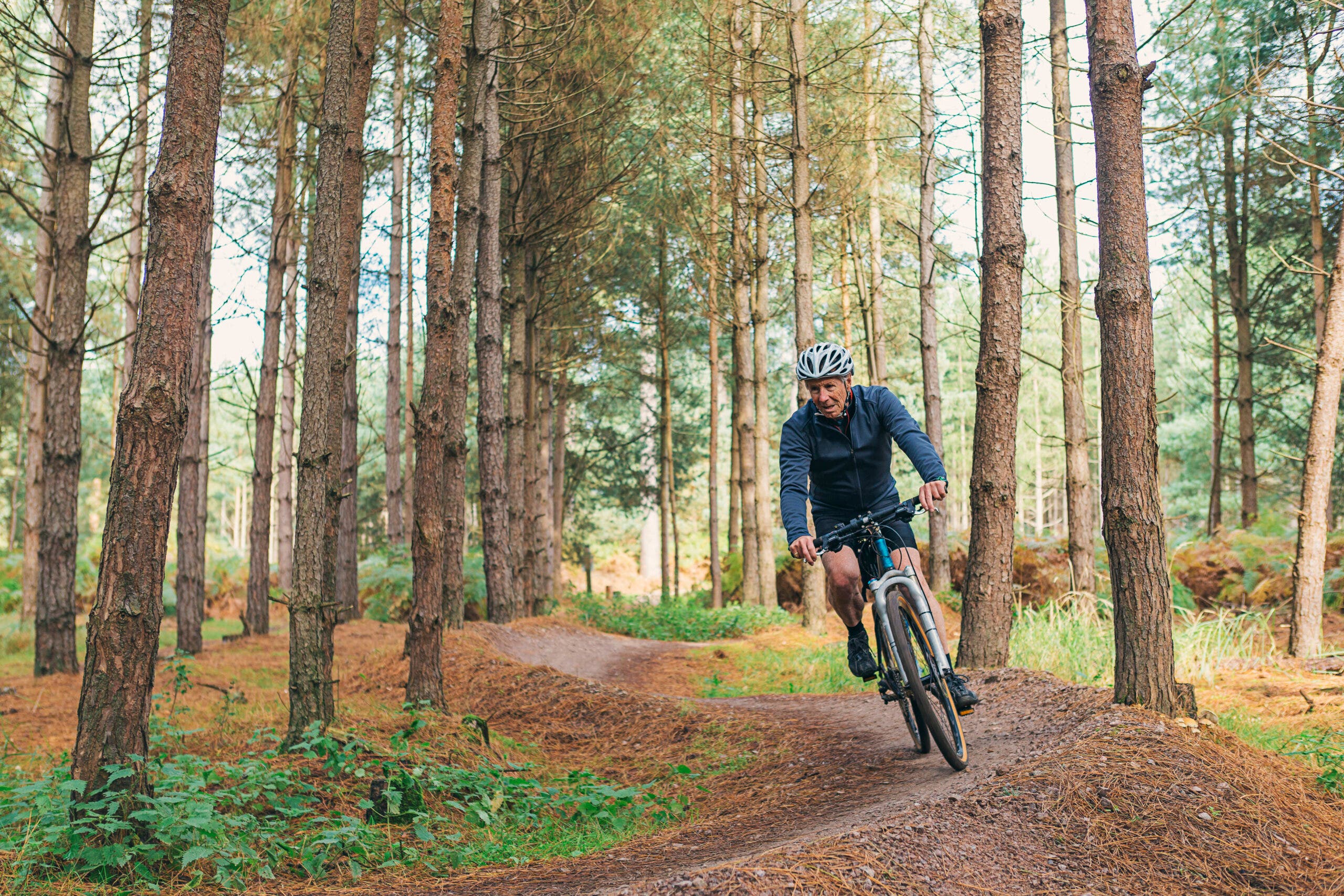
Mountain biking has long been the preferred off-season activity for professional skiers, and for good reason. The mechanical similarities between cornering on a bicycle and carving on skis are significant. Cyclists must manage line choice, absorb bumps through their limbs, and maintain balance over variable surfaces—skills that translate directly to the slopes.
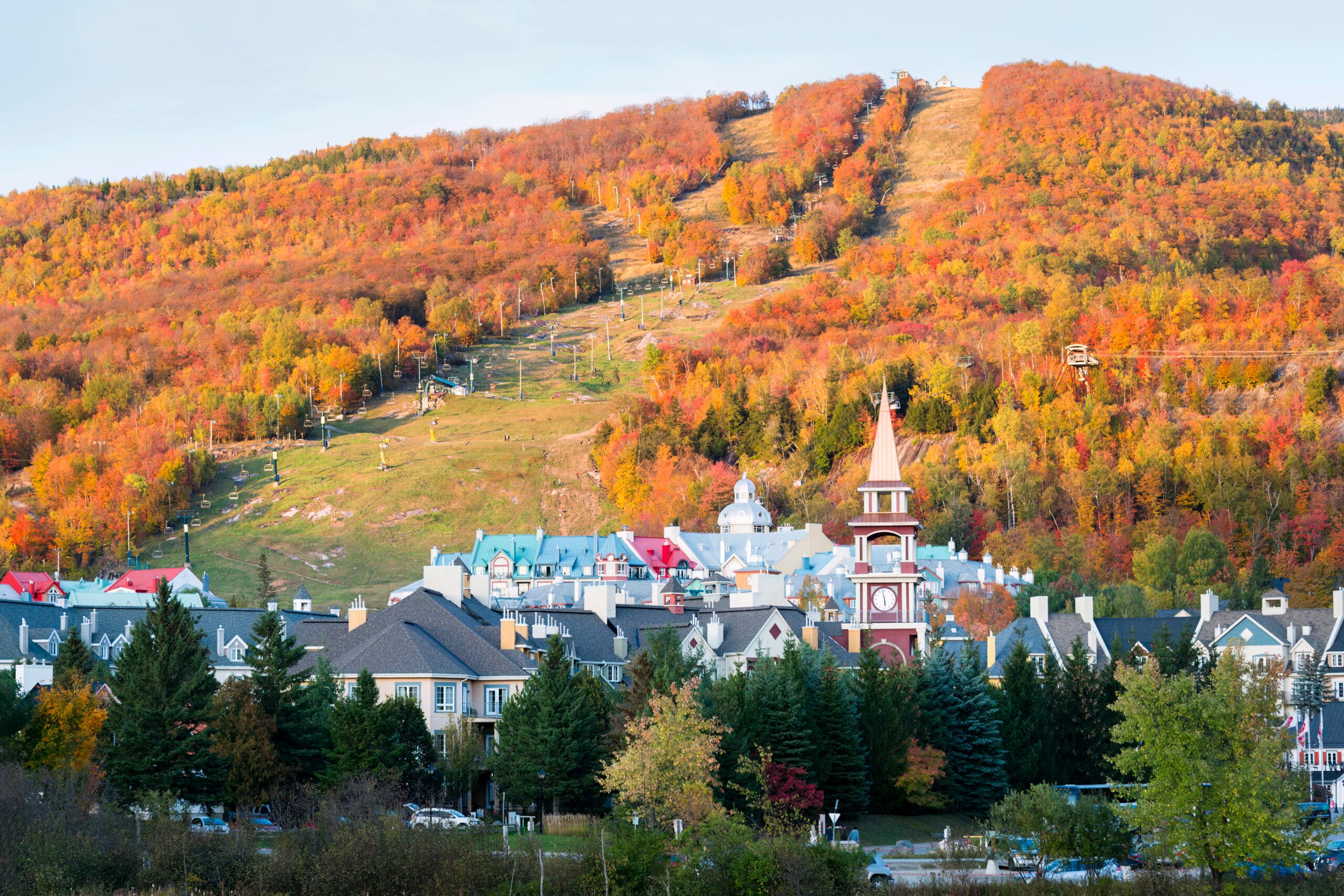
Industry analysts note that the rise of e-bikes, such as the high-performance models from Haibike, has allowed a broader demographic of skiers to engage in high-repetition hill climbs. By utilizing pedal-assist technology, athletes can perform multiple laps on steep inclines, maximizing the "downhill" training time which mimics the gravitational forces of skiing. This repetitive motion trains the eyes to process high-speed visual data, reducing the "velocity shock" many skiers experience during their first runs of the year.
High-Altitude Training and Cardiovascular Adaptation
For skiers planning trips to high-altitude destinations like the Alps or the Rocky Mountains, fall trail running serves as a critical acclimatization tool. Running at altitude forces the body to increase red blood cell production and improves the efficiency of oxygen utilization.
Even for those living at sea level, such as in New York City or London, experts suggest utilizing treadmill inclines and high-intensity intervals to simulate the metabolic stress of mountain sports. The objective is to raise the lactate threshold, allowing the skier to perform longer runs without the debilitating "thigh burn" caused by lactic acid buildup.
The Technological Frontier: Ski Simulators and Indoor Facilities
As urban populations increasingly seek year-round access to snow sports, technological solutions like indoor ski slopes and infinite-slope simulators are becoming integral to preseason routines. Facilities such as Big Snow American Dream in New Jersey provide a temperature-controlled environment where skiers can maintain their "snow feel" regardless of the weather outside.
More advanced are the "Infinite Slopes" offered by companies like Bluerun. These revolving carpet systems allow for continuous skiing in a controlled setting. Unlike a standard mountain run, which is interrupted by lift rides, a simulator allows for 15 to 20 minutes of uninterrupted carving. This high-volume repetition is invaluable for fine-tuning technical aspects like hip angulation and upper-lower body separation.
"The ability to receive real-time feedback on a simulator is a game-changer for injury prevention," says one sports performance coach. "We can identify a skier’s tendency to ‘backseat’ or lean too heavily on one edge and correct those patterns before they lead to a fall on actual snow."
Demographic Shifts: The "Masters" Skier and Longevity
The push for better preseason conditioning is also driven by a demographic shift within the sport. The "Masters" category—skiers aged 40 and older—is one of the fastest-growing segments in the industry. For this group, training is less about peak performance and more about longevity.
Medical professionals emphasize that as the body ages, the recovery time for soft-tissue injuries increases significantly. Consequently, the "weekend warrior" approach is being replaced by a more professionalized, year-round fitness regimen. Staying active through the fall ensures that the muscles supporting the knee joint remain robust, mitigating the risks associated with age-related muscle loss (sarcopenia).
Economic and Safety Implications for the Resort Industry
The broader impact of better-prepared skiers extends to the resort operators themselves. High injury rates early in the season can strain mountain patrol resources and increase insurance liabilities. Furthermore, a skier who suffers an injury in December is unlikely to return for the remainder of the season, representing a loss in lift ticket, lodging, and retail revenue.
By promoting preseason fitness, resorts are essentially investing in their own economic stability. Many major pass holders, such as Vail Resorts and Alterra Mountain Company, have begun integrating fitness tips and training programs into their pre-season marketing communications. This proactive approach aims to create a safer environment on the mountain, reducing the frequency of collisions and "fatigue-related" accidents.
Conclusion: The Strategic Advantage of Autumn
The data is clear: the most successful ski seasons are built in the months of September, October, and November. Whether through high-altitude trail running, technical mountain biking, or the precision of an indoor simulator, fall conditioning provides the foundation for winter performance.
As the first dustings of snow begin to appear on the highest peaks, the window for preparation narrows. For those who have committed to a rigorous fall regimen, the reward is not just a reduction in injury risk, but a more enjoyable, powerful, and sustainable experience on the snow. In the modern era of alpine sports, the "off-season" has become a relic of the past; for the dedicated skier, the pursuit of the perfect turn is a year-round endeavor.

