
The architect behind the unparalleled success of France’s women’s biathlon team, Cyril Burdet, faces an uncertain contractual future as the next season looms. This ambiguity has sparked concern among the athletes he has guided to unprecedented heights, with World Cup winner Lou Jeanmonnot voicing her strong desire for his continued leadership. Burdet, whose tenure has coincided with a golden era for French women in the sport, currently operates without a confirmed contract, leaving the team’s trajectory beyond the immediate future in a state of flux.
A Legacy of Unprecedented Success Under Burdet’s Guidance
For the past four seasons, Cyril Burdet has been the pivotal figure at the helm of the French women’s biathlon team, transforming them into the undisputed powerhouse of the sport. His arrival, initially as a physical trainer following the 2022 Olympic Games in Beijing, marked the beginning of a remarkable ascent. Prior to his biathlon role, Burdet honed his coaching skills as a sprint coach for the French cross-country skiing national team. This diverse background appears to have provided him with a unique perspective and skillset, which he has effectively translated into tangible success on the biathlon tracks.
Under Burdet’s tutelage, the French women have not only achieved individual triumphs but have also cultivated a collective dominance that has reshaped the competitive landscape. This period has witnessed a consistent stream of podium finishes, World Cup victories, and the nurturing of new talent alongside established stars. The team’s remarkable progress is not merely anecdotal; it is quantifiable through a significant increase in medals won at World Championships and World Cup events. For instance, in the 2022-2023 season alone, French biathletes secured numerous individual victories and consistently featured in the top three across various disciplines, a trend that has largely continued into the subsequent seasons. This sustained excellence is a testament to Burdet’s coaching philosophy and his ability to extract the maximum potential from his athletes.
However, despite this extraordinary track record and the evident benefit to the athletes, the continuation of his role is far from guaranteed. The French Ski Federation (FFS) has yet to formally announce an extension for Burdet, leaving him and his athletes in a state of anticipation. This uncertainty is particularly poignant given the approaching 2030 Olympic Games, a major target for any elite sports program, and one that the French women’s team would undoubtedly aim to dominate.
Lou Jeanmonnot’s Plea for Continuity
The sentiment among the athletes is overwhelmingly in favor of Burdet’s continued leadership. World Cup winner Lou Jeanmonnot, who has been a key beneficiary of Burdet’s coaching, articulated her strong desire for him to remain at the helm. Speaking shortly after securing the prestigious crystal globe in Holmenkollen, Jeanmonnot did not mince words about her aspirations.

"Personally, I would really like him to stay," Jeanmonnot stated to Nordic Mag. "And I believe all the others in the team feel the same way. We want to continue working with him." Her conviction is rooted in the tangible achievements and personal growth she has experienced under his guidance. "I am incredibly proud of what we have achieved in the four years we have had him, and I want four more years," she added, emphasizing the desire for a sustained period of success.
Jeanmonnot’s statement underscores the deep trust and respect that has been built between the coach and his athletes. The bond forged through shared challenges, victories, and relentless training is a critical component of any successful team, and it appears that Burdet has cultivated this effectively. The prospect of losing a coach who has been instrumental in their development and success is clearly a source of anxiety for the team, particularly as they look towards future competitions and the ultimate goal of Olympic glory.
A Shifting Coaching Landscape in International Biathlon
The situation surrounding Cyril Burdet is not an isolated incident but rather part of a broader trend of significant coaching movements within the international biathlon community. The end of a season often heralds a period of reassessment and strategic adjustments for national federations, leading to a cascade of coaching changes and contract negotiations.
One of the most notable shifts is the departure of Siegfried Mazet, the highly regarded Norwegian gold-medal winning coach, who is set to join the French Ski Federation from the 2026/27 season onwards. Mazet will assume the role of shooting coach for the French national team. While his expertise is undeniable, his exact role and the specific athletes he will work with remain to be clarified. This move, while potentially beneficial for France, also signals a significant change for the Norwegian biathlon program, which has also enjoyed considerable success under Mazet’s influence.
The ripple effect of these coaching changes extends across multiple nations. Jean-Marc Chabloz, the Swiss shooting coach for the Swedish team, has concluded his tenure with the "blågula" and is transitioning to a different career path outside of elite sports. Similarly, Jonne Kähkönen, the successful Finnish coach who led the Italian national team, is also parting ways with the Italian federation. During his time with Italy, Kähkönen was instrumental in the development of prominent athletes such as Lisa Vittozzi, Dorothea Wierer, Lukas Hofer, and Tommaso Giacomel.
Further illustrating the fluidity of coaching positions, Sandra Flunger, the head coach of the Swiss women’s team, will be stepping down after eight years in the role. In the United States, head coach Armin Auchentaller has announced his departure following the current season.
There are also ongoing rumors suggesting that Italian coach Patrick Oberegger, currently working with the Norwegian women’s biathlon team, might be heading to France. This potential move, if realized, would further consolidate French expertise and could significantly impact other national programs.
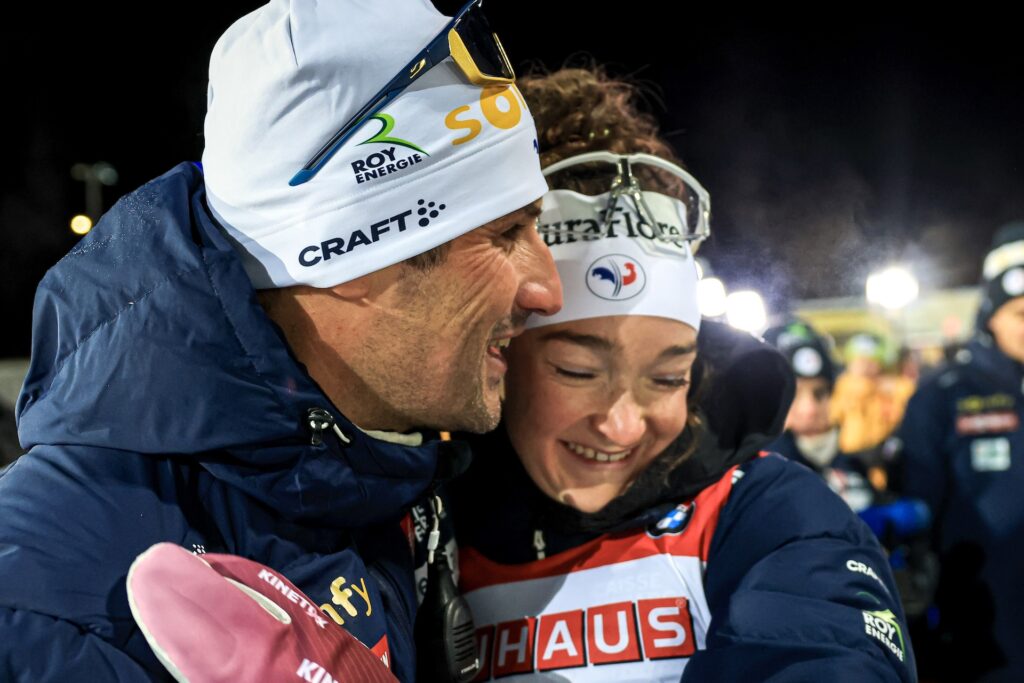
Adding another layer to this complex coaching carousel is Sverre Olsbu Røiseland, husband of Norwegian biathlon star Marte Olsbu Røiseland. His contract as a coach for the German national team is ending. Røiseland has confirmed that he is in discussions with the Norwegian Biathlon Federation. This potential return to Norway comes at a personally challenging time for Røiseland, who recently disclosed his diagnosis of cancer and is undergoing treatment. The couple is also expecting their second child this summer, adding a deeply personal dimension to his career decisions.
Analysis of Implications: A Strategic Chess Game
The current climate of coaching transitions in international biathlon is more than just a series of individual career moves; it represents a strategic chess game being played out by national federations. The impending departure of key figures and the potential arrival of new talent highlight the intense competition for coaching expertise.
For France, retaining Cyril Burdet is paramount to maintaining their dominant position. His intimate knowledge of the current athletes, their strengths, and weaknesses, coupled with his proven ability to develop winning strategies, makes him an invaluable asset. The potential addition of Siegfried Mazet, a renowned shooting specialist, alongside a retained Burdet, could create an exceptionally formidable coaching staff, further solidifying France’s status as a biathlon superpower. However, the FFS faces the challenge of navigating contract negotiations and ensuring that their coaching structure remains stable and appealing to top-tier talent.
The movements of coaches like Mazet and the potential arrival of Oberegger in France also indicate a strategic effort to gain a competitive edge. By bringing in coaches with proven track records and experience with rival nations, federations aim to acquire new insights, innovative training methodologies, and an understanding of their competitors’ approaches. This can lead to significant performance gains, particularly in sports where marginal improvements can make a substantial difference.
The departure of coaches from established programs, such as Kähkönen from Italy and Auchentaller from the US, presents opportunities for these nations to rebuild and re-strategize. However, it also poses challenges in finding suitable replacements who can maintain or elevate the team’s performance level. The recruitment process for elite coaches is often complex, involving not only technical expertise but also the ability to connect with athletes and foster a positive team environment.
The personal circumstances of coaches like Sverre Olsbu Røiseland also highlight the human element within the professional sports world. While national federations are focused on competitive advantage, individual coaches face life-altering events that influence their career choices. Røiseland’s situation, balancing a serious health battle and impending fatherhood with potential coaching opportunities, underscores the multifaceted pressures faced by individuals in high-stakes professions.
Ultimately, the ongoing shifts in the coaching landscape will likely lead to a reshuffling of the competitive order in international biathlon. Nations that can successfully retain and recruit top coaching talent will be best positioned to thrive in the coming seasons, while those that struggle to adapt may see their performance levels decline. The decisions made by federations in the coming months regarding their coaching staff will have a profound and lasting impact on the sport. The focus now shifts to the French Ski Federation’s ability to secure its coaching future and the athletes’ hope for continuity amidst this period of significant change.

