
As the crisp air of spring heralds the eagerly anticipated Easter ski season, many enthusiasts are gearing up for exhilarating days on the slopes, whether in the majestic mountains or the serene local trails. For a growing number of skiers, the convenience of waxless skis, or "felleski" as they are known in Norway, has become the natural choice. This preference is entirely understandable, offering a hassle-free approach to enjoying winter’s embrace on snow.
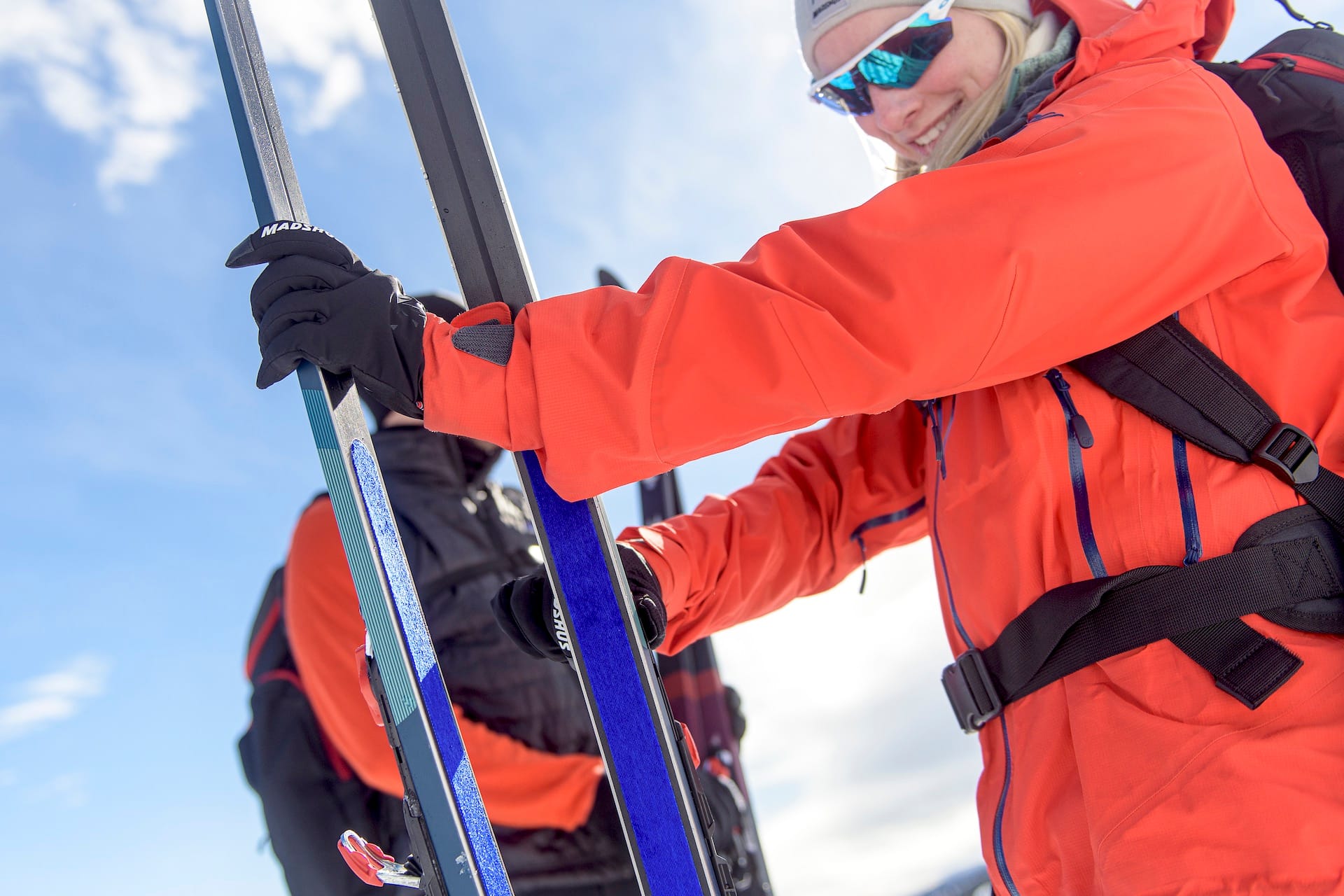
Waxless skis are designed to provide reliable grip in a variety of conditions, from hard, icy tracks and firm crusts to slushy, wet snow – precisely the kind of variable weather often encountered during spring skiing. Their primary advantage lies in their minimal preparation needs before use, freeing up precious time for actual skiing. However, a crucial step in optimizing their performance is frequently overlooked by a significant portion of skiers: impregnation. The question then arises: how vital is it to impregnate the grip zone of waxless skis?
The unequivocal answer is: extremely important. This simple, quick treatment can elevate a good ski experience to a truly magical one.
Elevating the Ski Experience: From Good to Magical
The process of impregnating the grip zone of waxless skis takes mere seconds. It requires no specialized tools or extensive preparation, simply an impregnation wipe or a spray application followed by a quick wipe with paper. The benefits, however, are manifold and immediately noticeable.
The most immediate impact skiers will experience is improved glide and a significantly reduced risk of ice buildup in the grip zone. This translates to a more responsive and enjoyable ski from the very first push-off. Beyond enhanced glide, impregnation plays a critical role in minimizing moisture absorption by the ski’s grip material throughout the ski tour. When the grip zone absorbs less water, it remains lighter. A saturated grip zone accumulates considerable weight, which in turn hinders the ski’s ability to glide smoothly over the snow. Consequently, lighter skis with better glide translate directly into more speed and forward momentum, allowing skiers to conserve energy over longer distances and ultimately cover more ground with less effort.
The importance of impregnation becomes even more pronounced as the weather warms. In milder spring conditions, the grip zone is inherently more susceptible to becoming wet. Therefore, the longer the ski season extends into spring, the more critical impregnation becomes. Similarly, for those embarking on longer excursions, the energy savings and improved performance gained from an impregnated grip zone become increasingly significant, positively impacting not only physical endurance but also morale and the overall enjoyment of the skiing experience.
Documenting the Difference: A Clearer Picture
Jan Olav Bjørn Gjermundshaug, a product developer at Swix, a leading manufacturer of ski care products, has conducted tests to quantify the difference in moisture absorption in waxless ski grip zones after skiing for one, two, three, and four kilometers under typical spring conditions. His findings are compelling and underscore the substantial benefits of this often-neglected maintenance step.
"The effect of impregnation is remarkable," Bjørn Gjermundshaug stated to Langrenn.com. "Grip zones without impregnation absorb so much moisture that it’s visibly apparent within just a few minutes of skiing."
The disparity between treated and untreated grip zones becomes even more pronounced after two kilometers. By the final two measured intervals, the untreated grip zone becomes so saturated with water that Bjørn Gjermundshaug describes a desire to simply peel it off and wring it out.
"While I haven’t precisely measured the exact amount of water absorbed without removing the grip zones at each kilometer mark, the accompanying image series clearly shows that the untreated grip zone is completely soaked after just two kilometers," Bjørn Gjermundshaug explained. "In contrast, the impregnated grip zone remains dry and in excellent condition, even after four kilometers."
The visual evidence, as presented in accompanying photographic documentation, starkly illustrates the moisture saturation of untreated grip zones compared to the consistently dry state of impregnated ones, even after extended distances in wet conditions. This direct comparison highlights the significant performance degradation and added weight experienced by skiers who neglect this simple preventative measure.
Quick Guide to Impregnation: Maximizing Your Waxless Skis
For skiers who are convinced of the benefits, understanding the "how," "when," and "how often" of impregnation is essential. Bjørn Gjermundshaug offers practical advice:
How to Impregnate the Grip Zones and What Equipment is Needed?
Impregnation demands minimal effort and requires only paper towels in addition to the impregnation product itself. The process involves a simple spray or application followed by a quick wipe-down, taking no more than a few seconds. This accessibility makes it an ideal pre-ski routine for even the most time-constrained skier.
Is There a Waiting Period After Impregnation Before Skiing?
While it is possible to ski immediately after impregnation, doing so will result in the treatment wearing off more quickly. Allowing the impregnation to air dry on the grip zone for 15 to 30 minutes before wiping it off will ensure the treatment lasts significantly longer, providing sustained benefits throughout the ski. This brief waiting period can be effectively utilized for other pre-ski preparations, such as lacing boots or adjusting clothing.
How Often Should the Grip Zones Be Impregnated?
It is advisable to impregnate the grip zones before each ski outing, particularly when skiing in wet or variable conditions. Consistent application ensures optimal performance and longevity of the grip material. For those who frequently ski in challenging spring conditions, a daily application before heading out is a small price to pay for superior performance.
How Do You Know When Impregnation is Needed?

There is no direct visual indicator that signifies the immediate need for impregnation. However, Bjørn Gjermundshaug strongly recommends performing the treatment before every ski trip, especially when facing wet snow conditions. This proactive approach prevents performance degradation before it becomes noticeable.
Beyond Impregnation: Cleaning and Glide Maintenance
The frequency of cleaning the grip zones depends on their condition. If dirt, debris, or remnants of climbing skins (for touring skis) are visible, it is time to use a grip zone cleaner. After cleaning, it is crucial to re-impregnate the grip zones before the next ski session.
In addition to cleaning, applying glide wax to the glide zones of waxless skis is the primary form of maintenance. Liquid glide waxes are particularly user-friendly, quick to apply, and require minimal waxing equipment. This makes them an accessible option for skiers of all levels. Maintaining the glide zones ensures that the skis move efficiently through the snow, complementing the grip provided by the treated grip zone.
The Touring Edge: Enhancing Uphill and Downhill Performance
April and May are prime months for ski touring, a rapidly growing segment of the outdoor recreation and skiing community. Bjørn Gjermundshaug notes that the principles of grip zone impregnation apply equally to traditional, removable climbing skins used on touring skis as they do to the integrated grip zones found on many cross-country and training skis.
However, for ski touring and randonnée skis, the weight savings and improved glide achieved through impregnation are even more pronounced. This is due to the significantly longer length of climbing skins compared to the integrated grip zones on typical cross-country skis. The reduced weight and enhanced glide on ascents translate to less fatigue and a more efficient uphill climb, while the improved glide on descents offers a smoother and faster downhill experience.
Pro Tip: Preparing Your Skis for the Off-Season
Before storing your waxless skis for the summer, it is recommended to clean the grip zones with a dedicated grip zone cleaner and the glide zones with a glide zone cleaner. Follow the instructions on the glide cleaner bottle carefully. Subsequently, apply a traditional hard glide wax to the glide zones and iron it in using a ski waxing iron.
Storing the skis with this layer of glide wax will prevent the ski bases from drying out over the summer months, ensuring optimal glide performance and protection for the upcoming winter season. This end-of-season maintenance is a vital step in preserving the integrity and performance of your skis, setting you up for immediate enjoyment when the snow returns.
The simple act of impregnating the grip zones of waxless skis, a process that takes less than a minute and requires no specialized equipment, offers a profound enhancement to the skiing experience. By minimizing moisture absorption, reducing weight, and improving glide, this overlooked step can transform your ski trips from good to truly exceptional, allowing you to conserve energy, cover more ground, and fully embrace the joy of winter sports. As the spring season continues to offer varied snow conditions, skiers who adopt this simple practice will undoubtedly find themselves reaping significant rewards on the trails and mountains.

