
Intersport Austria has announced preliminary financial results for the first half of the 2025/26 fiscal year, revealing a robust 7% increase in sales that significantly outpaces the broader national sporting goods sector. These figures, covering the period from October 2025 through the end of March 2026, arrive at a time of contraction for the wider Austrian sports retail industry, which saw an overall decline of 1.1% during the same timeframe. The performance solidifies Intersport’s position as a dominant force in the European alpine market, driven by a combination of favorable weather conditions, strategic internal restructuring, and a surge in the equipment rental sector.
The divergence between Intersport’s performance and the general market trend highlights a shifting landscape in consumer behavior and retail resilience. While many retailers struggled with cooling consumer sentiment and inflationary pressures affecting discretionary spending, Intersport capitalized on a resurgent interest in winter sports, particularly among high-spending tourists and dedicated enthusiasts. The 7% growth figure is particularly noteworthy given that it represents not just a recovery, but a proactive expansion of market share in a year where the average competitor saw shrinking revenues.
A Season of Climatic and Strategic Success
The 2025/26 winter season in the Austrian Alps will be remembered as one of the most consistent in recent years regarding snowpack and temperature. Early snowfall in November 2025 provided a foundational layer that allowed resorts to open ahead of schedule, sparking an early-season retail boom that lasted through the Easter period in March 2026. This "rising tide," as industry analysts often describe favorable weather, provided the necessary environment for retail success. However, Intersport’s leadership has been quick to point out that weather alone does not account for an 8.1 percentage point outperformance relative to the national average.
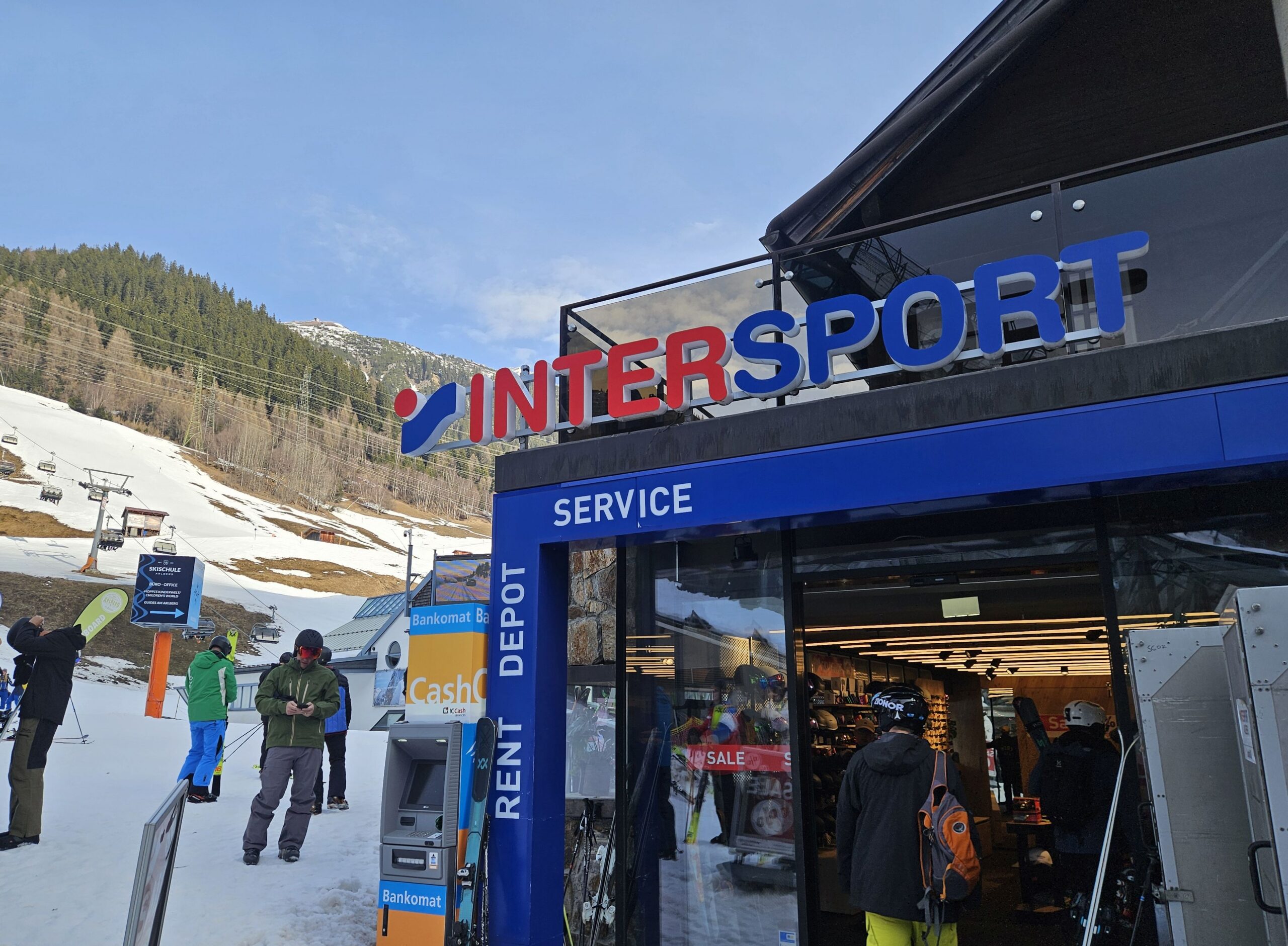
Franz Koll, the Managing Director of Intersport Austria, emphasized that the group’s positive trajectory was the result of deliberate operational pivots executed throughout 2024 and 2025. According to Koll, the organization focused on three primary pillars: process optimization, product range refinement, and the solidification of high-profile strategic partnerships. One of the most significant of these alliances was the renewed and deepened collaboration with the Austrian Ski Federation (ÖSV), which enhanced the brand’s visibility and credibility among professional and semi-professional winter sports participants.
By streamlining supply chains and improving inventory management, Intersport was able to maintain high availability of technical equipment even during peak demand periods in late December and February. This operational efficiency ensured that when customers were ready to buy—often spurred by the excellent conditions on the slopes—Intersport had the stock and the staff expertise ready to facilitate those transactions.
Detailed Breakdown of Sales and Product Categories
The data provided for the first half of the fiscal year shows that winter-specific merchandise was the primary engine of growth, increasing by 10.3% overall. This category encompasses everything from hardware like skis and snowboards to technical outerwear and safety equipment.
The hardware segment saw particularly aggressive growth. Ski sales rose by 19% compared to the previous year, suggesting a move toward equipment upgrades among regular skiers. Perhaps more surprising was the 33% surge in ice skating equipment. Analysts suggest this may be attributed to a combination of colder-than-average valley temperatures allowing for more natural ice skating opportunities and a renewed marketing focus on family-oriented winter activities.
Other key performance indicators include:
- Ski Boots and Helmets: Both categories recorded double-digit growth, driven by a heightened consumer focus on safety and personalized comfort (boot fitting).
- Technical Apparel: Sales of high-performance jackets and trousers remained strong, as consumers increasingly seek "cross-functional" gear that can be used for both alpine skiing and backcountry touring.
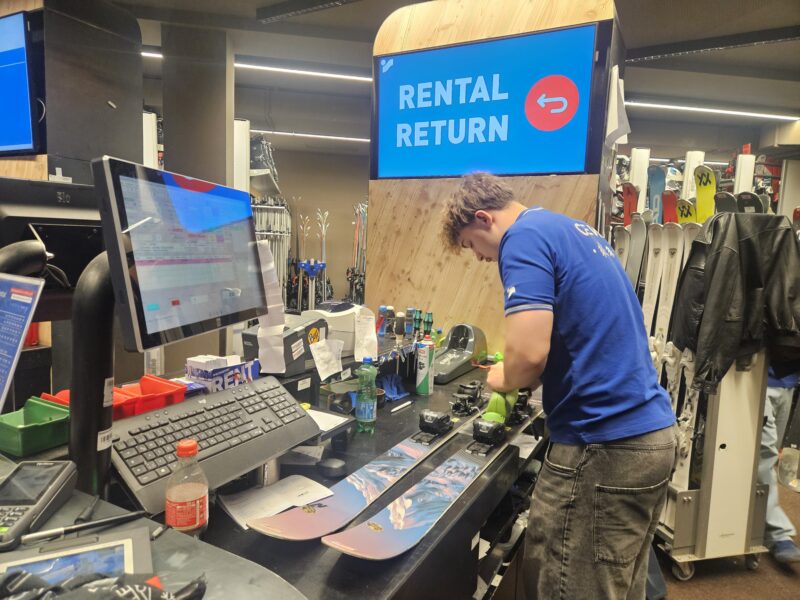
- Rental Business: This sector grew by 13% and now accounts for approximately 15% of Intersport Austria’s total business volume.
The growth in rentals is viewed by industry experts as a critical strategic victory. For many modern winter sports enthusiasts, the logistical burden of transporting heavy equipment across borders or the high upfront cost of purchasing top-tier gear has made renting an increasingly attractive proposition. Intersport has leaned into this trend by offering a "test-and-buy" model and providing the flexibility for skiers to swap their equipment based on daily conditions—choosing powder skis for fresh snow days or carving skis for groomed pistes.
The Strategic Importance of the Rental Sector
The rental business is no longer merely a secondary service for Intersport; it has become a primary "introduction mechanism" for the brand. The 13% growth in this sector reflects a broader shift in the "sharing economy" within the sports world. By providing high-quality, well-maintained equipment, Intersport is able to capture first-time participants and occasional skiers who might otherwise be deterred by the costs of entry.
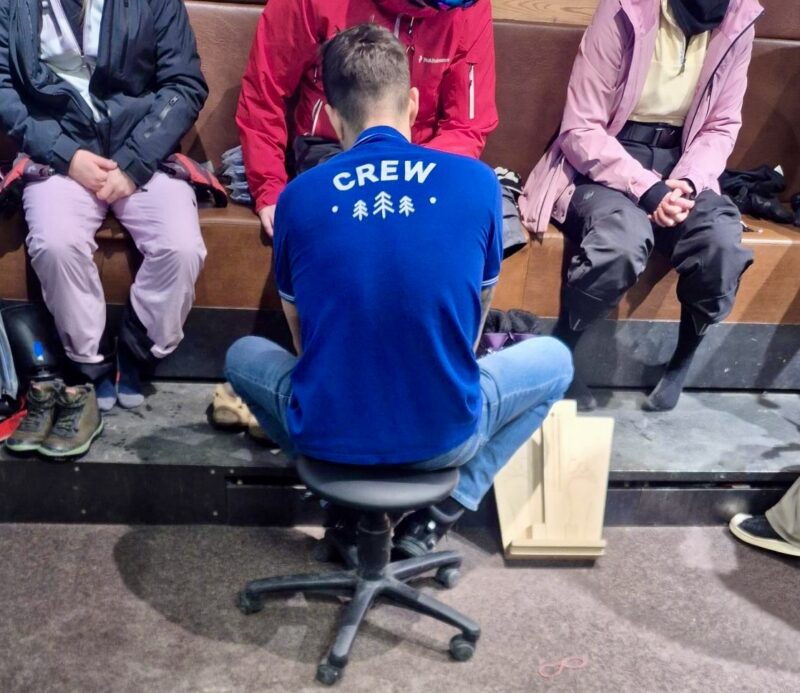
The conversion rate from rental to ownership remains a key metric for the company. The rental experience serves as a prolonged product demonstration, where customers can experience the benefits of the latest technology in real-world conditions. This often leads to a "halo effect" where a satisfied rental customer eventually returns to purchase their own boots, helmets, or even a full ski setup in subsequent seasons.
Furthermore, the rental model provides Intersport with a steady stream of data regarding consumer preferences. By tracking which models are most frequently requested and which receive the best feedback, the group can refine its retail purchasing decisions for the following season, ensuring that their store shelves are stocked with the most desirable products.
Market Context and Economic Headwinds
The 1.1% decline in the overall Austrian sporting goods market serves as a sobering backdrop to Intersport’s success. The Austrian economy, like much of the Eurozone, has faced challenges related to fluctuating energy costs and a cautious consumer environment. The fact that the broader market contracted suggests that many independent retailers and smaller chains struggled to maintain their margins or attract foot traffic.
Intersport’s ability to grow 2.2% during the same period—and 7% when focusing on the first half of the fiscal year—indicates a consolidation of market power. Larger groups with sophisticated digital platforms, loyalty programs, and extensive physical footprints are better equipped to weather economic downturns than smaller operators. Intersport’s investment in omnichannel retailing, allowing customers to book rentals online and pick them up in-resort, has proven to be a significant competitive advantage.
The partnership with the Austrian Ski Federation (ÖSV) also played a psychological role in the market. In a country where skiing is deeply ingrained in the national identity, being the official partner of the national team provides a level of brand prestige that is difficult for competitors to replicate. This partnership likely helped Intersport capture a larger share of the "prestige" market—consumers who are less price-sensitive and more focused on performance and brand association.

Looking Ahead: Implications for the 2026/27 Season
As the 2025/26 fiscal year heads toward its conclusion, the momentum generated in the first half provides a strong cushion for the summer months. While the winter season is the primary revenue driver for Intersport Austria, the company is expected to apply its successful "optimization and partnership" strategy to its summer categories, including mountain biking, hiking, and running.
The success of the rental model in the winter is already prompting discussions about expanding similar high-flexibility rental programs for e-bikes and premium outdoor gear during the summer season. If the 15% revenue share from rentals can be maintained or grown during the warmer months, it would represent a significant stabilization of year-round cash flow.
However, the industry remains wary of long-term climatic trends. While the 2025/26 season was exceptional, the volatility of alpine weather remains a persistent risk. Intersport’s focus on "technical apparel" and "cross-functional gear" is part of a broader diversification strategy to ensure that the business remains viable even in years with less reliable snowfall.
In conclusion, Intersport Austria’s mid-year report is a testament to the efficacy of proactive management in a volatile retail environment. By focusing on the high-growth rental sector, refining their product mix to match consumer demand for high-tech hardware, and leveraging strategic national partnerships, the group has managed to turn a challenging market year into a period of significant growth. As the final figures for the fiscal year are tallied in the coming months, the industry will be watching to see if this 7% growth rate can be sustained and what it signals for the future of sports retail in the Alps.

