
Conditioning for alpine sports requires a sophisticated approach to lower-body mechanics that transcends the limitations of traditional resistance training. As the professional skiing community shifts its focus toward the upcoming winter season, fitness experts and sports physiologists are emphasizing the necessity of movement variability to optimize performance and mitigate the risk of musculoskeletal injuries. While the standard squat remains a fundamental pillar of athletic development, its repetitive application often leads to physiological plateaus and diminished neuromuscular returns. To address these challenges, a series of specialized squat variations has been identified to target the glutes, quadriceps, hamstrings, and hip stabilizers with greater precision, ensuring that athletes are prepared for the multidimensional stresses of high-velocity descent and technical terrain.
The Biomechanics of the Alpine Turn and the Role of the Squat
Skiing is a sport defined by eccentric loading and isometric stability. During a high-speed turn, a skier’s lower extremities must manage significant gravitational forces while maintaining a stable core and an active "ready" position. The primary muscles involved—the quadriceps, glutes, and hamstrings—do not work in isolation but rather as part of a complex kinetic chain. The quadriceps act as the primary shock absorbers, the glutes provide the power for lateral transitions, and the hamstrings serve as the critical stabilizers for the knee joint, protecting the anterior cruciate ligament (ACL) during rapid changes in direction.
Research in sports science suggests that performing the same exercise pattern repeatedly causes the central nervous system to become "complacent." This phenomenon, known as the principle of accommodation, states that the body’s response to a constant stimulus decreases over time. For skiers, this means that a standard bilateral squat may eventually fail to provoke the strength gains necessary for the rigors of mogul fields or icy steeps. By introducing variations that alter the center of gravity, increase the demand on stabilizer muscles, or emphasize unilateral strength, athletes can force new adaptations and improve "proprioception"—the body’s ability to sense its position in space.
A Chronology of Pre-Season Conditioning
Effective ski conditioning follows a logical progression, typically beginning in the early summer months and intensifying as the first snowfall approaches. The current training phase, typically situated in the mid-summer period (July and August), focuses on hypertrophy and structural integrity.
- Phase I (May–June): Aerobic base building and mobility.
- Phase II (July–August): Functional strength and muscle symmetry. This is where squat variations are most critical, as they address imbalances between the left and right legs.
- Phase III (September–October): Maximum strength and explosive power (plyometrics).
- Phase IV (November–December): Sport-specific endurance and on-snow transition.
By integrating advanced squat variations during Phase II, skiers build a robust foundation that allows for safer and more effective power training in the final weeks before the season begins.
Detailed Analysis of Specialized Squat Variations
To maximize the efficacy of a workout, skiers are encouraged to incorporate the following four variations, each of which addresses a specific demand of the sport.
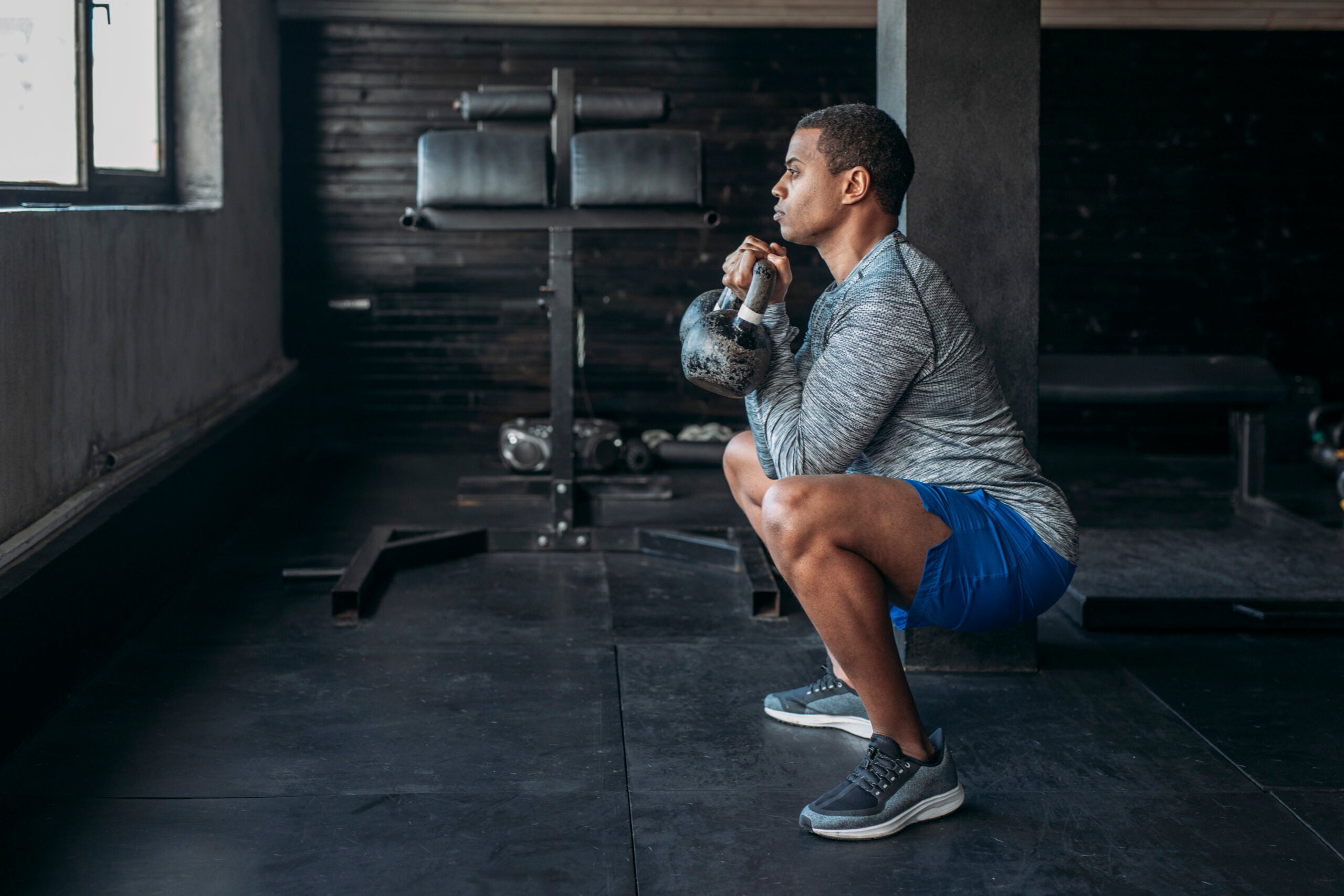
1. The Goblet Squat: Enhancing Adductor Strength and Core Integration
The Goblet Squat is distinguished by the placement of the weight—typically a kettlebell or dumbbell—held against the chest. This anterior load forces the core to remain engaged to prevent the torso from collapsing forward, mimicking the upright but forward-leaning posture required in modern alpine skiing.
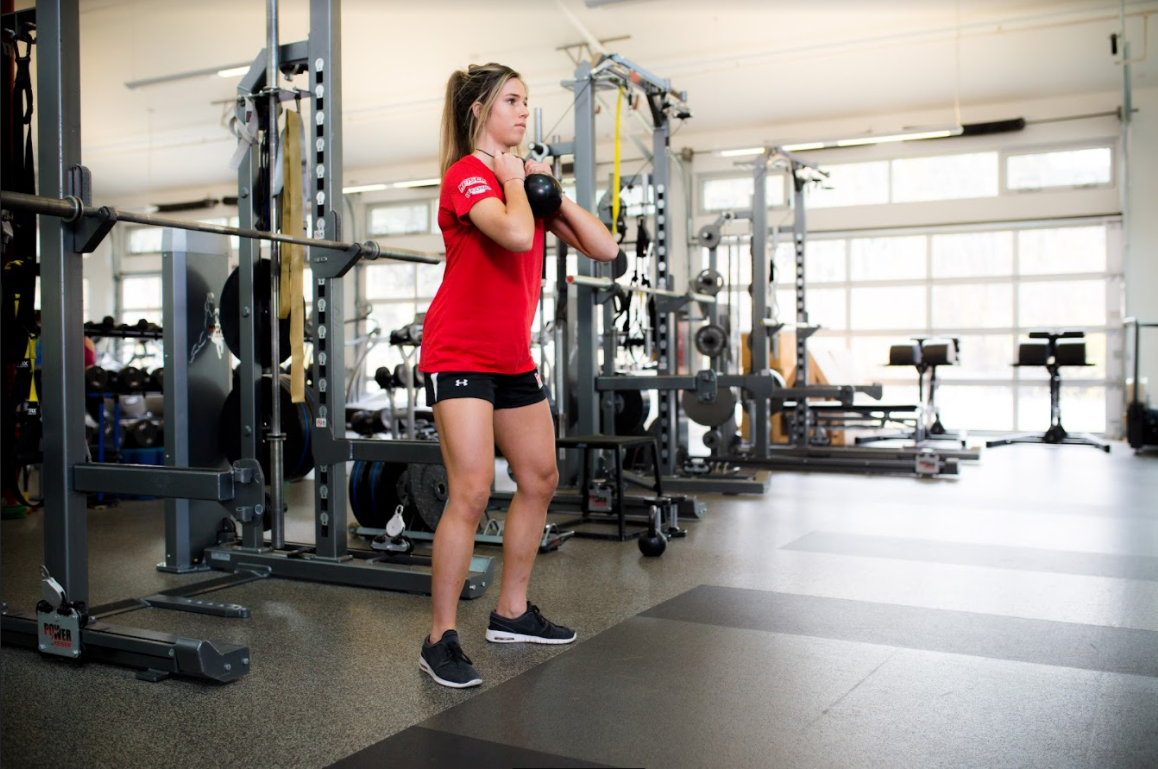
In this variation, the athlete adopts a wider-than-normal stance with the toes externally rotated. This adjustment shifts a portion of the workload to the adductor muscles (the inner thighs). For skiers, strong adductors are essential for maintaining edge control and preventing the skis from "wandering" during a turn. Furthermore, the deep depth achievable in a Goblet Squat improves hip mobility, allowing for a deeper "tuck" or more aggressive angulation in technical sections.
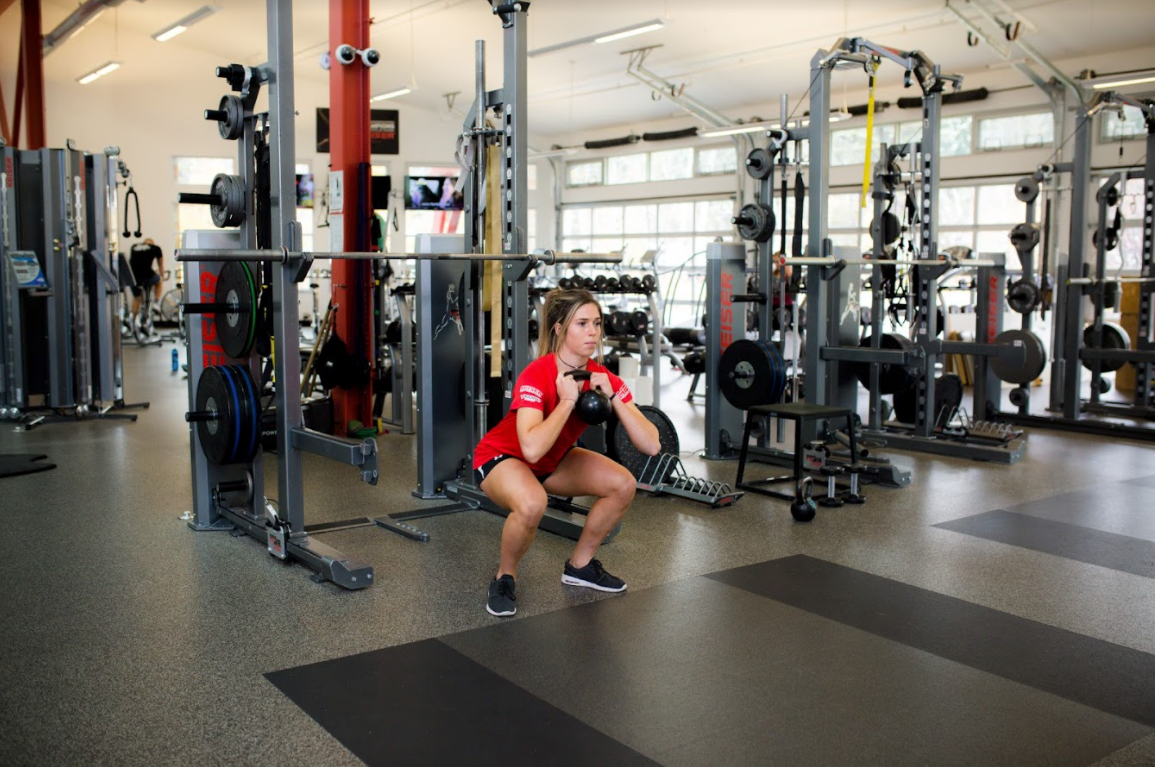
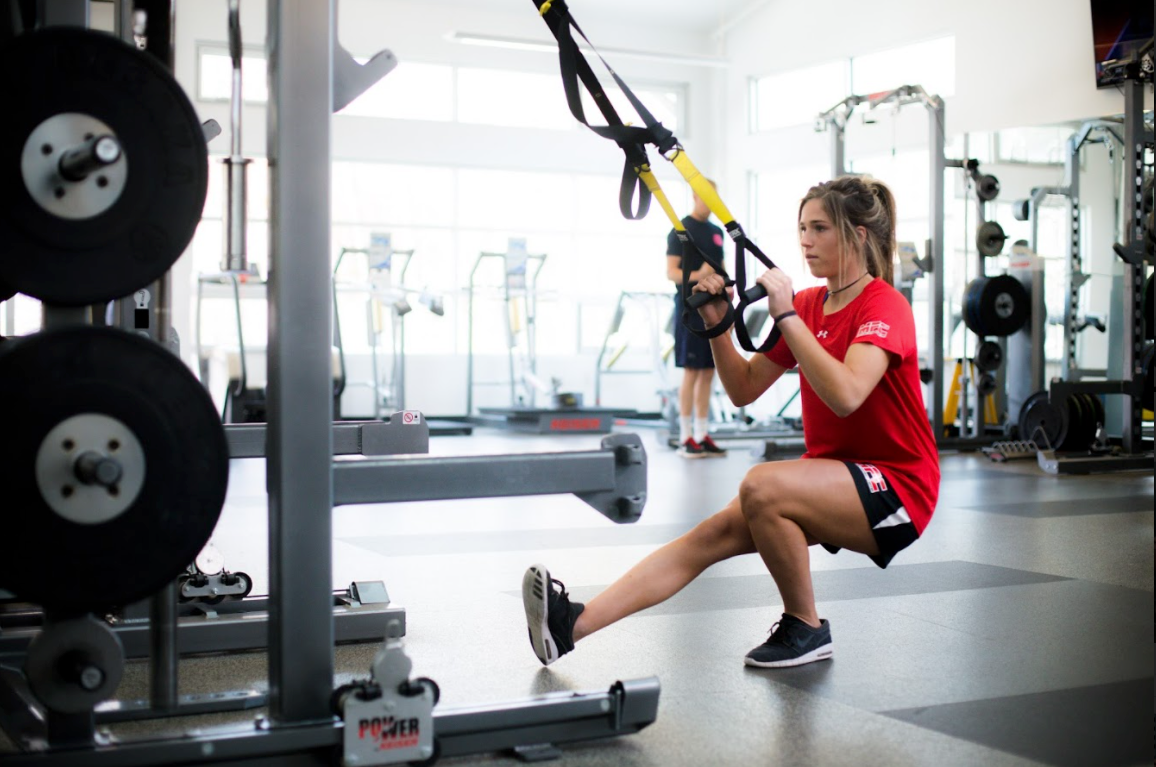
2. The TRX-Assisted Pistol Squat: Building Unilateral Stability
Skiing is rarely a perfectly symmetrical activity. Often, one leg (the downhill leg) bears the majority of the weight and pressure during a turn. Therefore, unilateral (single-leg) strength is paramount. The Pistol Squat is perhaps the most challenging single-leg movement, requiring immense strength, balance, and ankle dorsiflexion.
Utilizing a TRX suspension trainer allows the athlete to offload some of their body weight, focusing on the mechanics of the movement without being limited by immediate failure. By using the straps for balance, the skier can ensure the knee remains tracked over the middle of the foot, preventing "valgus collapse" (the knee caving inward), which is a leading cause of ligamentous injury on the slopes. As the athlete progresses, they rely less on the straps and more on the intrinsic stabilizers of the ankle and hip.
3. The Eccentric Pistol Squat: Training for Deceleration
While most athletes focus on the "concentric" phase of a lift (the way up), skiers derive more benefit from the "eccentric" phase (the way down). In skiing, the muscles are constantly working to control the descent and absorb the energy of the terrain. This is essentially negative work.
The Eccentric Pistol Squat involves a slow, controlled descent on one leg—typically lasting three to five seconds—followed by a transition to both feet to stand back up. This specific focus on the lowering phase strengthens the connective tissues and builds the type of muscular endurance required for long, sustained runs. Data from sports medicine clinics indicate that eccentric training is one of the most effective ways to prevent patellar tendonitis and other overuse injuries common in winter sports.
4. Front-Loaded Squats: Quadriceps Dominance and Postural Integrity
Whether using a barbell in the "front rack" position or holding two kettlebells at shoulder height, front-loading a squat significantly increases the demand on the quadriceps and the upper back (thoracic spine).
In traditional back squats, it is easy for an athlete to compensate for weak quads by leaning forward and using the lower back and glutes to "good morning" the weight up. The front-loaded position makes this compensation impossible; if the athlete leans too far forward, the weight falls. This forces a vertical torso and maximum quad recruitment. For a skier, this translates to better "fore-aft" balance, ensuring they stay over the center of their skis rather than falling back into the "backseat," a common error that leads to loss of control and leg fatigue.
Supporting Data and Injury Prevention Analysis
The importance of these variations is supported by injury statistics within the industry. According to data from various orthopedic associations, the knee remains the most frequently injured joint in alpine skiing, accounting for approximately 30% to 40% of all injuries. A significant portion of these occur due to muscle fatigue or a lack of eccentric control.
A study on alpine ski racers found that those who incorporated unilateral and eccentric training into their off-season routines saw a 25% reduction in non-contact ACL injuries compared to those who followed a traditional bilateral strength program. Furthermore, the inclusion of "stabilizer-heavy" movements, such as the TRX Pistol Squat, improves the firing rate of the gluteus medius, which is responsible for pelvic stability. A stable pelvis is the foundation of a quiet upper body, allowing the legs to work independently beneath the torso—a hallmark of expert skiing.
Expert Perspectives and Training Implications
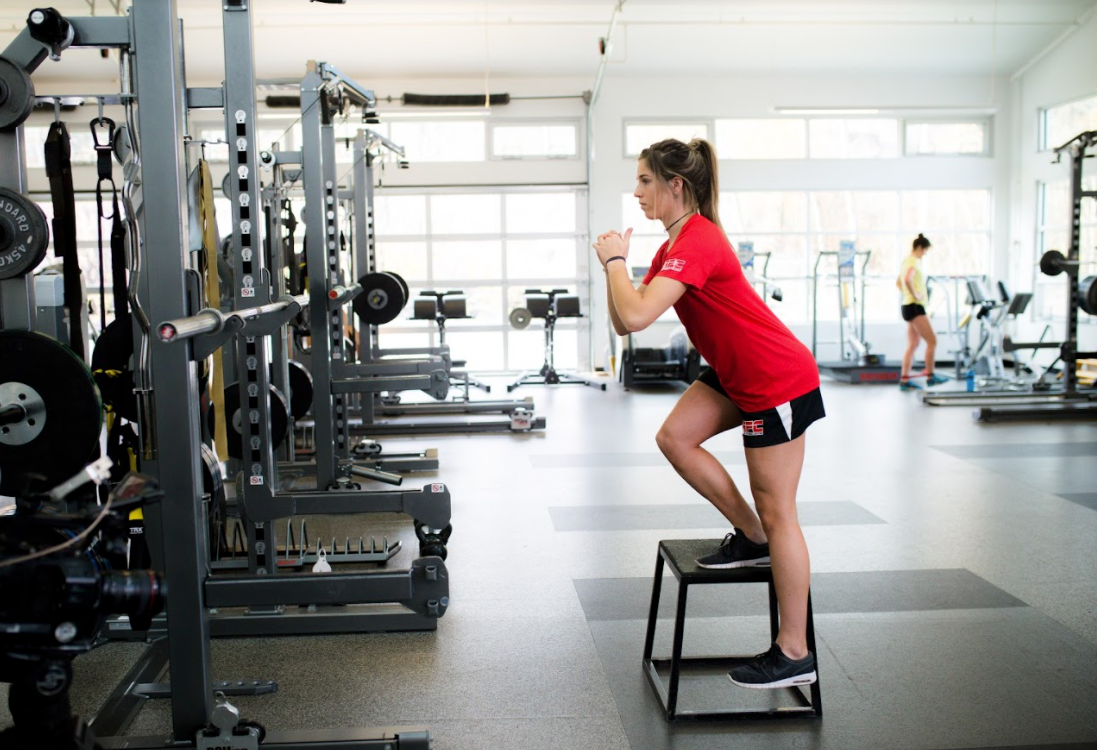
Fitness professionals within the ski industry emphasize that variety is not just about entertainment; it is about "functional carryover." Coach Tory Powers, whose photography illustrates these movements, notes that the goal of off-season training is to create an "athletic reserve." This reserve allows a skier to recover from a mistake—such as hitting an unexpected bump or catching an edge—without sustaining an injury.
"The standard squat is a great tool for building raw force," says one lead trainer at a prominent mountain performance center. "But skiing isn’t performed on a flat, stable gym floor. It’s dynamic, it’s off-balance, and it’s fast. If your training doesn’t challenge your stabilizers and your ability to work on one leg, you’re only halfway prepared for the mountain."
Broader Impact on Performance and Longevity
The implications of adopting a more varied squat routine extend beyond the immediate gains in speed or power. For the recreational skier, these exercises contribute to long-term joint health and "ski longevity." By strengthening the muscles around the joints and improving movement patterns, skiers can continue to enjoy the sport well into their later years with less chronic pain and a lower risk of catastrophic injury.
Moreover, the psychological aspect of training cannot be overlooked. The "boredom" mentioned by many athletes is often a sign of a lack of progress. By introducing new challenges like the Eccentric Pistol Squat or the Goblet Squat, athletes remain engaged with their training, leading to higher compliance rates and better overall fitness.
As the industry prepares for the 2025 season, the consensus among trainers and professional athletes is clear: the path to the podium—or simply to the end of a long day of powder turns—is paved with a diverse and rigorous approach to lower-body conditioning. By moving beyond the standard squat, skiers can ensure that their bodies are as resilient as they are powerful, ready to meet the demands of the mountain with confidence and precision.

