
The Swiss mountain resort of Zermatt, globally renowned for its car-free streets and traditional wooden chalets, is currently facing a transformative and highly controversial architectural proposal known as Lina Peak. A 260-meter-tall steel-and-glass tower, the project represents a radical departure from the aesthetic norms of the Valais Alps. While proponents argue the skyscraper is a necessary intervention to solve a crippling housing shortage for seasonal workers, critics fear the structure will become a "white elephant" that permanently disfigures the landscape and exacerbates the very economic pressures it claims to alleviate. As of April 1, 2026, the project has entered a critical phase of public discourse, with developers seeking the necessary legal clearances to move from conceptual design to active construction.
The Architectural Vision and Project Specifications
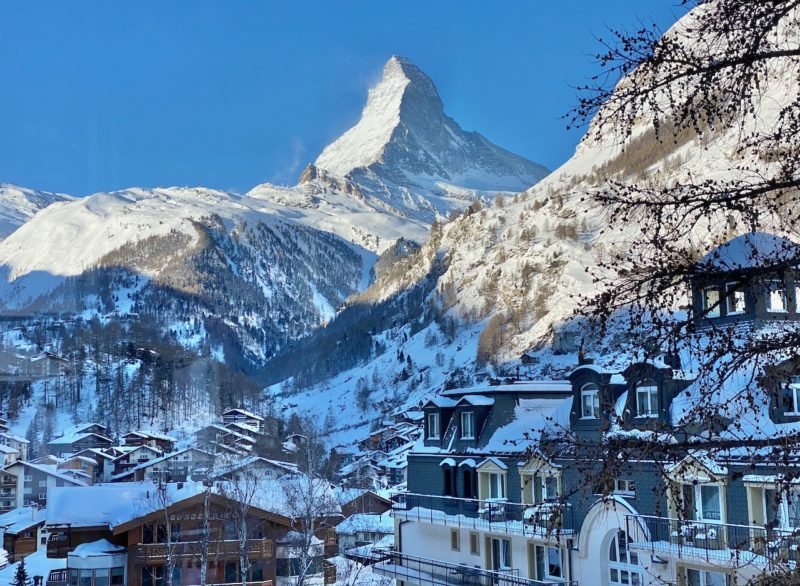
Lina Peak is designed to be a vertical city, concentrated on a remarkably small footprint of 40 meters by 40 meters. This compact base is intended to minimize the consumption of land, a precious commodity in the narrow Mattertal valley. Standing at 260 meters, the tower would dwarf every existing structure in the region, offering a stark, modern contrast to the low-rise, sun-blackened timber houses that have defined Zermatt for centuries. The design, attributed to Swiss artist and architect Heinz Julen, emphasizes transparency and light, utilizing high-performance glass to reflect the surrounding peaks and the iconic silhouette of the Matterhorn.
The internal structure of the tower is divided into distinct functional zones. The ground levels and base are intended to serve as a community hub, featuring a 2,500-seat concert hall, high-end retail outlets, multiple restaurants, a comprehensive sports center, a public swimming pool, and a daycare facility. This commercial and social core is designed to integrate the tower into the daily life of the village, providing amenities that are currently in short supply during the height of the tourist season.
Residential life in Lina Peak is split between two tiers. From the 2nd to the 32nd floor, the developer has designated space for "relatively affordable" housing. These units are specifically aimed at the permanent residents and seasonal employees who form the backbone of Zermatt’s hospitality and tourism industry. In contrast, floors 33 to 62 are reserved for luxury apartments. These premium residences will offer panoramic, unobstructed views of the Matterhorn and the surrounding 4,000-meter peaks, targeting high-net-worth international buyers. The entire structure is capped by a public rooftop terrace, accessible via high-speed elevators, providing a new vantage point for viewing the Alpine scenery.

Historical Context: Zermatt’s Growth and the Housing Paradox
To understand the intensity of the debate surrounding Lina Peak, one must look at the demographic and economic evolution of Zermatt. Once a secluded farming hamlet, the village transformed into a premier international destination following the first ascent of the Matterhorn in 1865. Today, Zermatt has a permanent population of approximately 5,800 people. However, during the peak winter and summer seasons, this number swells to over 40,000.
This massive influx of visitors creates a unique economic strain. The demand for tourist accommodation has historically pushed local workers out of the village center and into neighboring towns like Täsch or Visp, necessitating long daily commutes via the Matterhorn Gotthard Bahn. The "Lex Weber" legislation, a Swiss federal law passed in 2012, limits the construction of second homes to 20% of a municipality’s total housing stock. While this was intended to prevent "cold beds" (vacant holiday homes), it has also constrained the overall supply of new housing, driving prices to levels that are unattainable for most service-industry staff.
Lina Peak’s developers argue that verticality is the only sustainable solution. By building upward on a small footprint, they claim they can provide high-density housing without the environmental impact of urban sprawl. However, the inclusion of luxury apartments on the upper floors has led to skepticism. Critics argue that the project is a luxury real estate venture disguised as a social housing initiative, and they fear that the presence of ultra-wealthy residents will continue to inflate local costs for goods and services.
Chronology of the Project and Legal Hurdles
The journey of Lina Peak from an ambitious concept to a formal proposal has been marked by years of planning and strategic land acquisition. The developer has already secured the necessary agricultural plots located approximately 800 meters from the center of Zermatt, situated at an altitude of 1,500 meters. Despite owning the land, the project faces a complex regulatory path typical of the Swiss direct democracy system.
The first major hurdle is the re-zoning process. The land is currently designated for agricultural use, and changing its status to a residential and commercial zone requires a formal amendment to the local land-use plan. To trigger this process, the project must first secure at least 600 signatures from local residents. Once this threshold is met, the proposal will be subjected to a public referendum. In Zermatt, where the community is deeply protective of its heritage and "brand," the outcome of such a vote is far from certain.
If the referendum passes and the re-zoning is approved, the project will then enter a detailed permitting phase. Given the scale of the tower, environmental impact assessments will be rigorous, focusing on wind patterns, shadow casting, and the geological stability of the site. Construction is estimated to take between five and ten years, with a projected budget of CHF 500 million (approximately £470 million). This timeline suggests that even if approved today, Lina Peak would not be operational until the mid-2030s.
Economic and Social Implications
The financial scale of the Lina Peak project—half a billion Swiss francs—represents one of the largest single private investments in the history of the Swiss Alps. Proponents point to the potential for significant job creation during the decade-long construction phase and the long-term economic stimulus provided by the new retail and entertainment facilities. The 2,500-seat concert hall, in particular, is seen as a way to diversify Zermatt’s cultural offerings, potentially attracting world-class performers and expanding the resort’s appeal beyond skiing and mountaineering.
However, the social implications are more nuanced. The "affordable" units on the lower floors are the project’s primary selling point to the local community. For many seasonal workers, finding a bed in Zermatt often means sharing cramped, expensive quarters or living far from their place of work. If Lina Peak can truly provide high-quality, reasonably priced housing for the 1,000+ workers it could theoretically house, it would be a game-changer for the local labor market.
Conversely, the "white elephant" argument suggests that the tower could fail to integrate with the village’s economy. There are concerns that the maintenance costs of such a high-tech skyscraper at 1,500 meters altitude will be astronomical, eventually forcing the "affordable" rents to rise. Furthermore, the aesthetic impact on Zermatt’s tourism brand is a major concern. Zermatt’s appeal is rooted in its "old-world" charm; some tourism experts worry that a modern skyscraper will shatter this illusion, potentially alienating the very tourists who sustain the local economy.
Reactions from Architecture Experts and the Community
The architectural community is divided on the merits of Lina Peak. Some modernist architects see the tower as a bold statement of 21st-century Alpine living. They argue that the traditional chalet style, while aesthetic, is inefficient and that mountain resorts must evolve to survive climate change and increasing population density. By concentrating development in a single tower, they argue, the surrounding meadows and forests can be preserved.

Preservationists and heritage groups, however, are vocal in their opposition. They view the 260-meter tower as an act of architectural hubris that disrespects the scale of the mountains. They point out that the height of the tower would compete with the natural majesty of the landscape, creating a visual jarring effect that could never be undone.
Among the local population, the sentiment is a mixture of pragmatic hope and deep-seated caution. Business owners who struggle to staff their hotels and restaurants are generally more supportive, viewing the housing as a vital infrastructure project. Younger residents, who are often priced out of their own hometown, see it as a potential opportunity to stay in the valley. Meanwhile, older generations and those whose livelihoods depend on the "traditional" image of Zermatt remain largely skeptical, fearing that the village is losing its soul to global capital.
Broader Impact on Alpine Development
The Lina Peak proposal is being closely watched by other major ski resorts across Europe and North America. As mountain towns worldwide grapple with the "Aspenization" of their communities—where workers can no longer afford to live where they work—the vertical solution proposed in Zermatt could serve as a blueprint or a cautionary tale.
If Lina Peak is built and succeeds in housing workers while maintaining the resort’s luxury appeal, it could signal a shift toward high-density, vertical development in other sensitive mountain environments. If it is rejected, it will reinforce the dominance of traditional low-rise development and the continued reliance on neighboring valleys to house the workforce.
As the signature drive continues in Zermatt, the fate of Lina Peak remains in the hands of the 5,800 permanent residents. Their decision will ultimately determine whether Zermatt remains a village of chalets or becomes the home of the Alps’ first true skyscraper, forever changing the horizon of the Matterhorn.

