
At the southern reaches of the planet, a specialized team of researchers is investigating one of the most critical variables in the global climate equation: the structural integrity of Antarctica’s ice shelves. Led by Dr. Ali Banwell, a Research Scientist at the University of Colorado Boulder and Professor of Glaciology at Northumbria University, the expedition recently concluded a rigorous field season on the McMurdo Ice Shelf. As a member of the Protect Our Winters (POW) Science Alliance, Dr. Banwell’s work focuses on the "rumples" and fractures of the ice—features that may dictate the rate of global sea-level rise for centuries to come.
The mission, funded by the National Science Foundation (NSF), seeks to determine how these floating extensions of the Antarctic Ice Sheet respond to physical stress and atmospheric warming. Ice shelves serve as a critical "buttress," acting as a physical barrier that slows the flow of land-based glacial ice into the Southern Ocean. Should these shelves fail, the resulting acceleration of land ice into the sea would have catastrophic consequences for coastal geography worldwide.
The Buttressing Effect and the 190-Foot Contingency
To grasp the magnitude of Antarctic research, one must consider the sheer volume of water locked in the continent’s frozen interior. Glaciologists estimate that if the entire Antarctic Ice Sheet were to melt, global sea levels would rise by approximately 190 feet (58 meters). While such a total collapse is not projected in the immediate future, the mechanisms that trigger large-scale instability are currently active.
Ice shelves ring approximately 75% of the Antarctic coastline. These floating platforms do not contribute to sea-level rise when they melt—much like an ice cube already floating in a glass of water—but their structural role is indispensable. They provide "back-pressure" against the massive glaciers on the continent. Dr. Banwell notes that without these shelves, the land-based ice would flow more rapidly into the ocean, directly contributing to the volume of the world’s seas.
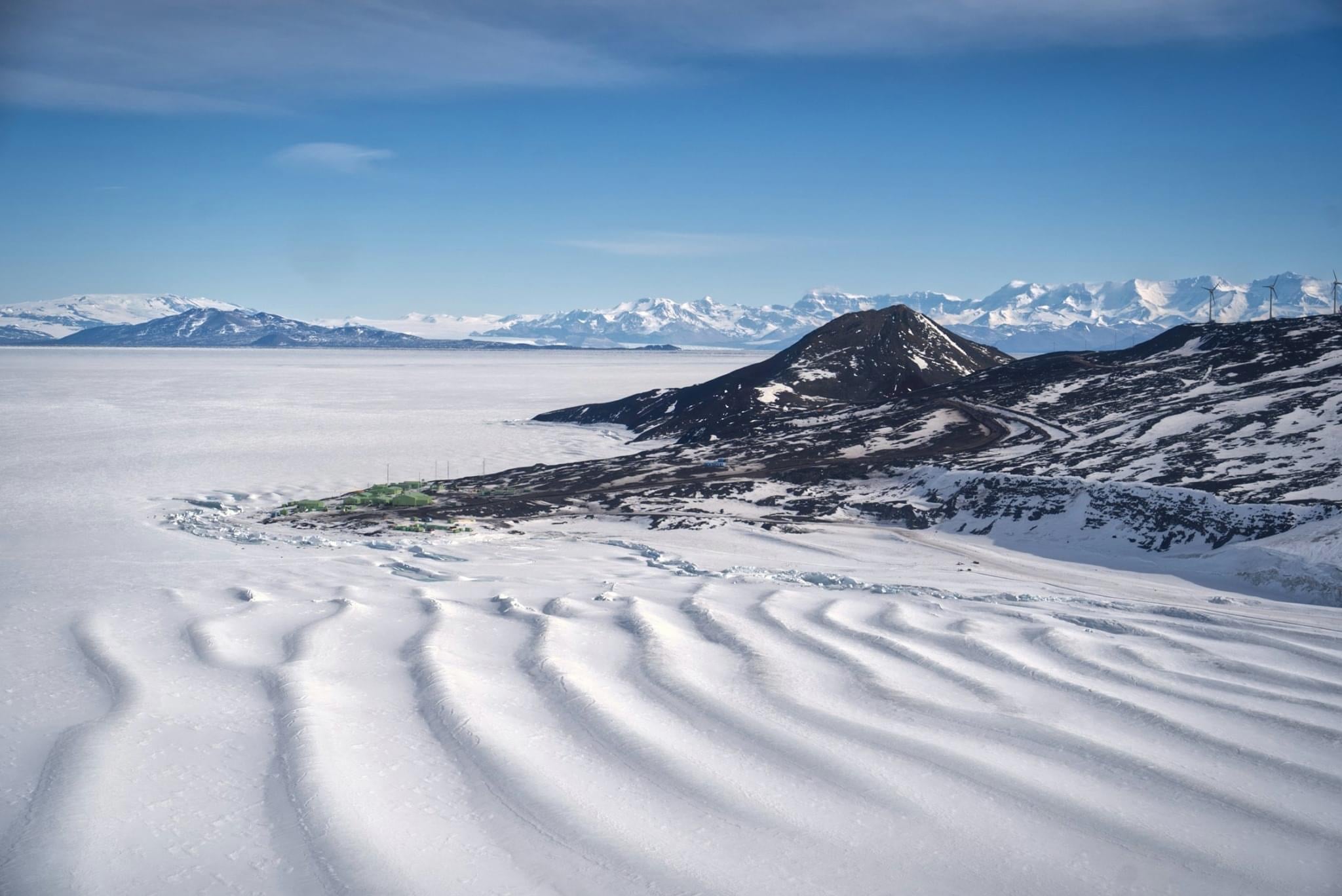
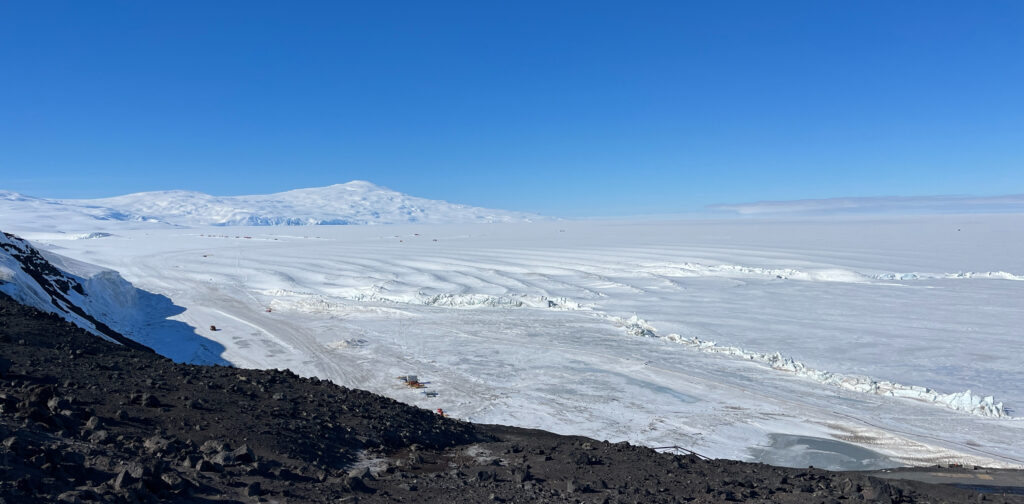
The McMurdo Ice Shelf, located near the United States’ McMurdo Station on Ross Island, presents a unique case study. Unlike most ice shelves that flow unimpeded toward open water, sections of the McMurdo shelf are being compressed against landmasses. This pressure causes the ice to buckle and "crumple," creating wave-like ridges known as ice shelf rumples. The central objective of Dr. Banwell’s research is to determine whether these rumples act as structural anchors that strengthen the shelf or as points of fracture that increase its vulnerability to collapse.
Chronology of the Six-Week Expedition
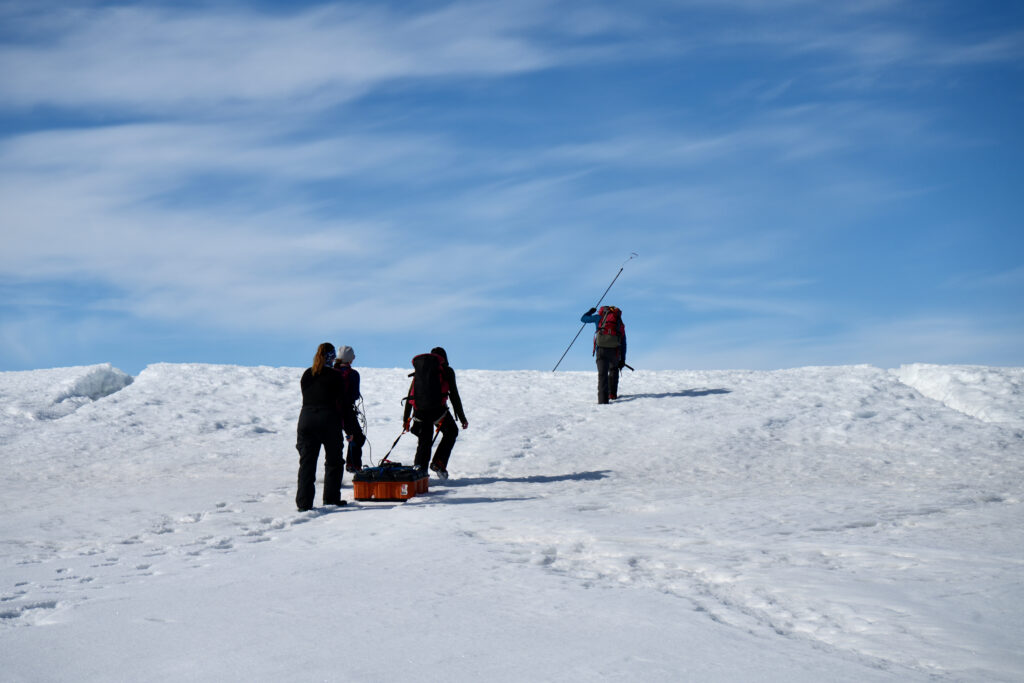
The field season spanned six weeks of intensive data collection during the Antarctic summer, a period characterized by 24-hour daylight and extreme environmental volatility. Dr. Banwell led a team of four, including Co-Principal Investigator Ryan Cassotto of the University of Colorado Boulder and the University of Maine, and PhD students Michela Savignano and Allie Berry.
The team’s daily operations involved commuting from the research station to the rumple zone via snowmobile. This landscape, described as "otherworldly," required the team to navigate complex crevasse fields and uneven terrain. The expedition was marked by several distinct phases:
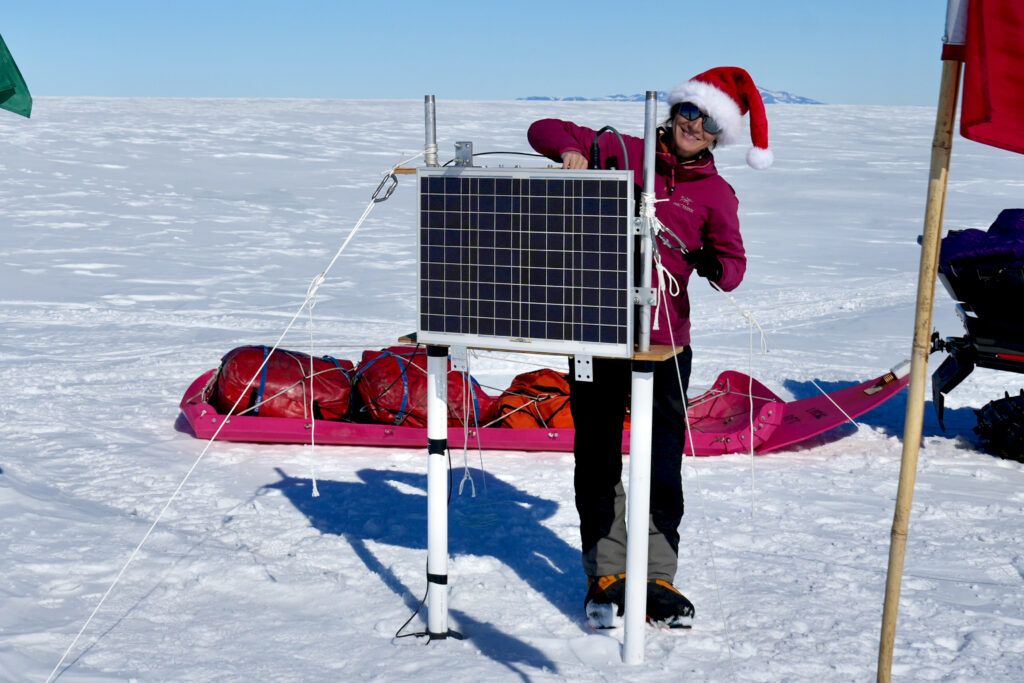
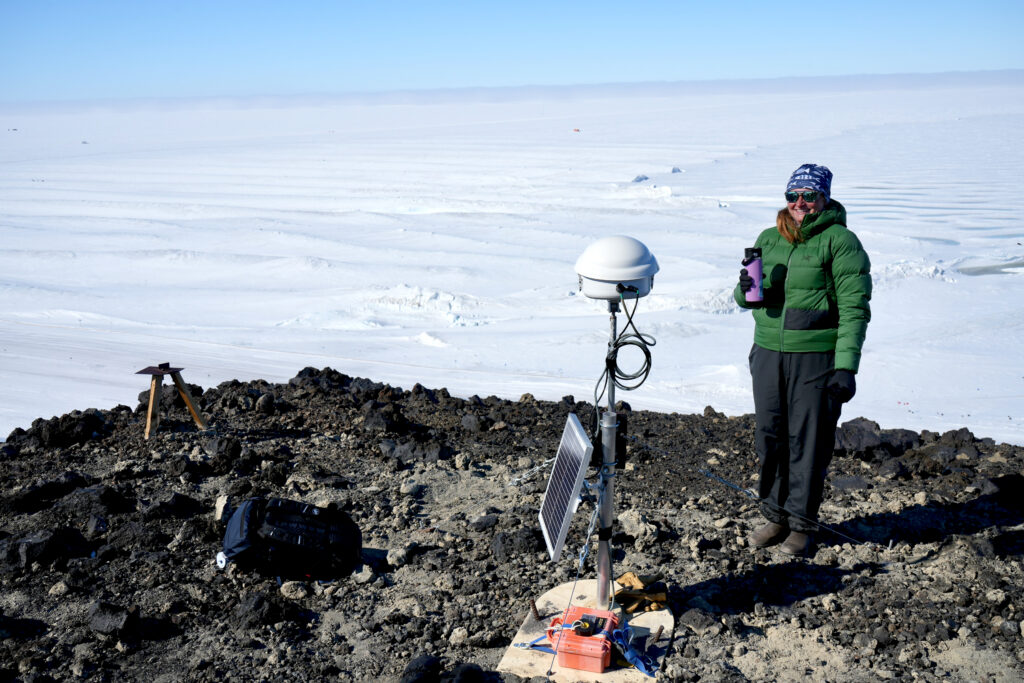
- Instrument Deployment: During the initial weeks, the team installed a high-density network of monitoring equipment. This included seismometers designed to detect the "micro-quakes" caused by ice cracking, and GPS units capable of measuring horizontal and vertical movement with centimeter-level precision.
- Sub-Surface Mapping: Using advanced radar systems, the researchers mapped the internal deformation of the ice and measured its thickness. This data provides a three-dimensional view of how the rumples are formed and how the ice is buckling under pressure.
- Atmospheric Integration: Weather stations were erected to correlate ice movement with local temperature fluctuations, wind speeds, and solar radiation.
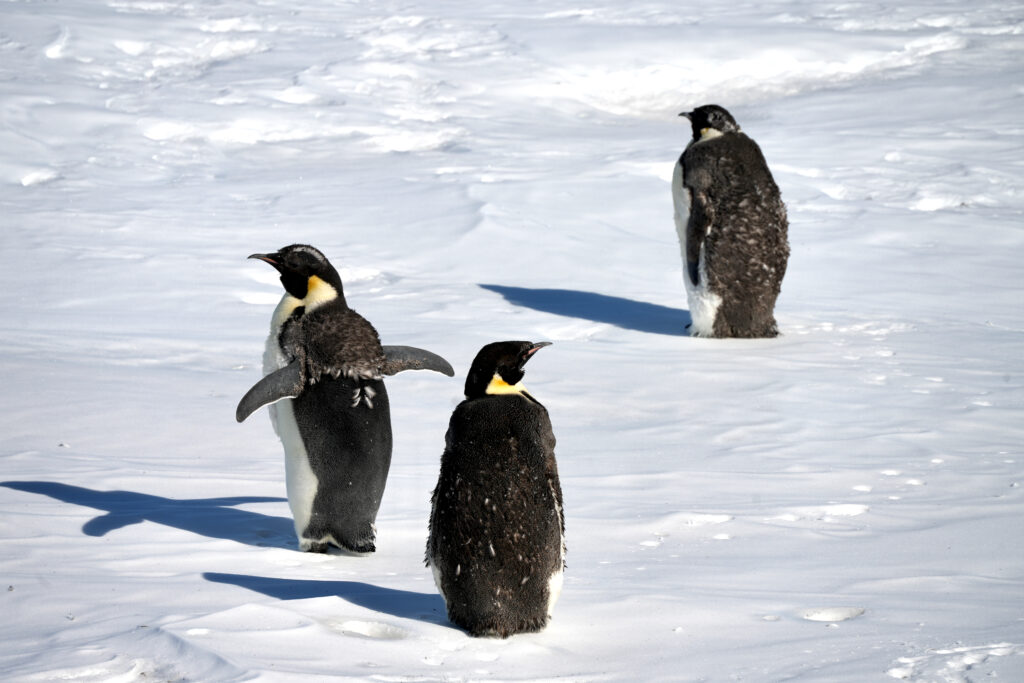
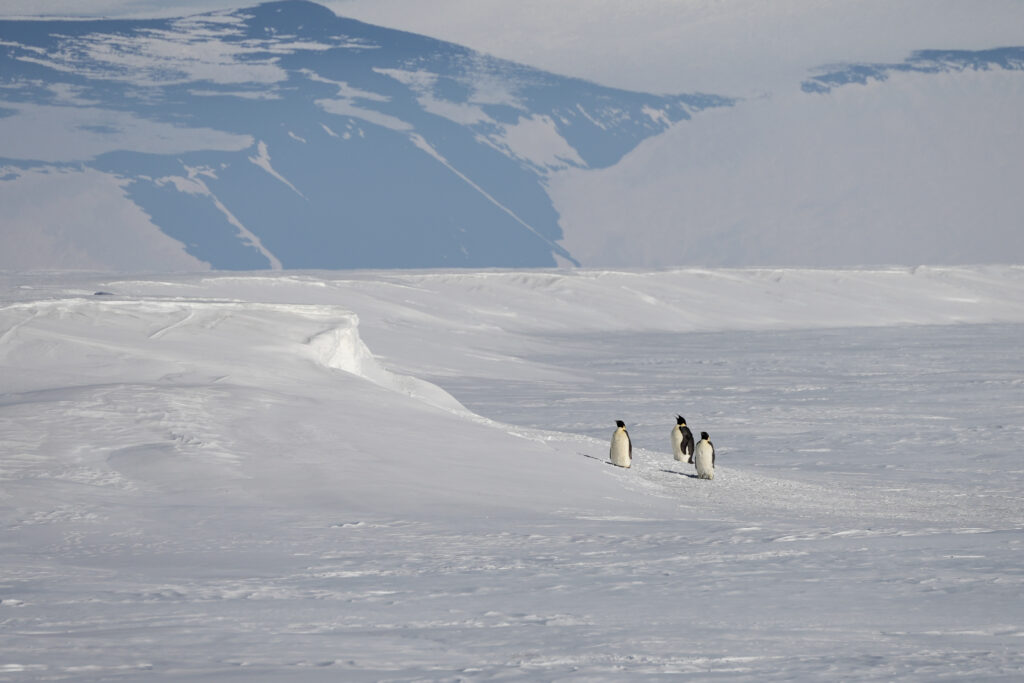
- Biological Observation: While the focus remained on glaciology, the team shared their field site with three emperor penguins undergoing their annual molt. These observations provided a rare, close-up view of the local fauna, which are also dependent on the stability of the ice for their survival.
Unexpected Environmental Findings
The most recent field season yielded observations that have heightened the urgency of the study. Dr. Banwell reported that this was the warmest of the seven summers she has spent working in Antarctica. The elevated temperatures led to an earlier-than-expected snowmelt, which stripped away the "bridge" of snow that often hides dangerous crevasses.
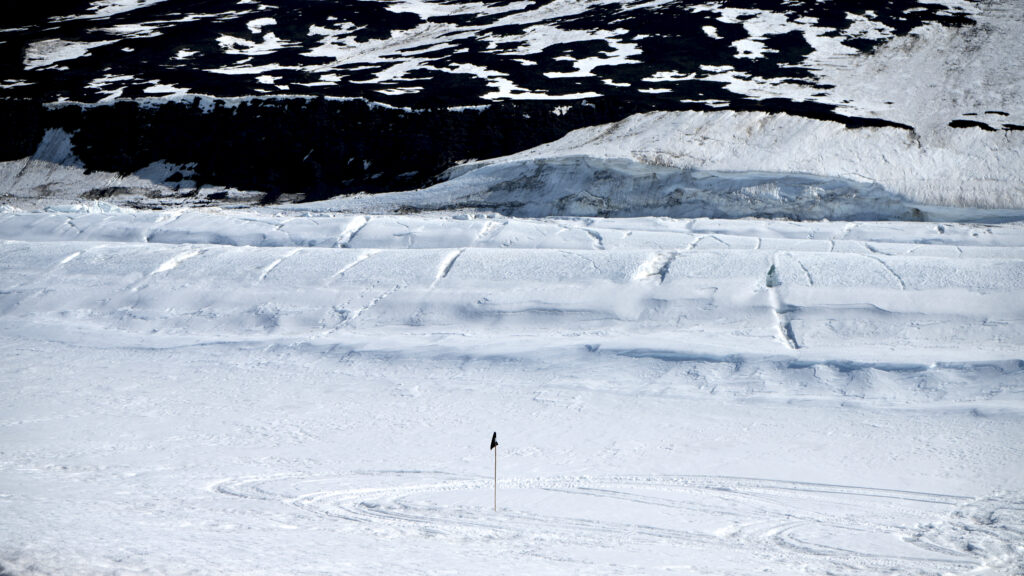
"The glacier ice was moving faster than we had expected, on average, about one to two feet per day," Dr. Banwell observed. While a movement of 24 inches in a day may seem negligible in a terrestrial context, in glaciology, it represents a highly dynamic and potentially unstable system. The increased heat also exposed a far more fractured surface than previous satellite imagery had suggested, requiring the team to rely heavily on their mountaineering and safety training to navigate the "fracture zones."
The discovery of these fractures is significant because of a process known as hydrofracturing. When surface meltwater pools in existing cracks, the weight of the water can force the cracks to deepen and widen, eventually leading to the rapid disintegration of the ice shelf. This process was famously responsible for the collapse of the Larsen B Ice Shelf in 2002, which saw 1,250 square miles of ice disappear in just over a month.
Technical Analysis of Data Collection
The instruments left behind by the team are currently operating in "autonomous mode" throughout the dark Antarctic winter. This period is crucial because it provides data on how the ice behaves in the absence of solar heating and during the most extreme cold cycles on Earth.
- Seismology: By recording the frequency and intensity of ice-quakes, scientists can determine if the rumples are actively fracturing or if they are successfully absorbing the pressure of the flowing glacier.
- Time-Lapse Photography: Cameras positioned by the team take high-resolution images every 30 minutes. This creates a visual record of surface changes, including the formation of meltwater ponds or the widening of crevasses, which can then be cross-referenced with the seismic data.
- GPS Tracking: Continuous GPS data allows researchers to see if the ice flow fluctuates based on tidal cycles or atmospheric pressure changes.
When the team returns in the next field season to retrieve these instruments, they will possess a comprehensive dataset that bridges the gap between localized field observations and broad-scale satellite data. This "ground-truthing" is essential for refining the computer models that climate scientists use to predict future sea-level rise.
Broader Impact and Global Sea-Level Implications
The research conducted on the McMurdo Ice Shelf has implications that extend far beyond the Antarctic circle. Current scientific consensus, supported by the Intergovernmental Panel on Climate Change (IPCC), projects a global sea-level rise of one to three feet by the end of the 21st century. However, these projections are subject to significant uncertainty regarding the "tipping points" of Antarctic ice shelves.
If ice shelves like McMurdo or the much larger Ross Ice Shelf were to destabilize, the rate of sea-level rise could accelerate beyond current estimates. A rise of just two feet would be enough to displace tens of millions of people in low-lying regions such as southern Florida, the Netherlands, Bangladesh, and various Pacific island nations. In urban centers like New York City or Shanghai, such a rise would necessitate billions of dollars in infrastructure investment to prevent chronic flooding.
The "one to two feet per day" of ice movement observed by Dr. Banwell’s team serves as a microcosm of the larger Antarctic system. These small, incremental changes accumulate into global shifts. The urgency of the research is underscored by the fact that the Antarctic Peninsula and West Antarctica are among the fastest-warming regions on the planet.
Conclusion: The Path Forward for Glacial Research
The work of Dr. Banwell, Michela Savignano, Allie Berry, and Ryan Cassotto represents a vital front in climate science. By "listening" to the ice through seismometers and tracking its minute shifts through GPS, these scientists are providing the empirical evidence needed to understand the mechanics of polar collapse.
As global temperatures continue to rise due to greenhouse gas emissions, the melting at Antarctica’s edges is expected to intensify. The data collected during this warmest-on-record summer will be instrumental in determining how much time remains before these "last lines of defense" reach their breaking point. For the researchers, the mission is a race against time to translate the silent movements of the ice into a clear warning for the rest of the world. The next phase of the project will involve the retrieval of the winter data, which promises to offer the most detailed look yet at the structural health of the McMurdo Ice Shelf and, by extension, the future of the world’s coastlines.

