
The scientific community has reached a critical juncture in understanding the Arctic’s role in global climate regulation, as researchers from the Protect Our Winters (POW) Science Alliance recently completed a high-stakes installation of monitoring equipment on Alaska’s North Slope. Led by Dr. Kelly Gleason, an assistant professor of eco-hydro-climatology at Portland State University, and Dr. Jenny Watts, an ecologist and carbon flux expert from the Woodwell Climate Research Center, the team successfully deployed a specialized flux tower at a permafrost thaw slump near the Toolik Field Station. This installation represents a pioneering effort to quantify methane and carbon dioxide emissions from rapidly collapsing permafrost, a phenomenon that remains largely underrepresented in current global climate models.
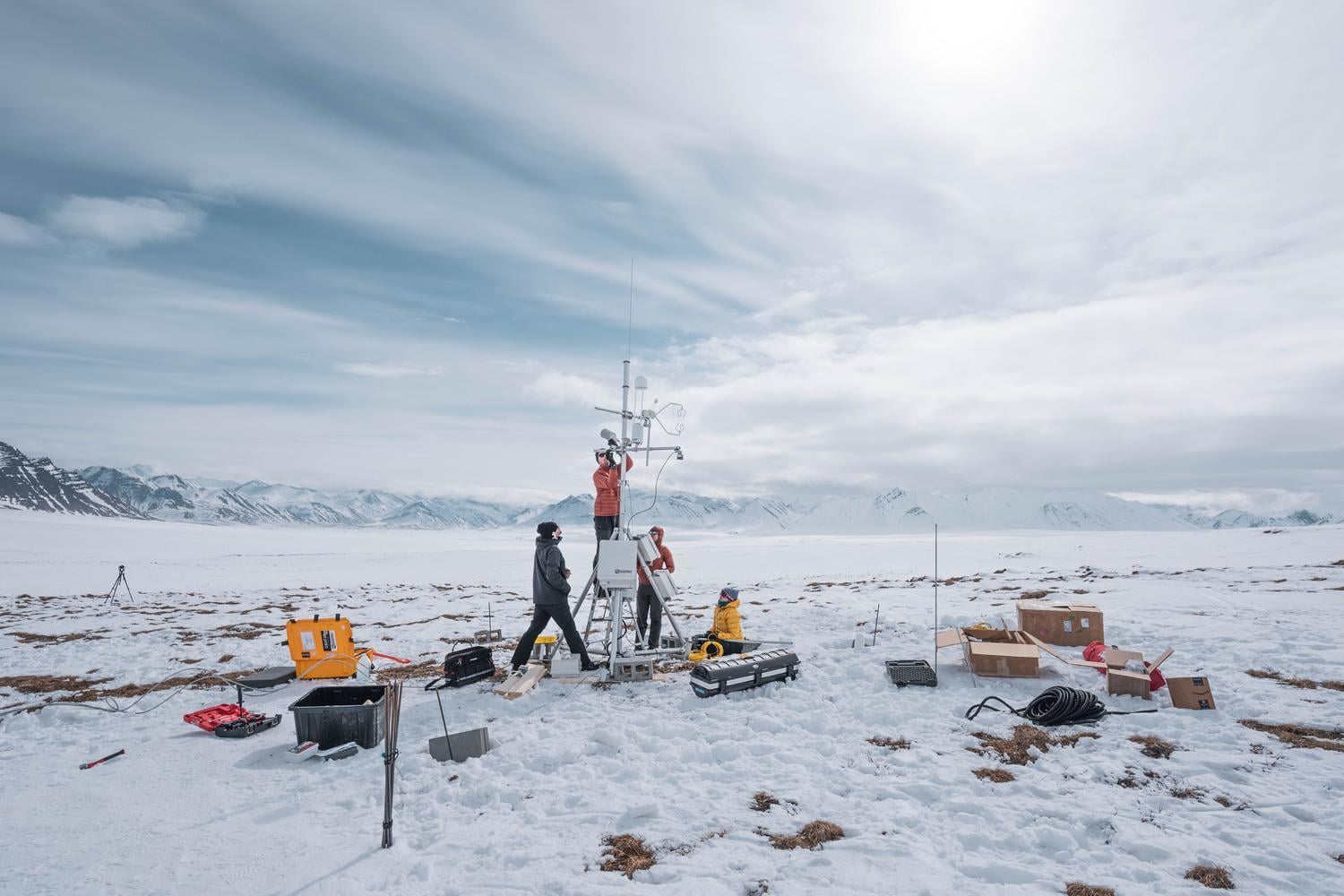
The mission, conducted under frigid conditions typical of the Brooks Range foothills, aimed to address a significant gap in Arctic observation. While general tundra emissions are monitored in various locations, the specific "thaw slumps"—areas where ice-rich permafrost melts and causes the ground to collapse into steep, eroding craters—act as high-intensity hotspots for greenhouse gas release. By measuring these emissions in real-time, the team hopes to provide the empirical data necessary to refine predictions of the "Arctic carbon bomb," a feedback loop where thawing soil releases gases that further accelerate global warming.
The Toolik Field Station Expedition: Logistics and Methodology
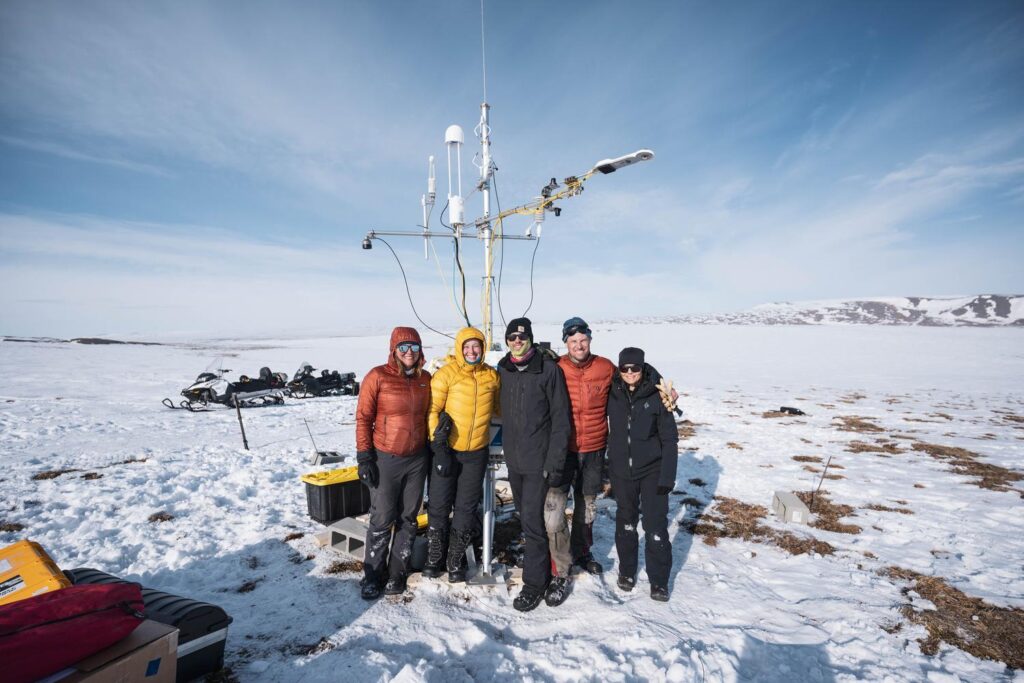
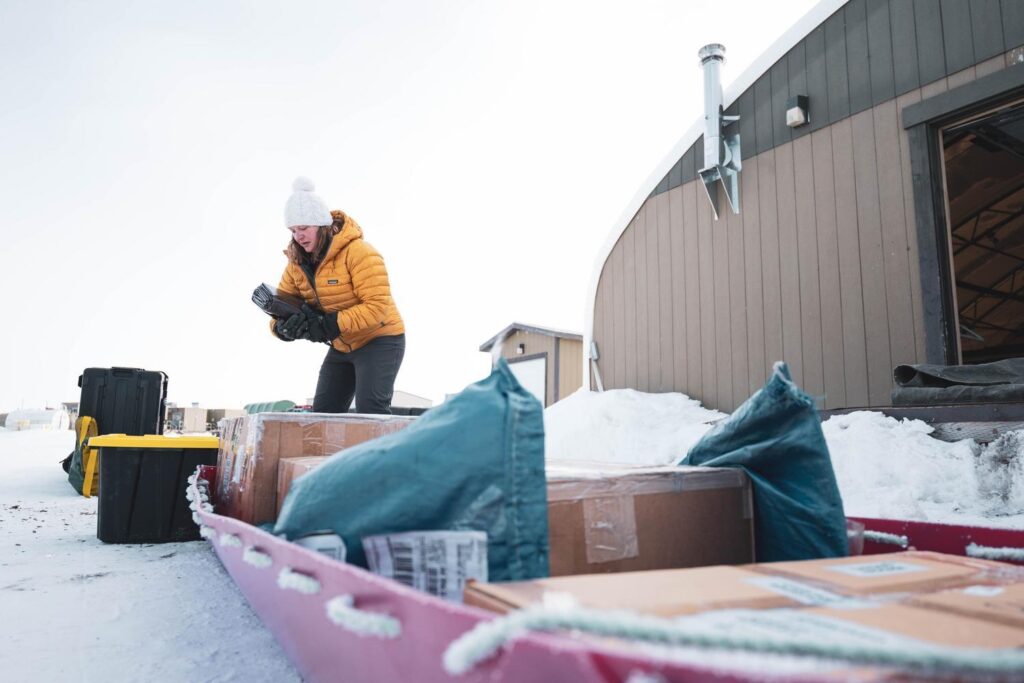
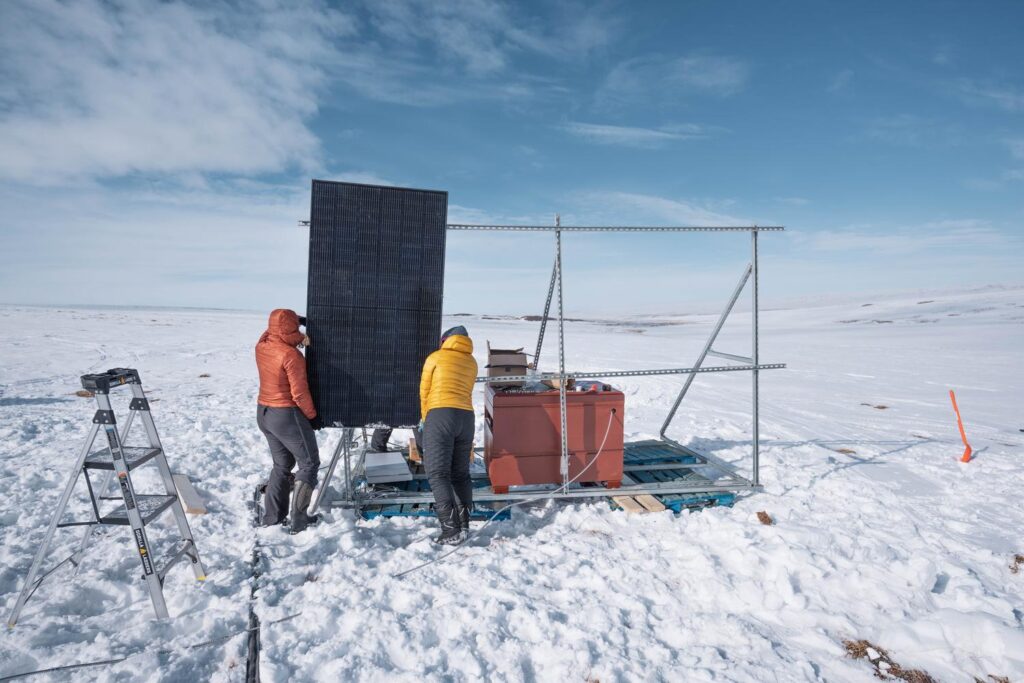
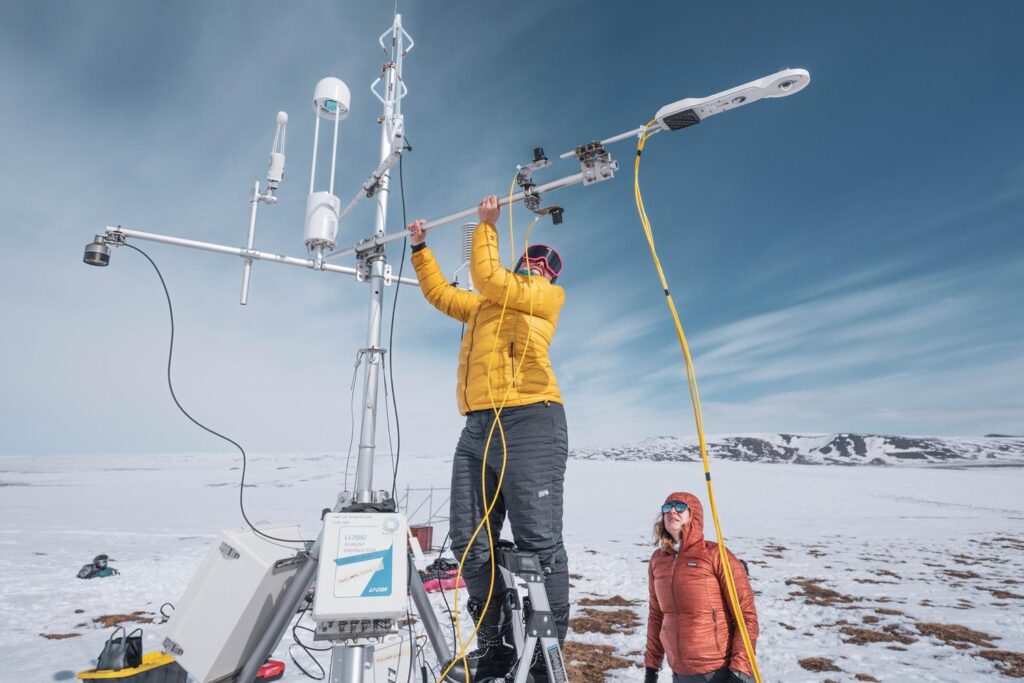
The deployment at Toolik Field Station involved a multi-disciplinary team, including researchers Kyle, Christina, and Kai, who managed the logistical challenge of transporting heavy industrial equipment across the tundra. The primary objective was the assembly of a 15-foot-tall aluminum flux tower. This structure is engineered to withstand extreme Arctic winds and sub-zero temperatures while housing sensitive instruments designed to detect "invisible" gas fluxes.
The equipment load was substantial, reflecting the rigors of long-term remote sensing. The team hauled a 15-foot frame equipped with side arms and guy-lines for stability, secured by cement anchors and steel spikes driven into the frozen earth. Powering the station required eight deep-cell batteries, each weighing over 100 pounds, supplemented by four large solar panels to maintain operation during the brief periods of Arctic sunlight. At the heart of the tower is a massive electrical enclosure containing high-precision gas analyzers and data loggers. These sensors utilize infrared technology to measure the concentration of methane (CH4) and carbon dioxide (CO2) in the air as it moves across the slump, allowing scientists to calculate the net exchange of gases between the earth and the atmosphere.
Understanding the Mechanics of Permafrost Thaw Slumps
Permafrost is defined as ground that remains frozen for at least two consecutive years. In the Arctic, much of this soil has been frozen for millennia, trapping vast quantities of ancient organic matter. As the Arctic warms—at a rate nearly four times faster than the global average—this "permanent" frost is beginning to fail.
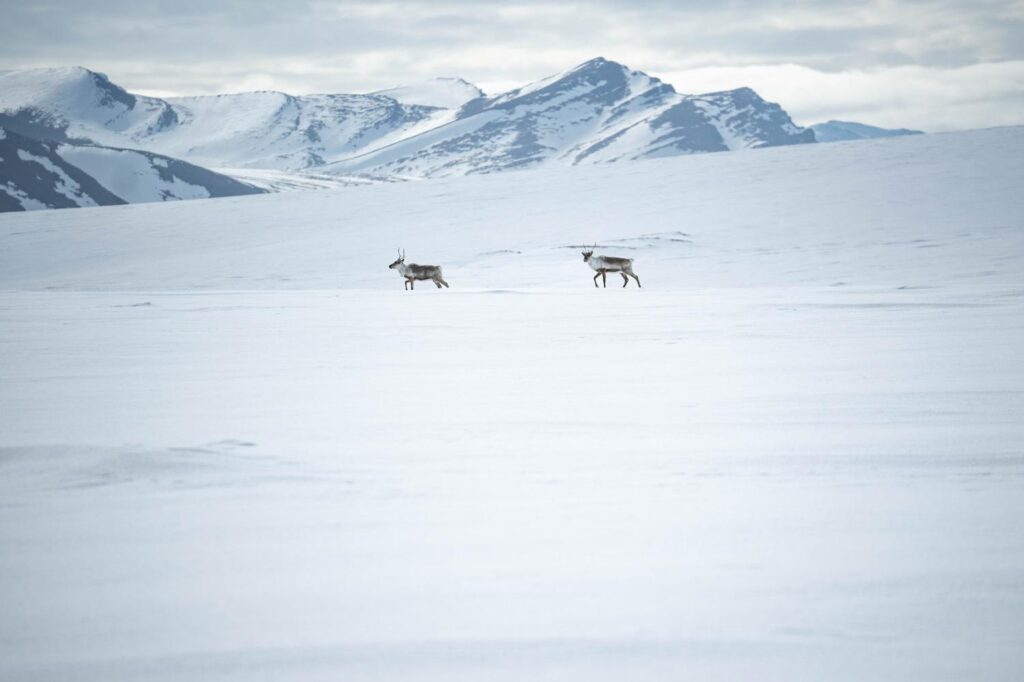
A thaw slump is a particularly dramatic form of thermokarst, a process where the melting of ground ice results in land subsidence. When a slump occurs, it exposes deep layers of organic-rich soil that have been sequestered from the atmosphere for thousands of years. Once exposed to oxygen and warmer temperatures, microbes begin to decompose this organic matter. If the environment is oxygen-rich (aerobic), the microbes release carbon dioxide. If the environment is waterlogged and oxygen-poor (anaerobic), they release methane, a greenhouse gas with a warming potential over 80 times greater than CO2 over a 20-year period.
The flux tower at Toolik is the first in the region specifically positioned to monitor a thaw slump. Current global climate models often treat the Arctic as a uniform surface, failing to account for these localized but intense emission points. Preliminary observations suggest that thaw slumps can emit significantly higher quantities of greenhouse gases than the surrounding stable tundra, making their inclusion in climate projections vital for accuracy.
The Insulation Paradox: Dr. Gleason’s Snow Research
A secondary but equally critical component of the expedition involved Dr. Kelly Gleason’s specialized research into snow hydrology and albedo. While snow is traditionally viewed as a cooling agent due to its high reflectivity (albedo), which bounces solar radiation back into space, its role in the Arctic is multifaceted and, in some cases, counter-intuitive.
Dr. Gleason’s field observations focused on the insulating properties of the Arctic snowpack. In the western United States, snow is primarily managed as a water resource, measured by its snow-water equivalent (SWE). In the Arctic, however, the physical structure and depth of the snow dictate the thermal stability of the permafrost beneath it.
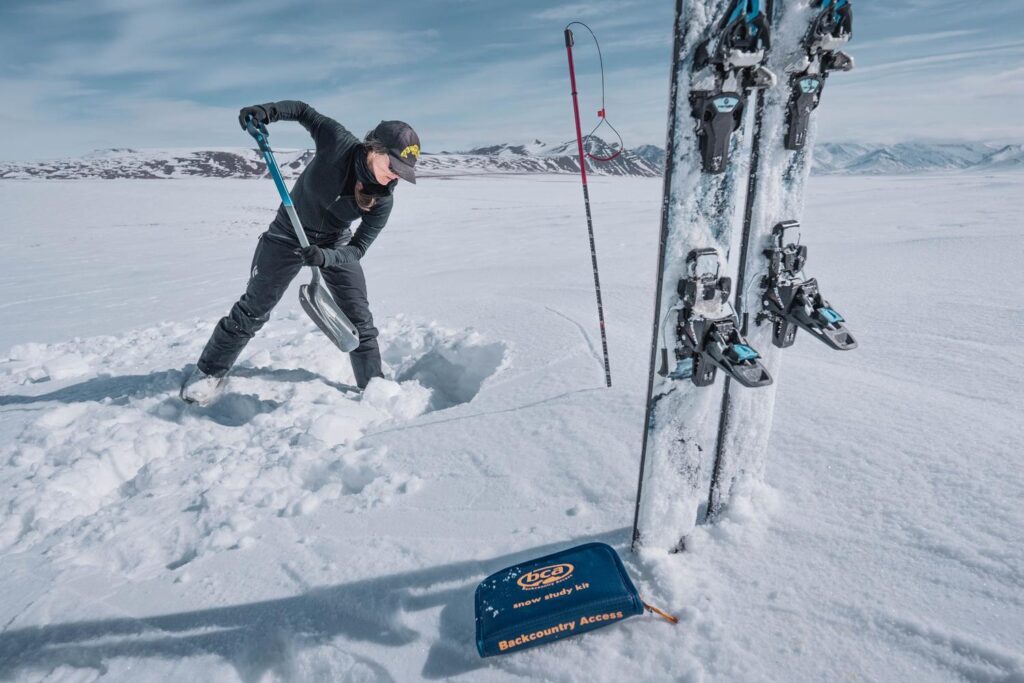
During the expedition, Dr. Gleason performed comparative analyses by digging snow pits in areas of varying accumulation. Her findings highlighted a stark thermal gradient:
- Deep Snowpacks: In drifts measuring approximately two meters deep, the snow acted as a heavy thermal blanket. While the surface temperature was -3°C, the temperature at the base of the pack, near the soil interface, was also approximately -3°C. This is significantly warmer than the ambient winter air, creating a "warm" microclimate that prevents the permafrost from shedding heat during the winter.
- Shallow Snowpacks: In contrast, a shallow snowpack of 57 cm allowed for more efficient heat exchange. The temperature at the base of this pack dropped to -10°C. This colder temperature encourages the formation of "faceted depth hoar," large crystals that indicate a strong upward movement of water vapor and a loss of ground heat.
The implications of this "insulation paradox" are profound. As climate change leads to increased atmospheric moisture, some parts of the Arctic are experiencing heavier snowfall. While more snow might increase albedo in the spring, it simultaneously insulates the ground in the winter, preventing the permafrost from re-freezing deeply. This internal warming may accelerate the very thawing processes that the flux tower is designed to measure, creating a hidden feedback loop beneath the snow’s surface.
The POW Science Alliance and the Shift Toward Advocacy
The Toolik expedition also underscores a growing trend within the scientific community: the move from objective observation to active advocacy. Both Dr. Gleason and Dr. Watts are members of the Protect Our Winters (POW) Science Alliance, a collective of climate scientists who partner with professional athletes and outdoor industry leaders to influence environmental policy.
The presence of the Science Alliance at Toolik represents a strategic effort to bridge the gap between complex data and public understanding. "Protecting the Arctic starts with understanding it," Dr. Gleason noted regarding the mission. "But science alone isn’t enough. We need to turn data into stories and research into responsibility."
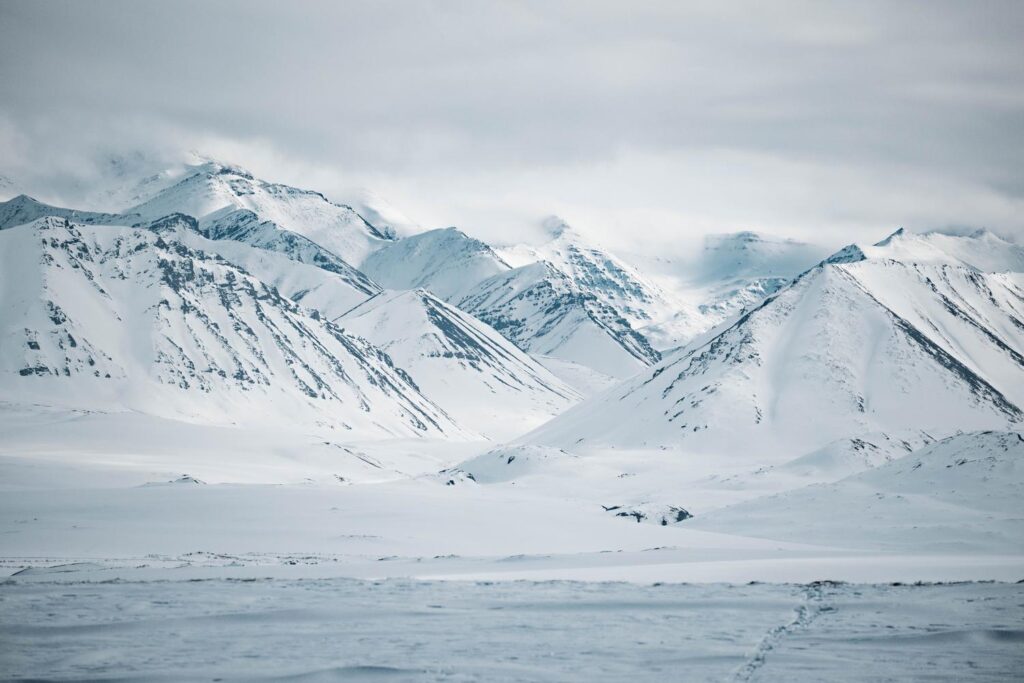
This approach has garnered support from various stakeholders in the climate policy arena. By humanizing the research process and highlighting the "magic and fragility" of the Arctic landscape, the Science Alliance aims to mobilize the outdoor community—a demographic with significant economic and political influence—to support legislation that reduces carbon emissions and protects vulnerable ecosystems.
Broader Impacts and Global Climate Implications
The data collected by the new flux tower at Toolik will be integrated into larger datasets managed by the Woodwell Climate Research Center and shared with the international scientific community. The broader impact of this research lies in its potential to recalibrate global carbon budgets.
Current estimates of permafrost carbon stocks suggest they contain roughly 1,500 billion tons of carbon—nearly twice the amount currently in the Earth’s atmosphere. If even a small percentage of this carbon is released via thaw slumps and other thermokarst features, it could negate many of the carbon reduction efforts currently being implemented globally.
Furthermore, the research at Toolik provides a "ground-truthing" mechanism for satellite observations. While satellites can detect the physical expansion of thaw slumps from space, they cannot measure the specific gas concentrations being emitted. The flux tower provides the high-resolution, localized data needed to validate and improve remote sensing technologies.
Conclusion and Future Outlook
As the team departed Toolik Field Station, the flux tower remained as a silent sentinel on the North Slope, powered by the sun and tasked with measuring the invisible transformation of the Arctic. The mission serves as a reminder that the Arctic is not a remote, isolated wilderness, but a dynamic engine of the global climate system.
The findings of Dr. Gleason and Dr. Watts emphasize that the Arctic is in a state of flux, driven by complex interactions between snow depth, ground temperature, and atmospheric gas exchange. As thaw slumps continue to proliferate across the tundra, the need for localized monitoring becomes increasingly urgent. The combination of rigorous field science and proactive advocacy represented by the POW Science Alliance offers a new model for addressing the climate crisis—one where the pursuit of knowledge is directly linked to the pursuit of policy change.
For the scientific community, the goal remains clear: to document the changes occurring in the north with such precision and urgency that the global community has no choice but to act. The fate of the permafrost, hidden beneath the glittering hoarfrost of the North Slope, is ultimately tied to the fate of the planet at large.

