
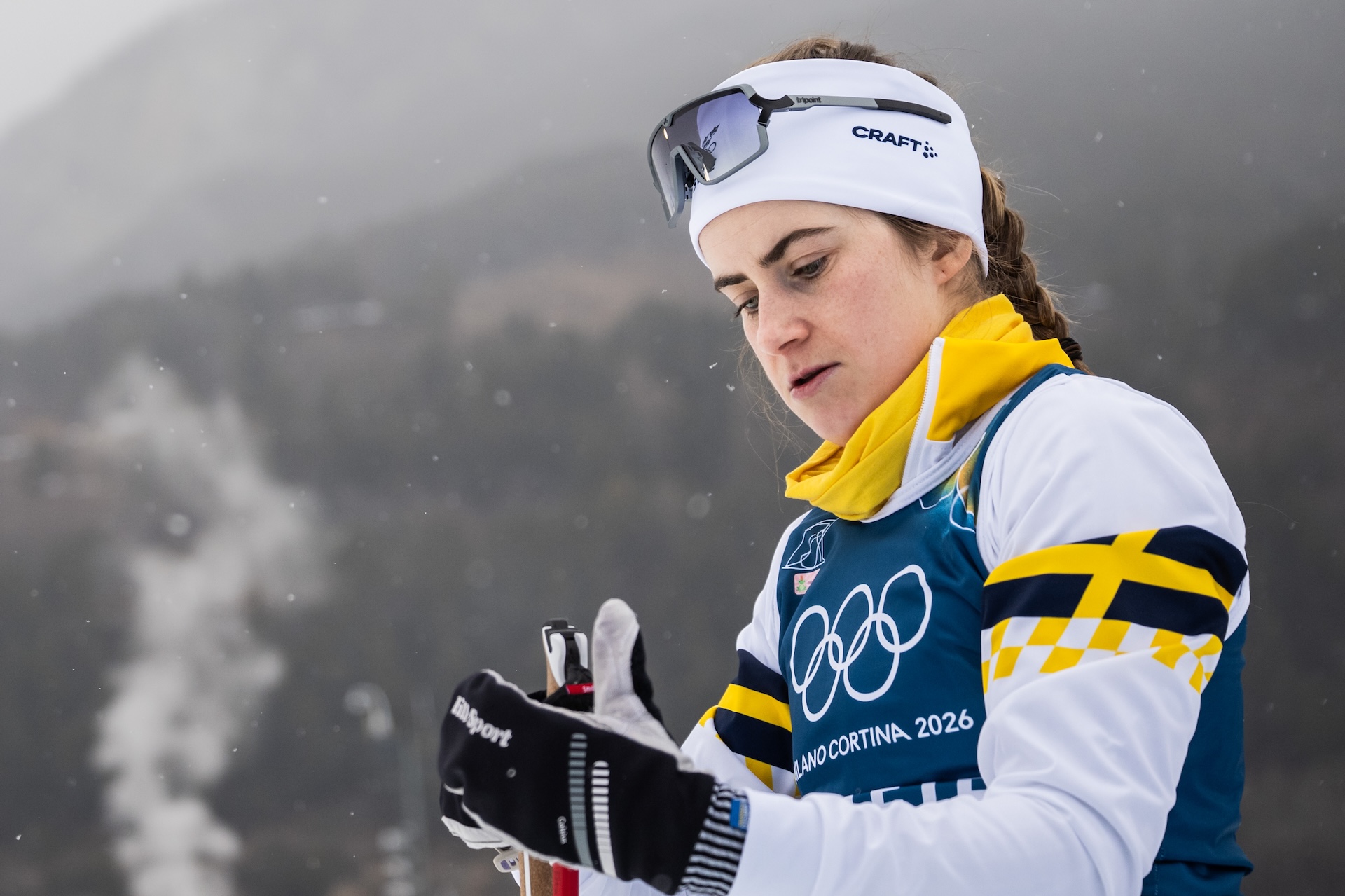
Swedish cross-country skiing luminary Ebba Andersson, fresh off her Olympic gold medal in the 50-kilometer race, has once again ignited a conversation about the future of long-distance skiing. Andersson, who has strategically prioritized Ski Classics events over World Cup circuits in recent seasons, including immediately after her Olympic triumph, is now a prominent voice advocating for a blurred line between the traditional World Cup format and the burgeoning Ski Classics series. Her call for a more unified approach to the sport has found an echo in the sentiments of rising Swedish star Alvar Myhlback, though the path forward for such integration remains complex and requires broader institutional support.
Andersson’s recent participation and success in Ski Classics events, particularly after her Olympic victory, have not been without controversy. Her decision to forgo the World Cup in Lahti in favor of a 50-kilometer individual start race in the Ski Classics series drew significant attention and, predictably, sparked debate within the cross-country skiing community. This move underscores a growing trend among elite skiers who are seeking alternative competitive avenues that offer different challenges and potentially longer career spans. Andersson herself has expressed frustration with what she perceives as a divisive mindset within the sport, where different disciplines are viewed as competing rather than complementary.
"If we can see more advantages instead of looking at each other as a threat, then I believe we can achieve positive development for ski sports," Andersson stated in an interview with SVT Sport, articulating a vision of synergy between the various facets of cross-country skiing. Her commitment to the sport is unwavering; while many Swedish national team stalwarts are contemplating retirement after the 2027 World Championships on home soil in Falun, Andersson recently announced her intention to compete for many more years. However, she is candid about the need for fresh challenges to sustain her motivation and believes Ski Classics can serve as a vital supplement to her competitive regimen.
"I think it’s important to find alternative ways. If you find ways to motivate yourself so that you can keep going longer, then it’s beneficial," she elaborated, highlighting the personal and professional advantages of diversifying her racing calendar. This perspective is particularly relevant given the increasing demands and potential for burnout in the traditional World Cup circuit, which often features a relentless schedule of travel and competition.
The Allure of Ski Classics: A Growing Appeal
Ski Classics, a series of long-distance cross-country ski races, has witnessed a meteoric rise in popularity and prestige over the past decade. Founded in 2010, the series comprises a network of iconic races across Europe, including the legendary Vasaloppet in Sweden, Marcialonga in Italy, and Birkebeinerrennet in Norway. These events, often spanning distances of 50 kilometers or more, test athletes’ endurance, strategic pacing, and resilience in varied snow conditions.
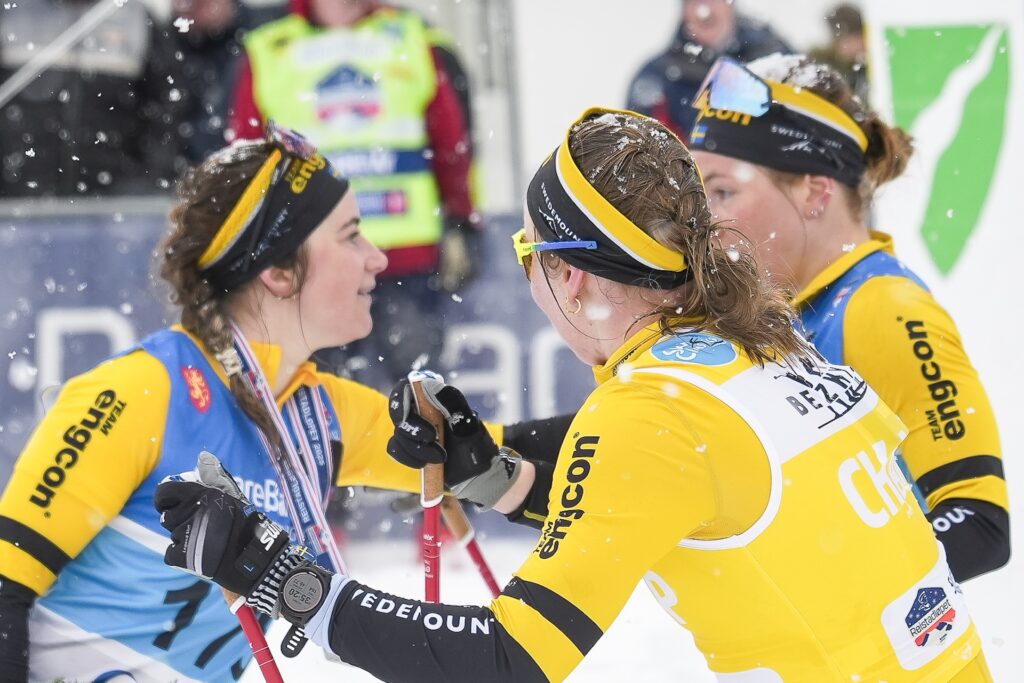
Andersson’s involvement with Ski Classics is not new. After securing two victories in the Ski Classics Finals last spring, she signed with the Ski Classics team Team Engcon. This season, she has been a prominent figure within the team, competing alongside fellow skiers like Anikken Gjerde Alnæs, the overall winner, and Hanna Lodin, who finished third in the standings. This collaboration has provided Andersson with valuable experience and insight into the unique demands of long-distance racing, further fueling her advocacy for a more integrated sport.
The appeal of Ski Classics extends beyond its challenging race formats. For many athletes, it offers a different competitive rhythm, a focus on endurance over pure speed, and the opportunity to compete in historic and picturesque locations. Furthermore, the series has invested in professionalizing long-distance skiing, offering significant prize money and media coverage, which attracts both established stars and emerging talent.
Myhlback’s Endorsement and the Generational Shift
The growing sentiment for bridging the gap between World Cup and Ski Classics finds a strong proponent in the young Swedish phenom, Alvar Myhlback. At just 20 years old, Myhlback has already achieved remarkable success, including winning the Vasaloppet at 18 and securing second place this year. He has made a deliberate choice to focus on Ski Classics from a junior level, a decision that has yielded significant rewards. Simultaneously, he has proven his mettle on the World Cup circuit, demonstrating that dedication to long-distance skiing does not preclude success in traditional disciplines. He was the top Swedish male performer at the recent Olympics.
Myhlback’s success serves as a compelling case study for the potential of a more fluid career path in cross-country skiing. His ability to excel in both formats suggests that the skills honed in long-distance races can translate effectively to shorter, more intense competitions, and vice versa. He believes that more Swedish national team skiers could emulate his success in long-distance racing but remains tight-lipped about specific advice.
"My mouth is shut," Myhlback quipped when asked for tips, playfully hinting at a strategic advantage he holds. His endorsement of Andersson’s call for greater integration, however, is clear. Myhlback himself has previously stated his decision to step away from the national team to focus on Ski Classics felt like the right time for him, highlighting a growing disconnect between traditional national team structures and the aspirations of some of its most promising athletes.
Institutional Efforts: A Glimmer of Hope for Collaboration
The discussions surrounding the integration of Ski Classics and traditional cross-country skiing are not merely athlete-driven. There are indications of institutional recognition of the need for a more cohesive sport. David Nilsson, a representative from Ski Classics, revealed that a working group was established within the International Ski and Snowboard Federation (FIS) in the autumn. This group is specifically tasked with fostering closer and more effective collaboration between Ski Classics and the broader FIS structure.
The working group includes notable figures such as Eiliv Furuli, Norway’s representative on the FIS Popular Committee (which oversees cross-country skiing tours), Torbjørn Broks Pettersen from FIS’s rules committee, Anna Rosa from Italy who leads the committee, and Oskar Svärd and Lucas Bauer from Ski Classics. This diverse representation suggests a genuine effort to find common ground and develop strategies that benefit all stakeholders.
"It is important that we formally recognize that long-distance skiing has slightly different needs than a stadium sport like the World Cup," Nilsson told Langrenn.com, underscoring the distinct nature of the disciplines. The objective, he stated, is to "achieve a collaboration that feels more enriching and clear for all parties, built on understanding and mutual respect."
The FIS is scheduled to hold its annual spring meetings later this year, followed by meetings of the FIS Council. It is at these high-level gatherings that discussions concerning the integration and future direction of cross-country skiing, including the role of Ski Classics, are expected to take center stage. The outcomes of these meetings will be crucial in determining whether Andersson’s vision of a more unified sport can translate into tangible change.
Analyzing the Implications: A Potential Paradigm Shift
The growing dialogue between elite athletes like Andersson and Myhlback, coupled with the nascent institutional efforts, points towards a potential paradigm shift in the landscape of cross-country skiing. If successful, a more integrated approach could offer several significant benefits:
- Enhanced Athlete Longevity and Motivation: By providing diverse competitive options and opportunities for sustained engagement, athletes may be able to extend their careers, reducing the risk of early burnout and maintaining their passion for the sport.
- Broader Fan Engagement: The distinct appeal of both the high-octane World Cup circuit and the endurance-focused Ski Classics series could attract a wider and more diverse audience. Greater collaboration could lead to cross-promotional opportunities, exposing fans of one discipline to the excitement of the other.
- Increased Sponsorship and Investment: A more unified and dynamic sport can present a more attractive proposition for sponsors and investors. Demonstrating a cohesive strategy for growth and development could unlock new funding streams that benefit all levels of cross-country skiing.
- Global Reach and Accessibility: Ski Classics often takes place in iconic, culturally rich locations, offering a different narrative than the more standardized World Cup venues. A stronger partnership could amplify the global reach of both formats, making the sport more accessible and appealing to new markets.
- Evolution of Training and Performance: Cross-pollination of ideas and techniques between World Cup and Ski Classics athletes and coaches could lead to innovative training methodologies and performance enhancements across the entire discipline.
However, the path to integration is not without its challenges. Fundamental differences in race formats, calendar scheduling, and governance structures will need to be addressed. The FIS, as the overarching governing body, plays a critical role in navigating these complexities and ensuring that any changes benefit the sport as a whole, rather than favoring one segment over another.
The statements from Andersson and Myhlback are more than just personal opinions; they represent a growing consensus among athletes that the current structure of cross-country skiing could be optimized. Their advocacy, backed by their performances on the snow, carries significant weight. While official support from FIS is still in its early stages, the establishment of a dedicated working group signifies a willingness to explore new avenues. The coming months will be pivotal in determining whether this nascent collaboration can mature into a truly unified and thriving future for cross-country skiing, a future where the strengths of both the World Cup and Ski Classics are leveraged to their fullest potential.

