
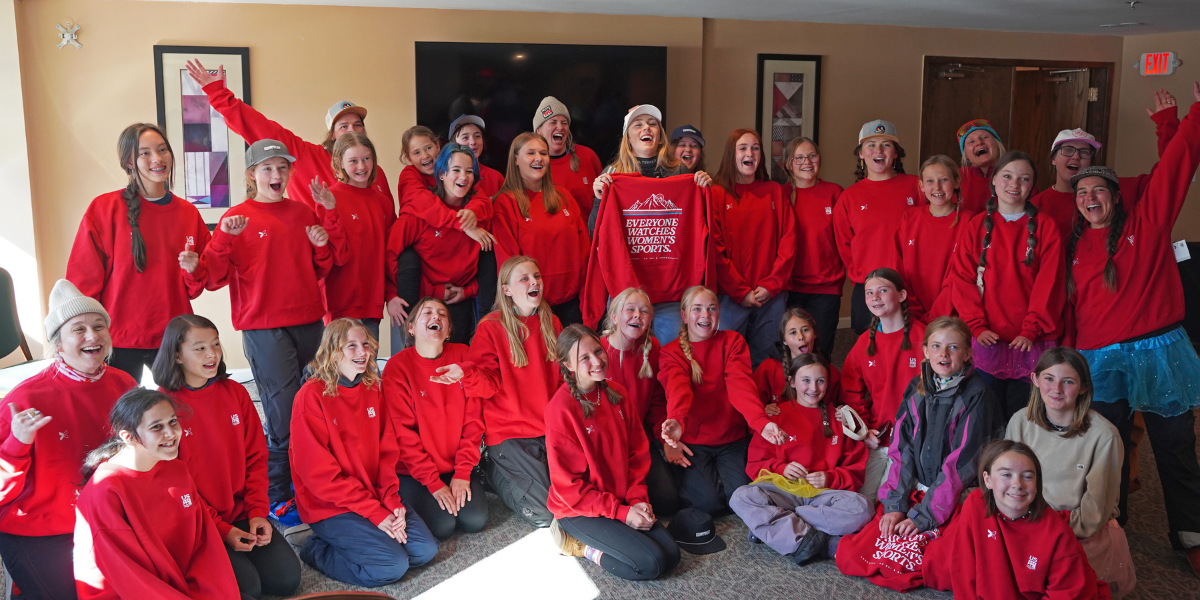
COPPER MOUNTAIN, Colo. — Following a historic season that further cemented her legacy as the most decorated alpine skier of all time, Mikaela Shiffrin, 31, has dedicated precious post-season time to meaningful community engagement and profound personal reflection. While media commitments have kept her traveling, an April visit to Copper Mountain allowed the Colorado native to connect with a group of 11- to 14-year-old girls from elevateHER, a non-profit empowering young women through outdoor adventure. This interaction, a first of its kind for Shiffrin with participants of the program, underscored a significant shift in her perspective on her role within the snow sports community and her own athletic future.
Championing Youth Access to Snow Sports
The event at Copper Mountain was not merely a casual ski day; it was a powerful manifestation of Shiffrin’s long-standing commitment to broadening access to snow sports. ElevateHER, which hosted the girls, is partnered with the Share Winter Foundation, an organization dedicated to increasing youth participation in skiing and snowboarding. Shiffrin has been a pivotal advocate for Share Winter, having personally raised approximately $500,000 for the foundation through her "MikGives" initiative. This half-million-dollar contribution highlights her dedication to fostering the next generation of winter sports enthusiasts, irrespective of their socio-economic background or competitive aspirations.
ElevateHER, based in the heart of Colorado’s mountain communities, focuses on empowering girls through adventurous experiences, building confidence, resilience, and a love for the outdoors. The girls who joined Shiffrin on the slopes primarily hailed from Salida, Colorado, and its surrounding areas, many of whom might not otherwise have had such an opportunity. The group presented a diverse skill set: only a handful were aspiring ski racers from Team Monarch, while others were complete beginners to skiing or snowboarding. This inclusivity perfectly aligned with the broader mission of Share Winter and Shiffrin’s personal philosophy for the sport’s future.
A Day of Inspiration and Connection
On the pristine slopes of Copper Mountain, Shiffrin transitioned effortlessly from elite athlete to patient mentor. She spent a focused 20 minutes with one 12-year-old girl, meticulously teaching her the fundamentals of making turns – a testament to her hands-on approach and genuine desire to share her passion. This direct, personal engagement resonated deeply with the participants.
"I feel different at this time this year than I have any other year," Shiffrin shared, reflecting on the experience. "I am thinking about what life has to offer beyond the sport and what can be done maybe simultaneously, things like this where I connect with the snow sports community on a different level." She contrasted this new approach with her previous interactions, which were largely confined to race venues and brief autograph sessions. "Up until this point it’s been, come watch me race and maybe I’ll get to an autograph in the finish. The snow sports community, what it actually is, is celebrating everybody’s uniqueness and all of their different passions and lifestyles — a shared experience in one place."
Her observations highlighted a crucial insight into the sport’s longevity: "When you see these kids out here, it’s a perfect example of this. Nobody said they wanted to become a professional ski racer. That is what our sport needs. We don’t necessarily need ski racers; we need to develop the pipeline. We need people to just enjoy the sports for what they are, to get outdoors in the open air and move their bodies in that way." This statement underscores a strategic shift from pure performance to fostering widespread participation and appreciation for the sheer joy of snow sports. The atmosphere on the mountain was electric with positive energy, and every participant visibly relished the unique opportunity to ski alongside an icon.
Shiffrin as a Role Model: Beyond the Medals
The impact of Shiffrin’s presence extended far beyond the technical lessons. For the young girls, she embodied dedication, resilience, and the pursuit of excellence. Zia Ziaknaer, 14, expressed her admiration, stating, "She’s just such a cool person. I just admire her determination and how she brought herself to this level and worked so hard for that." While none of the girls explicitly declared ambitions to become the "next Mikaela Shiffrin," her journey served as a powerful metaphor for achieving ambitious goals in any field.
Amalia McNeirney, 13, drew parallels between Shiffrin’s path and her own diverse passions. "Mikaela inspires me so much because I love to ski, but I’m also really passionate about mountain biking," McNeirney explained. "Watching her pursue her dreams from such a young age reminds me of myself. I’ve been on my bike since I was 2 years old. Now I’ve been racing Enduro, and next year I’ll race on the high school cross-country team. Maybe one day, I’ll be in the World Cup." McNeirney further noted Shiffrin’s humility, remarking, "Some celebrities are more about the money and the fame, but she still has that local connection." This sentiment highlights the importance of authenticity and genuine engagement from high-profile athletes.
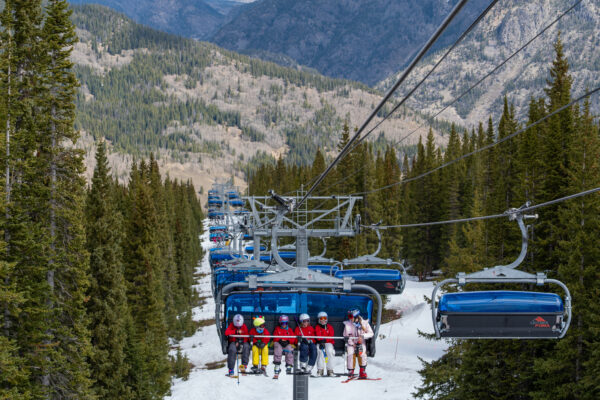
Even those unfamiliar with Shiffrin’s monumental achievements were captivated. Aolani Cook, 13, who had never experienced a chairlift ride before that day, exclaimed, "I think she’s awesome. Now I know who Mikaela is and what she does. It inspires me to just live your dream." These reactions underscore Shiffrin’s profound influence as an accessible and relatable figure, capable of inspiring a love for sport and a belief in personal potential, regardless of prior knowledge or experience.
A Crossroads in an Illustrious Career: Shifting Focus
The day of community engagement also provided a platform for Shiffrin to articulate her evolving perspective on her own competitive career. Despite having accumulated an unparalleled 97 World Cup victories, 7 World Championship gold medals, and 3 Olympic medals, Shiffrin indicated a shift in her motivation. "I think I’ve reached my ceiling in how fast I can ski slalom," she stated candidly, referring to the discipline in which she holds the record for most World Cup wins (53). She elaborated that while she continues to win, the overall level of competition in slalom is rapidly advancing, and she no longer feels she can significantly improve her speed in that specific event. "I just can’t ski it faster than I have been. I used to think you can always get faster, but I don’t know that I personally have the capability to do that anymore."
This realization, she admitted, presents a unique challenge to sustained motivation. "The feeling of hitting your ceiling — that’s the most limiting thing for motivation." In contrast, Shiffrin expressed a renewed curiosity and a sense of untapped potential in giant slalom (GS) and super-G (SG), disciplines where she also boasts multiple victories and titles, but perhaps not the same level of historic dominance as in slalom. "I’m really curious to see where that can go," she mused, suggesting a potential strategic re-evaluation of her competitive focus moving forward. This strategic pivot could see her dedicating more training and race-day energy to speed events and the longer-course technical discipline of GS, seeking new frontiers for growth and challenge in her already legendary career. Such a move would allow her to prolong her career by finding new avenues for competitive drive and potentially add to her already impressive tally across multiple disciplines, expanding her versatility even further.
Processing the Olympic Hurdle: A Journey of Emotional Growth
Shiffrin’s evolving mindset is deeply intertwined with her ongoing process of grappling with the profound emotional weight of the 2022 Olympic season. Her performance at the Beijing Winter Olympics, where she failed to finish three technical races, sparked an intense public discourse and unprecedented scrutiny. While the wider world saw an unexpected series of DNFs (Did Not Finish), Shiffrin experienced a deeply personal and emotionally taxing ordeal.
"You know, I haven’t cried since the Olympics," she revealed, describing a persistent sense of emotional numbness, which she attributes to the sheer intensity and unexpected trauma of the experience. "I think when you go through something traumatic and unexpected, everything else just doesn’t bring the same emotion." The public’s towering expectations weighed heavily on her throughout that season. "The toughest thing was that the whole world expected me to win," she admitted, acknowledging the double-edged sword of her success. "And the downside is the criticism that comes if I don’t."
To navigate this immense pressure, Shiffrin leaned heavily on a structured support system, including regular sessions with a sports psychologist. These sessions were crucial in confronting fears rooted in both her past successes and failures, helping her build coping mechanisms. A key strategy during the Olympics was a complete avoidance of social media, a deliberate choice to shield herself from the relentless external noise and judgment. Looking back on her four Olympic appearances, Shiffrin acknowledged a dramatic shift in her perspective. "If you asked me in Sochi, I wouldn’t recognize this version of myself," she reflected, highlighting her personal evolution over a decade of elite competition.
Her most significant takeaway from that challenging period was a profound appreciation for the people surrounding her. Shiffrin credits her team with building a strong, unified support system, which she considers one of the biggest accomplishments of her season. "At the Olympics, my big fear was feeling isolated," she confided. "I thought nobody would understand the weight of it." Instead, her team fostered what she lovingly described as a "supportive bubble," which proved instrumental in helping her navigate the immense pressure and emotional turmoil. "It was a really big growth moment — a growth season for all of us together," she concluded, underscoring the collective strength derived from shared adversity.
Broader Implications for the Sport and Athlete Well-being
Mikaela Shiffrin’s actions and reflections have significant implications not only for her own career but for the broader landscape of alpine skiing and elite sports. Her philanthropic efforts with Share Winter and elevateHER highlight the critical need for grassroots development and ensuring that winter sports remain accessible and inclusive. By actively engaging with aspiring young athletes, she is directly addressing the pipeline issue she identified, ensuring that the joy of skiing and snowboarding can be experienced by a wider demographic, potentially inspiring future generations of participants, if not necessarily future World Cup champions.
Furthermore, her candid discussion about mental health, the pressures of elite competition, and the emotional toll of public scrutiny contributes significantly to destigmatizing these issues within sports. Her openness provides a powerful example for other athletes and young people navigating high-pressure environments, reinforcing the message that seeking support and prioritizing well-being are signs of strength, not weakness.
Her consideration of a strategic career shift, moving beyond her perceived "ceiling" in slalom, also offers valuable insight into the longevity and adaptability required at the pinnacle of professional sports. It demonstrates a maturity that prioritizes sustained passion and intellectual curiosity over the relentless pursuit of records in a single discipline, suggesting a more holistic approach to an already historic career. Shiffrin’s journey continues to be a compelling narrative of athletic prowess, personal growth, and an unwavering commitment to leaving a lasting, positive impact on her sport and community.

