
The pursuit of high-intensity outdoor sports, particularly alpine skiing, often entails a physiological trade-off that athletes describe as a manifestation of Newtonian physics: for every season of peak performance and "powder-day" exhilaration, there is an equal and potentially debilitating physical reaction. For many long-term enthusiasts in mountain communities, this reaction manifests as a spectrum of chronic issues, ranging from the erosion of long-term financial security to the more immediate and visceral reality of chronic musculoskeletal pain. Recent clinical observations and athlete case studies suggest that the traditional methods of managing these ailments—such as stretching, yoga, and rest—may be insufficient compared to the transformative impact of structured resistance training.
A decade-long case study of a 33-year-old skier with over 1,000 days of mountain experience highlights a common trajectory in sports medicine. Following a traumatic elbow fracture and dislocation eight years prior, the athlete experienced a cascade of secondary issues, including rhythmic hip soreness and chronic lower back pain. Despite a decade of intervention using low-impact modalities, the subject’s condition culminated in severe lower back spasms that rendered them immobile. However, the integration of a rigorous weight-training regimen over the past 12 months has resulted in a significant reduction in pain markers, suggesting that resistance training serves as a primary preventative and rehabilitative tool for high-impact athletes.
The Biomechanics of Athletic Decline and Muscle Imbalance
The transition from peak physical health to chronic pain in skiers is rarely the result of a single event; rather, it is often the cumulative effect of muscle imbalances and the "unevolved" nature of human physiology relative to modern sports. Franco Morris, Head of Program Delivery at a prominent athletic facility in Sydney, Australia, notes that human genetics are not naturally optimized for the specific demands of skiing, skateboarding, or the sedentary lifestyles that often bracket these activities.
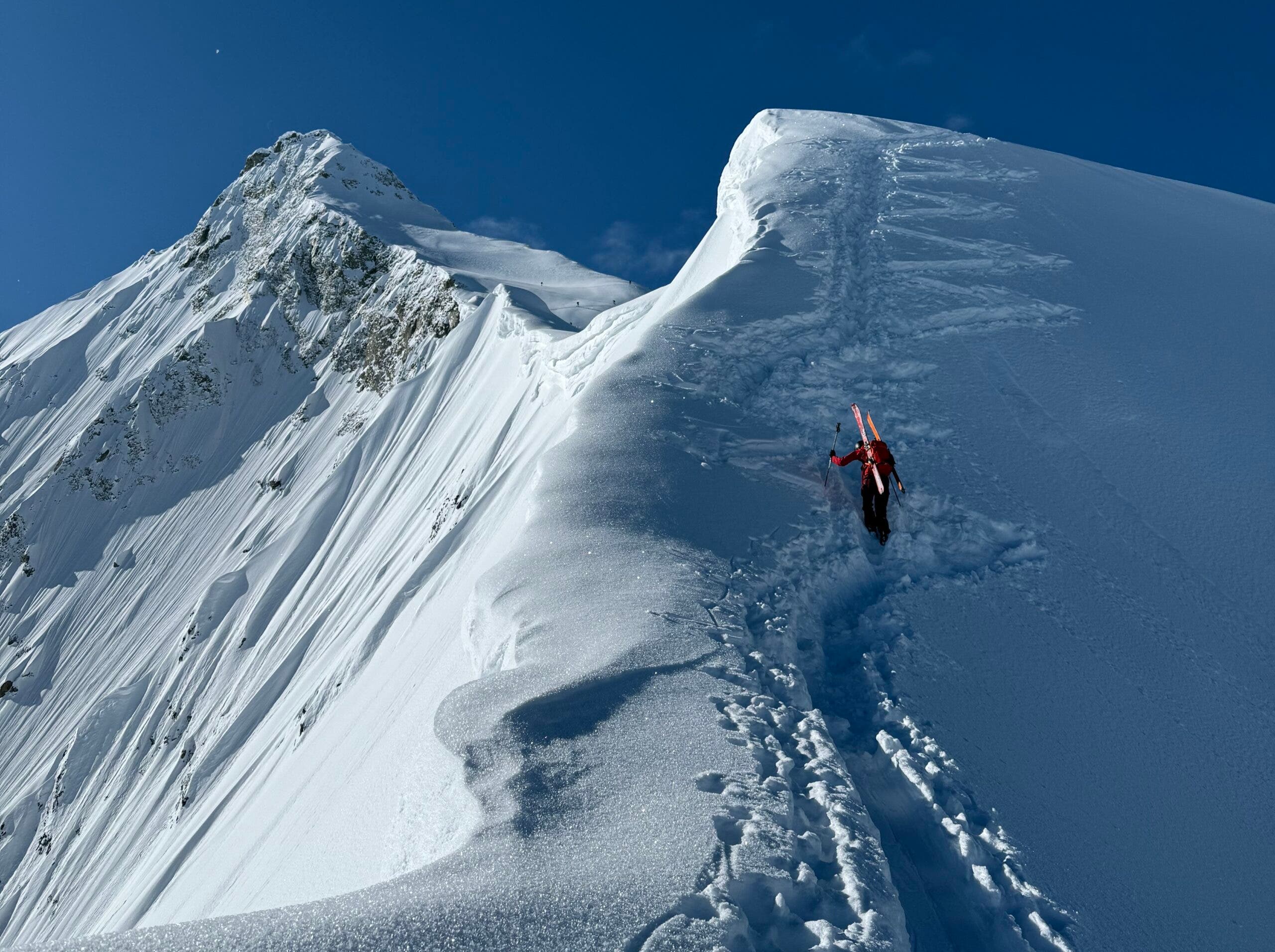
In the case of alpine skiing, the biomechanical stress is unique. A tall, lean frame—such as a 6’3” athlete with a narrow waist—creates a significant "upper-body apparatus" that acts as a pendulum. As the skier navigates terrain, the lower back is forced to stabilize this shifting mass without adequate support from the gluteal muscles. This phenomenon, often referred to as "gluteal amnesia" or inhibited posterior chain engagement, places the primary load on the lumbar spine.
As athletes age, muscle tissue becomes less malleable and responsive, increasing the risk of micro-tears and protective spasms. A lower back spasm is a physiological fail-safe; when muscles reach a state of extreme fatigue, they contract violently to prevent further structural damage to the spine. For many athletes in their early 30s, these spasms represent a critical juncture: either adapt the physical foundation or face the end of an active career.
The Limitations of Traditional Recovery Modalities
For years, the standard recommendation for chronic athletic pain involved a combination of flexibility work and lifestyle adjustments. Common interventions include:
- Yoga and Static Stretching: Intended to increase range of motion but often failing to provide the necessary tension to stabilize joints.
- Foam Rolling and Massage: Effective for temporary myofascial release but lacking a corrective impact on muscle recruitment patterns.
- Dietary Shifts: While vegetarianism or weight loss can reduce the total load on joints, they do not inherently correct structural weaknesses.
- Core Stability Exercises: Planks and sit-ups target the anterior core but often neglect the posterior chain, which is the true engine of mountain sports.
Data suggests that while these methods are useful for symptom management, they do not address the fundamental issue of muscle atrophy or the lack of bone density required to withstand high-velocity impacts.

Clinical Benefits of Resistance Training for High-Impact Athletes
The shift toward resistance training marks a departure from "management" toward "reconstruction." According to sports science data, lifting weights provides three primary benefits for the aging athlete:
- Increased Bone Density: Weight-bearing exercises stimulate osteoblast activity, strengthening the skeletal frame against fractures.
- Hypertrophy of Stabilizing Tissues: Building muscle mass around vulnerable joints, such as the knees and elbows, provides a "cushioning" effect that absorbs kinetic energy during a fall.
- Correction of Reciprocal Inhibition: By strengthening the glutes and hamstrings (the posterior chain), athletes can "turn off" the overactive and painful muscles in the lower back.
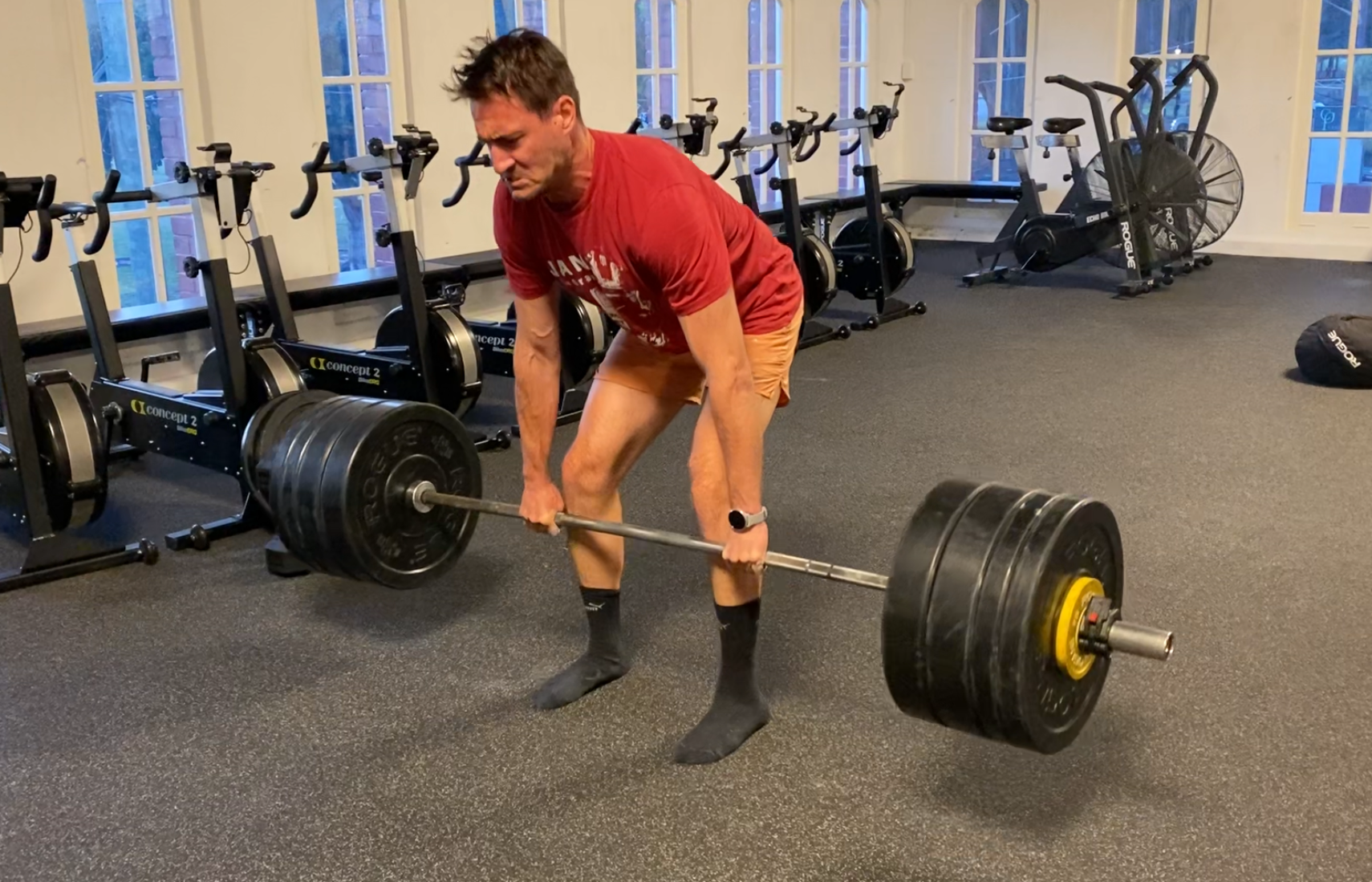
In the monitored case of the 33-year-old skier, the introduction of deadlifts, kettlebell swings, and barbell hip thrusts allowed the posterior chain to resume its role as the primary stabilizer. After one year of consistent training, the subject reported "entire days" of zero pain—a state not achieved in the previous decade of holistic management.
Strategic Implementation: The Posterior Chain and Volume-Based Training
For skiers looking to replicate these results, experts emphasize a specific hierarchy of movement. The focus is rarely on "glamour muscles"—the pectorals, biceps, or abdominals—which add unnecessary weight to the upper body without contributing to mountain performance. Instead, the focus remains on the posterior chain.
Essential Movements for Mountain Longevity
- The Deadlift: Regarded as the foundational movement for spinal health, the deadlift engages the entire backside of the body, teaching the athlete to lift and stabilize using the hips rather than the lumbar spine.
- Kettlebell Swings: These develop explosive power and hinge mechanics, essential for reacting to variable snow conditions and moguls.
- Barbell Hip Thrusts: These specifically isolate the gluteus maximus, ensuring the "gluteal sidekick" is active enough to support the lower back.
- Step-Ups: By simulating the unilateral (one-legged) nature of skiing, step-ups build stability in the knees and hips, reducing the likelihood of ACL and MCL injuries.
The Principle of Volume Over Intensity
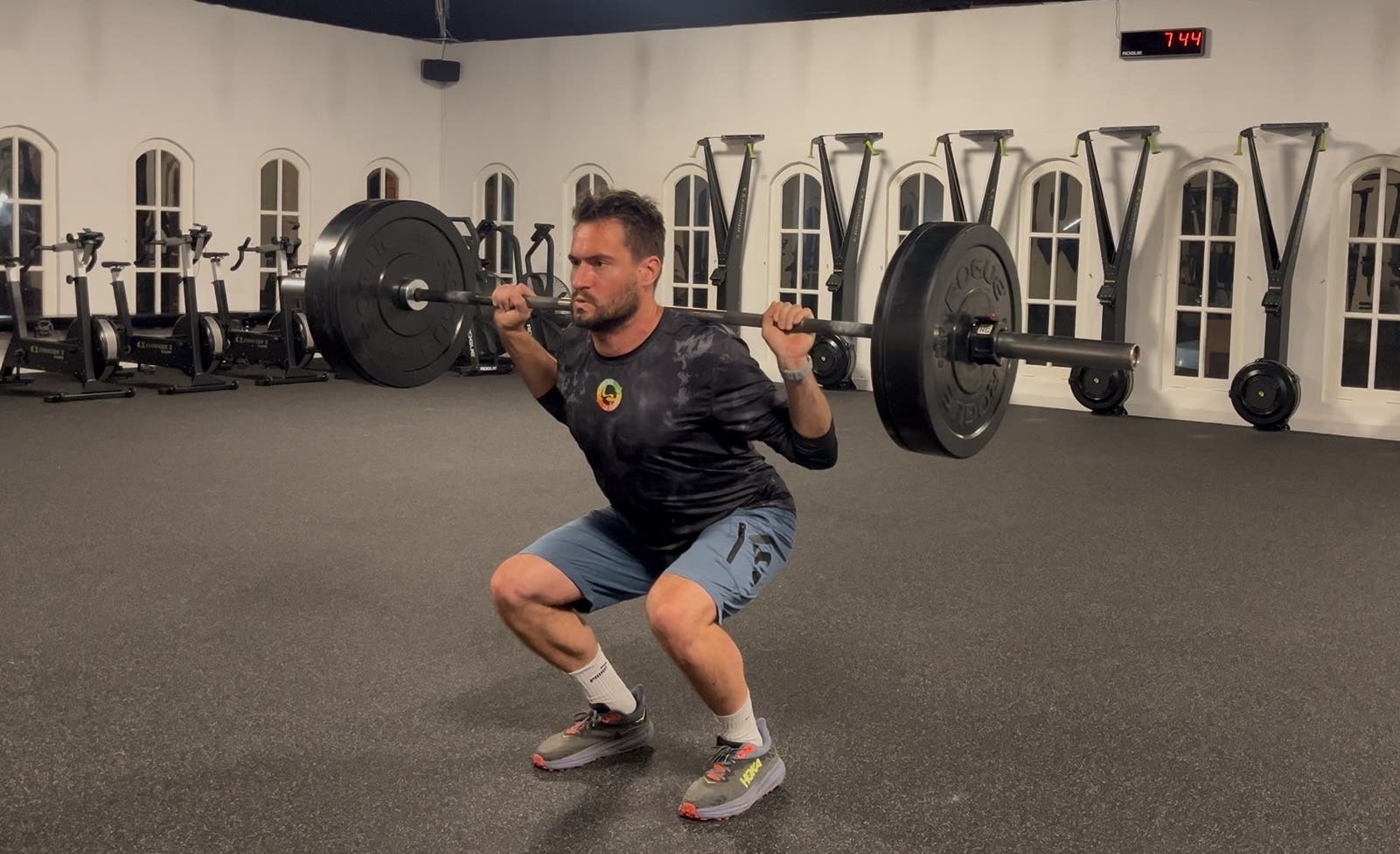
Unlike bodybuilders who seek maximum hypertrophy or powerlifters who seek a one-repetition maximum, skiers are essentially endurance athletes. The recommended protocol involves higher volume (e.g., 10 repetitions at 60% of maximum capacity) rather than low-volume, high-weight sets. This approach builds muscular endurance and connective tissue resilience without adding excessive mass that would hinder a skier’s power-to-weight ratio in the mountains.
Professional Guidance and the Economics of Health
A critical component of the successful transition to weight training is the involvement of professional coaching. Group-based training models have emerged as a cost-effective way for athletes to access high-level instruction. At an average cost of $45 to $60 USD per week, these programs provide the technical oversight necessary to prevent injury during the lifting process itself.
The economic implications of this training are significant. In mountain towns, the loss of work due to injury often compounds the lack of traditional retirement savings. By investing in physical longevity, athletes reduce the "opportunity cost" of their lifestyle. The ability to remain in the workforce without the interruption of debilitating pain or surgery represents a substantial long-term financial gain.
Broader Implications for the Outdoor Industry
The aging demographic of the "ski boom" generation and the subsequent "Millennial" cohort has forced a reckoning within the outdoor industry. As more participants reach their 30s and 40s, the demand for "longevity-based" fitness is rising. This shift is expected to influence everything from resort programming to the marketing of gear, with a greater emphasis on ergonomics and injury prevention.
Furthermore, the psychological impact of chronic pain relief cannot be overstated. The transition from a state of "infinite joy" followed by "immense pain" to a stable, pain-free existence allows for a more sustainable relationship with the mountains.
Conclusion: A New Prognosis for the Modern Skier
The integration of weight training into the "daily rhythm" of an athlete marks a significant evolution in how mountain sports are approached. While the first few weeks of a resistance regimen are often described as "metamorphic" and "brutal," the long-term data points to a clear conclusion: muscle is the best defense against the law of action and reaction.
For the 33-year-old athlete who once crawled to the bathroom following a back spasm, the sky is now the limit. By countering the effects of aging and physiological "unevolution" through structured lifting, skiers can effectively extend their peak performance years by decades. Resistance training is no longer viewed as an optional supplement to skiing; it is the essential foundation that allows the sport to remain a source of joy rather than a source of chronic decline. As the sports science community continues to gather data, the prognosis for the active, aging skier remains more optimistic than ever before.

