
While much of the Western United States experienced a less-than-ideal ski and snowboard season, certain pockets of New England, particularly Vermont, enjoyed a more favorable winter. However, even in the most robust snow years, ski seasons inevitably draw to a close. Recent weeks have seen a wave of closures across the region, with many resorts celebrating their final day on Sunday, April 19th. Despite this widespread wind-down, a dedicated group of six ski areas are maintaining operations, offering late-season turns for enthusiasts. These remaining destinations represent New England’s final opportunities to experience downhill skiing and snowboarding for the season.
Late-Season Skiing: A Glimpse at the Remaining Open Resorts
As April progresses and warmer temperatures begin to dominate the Northeast, the number of operational ski resorts dwindles. This year is no exception, with many resorts concluding their seasons around mid-April. However, for those unwilling to hang up their skis or snowboards just yet, several New England mountains are keeping their lifts spinning, buoyed by a combination of persistent natural snow and dedicated snowmaking efforts. The following resorts are currently among the last standing in the region, offering a chance for skiers and riders to capitalize on the spring snow.
Vermont: The Green Mountain State’s Extended Season
Vermont, often lauded for its consistent snowfall, is once again home to several resorts pushing the boundaries of their operating seasons. These mountains have managed to retain enough snowpack or employ advanced grooming techniques to offer continued access well into April and even May.
Jay Peak Resort: Anticipating operations well into the weekend of May 9th, and potentially beyond, Jay Peak is a beacon for late-season skiers in the Northeast. Situated in the northernmost reaches of Vermont, the resort benefits from its elevation and often receives significant snowfall throughout the winter and into the spring. This extended season is a testament to the resort’s commitment to providing value to its patrons, even as other mountains begin their spring transition. The possibility of skiing into May is a significant draw for dedicated enthusiasts who appreciate the softer, spring snow conditions.
Killington Resort: Known as the "Beast of the East," Killington continues to offer skiing and riding on its famed Superstar trail for as long as conditions permit. The resort’s strategic use of snowmaking and grooming on this high-traffic trail allows it to remain open long after other areas have ceased operations. The ability to ski laps on Superstar is a highlight for many, providing a challenging and enjoyable experience that captures the essence of late-season skiing. The resort’s reputation for its extensive terrain and commitment to operational longevity makes it a prime destination for those seeking to extend their ski season.
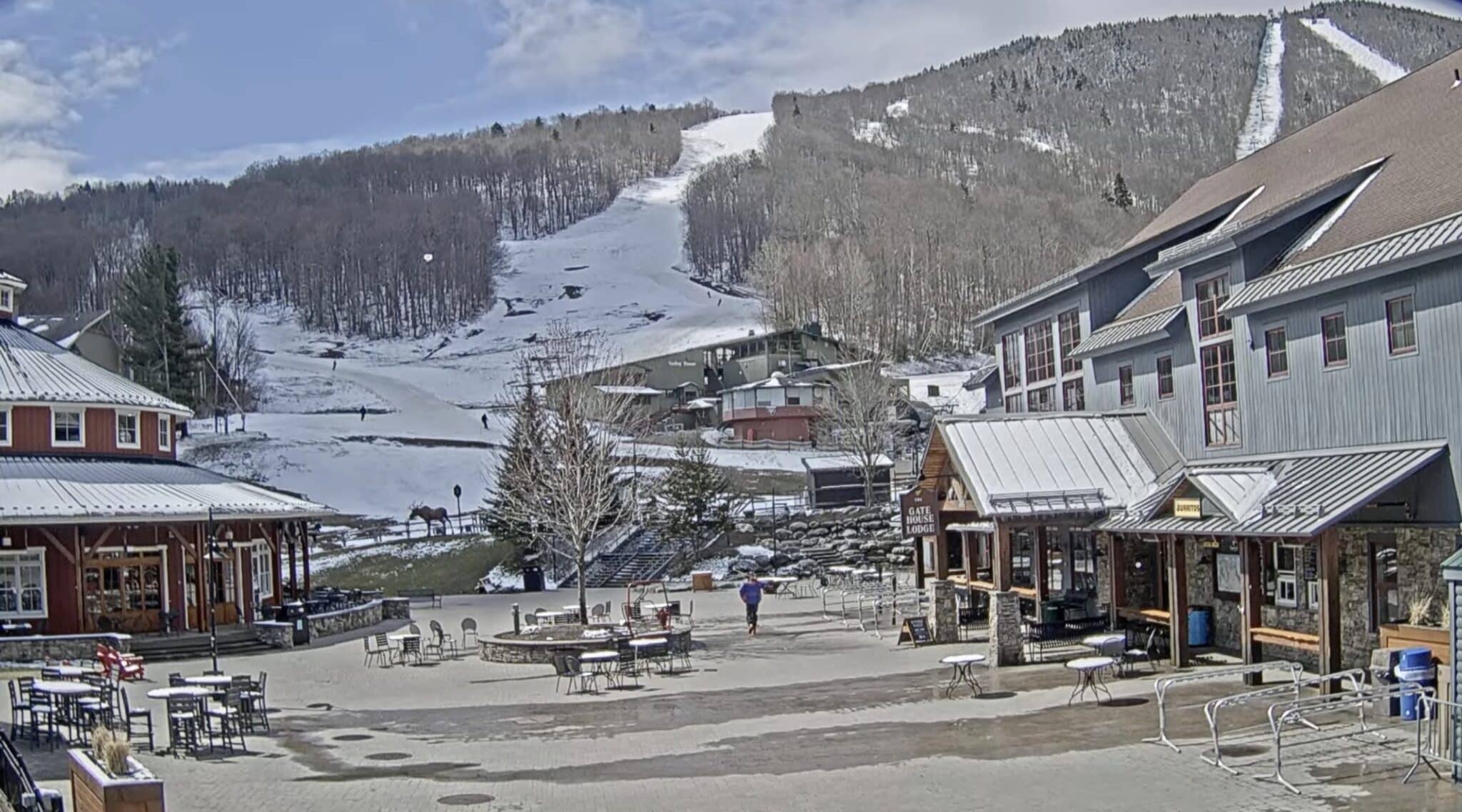
Stowe Mountain Resort: While Stowe’s official closing date is still to be determined, lift tickets are currently available online through April 26th, indicating a strong possibility of continued operations for at least another week. Stowe’s commitment to its patrons is evident in its flexible approach to the end of the season. The resort often experiences significant snowfall, allowing for a longer operational window. The anticipation surrounding the final closing date adds an element of urgency and excitement for those planning their last ski trips.
Sugarbush Resort: Sugarbush has announced a closing date of May 3rd, with operations limited to weekends after April 26th. This phased approach allows the resort to cater to a broader range of skiers and snowboarders, offering full weekday operations until the end of April before transitioning to weekend-only service. This strategy acknowledges the declining demand while still providing access for those who wish to ski during the week. The resort’s extensive terrain and commitment to snow management are key factors enabling this extended season.
New Hampshire: A Resilient Mountain Awaits
New Hampshire’s ski landscape also features a resilient option for late-season adventurers.
Black Mountain: This independent ski area in Jackson, New Hampshire, has announced it will be open Fridays through Sundays, with the potential to remain operational until Memorial Day Weekend. This ambitious plan highlights Black Mountain’s dedication to providing extended skiing opportunities. Its location and operational model often allow for a longer season, catering to a loyal local following and visiting enthusiasts. The prospect of skiing until late May is a rare offering in New England and underscores the unique appeal of this mountain.
Maine: The Final Days at Sugarloaf
Maine’s ski offerings are drawing to a close, with one prominent resort providing the last opportunities for the season.
Sugarloaf: Sugarloaf is scheduled to close on Sunday, April 26th, operating daily until then. This marks the end of the ski season for the iconic Maine resort. Sugarloaf, known for its challenging terrain and high-elevation skiing, often manages to hold onto its snowpack longer than many other mountains in the region. The approaching closure signifies the collective end of an era for many skiers who have made it a tradition to visit throughout the winter months. The final days at Sugarloaf are often met with a mix of celebration and reflection, as skiers savor the last runs of the season.

Factors Contributing to Extended Ski Seasons
The ability of these six New England resorts to extend their operating seasons is a result of several contributing factors. A robust winter snowfall, coupled with strategic snowmaking and advanced grooming techniques, plays a crucial role. Resorts that invest in high-quality snowmaking equipment can supplement natural snowfall and maintain skiable surfaces even during warmer periods. Furthermore, the elevation and aspect of a mountain can significantly impact its snow retention. Higher elevations and north-facing slopes tend to hold snow longer, providing a more stable base for late-season operations.
The commitment of these resorts to their customers is also a key element. By actively managing their snow resources and adapting their operational schedules, they demonstrate a dedication to providing skiing and riding opportunities for as long as feasible. This not only benefits the skiers and snowboarders but also contributes to the local economies that rely on winter tourism.
The Broader Context: Comparing New England to the West
This year’s ski season has highlighted a notable divergence between the conditions experienced in New England and many parts of the Western United States. While the West has faced challenges with below-average snowfall in several key regions, parts of New England have enjoyed a more consistent and plentiful winter. This has allowed for longer operating seasons and more reliable snow conditions in the Northeast.
The implications of these regional differences are multifaceted. For skiers and snowboarders in the West, the shorter seasons can mean fewer opportunities for recreation and a potential impact on the tourism industry. Conversely, the extended seasons in New England offer a prolonged period of activity, benefiting resorts and related businesses. This contrast underscores the unpredictable nature of winter weather patterns and the varying impacts on ski destinations across North America.
Looking Ahead: The End of an Era, The Promise of Next Season
As the final lifts spin at these six New England resorts, a sense of closure settles over the region’s ski community. The dedicated skiers and snowboarders who have chased powder and carved corduroy throughout the winter now look towards the off-season. The extended operating periods of these remaining mountains offer a valuable opportunity to soak in the last moments of winter sports before the transition to spring and summer activities.
The success of these resorts in extending their seasons also provides valuable insights into effective snow management and operational strategies. As the industry looks towards future seasons, the lessons learned from this year’s extended operations will undoubtedly inform planning and decision-making. For now, the focus shifts to enjoying the final days of skiing and eagerly anticipating the return of winter and the promise of a new season. The dedication of resorts like Jay Peak, Killington, Stowe, Sugarbush, Black Mountain, and Sugarloaf to providing late-season skiing ensures that the spirit of the sport continues to thrive in New England.

