
The highly anticipated opening round of the Orienteering World Cup in Locarno, Switzerland, is set to commence today, marking the beginning of Kasper Fosser’s ambitious campaign to reclaim his World Cup title. Having narrowly missed out on the overall victory in a thrilling final last autumn, the Norwegian phenom is poised to reassert his dominance on the international stage. Fosser will enter the individual sprint race, the first discipline of the season, with start number 130 out of a field of 131 male competitors. The event is scheduled to be broadcast live from 15:30 CET, with extensive coverage available on langrenn.com.
A Challenging Start to the Season
The Locarno sprint course, designed by former top orienteer Florian Howald, is described as "extremely technical and difficult," promising a stern test for all athletes. This initial challenge comes in a format that demands absolute precision and unwavering concentration, even over relatively short distances. While Norway demonstrated remarkable strength in forest orienteering disciplines at last year’s World Championships in Kuopio, Finland, where Fosser secured a gold medal in the long-distance event, the sprint requires a different skillset. The transition from long-distance endurance to explosive speed and intricate navigation highlights Fosser’s versatility and his capability to excel across various orienteering formats. This adaptability has drawn comparisons to a hypothetical scenario where a dominant middle-distance runner, like Jakob Ingebrigtsen in athletics, were to suddenly master the 100-meter sprint.
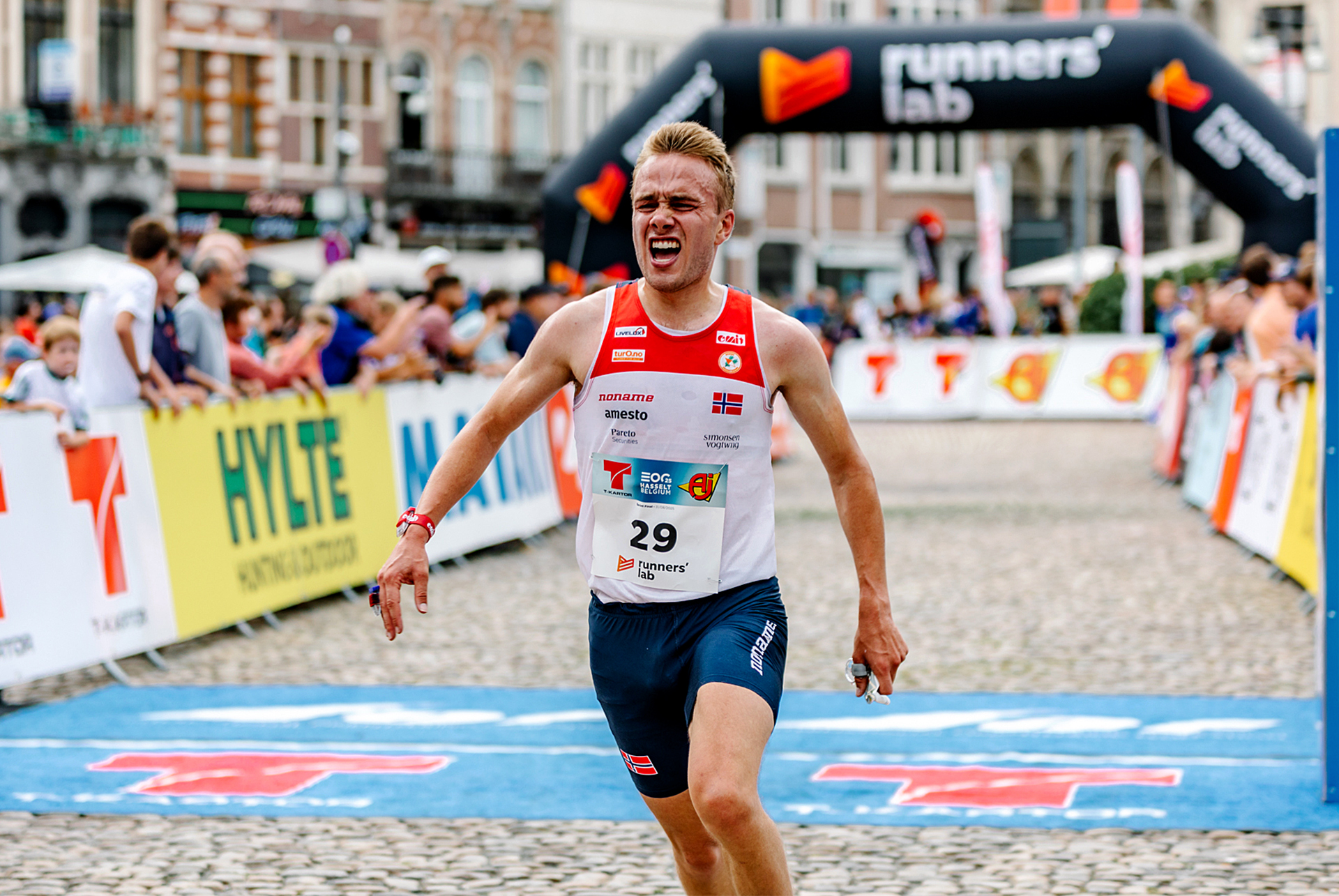
Fosser’s Strategic Position and Key Competitors
Fosser’s late start number places him in a strategic position, allowing him to observe the performances of many of his rivals. However, the unpredictable nature of sprint orienteering means that even a minor navigational error can prove decisive. Among the prominent contenders in the men’s field is the in-form Finn Tuomas Heikkilä. Heikkilä recently emerged victorious in a rigorous selection race against strong Swiss competitors, signaling his current strong form. He is considered by many to be Fosser’s most formidable opponent in this opening event. The Belgian runner Yannick Michiels is the only competitor scheduled to start after Fosser, adding another layer of intrigue to the final stages of the race.
The discipline of sprint orienteering, characterized by its rapid pace and complex route choices in urban or park environments, demands a unique blend of physical prowess and mental acuity. Athletes must navigate a dense network of controls with minimal time for deliberation, making split-second decisions under immense pressure. The technical demands of the Locarno course, as outlined by the course setter, suggest a course that will thoroughly test the athletes’ ability to read the terrain and map efficiently.
Norwegian Ambitions and the Broader World Cup Context
Norway arrives in Locarno with high expectations, although the team acknowledges that their strongest potential for medals might lie in the later summer events, which will feature more traditional forest orienteering. Nevertheless, the current performance of Norwegian athletes in the lead-up events indicates a strong readiness for the season’s commencement. The success at the previous World Championships, where Norwegian athletes secured multiple medals, underscores the nation’s strength in the sport. The World Cup series serves as a crucial barometer for international performance and a stepping stone towards the ultimate goal of championship success.
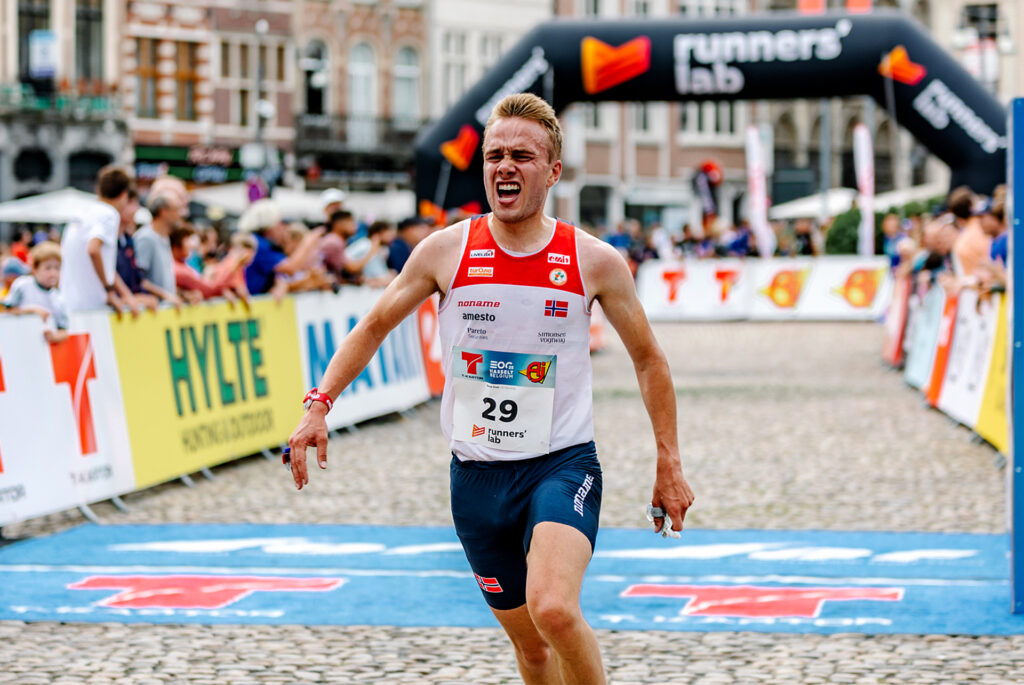
Women’s Field: Aebersold Defends Her Title Amidst Fierce Competition
In the women’s competition, Kasper Fosser’s Swiss partner, Simona Aebersold, will be defending her World Cup title. Aebersold, a prominent figure in the sport, starts last in the women’s field. Her task may be somewhat eased by the notable absence of Sweden’s dominant orienteer, Tove Alexandersson, from the spring sprint events. Alexandersson’s consistent victories have often made her the athlete to beat, and her withdrawal opens up the field.
However, Aebersold faces significant challenges from within her own field. Norway’s Pia Young Vik is emerging as a major contender. Last year’s surprise European Champion, Young Vik has demonstrated significant progress this season and has impressed in the races leading up to the Locarno premiere. She is considered a strong potential challenger for Aebersold. The Norwegian challenge in the women’s race is further bolstered by the presence of experienced athletes Andrine Benjaminsen and Victoria Håstad Bjørnstad, both hailing from the Oslo region, adding depth and competitive edge to Norway’s representation.
The inclusion of these strong Norwegian athletes underscores the growing depth and competitiveness within the women’s elite orienteering circuit. The tactical decisions made by the course setters and the athletes’ ability to adapt to the specific demands of the Locarno terrain will undoubtedly play a crucial role in determining the outcome.
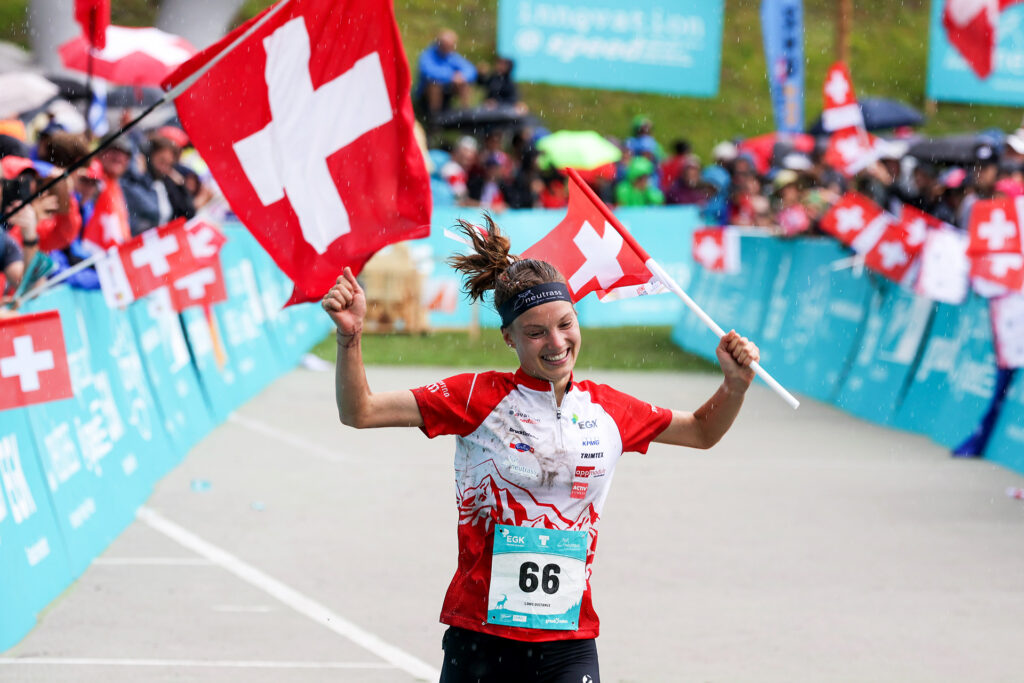
The Significance of Sprint Orienteering
Sprint orienteering, while often perceived as a niche discipline, has gained considerable traction in recent years due to its spectator-friendly format and its inclusion in major international championships. The fast-paced nature of the competition, coupled with the intricate navigation required, makes it an exciting spectacle. The results of these early World Cup races provide valuable insights into the athletes’ current form and their preparation for the upcoming season’s major events, including European Championships and the World Championships.
Live Broadcast and Access to Information
The entirety of the excitement from Locarno will be broadcast live on langrenn.com, beginning at 15:30 CET. This accessible broadcast ensures that fans worldwide can follow the thrilling performances of their favorite athletes. The platform also provides comprehensive coverage of the sport, including detailed event information and how to watch the orienteering events.
Background and Context of the Orienteering World Cup
The Orienteering World Cup is an annual international competition organized by the International Orienteering Federation (IOF). It comprises a series of events held throughout the year across different countries, culminating in an overall champion being crowned. The series typically includes disciplines such as sprint, middle distance, long distance, and relay races. Athletes earn points based on their placings in each event, with the highest cumulative scores determining the World Cup winners.
The Locarno event marks the beginning of the 2024 World Cup season. The choice of Switzerland as a host nation for the premiere underscores the country’s strong tradition and passion for orienteering. Swiss athletes have consistently been among the top contenders in international competitions, and hosting the opening round is a testament to their capabilities in organizing world-class events.
Historical Performance and Emerging Trends
Kasper Fosser’s journey to the top of orienteering has been meteoric. His dominant performances in recent years, particularly in long-distance and middle-distance events, have established him as one of the sport’s most talented athletes. His ability to consistently perform at the highest level across different disciplines is a testament to his dedication and exceptional skill set.
The increasing competitiveness in women’s orienteering is a notable trend. Athletes like Simona Aebersold and Pia Young Vik represent a new generation of elite female orienteers who are pushing the boundaries of the sport. Their rivalry, along with the continued presence of established stars like Tove Alexandersson, promises thrilling competitions for years to come.
Implications for the Season Ahead
The results from the Locarno sprint will have significant implications for the remainder of the World Cup season. Athletes who perform well in this opening event will gain valuable early points and build momentum. Conversely, those who experience setbacks may need to recalibrate their strategies for subsequent races. The technical demands of the Locarno course suggest that athletes who possess strong technical skills and can maintain focus under pressure will likely fare well.
The inclusion of both sprint and forest orienteering disciplines in the World Cup calendar provides a comprehensive test of an athlete’s all-around capabilities. Fosser’s pursuit of the overall World Cup title will depend on his ability to adapt to the varying demands of each race format and maintain a consistent level of performance throughout the season. Similarly, the women’s competition is expected to be highly contested, with several athletes vying for supremacy.
The live broadcast on langrenn.com offers an accessible platform for fans to engage with the sport. This accessibility is crucial for the continued growth and popularization of orienteering globally. As the season unfolds, the narratives emerging from these early competitions will undoubtedly captivate the orienteering community and beyond. The quest for World Cup glory in Locarno is just the beginning of what promises to be an exciting and closely watched season in the world of elite orienteering.

