
Sugarbush’s Castlerock Zone stands as a formidable challenge and a benchmark for advanced skiers and snowboarders seeking an authentic East Coast big mountain experience. According to the data compiled by ski terrain analysis platform PeakRankings, this legendary section of the Vermont resort is consistently recognized as one of the most demanding and rewarding destinations for those who have mastered the fundamentals and are ready to test their mettle against raw, untamed terrain. Its reputation is built on a foundation of natural challenge, minimal intervention, and a commitment to preserving a true backcountry feel within the confines of a managed ski area.
The Uncompromising Nature of Castlerock
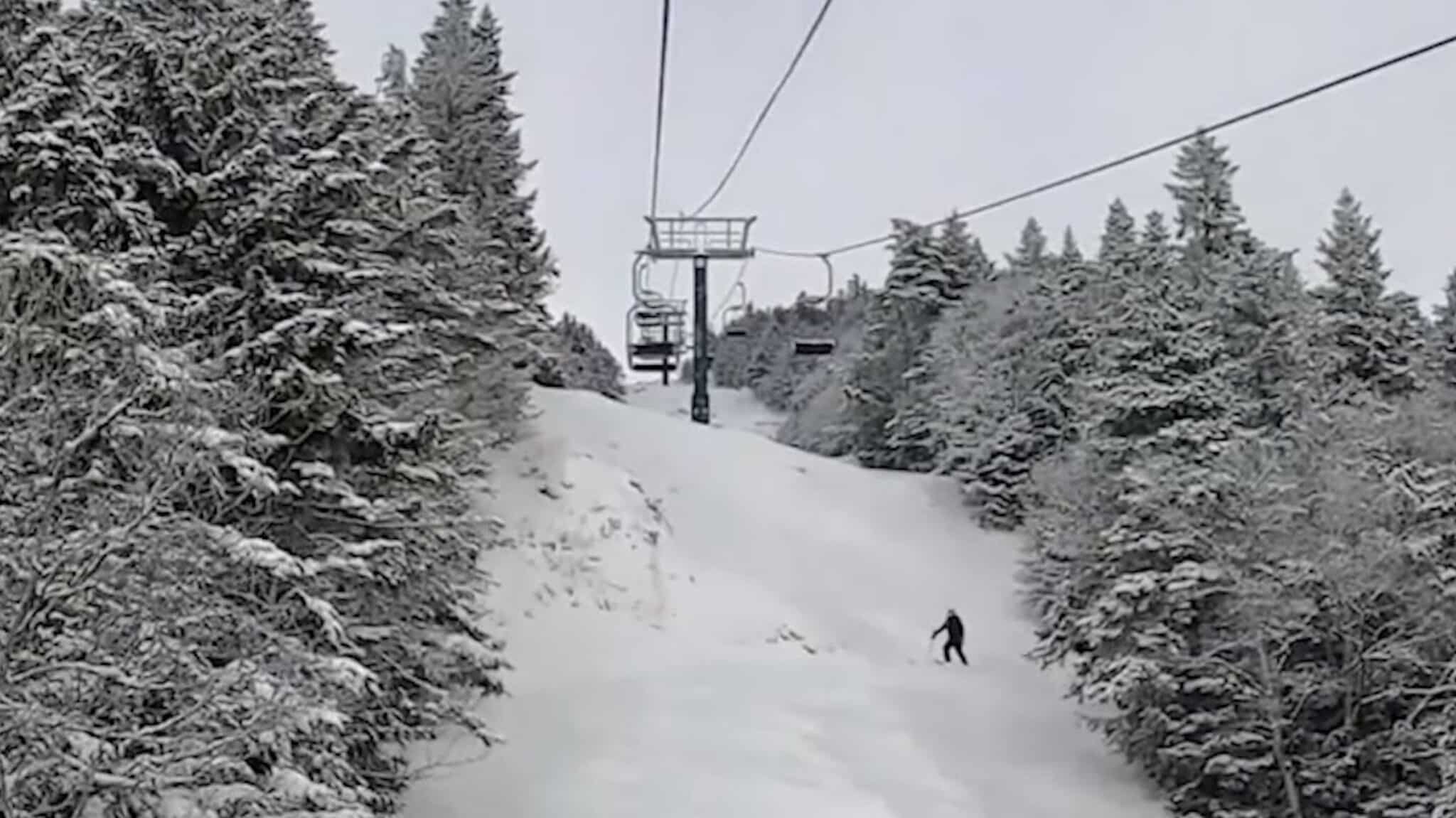
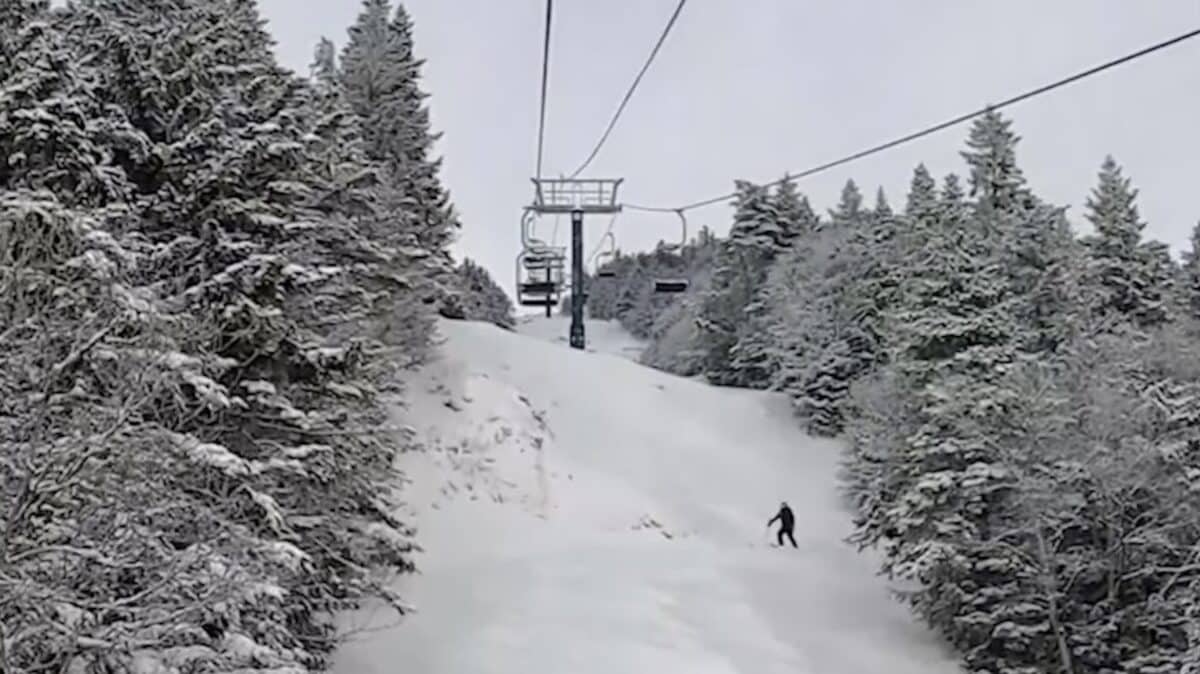
Unlike the meticulously groomed runs and extensive snowmaking prevalent at many ski resorts, Castlerock operates on a different philosophy. Accessible via a single, low-capacity double chairlift, the zone is intentionally designed to offer a challenging experience from the moment skiers unload. There are no beginner or intermediate trails here; every run is designated as advanced or expert. This deliberate choice means that skiers must possess a high level of technical skill and confidence to navigate the terrain.
Furthermore, Castlerock eschews artificial snowmaking and has virtually no on-piste grooming. This hands-off approach ensures that the natural snow conditions dictate the skiing experience. When snow falls, it blankets the steep pitches and natural features, creating opportunities for powder turns. However, when conditions are less forgiving, skiers can expect variable snow surfaces, including hard-packed snow, ice, and thin cover, especially in less-trafficked areas. This unpredictability is a key element of Castlerock’s challenge, forcing skiers to adapt their technique and maintain control in demanding situations.
A Gauntlet of Moguls and Steep Descents
The trails within Castlerock are characterized by their steep gradients and challenging mogul fields. These aren’t the neatly sculpted bumps found on some intermediate runs; Castlerock’s moguls are often large, irregular, and can develop significant ice, particularly during warmer spells or periods of high traffic. The mountain’s commitment to leaving the terrain natural means these features are a true test of a skier’s ability to absorb terrain, maintain rhythm, and execute precise turns.
Among the marked trails, "Rumble" is often cited as the most difficult. This run is renowned for its extreme narrowness and its propensity to ice over, demanding a high degree of technical proficiency, precise edge control, and the mental fortitude to remain composed on a challenging pitch. Beyond the designated trails, the Castlerock area also encompasses significant unmarked glades and off-piste sections. These areas offer even greater challenges, including dense trees, natural obstacles, and steeper, more unpredictable snow conditions, pushing the boundaries of expert skiing.
Castlerock as a Rite of Passage
The reputation of Castlerock extends beyond its physical attributes; it has become a symbolic rite of passage for advanced skiers and riders looking to validate their skills against the rigorous demands of Eastern skiing. While Western resorts often boast vast expanses of powder and more forgiving gradients, Castlerock offers a different, arguably more fundamental, test. It is a place where skiers can truly assess their ability to perform under pressure, without the luxury of ideal snow conditions or forgiving terrain to compensate for errors.
This unvarnished assessment is precisely what draws a dedicated following to Castlerock. Skiers who have honed their skills on less demanding slopes find Castlerock to be an honest barometer of their progression. The slow ascent of the double chair provides ample time for contemplation and observation of the terrain below, a stark reminder of the commitment required. The experience of successfully navigating Castlerock’s challenging runs is deeply rewarding, offering a sense of accomplishment that transcends mere recreation.
Historical Context and Evolution
Sugarbush Resort, established in 1958, has a long history of catering to a diverse range of skiers. While the resort has grown to include more modern lifts and a broader appeal, the Castlerock area has remained a bastion of its more traditional, challenging roots. The decision to preserve this area in its natural state reflects a conscious effort to maintain a distinct character within the resort’s offerings, appealing to a segment of the ski community that values raw adventure and technical prowess.
Over the decades, the understanding and appreciation of Castlerock have evolved. While once it may have been seen simply as difficult terrain, it is now increasingly recognized as a valuable training ground that hones essential skiing skills. The rise of advanced analytics and rating systems, such as those provided by PeakRankings, has helped to quantify and articulate the unique challenges presented by areas like Castlerock, further solidifying its status in the lexicon of serious skiers.
Data-Driven Recognition and Expert Endorsement
The consistent recognition of Castlerock by platforms like PeakRankings underscores its objective difficulty and its significance within the Eastern ski landscape. These platforms often employ a range of metrics, including pitch, width, run length, and the prevalence of natural obstacles, to assess terrain. The fact that Castlerock consistently ranks highly in these assessments, even when compared to resorts with more extreme vertical drops, speaks to the technical demands of its specific layout and natural features.
The analysis from PeakRankings suggests that for advanced skiers and riders who have not yet experienced the unique challenges of Eastern terrain, Castlerock serves as an essential proving ground. It highlights that mastering steep, icy, and moguly slopes is a different skill set than navigating wide-open powder bowls, and Castlerock offers an unparalleled opportunity to develop and demonstrate this mastery.
Implications for the Ski Industry and Enthusiasts
The existence and continued preservation of areas like Castlerock have broader implications for the ski industry and the culture of skiing itself. They represent a counterpoint to the trend of resorts focusing solely on mass appeal and accessibility. Castlerock demonstrates that there is a significant and dedicated market for challenging, authentic experiences.
For skiers and snowboarders, Castlerock serves as a destination that inspires skill development. It encourages a progression beyond simply riding lifts and following groomed paths, fostering a deeper engagement with the sport and a respect for natural terrain. The stories and reputations built on conquering Castlerock’s challenges become part of the lore of the skiing community, inspiring future generations to seek out and prepare for such demanding environments.
Conclusion: A True Test of Skill
In conclusion, Sugarbush’s Castlerock Zone is more than just a collection of steep slopes; it is a philosophy and a benchmark. It is a place where the raw essence of East Coast skiing is preserved and celebrated. The combination of its challenging, ungroomed terrain, its natural snow dependency, and its intentionally limited accessibility creates an environment that is both intimidating and exhilarating. For advanced skiers and riders seeking to truly test their limits and earn their turns, Castlerock remains an unparalleled destination, a true testament to the enduring allure of uncompromising mountain challenges. The slow chairlift, the scraped snow, and the unforgiving runs are not drawbacks; they are the very elements that define its legendary status and its crucial role in the advanced skier’s journey.

