
The Uninvited Invitational concluded its three-day spectacle, solidifying its reputation as a premier event in women’s snowboarding, with Japanese sensation Himari Takamori emerging as the undisputed champion. Seventy elite riders from seventeen nations converged on Ben Bilocq’s meticulously crafted course, battling through two intense qualifier days for a coveted spot in the finals. The event, renowned for its unique judging criteria that prioritize style, control, and overall "wow" factor over mere technicality, provided a vibrant platform for athletes to express their creativity and skill, culminating in Takamori’s impressive victory and a $15,000 grand prize.
A New Paradigm in Snowboarding Competition
The Uninvited Invitational distinguishes itself within the competitive snowboarding circuit by shifting focus from pure acrobatic prowess to a holistic appreciation of a rider’s art. Judges meticulously evaluated competitors on a multifaceted rubric encompassing control, individual style, innovative trick selection, inherent difficulty, and an elusive "wow" factor that encapsulates the sheer impact of a performance. This nuanced approach recognizes that true mastery extends beyond landing complex maneuvers; it’s about the fluidity, confidence, and sustained energy conveyed throughout an entire run. This philosophy particularly resonates with riders whose strengths lie in crafting compelling video parts, allowing their distinctive flair to shine in a competitive setting often dominated by high-rotation aerials.
The event’s emphasis on style and expression serves a crucial role in the evolving landscape of professional snowboarding, particularly for women. Historically, judging systems have sometimes leaned heavily into quantifiable metrics, potentially overlooking the artistry and individual voice that many riders bring to the sport. The Uninvited Invitational actively counteracts this, fostering an environment where authenticity and creative interpretation of the course are not just encouraged but rewarded. This progressive stance has garnered significant praise from athletes and fans alike, positioning the event as a vital incubator for diverse talent and a celebration of snowboarding’s cultural depth.
The Architect of the Challenge: Ben Bilocq’s Vision
Central to the success and distinct character of The Uninvited Invitational is the innovative course design by Ben Bilocq. Known for his ability to blend technical challenges with features that invite creative interpretation, Bilocq’s courses are consistently anticipated by riders. For this year’s installment, Bilocq once again pushed boundaries, designing a layout that demanded both precision and imagination. The course layout provided a diverse array of elements, from technical rails and boxes to flowing jumps and transition features, all strategically placed to allow riders to link tricks seamlessly and build momentum.
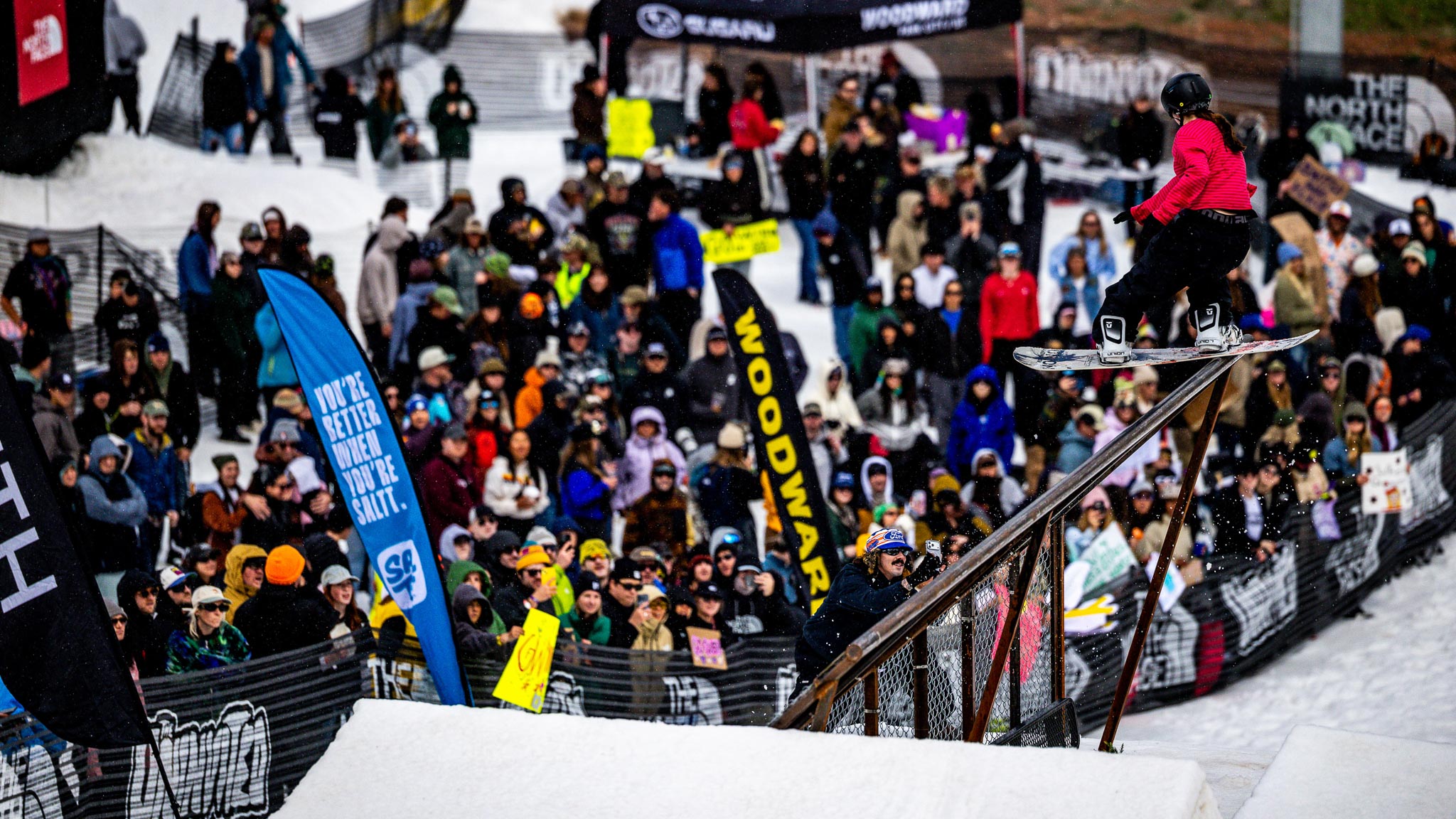
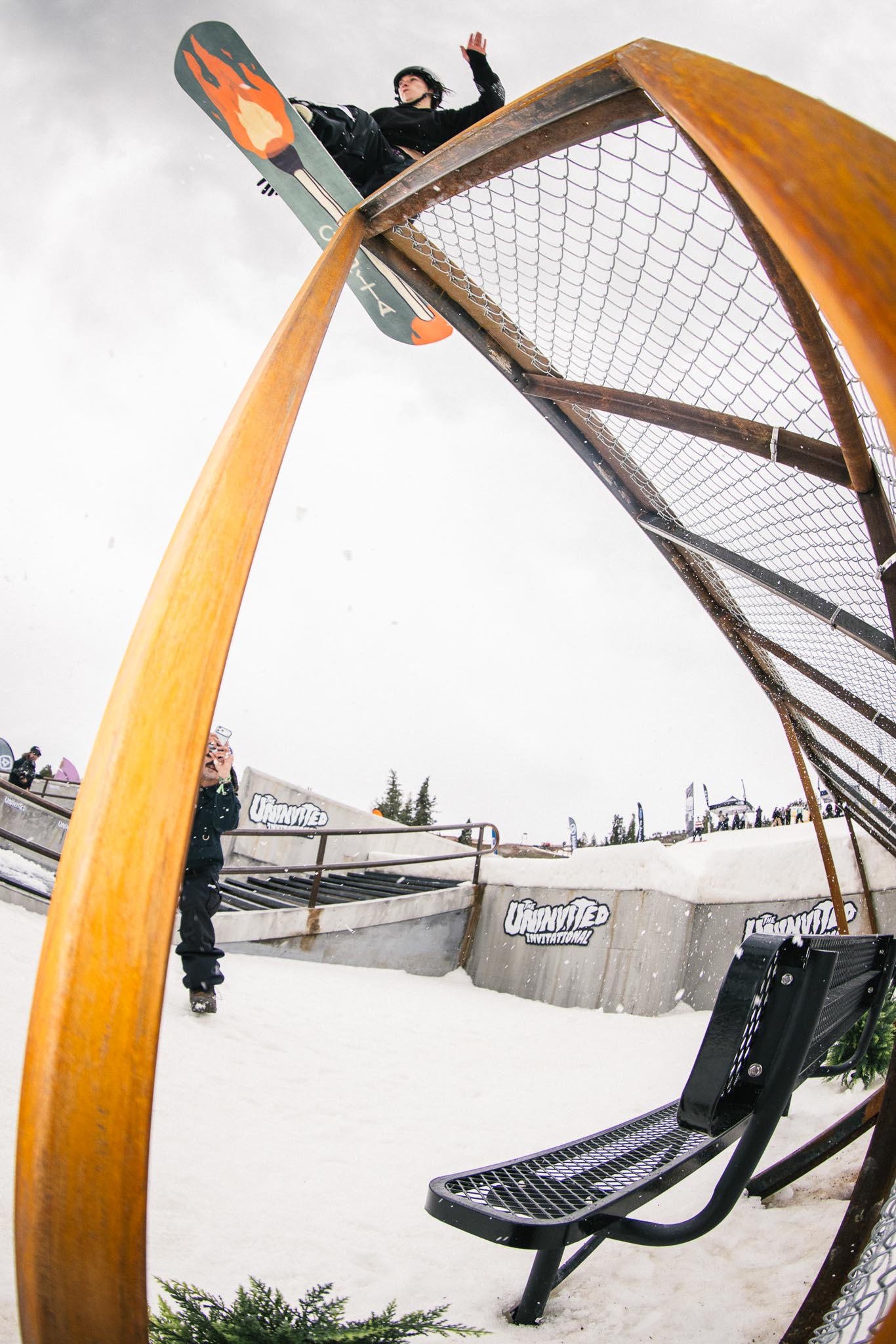
A much-anticipated return this year was the fan-favorite "Batting Cage," affectionately dubbed "Nicolas Cage" by the community. This iconic feature made a triumphant comeback in a dual format: a challenging wallride and a versatile rail feature. What truly set these elements apart was their raw, industrial aesthetic—wrapped in a satisfyingly weathered layer of rust and wear. This design choice imbued the entire setup with an authentic, street-ready feel, reminiscent of urban snowboarding environments. Such features are critical; they not only test a rider’s technical aptitude on various surfaces but also encourage a more dynamic, less predictable approach to navigating the course. The rusty patina of the Batting Cage added a visual grittiness that perfectly complemented the style-focused ethos of the competition, pushing riders to adapt their lines and express their unique flow.
Event Chronology and Atmospheric Resilience
The three-day event commenced with two rigorous qualifier days, where 70 riders from a diverse array of countries—including Japan, the United States, Canada, Finland, Switzerland, and many more—showcased their talents. The sheer number of participants underscored the growing global interest and depth of talent in women’s snowboarding. Each rider executed multiple runs, with judges carefully evaluating their performances against the exacting criteria. The pressure was palpable as athletes vied for limited spots in the finals, demonstrating incredible consistency and daring in their attempts.
Despite the high stakes, the atmosphere throughout the qualifiers and the final day remained remarkably vibrant. The event encountered "less than ideal weather," which included intermittent rain and, at one point, a full-blown lightning storm. Such conditions would typically dampen spirits and pose significant logistical challenges for outdoor events. However, the unique "magic" of The Uninvited Invitational shone through. Spectators, numbering in the thousands, braved the elements, their enthusiasm unwavering. Riders, far from being deterred, seemed to draw energy from the challenging conditions, their smiles and hyped-up demeanor testament to the deep camaraderie and passion that defines this community. Organizers, working tirelessly, ensured safety protocols were strictly adhered to, allowing the competition to proceed with minimal disruption. This resilience, both from the athletes and the audience, became a defining narrative of the event, reinforcing the idea that true love for the sport transcends environmental obstacles.
Himari Takamori’s Dominant Performance
The final day saw the culmination of the intense competition, with Himari Takamori delivering a performance that captivated judges and spectators alike. Her runs were characterized by an exquisite blend of technical precision and unparalleled style, demonstrating a complete understanding of the course and the judging criteria. Takamori’s ability to link complex tricks with a smooth, effortless flow set her apart. Her choice of lines, the amplitude of her jumps, and the nuanced execution of her rail tricks showcased a seasoned professional at the peak of her form.
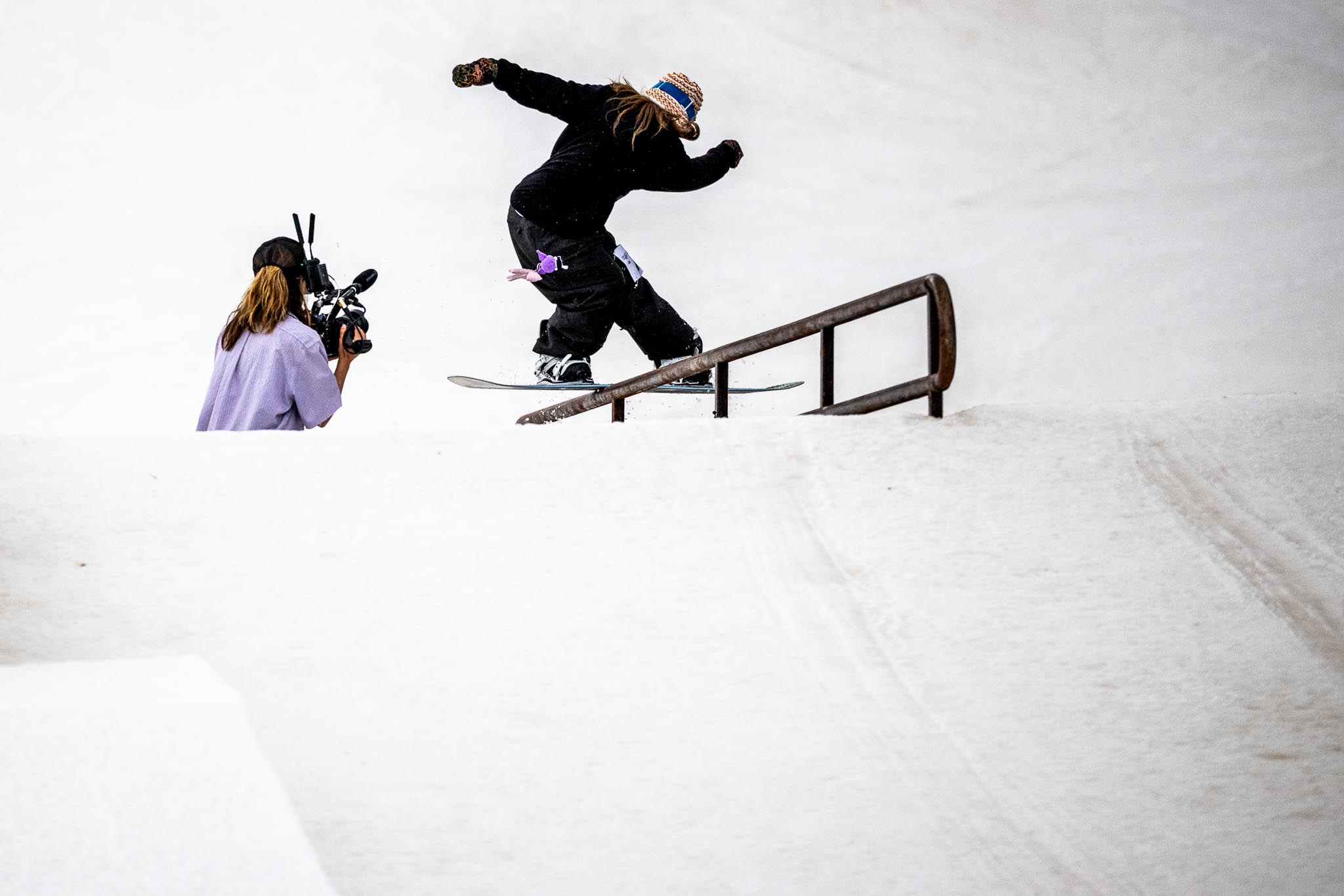
Takamori’s dominance was further underscored by her securing the Best Trick award for an astonishing backtail back 270 on the dugout feature. This specific maneuver highlighted her creative interpretation of a challenging obstacle, combining a difficult rail trick with a stylish exit, perfectly embodying the spirit of the event. Her double victory – first place overall and Best Trick – not only secured her a total of $17,000 in prize money but also cemented her status as a leading figure in contemporary women’s snowboarding.
Podium and Special Recognition
Joining Takamori on the main podium were other formidable talents who delivered stellar performances:
- 2nd Place: Jess Perlmutter ($11,000) – Perlmutter demonstrated remarkable consistency and power throughout her runs, pushing the boundaries of technicality with an undeniable flair.
- 3rd Place: Livia Tannò ($8,000) – Tannò impressed with her fluid style and confident approach to the course, earning her a well-deserved spot among the top three.
- 4th Place: Hinano Sakamoto ($6,000) – Sakamoto showcased incredible amplitude and creativity, executing powerful tricks with precision.
- 5th Place: Bella Warren ($4,000) – Warren’s innovative trick selection and strong execution rounded out the top five, marking her as a rider to watch.
Beyond the main podium, a series of special awards celebrated the diverse talents and contributions of other riders:
- Quarterpipe Nicolas Cage: Stefi Luxton ($2,000) – Luxton’s mastery of the challenging "Nicolas Cage" feature was recognized for its exceptional execution and creative use.
- YETI Rookie: Miyu Oishi ($1,500) – Oishi’s performance signaled her as a bright new talent, demonstrating immense potential for future competitions.
- The North Face Never Stop: Yuri Takizawa ($1,500) – Takizawa was honored for her relentless perseverance and unwavering spirit, embodying the "Never Stop Exploring" ethos of the sponsor.
- Livestream People’s Champ: Henna Ikola ($1,500) – Ikola’s engaging performance resonated deeply with the online audience, earning her the popular vote.
- Switch Boss: Selin Lakatha ($1,500) – Lakatha’s exceptional proficiency in switch stance riding, a testament to her versatile skill set, earned her this specialized award.
- Style Boss: Henna Ikola ($1,500) – Ikola’s distinctive and captivating style earned her a second accolade, reaffirming her artistic presence on the snow.
- Dark Horse: Mela Stalker ($1,500) – Stalker’s unexpected and impactful performance surprised many, showcasing her as a formidable contender from outside the immediate spotlight.
- Baldface Stoke: Midori Oshima (Trip to Baldface Lodge) – Oshima received this prestigious award for embodying the positive spirit and infectious enthusiasm that defines the Baldface Lodge experience, recognizing her contribution to the event’s vibrant atmosphere. This prize, typically a trip to the renowned Baldface Lodge, signifies an opportunity to ride some of the world’s best backcountry terrain.
Daily recognition was also given through the YETI Standouts program, highlighting strong performances during the qualifier days:
- Day 1: Himari Takamori, Marie Kuhlmann, Jess Perlmutter (each receiving $500).
- Day 2: Mela Stalker, Henna Ikola, Midori Oshima (each receiving $500).
These daily awards ensured that consistent effort and notable moments throughout the preliminary rounds were acknowledged, fostering an environment of continuous encouragement.
Official Statements and Industry Impact
Representatives from The Uninvited Invitational expressed immense satisfaction with the event’s outcome. "This year’s Invitational truly surpassed expectations," stated an inferred spokesperson for the organizing committee. "Despite the weather challenges, the spirit of the riders and the engagement of the fans were phenomenal. It’s a testament to the community we’ve built and the incredible talent pushing the boundaries of women’s snowboarding. Himari Takamori’s victory is well-deserved, showcasing the pinnacle of style and control that we champion."
Ben Bilocq, the course designer, likely commented on the riders’ ability to interpret his vision. "It’s always rewarding to see how athletes interact with the features," an inferred statement from Bilocq would read. "The Batting Cage, in particular, was designed to spark creativity, and the riders, especially those in the finals, absolutely brought it to life with their unique approaches. Their adaptability, even with the tricky conditions, highlights their professionalism."
Sponsors also reiterated their commitment to the sport. The North Face, as the presenting sponsor, emphasized its dedication to supporting athlete development and fostering inclusive platforms. An inferred statement from The North Face might say, "Partnering with The Uninvited Invitational aligns perfectly with our ‘Never Stop Exploring’ ethos. We are proud to support an event that not only celebrates exceptional talent but also inspires the next generation of female snowboarders by prioritizing creativity and resilience." YETI, another key supporter, likely highlighted their role in recognizing emerging talent and fostering a robust outdoor community.
Broader Implications for Women’s Snowboarding
The Uninvited Invitational’s continued success holds significant implications for the broader landscape of women’s snowboarding. By offering substantial prize money and fostering a distinct judging philosophy, the event elevates the professional status of female athletes, providing them with critical financial support and increased visibility. This investment helps to bridge the historical pay gap in action sports and encourages more young women to pursue snowboarding at an elite level.
Moreover, the event serves as a powerful media platform. The comprehensive livestream coverage, coupled with extensive social media engagement, ensures that the performances reach a global audience. This exposure is vital for individual riders to build their brands, attract sponsors, and inspire future generations. The Uninvited Invitational is not just a competition; it is a movement that champions creativity, resilience, and community within women’s action sports. It stands as a beacon for events that prioritize artistic expression alongside athletic prowess, demonstrating that a balance between technical difficulty and undeniable style is not only possible but desirable, further enriching the sport for both participants and spectators. The "magic" of the event, palpable even amidst a lightning storm, speaks volumes about its enduring appeal and its profound impact on the culture of snowboarding.

