
Following a challenging season marked by unmet expectations, Swedish cross-country skier Edvin Anger has announced the end of his four-year collaboration with national team coach Lars Ljung. The decision, described by Anger as "very personal," signifies a significant shift in the 24-year-old’s career trajectory as he aims to rebound and achieve greater success, particularly with the upcoming World Championships in Falun on the horizon.
The partnership between Anger and Ljung began at a pivotal moment in Anger’s senior career, and it coincided with a period of notable achievements. However, the most recent winter season proved to be a stark contrast to the successes of the previous year, which was punctuated by personal bests and podium finishes. The Olympic Games, a central focus of the season, proved particularly disappointing for the Swedish talent. His strongest individual performance was a 19th-place finish in the sprint event, a result that failed to ignite the competitive spirit that had characterized his previous campaigns. Following the Olympics, Anger’s participation in races dwindled, signaling underlying issues that required decisive action.
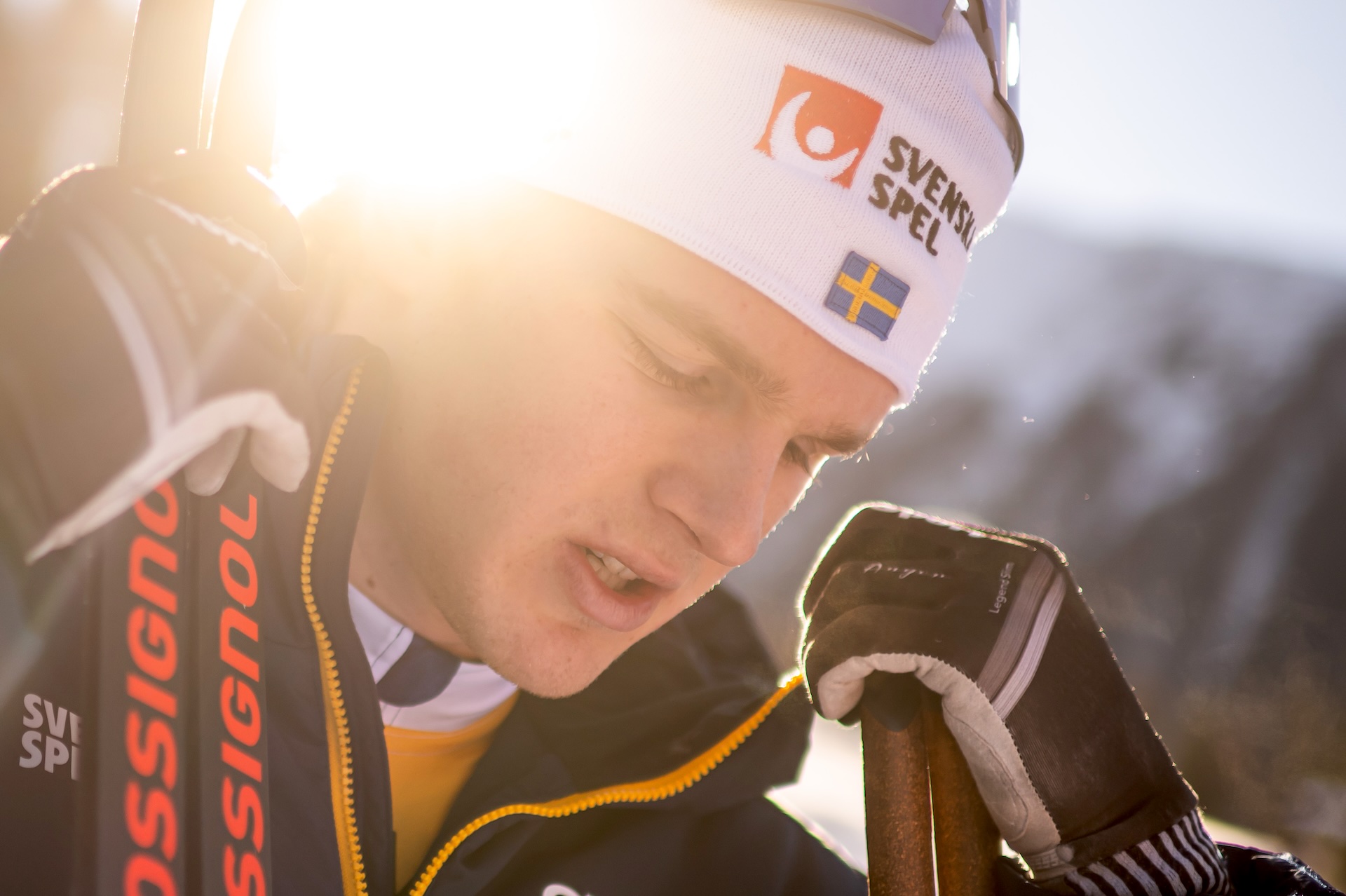
Anger’s decision to part ways with Ljung, who has been instrumental throughout his senior career, was not taken lightly. In an interview with Expressen, Anger acknowledged the difficulty of the conversation, stating, "It was tough. It gets very personal after such a long time." He further elaborated on his rationale, explaining, "It was a fantastic collaboration, I have only positive things to say about that man. But one wants to try something new. I find it difficult to see that it is positive to work with the same coach throughout one’s career." This sentiment underscores a common drive among elite athletes to seek fresh perspectives and innovative training methodologies to maintain peak performance and avoid stagnation.
The separation from Ljung marks a pivotal juncture for Anger. While the exact reasons for the season’s downturn remain a subject of internal review, the need for a strategic recalibration has become evident. The 2025-2026 season, which concluded with the disappointing Olympic performance, saw Anger struggle to replicate the form that had previously propelled him to prominence. This has led to a period of introspection and a commitment to implementing significant changes aimed at revitalizing his competitive edge.
A New Coaching Structure and Strategic Adjustments
In preparation for the upcoming World Championships in Falun, Sweden, Anger will be integrated into the broader national team structure under the guidance of new head coach Egil Kristiansen. However, a significant portion of his day-to-day training and development will be overseen by Ola Ravald, who also serves as Linn Svahn’s personal coach. This arrangement is particularly appealing to Anger, who expressed a desire for more personalized and detailed attention.
"Ola will be my coach at home in Östersund, where I will be spending a lot of time," Anger stated. "And that’s something I’ve really missed: someone to work closely with on a daily basis on detailed planning." This emphasis on individualized coaching suggests a focus on addressing specific technical or physiological aspects that may have contributed to his recent performance dips. The proximity of Ravald’s coaching in Östersund, Anger’s home base, is expected to foster a more consistent and integrated training environment.
The collaboration with Ravald has already yielded a preliminary plan aimed at ensuring a more successful performance at the Falun World Championships compared to the Italian Olympics. A key element of this new strategy involves a deliberate pacing of the pre-season training regimen. Anger highlighted a critical lesson learned from the previous season: peaking too early. "Last year, Edvin Anger was in the best shape of his life a month before the season started. That should not happen in the build-up to the championship on home turf."
To mitigate this, Anger intends to adopt a more conservative approach during the crucial preparatory months. "I will make October the most boring month of the entire year," he declared. This statement signals a commitment to a more measured and sustainable training cycle, prioritizing long-term performance over immediate early-season gains. Such strategic adjustments are common in elite sports, where athletes and coaches meticulously manage training loads and recovery to ensure peak physical and mental readiness for major competitions.
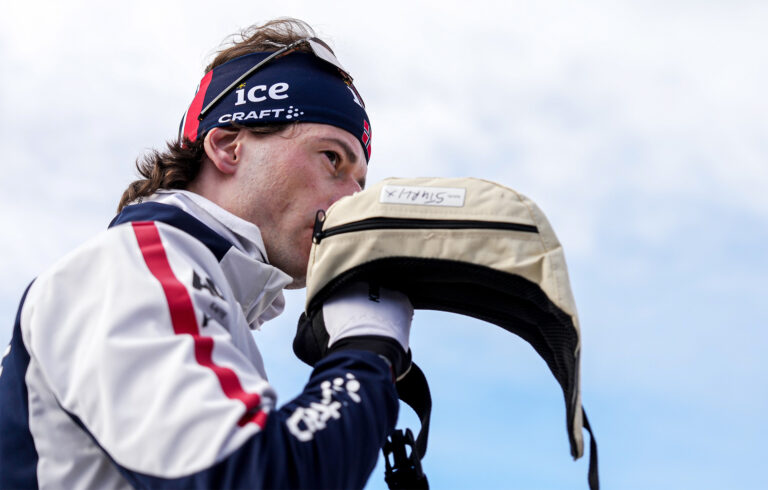
Contextualizing Anger’s Career and the Swedish Skiing Landscape
Edvin Anger emerged as a prominent figure in Swedish cross-country skiing, particularly noted for his prowess in sprint disciplines. His breakthrough season in 2023-2024 saw him achieve significant milestones, including World Cup podiums and strong performances that positioned him as a rising star. This period of success generated considerable optimism within the Swedish skiing community, with many anticipating his continued ascent.
However, the nature of elite cross-country skiing is inherently demanding, with athletes facing intense competition from global powerhouses like Norway and Norway. The sport requires a delicate balance of physiological conditioning, technical skill, mental fortitude, and strategic race execution. A single season’s downturn can be influenced by a myriad of factors, including minor injuries, changes in equipment, evolving training methodologies of competitors, or even psychological pressures associated with heightened expectations.
The Swedish national team has undergone its own period of transition, with Egil Kristiansen taking over as head coach. Kristiansen, a respected figure in cross-country skiing, brings a wealth of experience and a reputation for strategic leadership. His focus on rebuilding and optimizing the team’s performance structure is a critical component of Sweden’s ambition to reclaim its standing in international skiing. The integration of personal coaches like Ola Ravald into the national team’s framework is a modern approach that acknowledges the value of specialized support tailored to individual athlete needs, while still maintaining overarching national team objectives.

The upcoming World Championships in Falun, scheduled for 2027, represent a significant home-soil opportunity for Anger and the entire Swedish team. Hosting such a major event brings added pressure but also invaluable advantages, including crowd support and familiarity with the terrain. The strategic decisions being made now are directly aimed at maximizing this opportunity.
Analyzing the Implications of the Coaching Change
The decision to change coaches, especially after a long-standing partnership, is a high-stakes move for any athlete. For Edvin Anger, it signifies a strong determination to overcome his recent challenges and recommit to his long-term goals. The implications of this shift are multifaceted:
- Renewed Motivation and Perspective: A change in coaching can inject fresh energy and a novel perspective into an athlete’s training and mindset. New voices and training methodologies can challenge established routines and stimulate renewed dedication.
- Focus on Specific Weaknesses: The emphasis on Ola Ravald’s detailed daily oversight suggests a deliberate effort to identify and rectify specific technical or physical deficiencies that may have hampered Anger’s performance. This targeted approach is often more effective than broad-stroke changes.
- Strategic Season Planning: The conscious decision to avoid early-season overtraining indicates a mature understanding of performance cycles and the importance of peaking at the right time. This is a critical skill for sustained success in a sport with a long and demanding calendar.
- Psychological Impact: While the change is driven by performance needs, it also carries a psychological dimension. Successfully navigating this transition and adapting to a new coaching dynamic will be crucial for Anger’s confidence and mental resilience.
The past season’s performance, particularly the Olympic results, serves as a stark reminder of the competitive landscape. While Anger’s 19th place in the sprint was his best individual result, it falls short of the podium aspirations that a skier of his caliber typically targets. The subsequent lack of race participation suggests that the disappointment may have had a significant impact, necessitating a decisive intervention.
The addition of Ola Ravald, a coach with a proven track record with a high-performing athlete like Linn Svahn, provides a strong foundation for Anger’s renewed training program. Ravald’s experience in managing the intricacies of elite athlete development, including meticulous planning and execution, will be invaluable. The collaborative effort between Ravald, Kristiansen, and Anger himself is designed to create a synergistic environment focused on achieving optimal results.
Looking Ahead: The Path to Falun 2027
The World Championships in Falun are now a central focus, and the strategic adjustments being implemented are directly aligned with this goal. The emphasis on a more controlled build-up, avoiding the pitfall of peaking too early, is a lesson learned from past experiences. The commitment to making October "the most boring month" is a symbolic representation of this more disciplined approach to training.
The broader context of Swedish cross-country skiing also plays a role. With the national team aiming to reassert its dominance, individual athlete success is paramount. Anger’s resurgence would not only benefit him personally but also significantly bolster the strength and confidence of the entire Swedish contingent heading into the home World Championships.
The journey of an elite athlete is rarely linear. It is characterized by periods of immense success, challenging plateaus, and the constant pursuit of improvement. Edvin Anger’s decision to pivot his coaching structure is a testament to his ambition and his willingness to make difficult choices in pursuit of his ultimate goals. The coming seasons, particularly the lead-up to Falun 2027, will be crucial in determining the impact of these changes and whether this strategic realignment will pave the way for a new era of success for the young Swedish skier. The cross-country skiing world will be watching closely as Edvin Anger embarks on this new chapter, aiming to recapture his peak form and contend for global accolades on home snow.

